

Rebranding a Millwood Storefront After a Renovation or Ownership Change
Nov 5, 2026 by Signarama Millwood
A renovation or ownership change can make a familiar Millwood storefront feel new overnight. The challenge is making sure customers understand that change before they reach the door. New paint, updated interiors, a revised business name, and a refreshed logo can create a strong first impression, but mismatched business signs, website branding, and online photos can also create confusion.
For a storefront rebrand, the physical and digital versions of the business should tell the same story. Customers may first see the business on Google, pass its signs from the road, visit its website, and then look for the entrance. If the name, logo, colors, or imagery changes between those touchpoints, the transition can feel incomplete.
Why Storefront Rebranding Requires More Than a New Sign
A storefront sign is often the most visible expression of a business identity, but it is only one part of the customer journey. A renovation or ownership change can affect exterior signs, window graphics, door lettering, tenant signage, interior identification, directories, printed materials, the website, social profiles, and Google Business Profile imagery.
That is why sign replacement should be planned as a coordinated brand update rather than an isolated fabrication project. The goal is not to make every surface identical. The goal is to make each touchpoint clearly recognizable as the same business.
Ownership Changes Can Create Two Recognition Problems
When a new owner keeps part of an established name, existing customers need enough continuity to recognize the business. At the same time, new branding needs enough distinction to communicate that something has changed. The right balance depends on the brand strategy, but signage should reflect the final approved identity rather than an in-between version.
Renovations Can Change the Sign Environment
A renovated facade may change wall finishes, colors, awnings, window layouts, entrances, landscaping, or mounting surfaces. A sign that worked visually before construction may no longer have the same contrast, scale, or sightline afterward, and a freestanding sign raises the same question as how high a pylon sign can go. Before reusing an old sign or ordering a replacement, evaluate the finished storefront as a new visual environment.
What Should Change During a Millwood Storefront Rebrand?
Start by identifying every place where customers encounter the old identity. This prevents a common problem: the main sign changes, but secondary signs and digital assets continue showing the former name or logo for weeks or months.
Primary Business Signs
Review the main storefront identification first. Confirm the exact business name, logo version, brand colors, letter proportions, placement, and visibility from normal customer approach points. If the facade changed during renovation, reassess how the sign relates to the new materials and architecture.
Window, Door, and Tenant Signage
Window graphics, entrance lettering, suite identification, directory panels, and other tenant signage can be easy to overlook because they are smaller than the main sign. Customers still rely on them to confirm that they have reached the correct business. Replace outdated names, logos, hours, or directional messages as part of the same rebrand plan.
Interior Signs and Customer-Facing Graphics
A rebrand should continue after the customer enters. Reception signs, wall graphics, menu or service-area identification, directional signs, and branded displays should use the current identity where appropriate. This creates continuity between the exterior promise and the renovated interior.
How to Rebrand a Storefront After Renovation or an Ownership Change
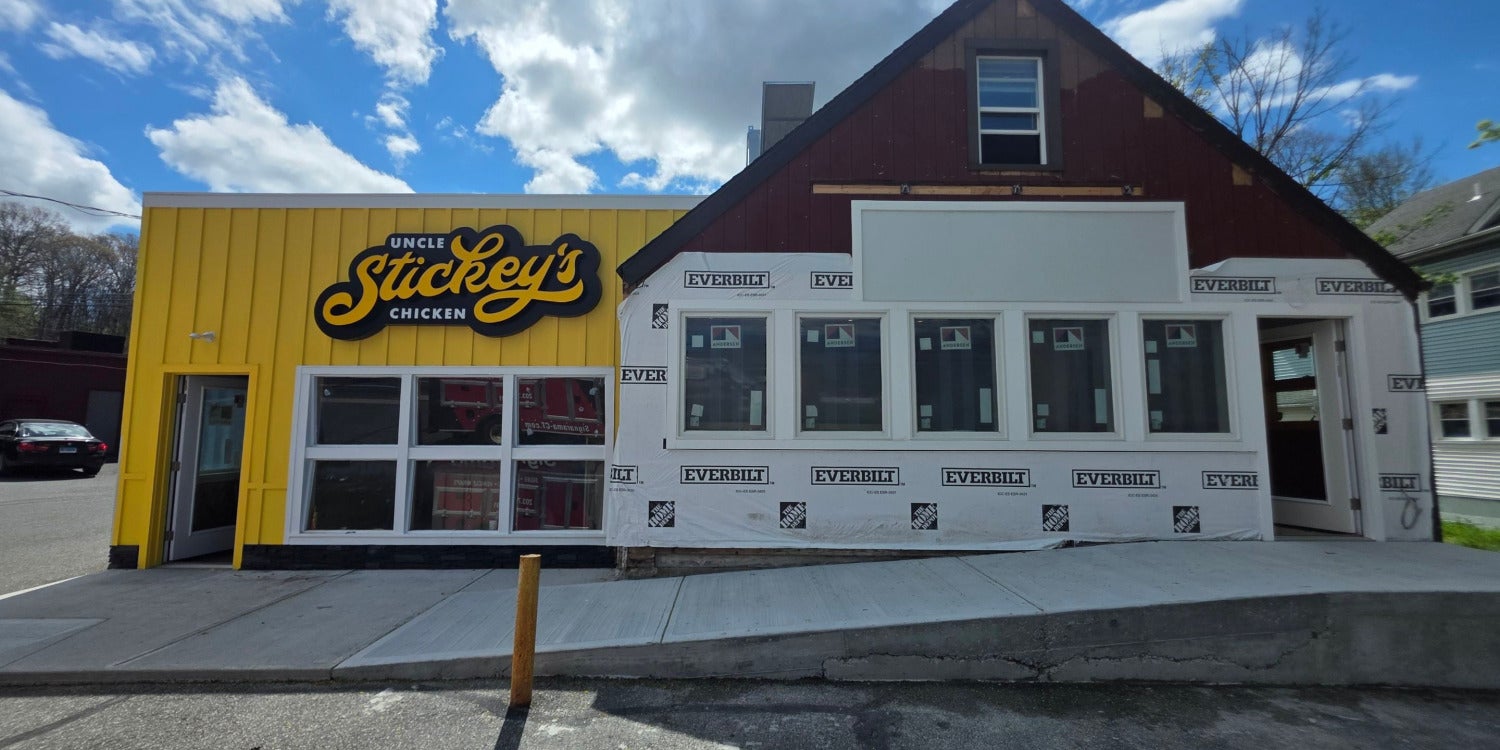
A coordinated process reduces the chance that old branding survives in high-visibility locations. Use the following steps to organize the transition.
Step 1: Finalize the Brand Before Sign Production
Approve the business name, logo files, colors, typography, and core visual standards before fabrication begins. Avoid ordering permanent signs while the identity is still changing. Even a small late-stage logo or naming revision can affect proportions, layouts, and replacement graphics across multiple surfaces.
Step 2: Audit Every Existing Sign and Brand Touchpoint
Walk the property from the perspective of a first-time customer. Record the main building sign, window graphics, door lettering, directories, directional signs, parking or pickup messages, interior identification, and any temporary renovation signage. Then perform the same audit online, including the website, Google Business Profile, major social profiles, and commonly used marketing assets.
Step 3: Decide What Can Stay, What Needs Updating, and What Must Be Replaced
Not everything needs full replacement. Existing structures can often be updated with new graphics or lettering, similar to updating a vehicle with a partial wrap instead of a full one. Replace only elements that no longer fit the renovated facade or new identity.
Step 4: Check Local Requirements Before Fabrication
Exterior sign changes are subject to Town of New Castle requirements based on the sign type, placement, dimensions, and scope of work. Millwood is within the Town of New Castle, where certain sign replacements require a sign permit, building permit, or municipal review before installation. Business owners should confirm the current approval requirements before final fabrication. Do not assume that replacing an existing sign with a new design follows the same approval path in every situation.
Step 5: Coordinate Physical and Digital Launch Timing
Plan when the new signs will appear and when the website and business listings will switch to the new identity. Perfect same-minute synchronization is not always practical, but long gaps create avoidable confusion. If the storefront displays one name while Google or the website displays another, customers may wonder whether they found the correct location.
Step 6: Photograph the Finished Storefront
Once the new signage and renovation are complete, capture clear, current exterior and entrance photos. These images can support website updates and Google Business Profile imagery. Images should represent reality and avoid excessive alteration, so use accurate photos that help customers recognize the location they will actually visit. Photos of your updated vehicles matter too, especially when a wrap is designed to be read in three seconds.
Keep Google Business Profile Aligned With the Storefront
A business name should reflect the name used consistently in the real world, including the storefront, website, stationery, and other customer-facing branding. That makes signage consistency more than a design concern. It also supports a clearer local search presence.
After a rebrand, review the profile name, logo, cover image, exterior photos, website destination, phone number, hours, and business description for outdated information. Remove or de-emphasize old storefront imagery when it could cause customers to look for branding that no longer exists.
A Major Name Change May Need Different Profile Handling
Google distinguishes minor name changes from more substantial rebrands. If a business changes its name and does not meet Google’s rebranding criteria, Google considers it a new business. In that situation, the existing Business Profile should be marked as closed and a new profile created under the new business name. Because profile circumstances vary, owners should review Google’s current rules before changing a long-established listing.
Update the Website to Match the New Physical Identity
The website should confirm what customers see at the property. Update the logo, business name, location page, contact details, header and footer branding, storefront photos, about page, and any downloadable materials that still show the previous identity.
For search visibility, clarity matters more than adding special wording for AI systems. Helpful, reliable content, crawlable pages, accurate business information, and strong page experience remain the priority. A rebrand is therefore a good time to remove conflicting names and stale images that could make the business identity harder to interpret.
Common Storefront Rebranding Mistakes to Avoid
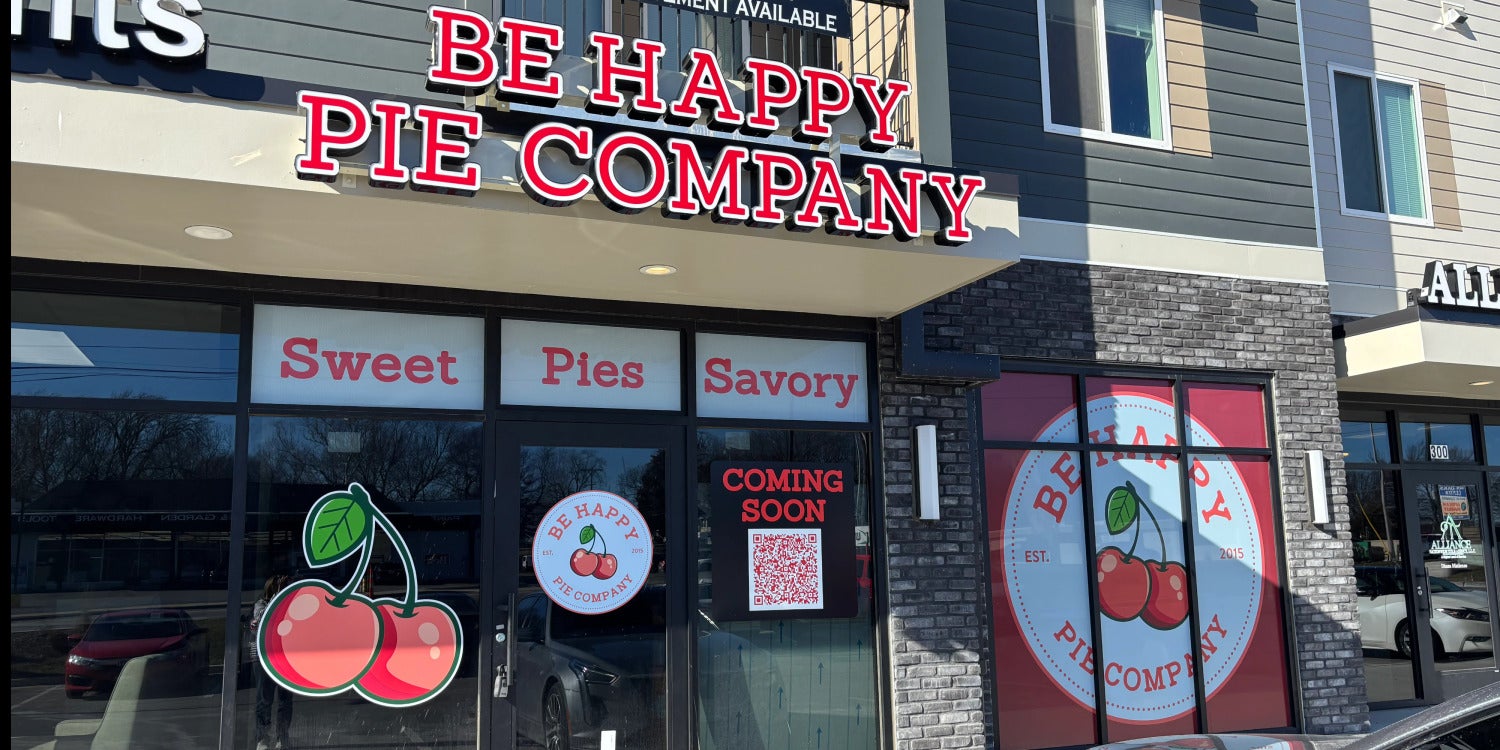
Replacing Only the Main Sign
A new primary sign can look polished while old door vinyl, directory panels, interior graphics, or tenant signage still display the previous brand. Audit the entire property before deciding the project is complete.
Using Different Logo Versions Across Channels
A horizontal logo on the storefront, an outdated stacked logo online, and a different color treatment on the entrance can weaken recognition. Establish approved versions for different formats, then use them consistently, including when keeping wraps uniform across vans, pickups, box trucks, and trailers.
Leaving Old Storefront Photos Online
Customers often use exterior photos to recognize a destination. If online images show the former facade or business signs, a newly renovated property can be harder to identify. Add current images after the rebrand is installed.
Ordering Signs Before the Renovation Details Are Settled
Changes to wall materials, paint colors, entrances, awnings, or usable sign areas can affect a design that looked appropriate earlier in construction. Confirm the relevant site conditions before final sign production.
Frequently Asked Questions
How long should a business keep temporary rebranding signs in place?
Temporary signs should remain only as long as they serve a clear transition purpose. Once permanent signage and customer-facing branding are fully updated, removing temporary messaging can help prevent confusion about the current identity. The same thinking applies when comparing short-term and long-term fleet graphics for company vehicles.
Should a business notify customers before changing its storefront name?
For a significant name or ownership change, advance communication can help existing customers understand what is changing and what is staying the same. Businesses can use their website, email, social channels, and temporary signage to explain the transition clearly.
Can an existing sign structure be reused during a rebrand?
Sometimes. The existing structure or display system may remain usable while the branded face, panel, lettering, or graphics are replaced. Its suitability depends on the new design, dimensions, condition, mounting arrangement, and renovated storefront.
Should vehicle graphics be updated during a storefront rebrand?
Yes, if company vehicles display the old business name, logo, colors, or contact information. Updating mobile branding along with storefront and digital assets helps customers encounter the same identity across different touchpoints.
What should happen to old branded materials after a rebrand?
Outdated signs, printed materials, decals, promotional items, digital graphics, and other customer-facing assets should be reviewed systematically. Materials that could cause confusion should be removed, replaced, or phased out according to the business's transition plan.
Plan a Consistent Millwood Storefront Rebrand
A renovation or ownership change gives a business a natural opportunity to reset how customers see the brand. The strongest transition connects the physical storefront with the digital identity, so the name on the building, the website, Google Business Profile imagery, and supporting signs all reinforce the same current business.
For Millwood businesses, that process should begin with a complete signage audit and a clear final brand system. From business signs and window graphics to tenant signage and interior identification, each element should help customers recognize the updated location without unnecessary uncertainty.
Signarama can help plan, design, produce, and install custom non-electrical signage for a coordinated storefront update. Discuss your project with Signarama to plan a storefront rebrand that fits your renovated space and current business identity.
Related Posts
Millwood Sign Permit Checklist: What Business Owners Should Prepare Before Fabrication
Can Pylon Signs Work in Millwood? How to Evaluate a Freestanding Sign Concept Under New Castle Rules
Fall and Winter Outdoor Sign Visibility in Millwood, NY: Designing for Earlier Darkness
Illuminated Business Signs in Millwood, NY: Visibility, Glare, and New Castle’s Lighting Rules

Signarama Millwood, NY
contact
Signarama Millwood, NY