

Can Pylon Signs Work in Millwood? How to Evaluate a Freestanding Sign Concept Under New Castle Rules
Oct 27, 2026 by Signarama Millwood
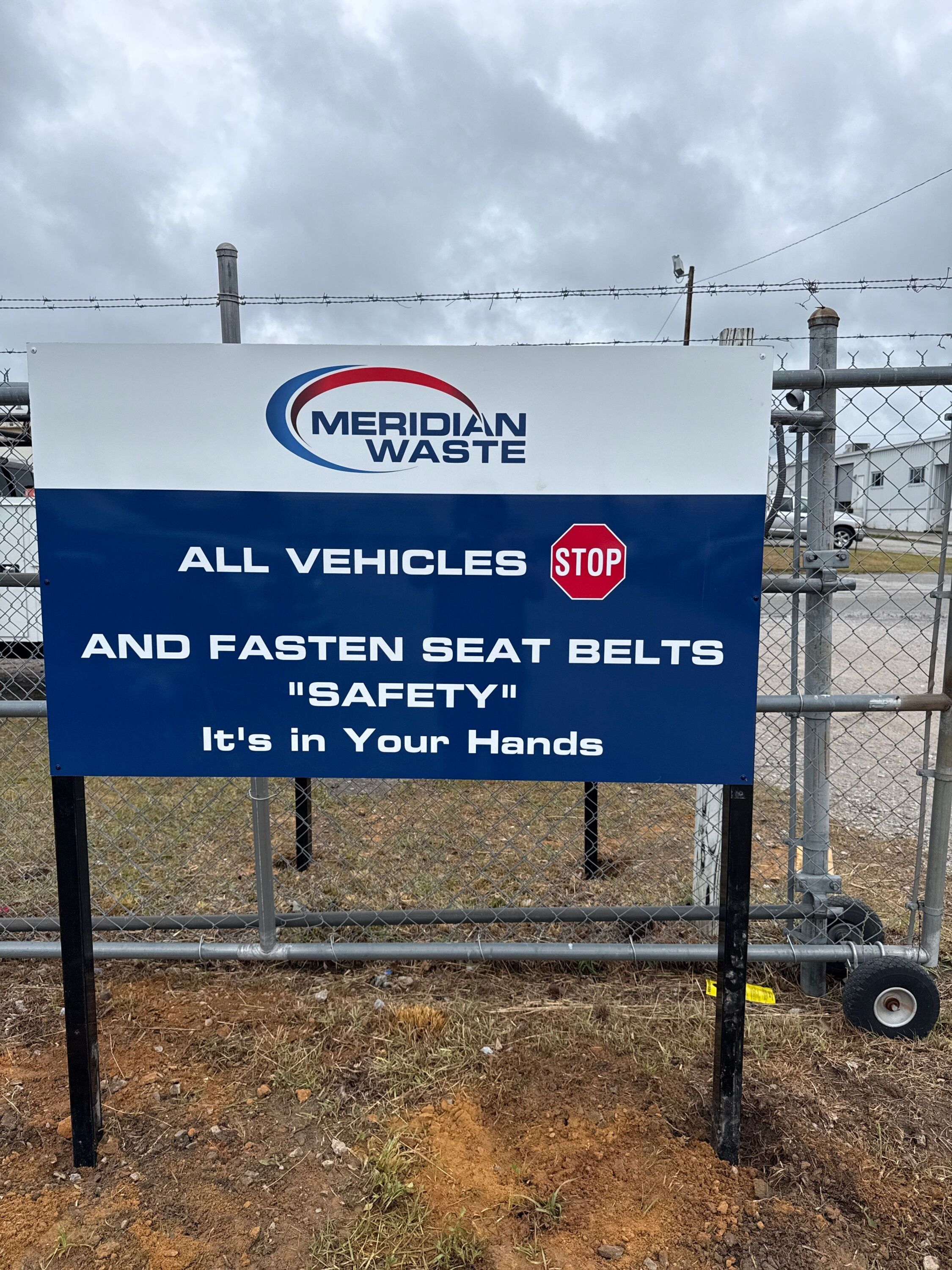
A pylon sign may work for some Millwood properties, but New Castle refers to this type of structure as a “freestanding sign.” Whether a sign can be used depends on the property, zoning district, proposed size, placement, and the review process that applies to the site.
Before choosing a design, businesses should work with a sign company to check what type of freestanding sign the property can support under local rules. Reviewing the site, sign dimensions, placement, and approval requirements early can help avoid unnecessary design changes later.
Are Pylon Signs Allowed in Millwood?
Potentially, yes. New Castle’s sign regulations recognize Type (d) freestanding signs in business and industrial districts, with requirements related to size, placement, and review.
Whether a pylon-style sign works on a specific Millwood property depends on zoning, site conditions, existing signage, and other applicable local requirements.
New placement or relocation may also involve Planning Board review and architectural review before the concept can move forward.
Height, Area, and Placement Questions to Check First
A freestanding sign concept should be screened against the dimensional standards before detailed artwork is developed.
Height
Under New Castle’s freestanding sign requirements, a Type (d) freestanding sign face may not be more than 12 feet above the ground at its highest point or less than five feet above the ground at its lowest point. The B-RO-150 District has a different rule, limiting the sign to five feet above the ground at its highest point.
A tall pylon concept used in another municipality may therefore fall outside the form New Castle’s code contemplates. Even nearby locations have different standards, making pylon sign height requirements in Danbury, CT a useful comparison when evaluating how regulations vary between municipalities.
Sign Area
The Type (d) freestanding sign standards generally start with 10 square feet and add one square foot for each 1,000 square feet of building area above the first 5,000 square feet, subject to a 20-square-foot maximum. The code also states that no dimension of the sign face may be more than twice the other dimension.
District-specific rules matter. The B-PO District limits this sign type to two square feet, while the B-RO-150 District has a separate dimensional framework. Confirm the parcel’s zoning before calculating sign area.
Placement
New Castle’s site-plan approval requirements for freestanding signs state that a Type (d) sign is attached to the ground and located as determined through site-plan review. The Town’s sign regulations also address placement near public rights-of-way and potential driver-visibility or safety hazards.
Placement should therefore be evaluated alongside driveways, parking circulation, landscaping, road geometry, and sightlines. A sign can fit the numerical size limits and still be a poor site-plan choice.
How Planning Board and Architectural Review Can Affect the Concept
Planning Board Review
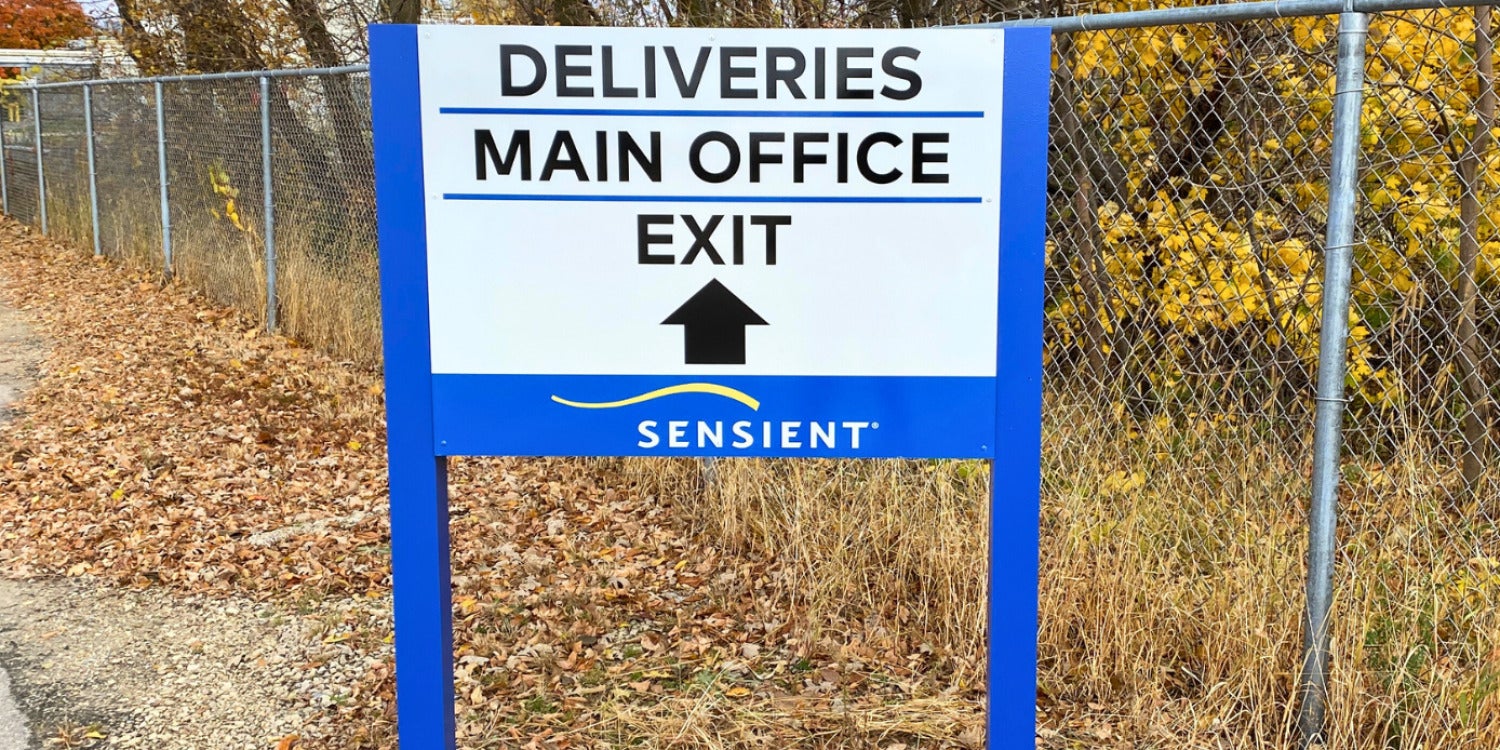
New freestanding signs or signs being moved to a different location may need Planning Board review. The Board looks at how the sign fits the property and the overall site plan.
Architectural Review
The Board of Architectural Review may also review the sign’s appearance, materials, and how well it fits with the building and surrounding area.
Millwood Overlay Requirements
Some properties in Millwood may fall within a special design area. In those cases, the sign may need to follow additional design guidelines along with the regular sign requirements.
Changes to Existing Freestanding Signs
For properties within the Millwood Center Area Design Plan Overlay District, some changes to an existing freestanding sign may follow a simpler review process if the sign stays in the same location and does not increase in size. Moving or enlarging the sign may require additional review.
How to Evaluate a Freestanding Sign Concept Before Detailed Design
A disciplined pre-design review can prevent a business from investing in a concept that later needs major changes.
Step 1: Confirm the Parcel’s Zoning and Overlay Status
Identify the zoning district and determine whether the property sits inside the Millwood Center Area Design Plan Overlay District. Zoning is parcel-specific, so do not rely only on a Millwood mailing address.
Step 2: Inventory Existing Signs and the Approved Site Plan
Document every existing sign that will remain or be removed. Review the current site plan, especially structures, parking, driveways, landscaping, and circulation.
Step 3: Calculate the Available Sign Area
Use the applicable Type (d) formula and any district-specific provisions before creating artwork. Also review the Town’s sign-area computation rules and total signage on the property.
Step 4: Test Height, Proportion, and Ground Clearance
Check the highest and lowest points of the sign face and test its proportions against the code. This can eliminate unsuitable concepts before detailed design work begins.
Step 5: Plot the Sign on a Site Plan
Show lot lines, setbacks, structures, parking, driveways, pedestrian areas, landscaping, existing signs, and the proposed sign. Then test the location from driver and pedestrian approach directions for sightline or circulation conflicts.
Step 6: Confirm the Review Path Before Final Production
A sign company can help organize the project details before confirming which Town boards or departments may review the proposal. Initial placement or relocation of a freestanding sign follows a different path from certain modifications to an existing one.
What to Prepare for a Freestanding Sign Review
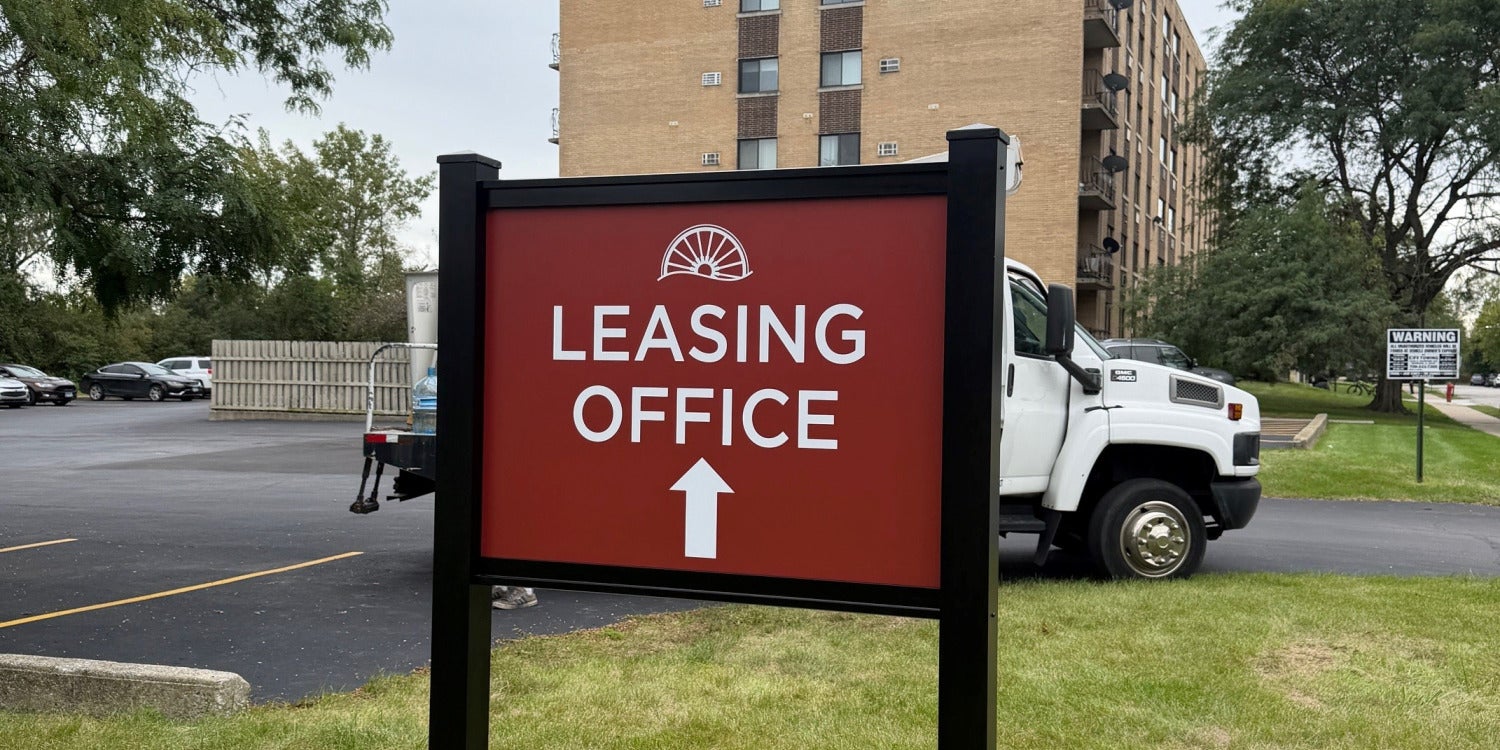
A freestanding sign review may require basic information about the property, proposed sign, and surrounding site conditions. Depending on the project, this can include:
Existing and proposed signage
Property and building details
Sign size, height, and placement
Setbacks and nearby site features
Parking, driveways, and pedestrian areas
Drawings or renderings of the proposed sign
Photos of the proposed sign location
Proposed colors, materials, and finishes
If illumination is part of the concept, additional information may be required. Electrical design, wiring, and installation should be handled separately by appropriately qualified electrical professionals.
Common Mistakes When Evaluating Pylon Signs in Millwood
Choosing the Size Before Reviewing the Site
One common mistake is deciding on the height or overall size of a pylon sign before evaluating the property. A sign that looks appropriate in a concept drawing may not fit the actual site conditions. It is better to review the available space, surrounding features, and applicable requirements before settling on dimensions.
Ignoring Property-Specific Conditions
Every commercial property has its own layout and visibility challenges. Driveways, parking areas, landscaping, nearby buildings, road position, and other site features can influence where a freestanding sign can reasonably be placed. These conditions should be considered early in the planning process.
Overlooking Local Sign Requirements
A sign design that works for one property may not automatically work for another. Local requirements can vary based on zoning, sign type, location, and the scope of the project. Reviewing the applicable rules before finalizing the concept can help reduce unnecessary revisions later.
Focusing Only on the Sign Face
It is easy to focus on the logo, colors, lettering, and overall appearance while overlooking how the sign will function on the property. Visibility from the road, viewing angles, surrounding landscaping, and nearby obstructions can be just as important as the graphic design itself.
Forgetting About Existing Signage
Existing signs should be included in the early evaluation of a new pylon or freestanding sign concept. Their size, placement, and continued use may affect the overall signage plan for the property. A complete review helps create a more coordinated and practical approach.
Assuming Existing Signs Can Be Changed Easily
Moving, enlarging, replacing, or significantly changing an existing freestanding sign may involve a different review process than routine maintenance or minor updates. Businesses should confirm the applicable requirements before committing to a revised design or production plan.
How to Make a Freestanding Sign Easier to Read From the Road
Once the sign location is established, the next priority is readability. A freestanding sign should communicate the most important information quickly, especially for drivers who may only have a few seconds to see it.
Keep the Message Simple
Too much information can make a sign harder to scan. Focus on the business name, logo, or other essential identifying details rather than trying to include several messages at once. With only seconds to capture attention, businesses benefit from the kind of clear messaging used to make a car wrap readable within three seconds.
Use Clear Lettering
Simple, legible lettering is usually easier to recognize from a distance. Avoid overly decorative fonts, thin letterforms, or crowded text that can become difficult to read from the road.
Create Strong Contrast
Good contrast helps lettering and graphics stand out from the background. The sign face should make important information easy to distinguish in different viewing conditions. This balance of graphic coverage and visibility also influences the choice between partial and full car wraps for business vehicles.
Build a Clear Visual Hierarchy
The most important information should receive the strongest visual emphasis. Business names, property names, and major tenant information should not compete equally with secondary details. Maintaining this hierarchy becomes equally important when keeping vehicle wraps consistent across different vehicle types, especially when graphics must fit different sizes and layouts.
Consider the Viewing Angle
A sign may be approached from more than one direction. The layout should be reviewed from the angles drivers are most likely to see so important information remains clear and recognizable.
Avoid Visual Clutter
Extra graphics, small text, multiple fonts, and too many competing colors can reduce readability. A cleaner design often makes a freestanding sign easier to understand at a glance.
Frequently Asked Questions
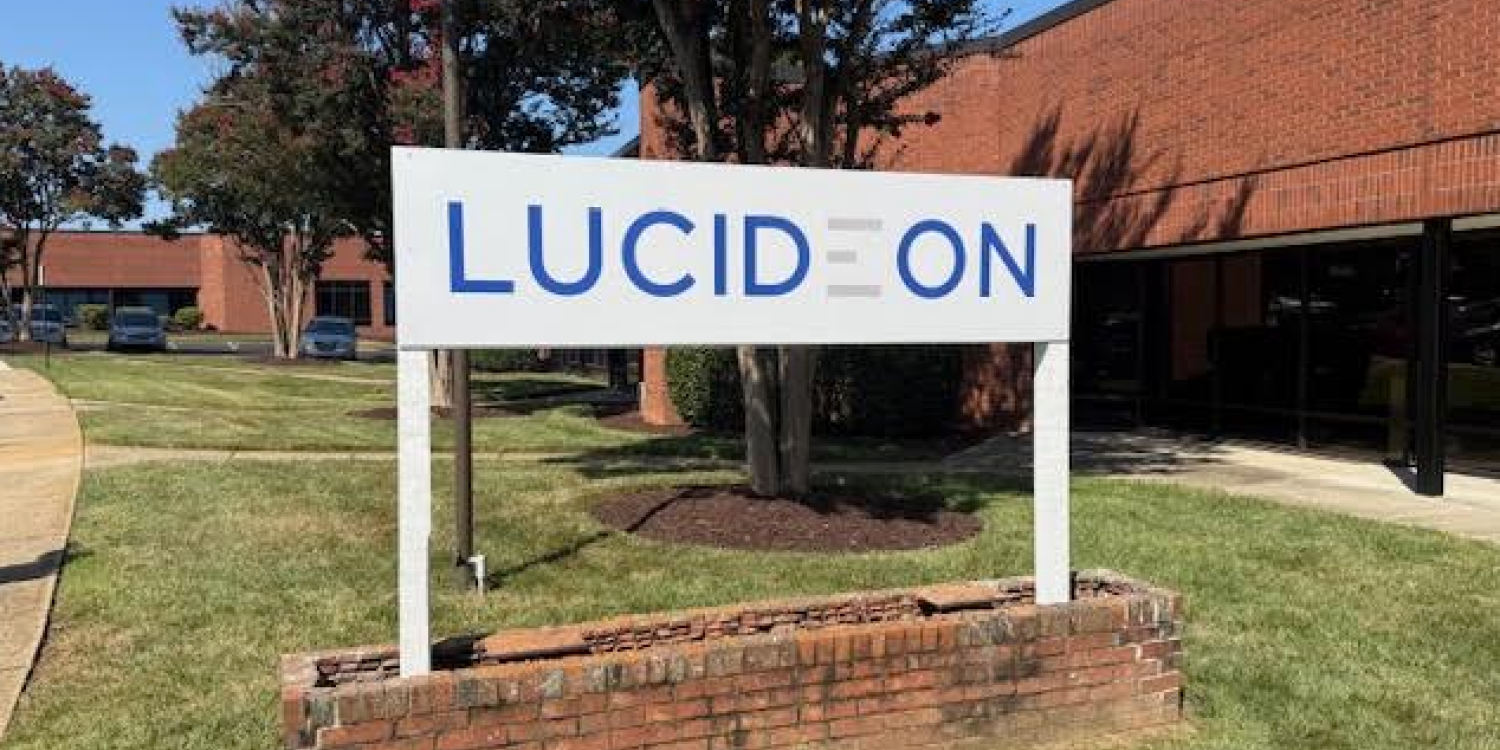
Can a freestanding sign identify multiple businesses in Millwood?
Yes, multi-tenant properties may use freestanding signage to display name directories for multiple businesses, subject to local size and design limits.
How should a Millwood business choose between different freestanding sign styles?
Consider the property layout, surrounding architecture, road speed, and setback requirements to determine whether a monument sign, post-and-panel, or low-profile freestanding structure provides the best visibility and visual fit.
Can freestanding signs match storefront signs and other business signage?
Yes. Coordinating colors, fonts, and design elements across freestanding signs, wall signs, and window graphics creates a cohesive brand presentation. For businesses with branded vehicles, choosing between seasonal and permanent fleet graphics can further support consistent branding across physical locations and mobile advertising.
What materials can be used for a freestanding business sign?
Material options vary depending on the chosen style and local standards, but common durable choices include aluminum, carved or routed high-density urethane (HDU), stone or masonry bases, and weather-resistant composite panels.
Should a Millwood business compare freestanding and building-mounted signs?
Yes. Comparing both options helps determine which option offers superior sightlines for approaching drivers, fits the property site plan better, and aligns with local code requirements.
Explore Freestanding Sign Options for Your Millwood Property
A freestanding sign in Millwood starts with understanding the property, local requirements, and available space for signage. Size, height, placement, and the review process can all affect the final concept.
As a sign company, Signarama can help businesses develop a practical freestanding sign design that fits the site while supporting clear visibility and consistent branding.
Discuss your signage needs with Signarama to create a custom freestanding sign for your Millwood property.

Signarama Millwood, NY
contact
Signarama Millwood, NY