

How Tall Should Pylon Signs Be? Visibility Distance, Traffic Speed, and Sightline Factors in Danbury, CT
Oct 14, 2026 by Signarama Danbury
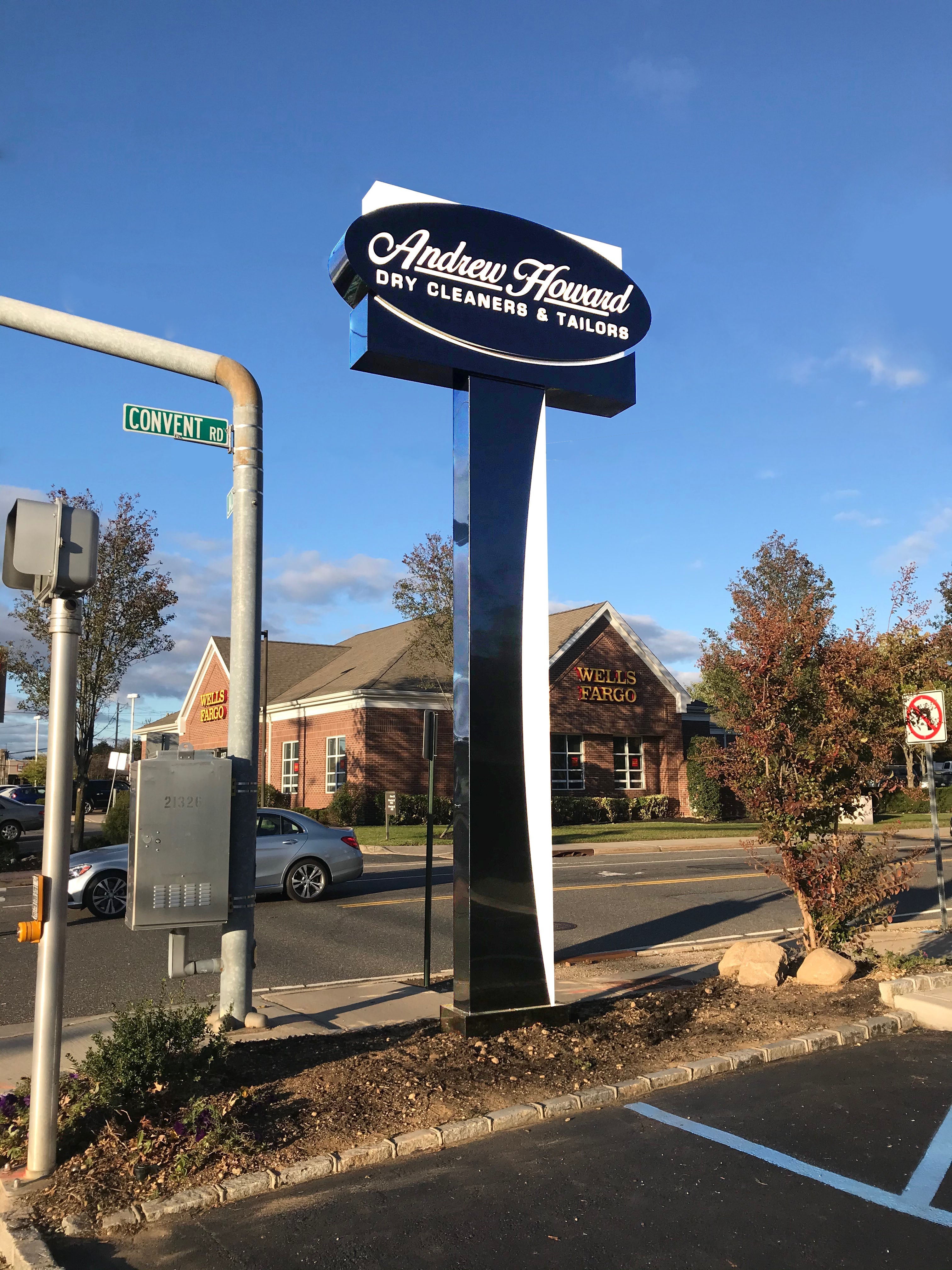
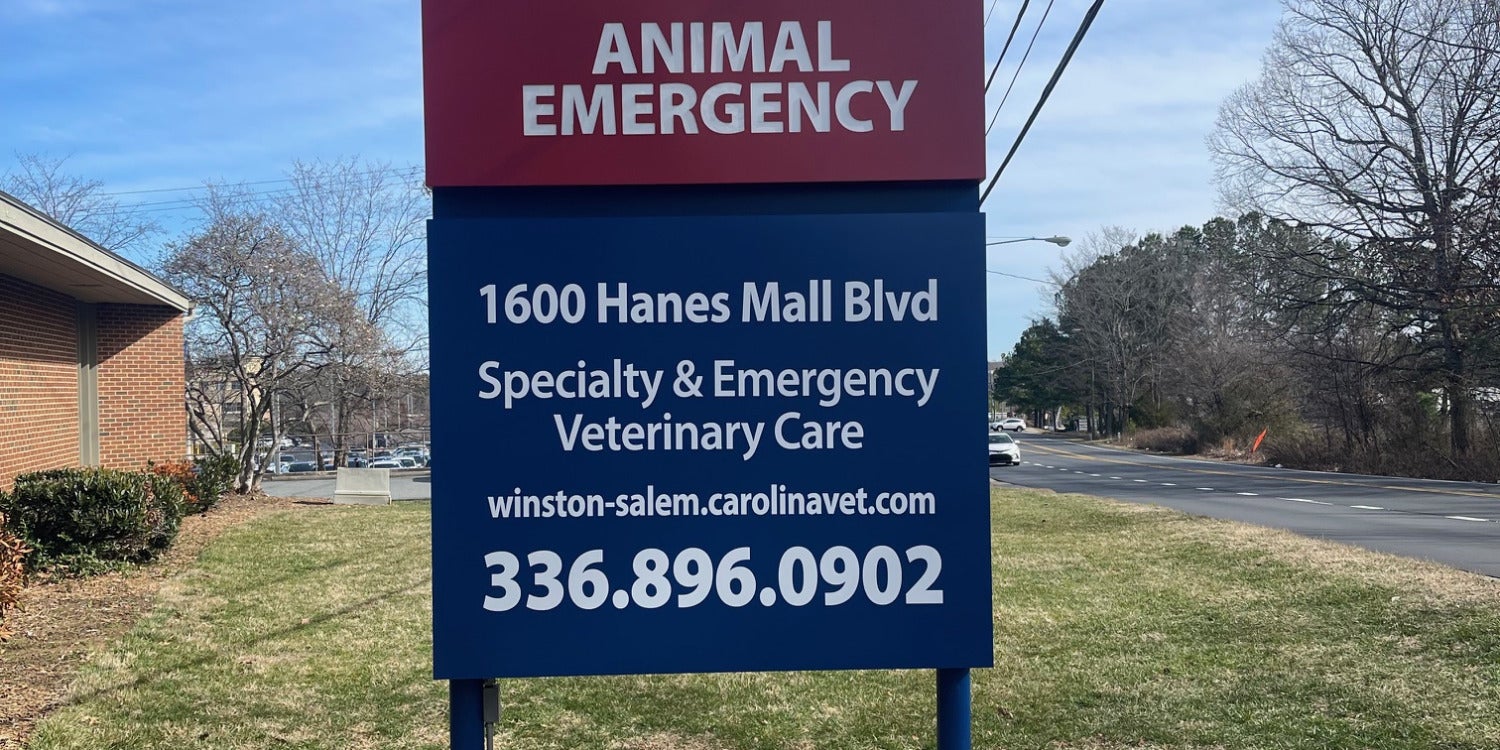
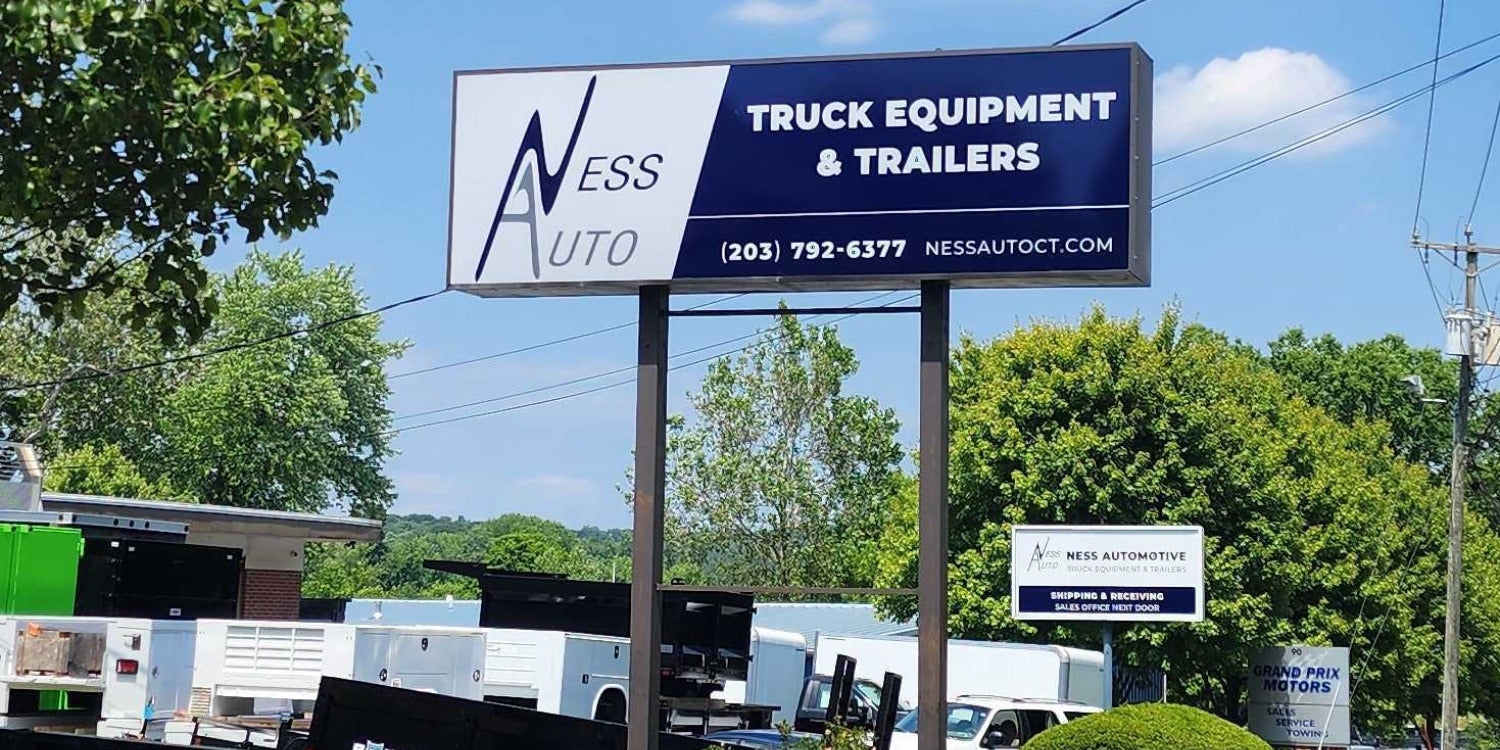
A pylon sign should be tall enough to remain visible above landscaping, parked vehicles, grade changes, and other roadside obstructions, but no taller than the site needs or local rules allow. In Danbury, CT, that means separating two questions: what height is legally permitted, and what height gives drivers enough time to notice, read, and act on the sign?
For many commercial and industrial properties in Danbury, current zoning rules cap freestanding signs at 20 feet above ground level. That is a legal ceiling, not a universal design target. Actual height should respond to road speed, sightlines, and obstructions.
How Pylon Sign Height Works in Danbury, CT
Zoning Districts Affect Height Limits
“Pylon sign” is a common industry term, but Danbury generally regulates these structures as freestanding signs. Height, size, spacing, and placement requirements can vary by zoning district and property type.
Commercial and Industrial Height Standards
In many commercial and industrial districts, freestanding signs may be limited to 20 feet above ground level. Special districts may follow different dimensional standards, making the property’s zoning classification an important part of sign planning.
Sightlines and Traffic Safety
Sign height also needs to account for visibility around streets, driveways, and intersections. A tall sign may attract attention, but poor placement can interfere with sightlines or create traffic-safety concerns.
Site Conditions Influence the Final Height
Frontage, setbacks, driveway configuration, grade, landscaping, and nearby structures can all affect how a pylon sign is positioned and how visible it is from the road.
Why Traffic Speed Changes the Height Decision
Traffic speed affects how quickly drivers can notice and read a sign. Faster roads require earlier visibility, simpler messaging, and stronger contrast. While added height can help a sign clear vehicles, landscaping, or terrain, readability still depends on clear lettering, spacing, and an uncluttered design.
Scenario 1: Pylon Signs on a 25 MPH Road
On a 25 mph road, drivers generally have more time to notice and process a pylon sign, so extra height may not be necessary if the sign is already visible from the main approach. Check for parked vehicles, landscaping, grade changes, and other obstructions, then focus on clear lettering, strong contrast, and simple message hierarchy before increasing sign height.
Scenario 2: Pylon Signs on a 40 MPH Road
On a 40 mph road, drivers have less time to notice a business before reaching the entrance, making advance visibility more important. Evaluate sightlines from both directions, including trees, utility poles, nearby signs, terrain, and parked vehicles, then use enough height to clear key obstructions while keeping the business name large, simple, and easy to recognize.
Viewing Distance and Letter Size Matter More Than Height Alone
Visibility and Legibility Are Different
A driver may notice a pylon sign before being able to read it. Viewing distance should account for when the main message actually becomes legible, not just when the structure first comes into view.
Letter Size Controls Readability
Larger letters remain readable from farther away. Small copy does not become easier to read simply because the sign is mounted higher.
Real-World Conditions Reduce Reading Distance
Weather, glare, traffic speed, viewing angle, surrounding signs, and visual clutter can all reduce legibility. Any distance guideline should be treated as a planning reference rather than a guarantee.
Prioritize the Most Important Message
The business name should receive the strongest visual emphasis. Addresses, descriptors, and tenant information should use smaller type and less visual weight so they do not compete with the primary identification.
Setback, Viewing Angle, and Approach Direction
A pylon sign can comply with the height limit and still perform poorly if it sits too far from the driver’s line of sight. Setback changes the viewing angle. As the sign moves farther from the roadway, it can shift toward the edge of the driver’s forward field of view, especially close to the property.
Approach direction matters too. A sign that works well for traffic from one direction may be partially blocked from the opposite direction. Median landscaping, curves, grade changes, neighboring signs, and turning lanes can create different sightlines on each approach.
Face orientation should respond to those conditions. A double-faced sign still needs a useful angle toward traffic. If the face is nearly parallel to the travel path, extra height may not solve the visibility problem.
Obstructions That Can Change the Needed Pylon Sign Height
Landscaping and Mature Trees
Trees, hedges, berms, and other landscaping can block part of a sign face as vegetation grows. Seasonal changes may also affect how visible a pylon sign is from the road.
Vehicles and Roadside Activity
SUVs, trucks, delivery vehicles, and other large vehicles can temporarily obstruct lower sign faces, especially near busy entrances or parking areas.
Grade and Site Features
Changes in elevation, building corners, canopies, utility poles, traffic equipment, and nearby freestanding signs can all affect the viewing angle and determine how much height is useful.
Height Is Only One Visibility Factor
Making a sign taller is not always the best solution. Better placement, larger lettering, stronger contrast, fewer words, or coordinated landscaping may improve visibility without increasing the overall structure height.
How to Choose an Appropriate Pylon Sign Height
Step 1: Confirm the Zoning District and Sign Limits
Verify the property’s zoning classification and the Danbury rules that apply to freestanding signs. Check allowable height, sign area, spacing, and any property-specific approvals before committing to a design dimension.
Step 2: Measure the Real Viewing Environment
Document roadway speed, distance from the travel lane to the proposed sign, grade, curb location, driveway position, nearby signs, and major obstructions. Evaluate both directions of travel.
Step 3: Identify the Driver’s Decision Point
Determine where a driver needs to recognize the business and prepare to turn safely. Work backward from that point to estimate the viewing distance the sign should support.
Step 4: Size the Main Copy for That Viewing Distance
Choose letter sizes that fit the available sign area and remain readable during the approach. Keep the business name visually dominant and reduce secondary copy.
Step 5: Raise the Sign Only as Much as Needed
Use enough structure height to clear the verified obstruction zone and maintain a usable sightline. Do not assume the maximum permitted height is automatically the best height.
Step 6: Check Both Approaches Before Finalizing
Review the sign from a realistic driver eye level. Confirm that trees, vehicles, slopes, neighboring features, or the sign’s angle do not block the face at key distances.
Step 7: Prepare the Design for Local Review
Confirm the final dimensions, location, sign area, and structural information before fabrication. Permit and zoning review should be completed before installation so the approved design matches the property conditions.
What Makes Roadside Business Signage Easier to Read?
Effective roadside business signage depends on more than height. Drivers need to notice the sign, recognize the business, and understand the main message within a short viewing window. Contrast, typography, spacing, message hierarchy, and the surrounding environment all affect how quickly that happens.
Strong Contrast Improves Visibility
Clear contrast between the lettering and background helps the message stand out. A sign that blends into nearby trees, buildings, sky, or other signage may be visible but still difficult to notice or read.
Simple Typefaces Support Faster Reading
Clean fonts with open letterforms generally perform better at a distance than thin, condensed, or highly decorative styles. Adequate spacing between letters and words also makes business names easier to recognize quickly.
Clear Hierarchy Keeps the Message Focused
A roadside sign should prioritize the most important information. The business name should receive the strongest visual emphasis, while secondary details should remain clearly subordinate instead of competing for attention.
Less Clutter Makes Signs Easier to Scan
Drivers do not read pylon signs like brochures. Limiting unnecessary copy and giving each element enough space creates a cleaner sign face that can be understood more quickly from the road.
Frequently Asked Questions
What is the maximum height for a pylon sign in Danbury?
In many Danbury commercial and industrial districts, freestanding signs are limited to 20 feet above ground level. Special districts can use different standards, so the zoning classification and current rules for the property should be confirmed before design or installation.
Should every pylon sign be 20 feet tall?
No. The maximum allowed height is not automatically the best height. A sign should be tall enough to clear obstructions and support the needed viewing distance. On a slower road with open sightlines, a lower sign may be more effective and better proportioned to the site.
Is a taller sign always easier to see at 40 mph?
Not necessarily. Taller placement may help clear obstructions, but faster traffic also increases the need for larger letters, simpler copy, strong contrast, and earlier visibility. A crowded sign at 20 feet can still be harder to read than a simpler sign at a lower height.
How does setback affect pylon sign visibility?
A greater setback can change the viewing angle and reduce how long the sign stays within a driver’s natural forward field of view. Evaluate setback together with sign height, face orientation, road geometry, and approach direction.
Do Danbury sign rules consider traffic sightlines?
Yes. Danbury’s zoning regulations prohibit signs that block reasonable sightlines for streets or driveways or otherwise interfere with traffic safety. Placement should be coordinated with safe driveway visibility and applicable site-plan requirements.
Plan Pylon Signs Around the Road, Not Just the Pole
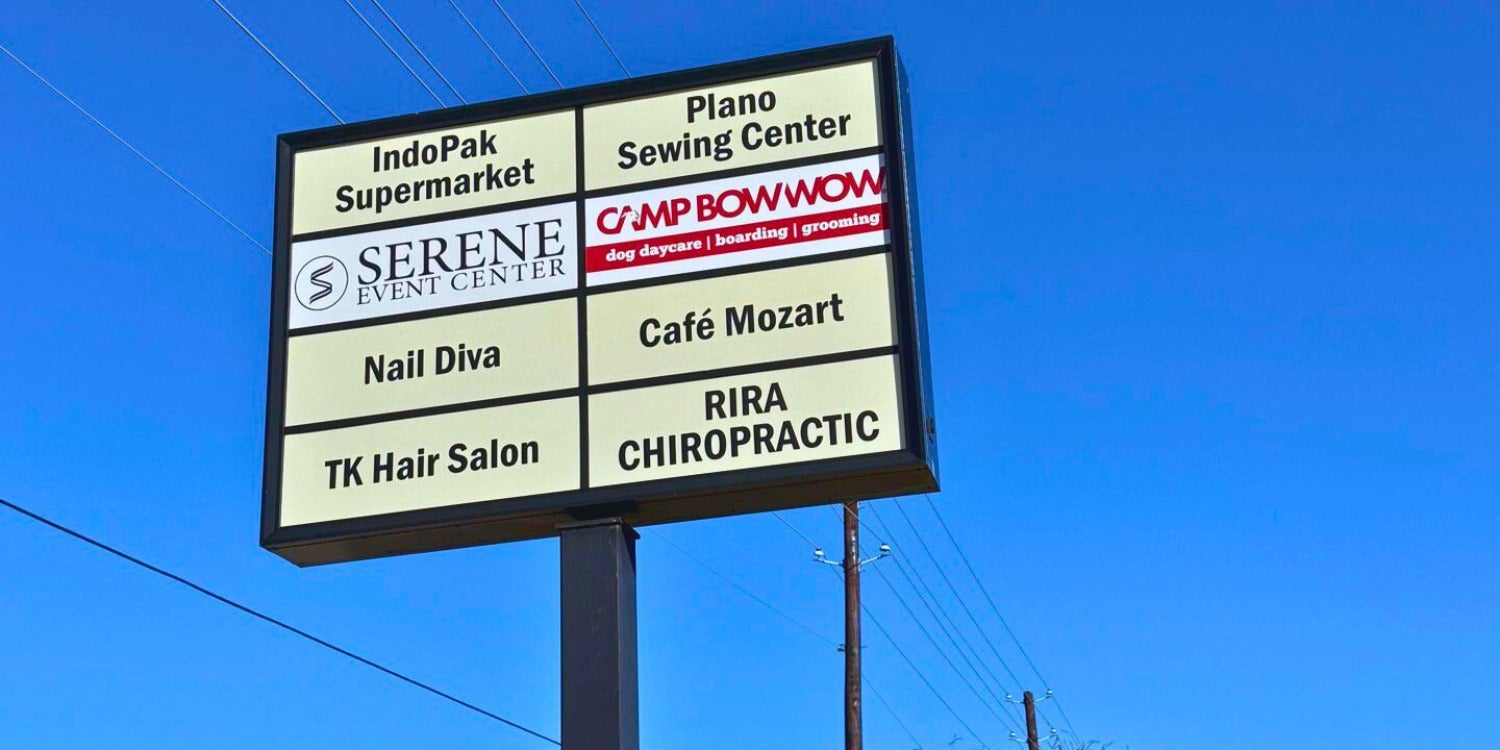
The best pylon sign height fits the site, the road, and the driver’s viewing window. In Danbury, that means starting with the applicable zoning limit and then testing traffic speed, viewing distance, setback, obstructions, letter size, approach direction, and sightlines before settling on a final dimension.
Signarama can help businesses plan custom pylon signs and roadside business signage around practical visibility and branding needs. Services can include design, production, and non-electrical sign installation based on the approved project scope.
Ready to evaluate a roadside sign for your property? Contact Signarama to discuss your signage needs and plan a custom sign for your Danbury, CT location.

Signarama Danbury, CT
contact
Signarama Danbury, CT