

Partial Car Wrap vs. Full Car Wrap: Which Coverage Makes Sense for Brookfield Business Vehicles?
Oct 16, 2026 by Signarama Danbury
A business vehicle does not need to be covered from bumper to bumper to work as an effective branding asset. The right car wrap strategy depends on how much visual control you need, how well the vehicle’s paint supports the design, what information drivers need to absorb, and how consistently the look must scale across future vehicles.
For Brookfield, CT businesses, the practical choice usually comes down to two approaches: a full car wrap that covers most painted exterior surfaces or a partial vehicle wrap that uses selected areas while allowing the original paint to remain visible. Neither option is automatically better.
The stronger choice is the one that gives your brand enough usable design area without adding coverage that does not improve recognition or communication.
What Is the Difference Between a Full and Partial Car Wrap?
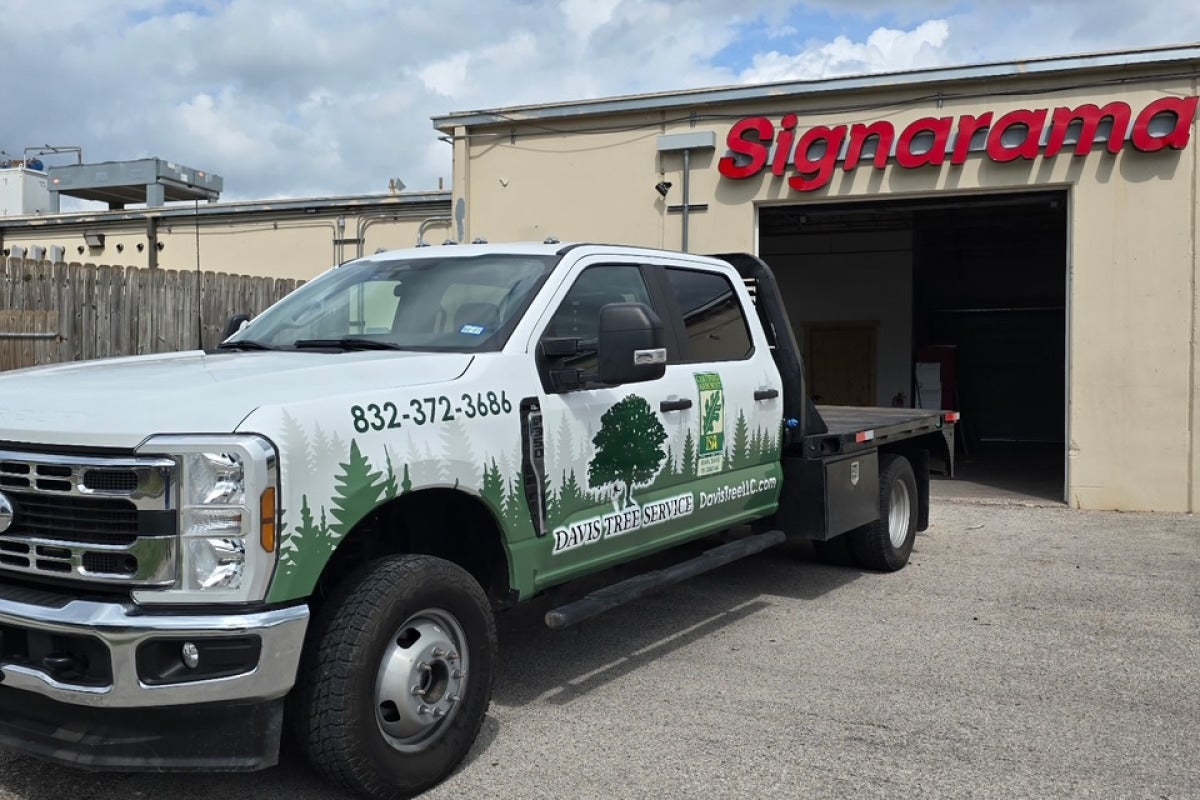
A full car wrap covers most of a vehicle’s painted exterior surfaces, creating a more complete visual transformation and giving designers greater control over color, graphics, and branding.
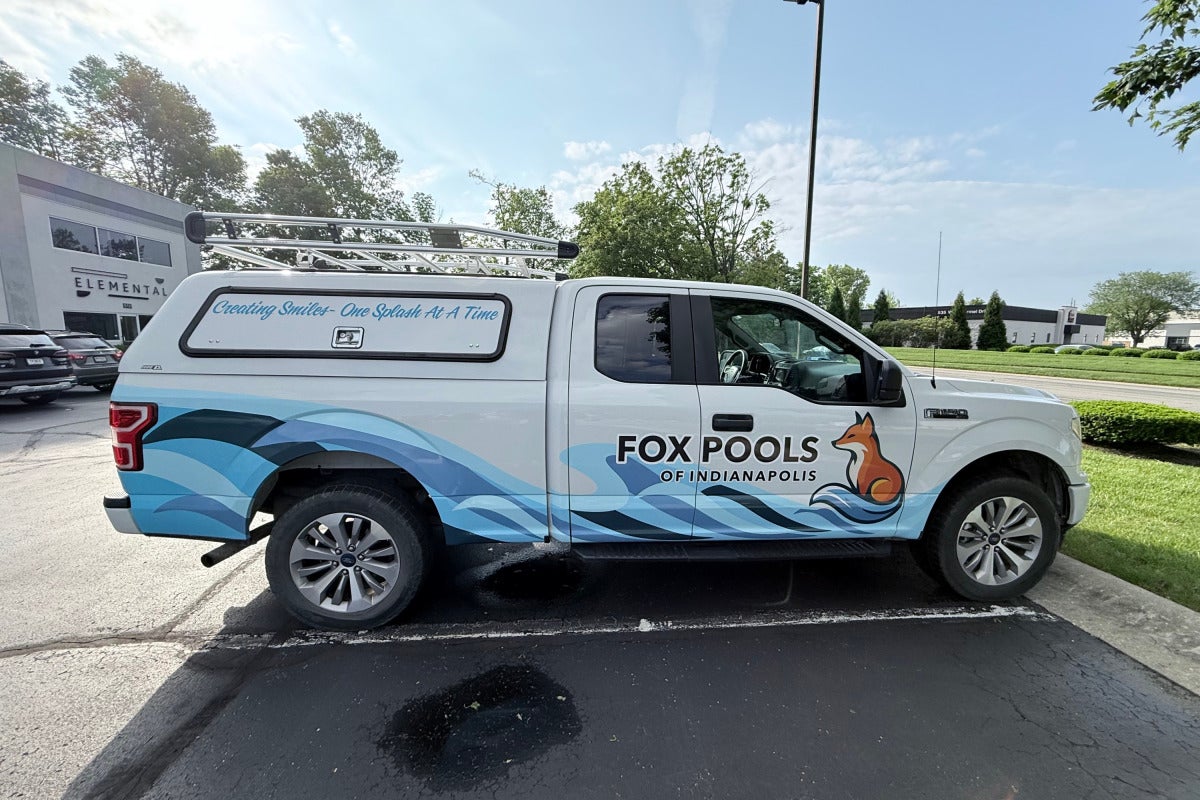
A partial vehicle wrap covers selected areas, such as doors, side panels, quarter panels, or the rear. The vehicle’s original paint remains visible and becomes part of the overall design.
The main difference is wrap coverage. Full wraps provide more usable design space and greater control over the vehicle’s appearance, while partial wraps rely more heavily on thoughtful vehicle paint integration and focused messaging.
Partial Car Wrap vs. Full Car Wrap at a Glance
Full wrap:
Covers most major painted exterior surfaces.
Gives broad control over color and background.
Works well when the vehicle color conflicts with the brand.
Supports large visual fields, gradients, textures, or immersive layouts.
Can make vehicles with different factory colors look more consistent.
Partial wrap:
Covers selected high-value surfaces.
Uses the vehicle’s original paint as part of the composition.
Works best when the base color supports the brand palette.
Encourages a focused message hierarchy.
The decision should not start with “How much vinyl do we want? "A better question is, how much coverage does the brand and message need?"
How Wrap Coverage Changes the Design
Coverage determines how much of the vehicle becomes controlled visual space. With a full wrap, designers can treat most of the body as one connected canvas. They can create strong color blocks, carry graphics across panels, and reduce the visual influence of the factory paint. This can help businesses with distinctive brand colors or vehicles purchased in different colors over time.
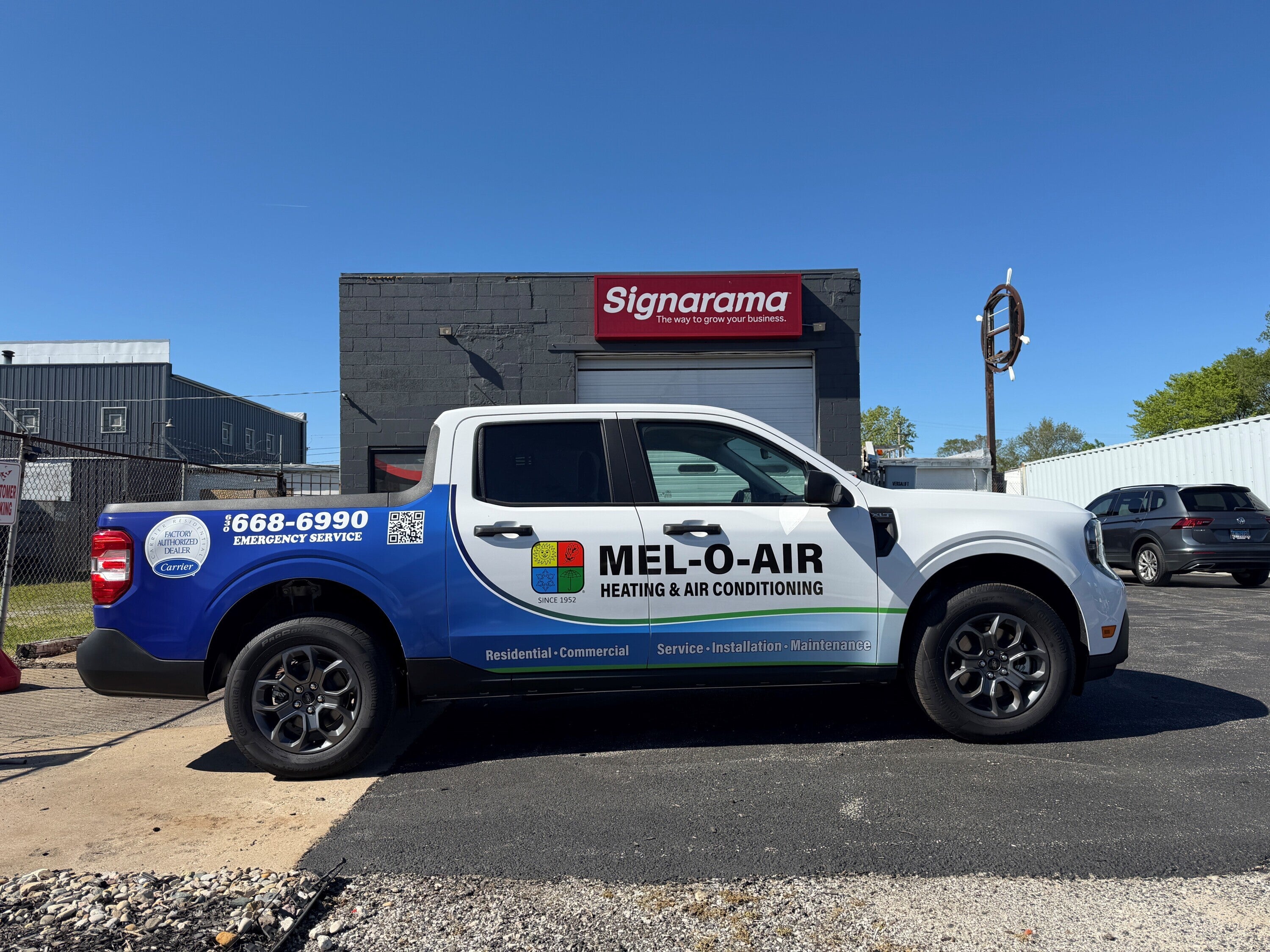
A partial wrap requires more deliberate vehicle paint integration. The original finish remains visible, so the wrap has to look intentional next to it. A white van may provide a clean background for a partial design built around dark lettering and a limited brand palette. A bright red or metallic vehicle may demand a different approach because the uncovered color will reshape the brand presentation.
A good partial-wrap design does not look like a full wrap with pieces removed. It should use body lines, negative space, panel breaks, and paint color as design elements from the beginning.
Which Option Gives You Enough Usable Design Area?
The amount of usable design area should match the amount of information you need to communicate.
A local service company may only need a business name, logo, primary service, phone number, and website. Those elements can often fit comfortably within a partial vehicle wrap if the sides and rear provide clean viewing zones.
A business with multiple service categories, large photography, or a strong visual campaign may need more space. Full coverage can give the designer room to separate messages instead of squeezing everything into a few panels.
More space does not justify more copy. Vehicle graphics are often viewed while vehicles are moving, so the core message should remain easy to recognize quickly.
When Vehicle Paint Integration Favors a Partial Wrap
A partial wrap becomes especially effective when the original paint already works with the brand.
Consider a Brookfield contractor with several white vans. If the brand uses white as a primary background color, the vehicle paint can function as intentional negative space. The wrap can concentrate on the sides and rear while maintaining a cohesive look.
Vehicle paint integration becomes harder when fleet colors vary. A blue pickup, white van, and silver SUV can make the same partial graphic appear very different. A full wrap may create stronger brand consistency because it controls more of the visible color.
How Fleet Consistency Changes the Decision
Fleet consistency depends on repeated visual cues: logo placement, brand colors, typography, contact information, graphic style, and the relative size of key elements. The graphics do not need to be identical on every body shape, but they should feel like members of the same family.
A partial vehicle wrap can work well for a mixed fleet when each vehicle shares a compatible paint color and the design uses repeatable zones. A full wrap can be useful when vehicle colors, body shapes, or factory finishes vary enough to undermine consistency.
The key is to design for the fleet, not simply copy one layout onto every vehicle.
How Future Vehicle Replacement Should Affect Wrap Planning
Commercial vehicles are eventually replaced, added, or reassigned. Your wrap strategy should anticipate that change.
Ask whether the design can transfer to a newer model without a complete visual rethink. Door shapes, handles, windows, wheel arches, body creases, and panel proportions change from model to model.
Partial wraps can be flexible when they rely on modular design zones rather than graphics that depend on exact panel-to-panel alignment. Full wraps can also scale well, but complex imagery or tightly aligned patterns may need more adaptation.
How to Choose Between a Partial and Full Car Wrap
Use this five-step framework before deciding how much coverage to specify.
1. Start With the Vehicle’s Base Color and Paint Condition
Ask whether the factory paint supports the brand palette. If it does, partial coverage may integrate naturally. If it clashes with the brand, full coverage may provide better color control.
Also inspect the paint itself. Damaged, peeling, or deteriorated paint can affect how well vehicle graphics apply and how the finished wrap looks.
2. Define the Minimum Message
List only the information a viewer must understand: business name, service category, primary contact method, and any essential supporting message.
If that information fits clearly on selected panels, a partial wrap may provide enough design area. If the brand requires a broader visual story, full coverage may offer more room.
3. Map the Usable Viewing Zones
Look at the vehicle from the side, rear, and common approach angles. Identify areas interrupted by handles, windows, wheel wells, body seams, trim, or equipment.
The nominal size of a panel is not always the same as usable communication space. Good wrap coverage prioritizes areas people can actually see and read.
4. Test the Design Across the Fleet
If you have multiple vehicles, compare body types and colors before approving the first wrap. Determine which visual elements must stay consistent and which can shift.
A design that works only on one van is not yet a fleet branding system.
5. Match Coverage to the Marketing Goal
Choose full coverage when broad color control, visual transformation, or cross-vehicle uniformity is central to the goal. Choose partial coverage when the vehicle paint supports the brand and a focused, readable message can do the job.
This keeps coverage tied to communication rather than treating “more” as automatically “better.”
Brookfield Business Scenarios: Which Coverage May Fit?
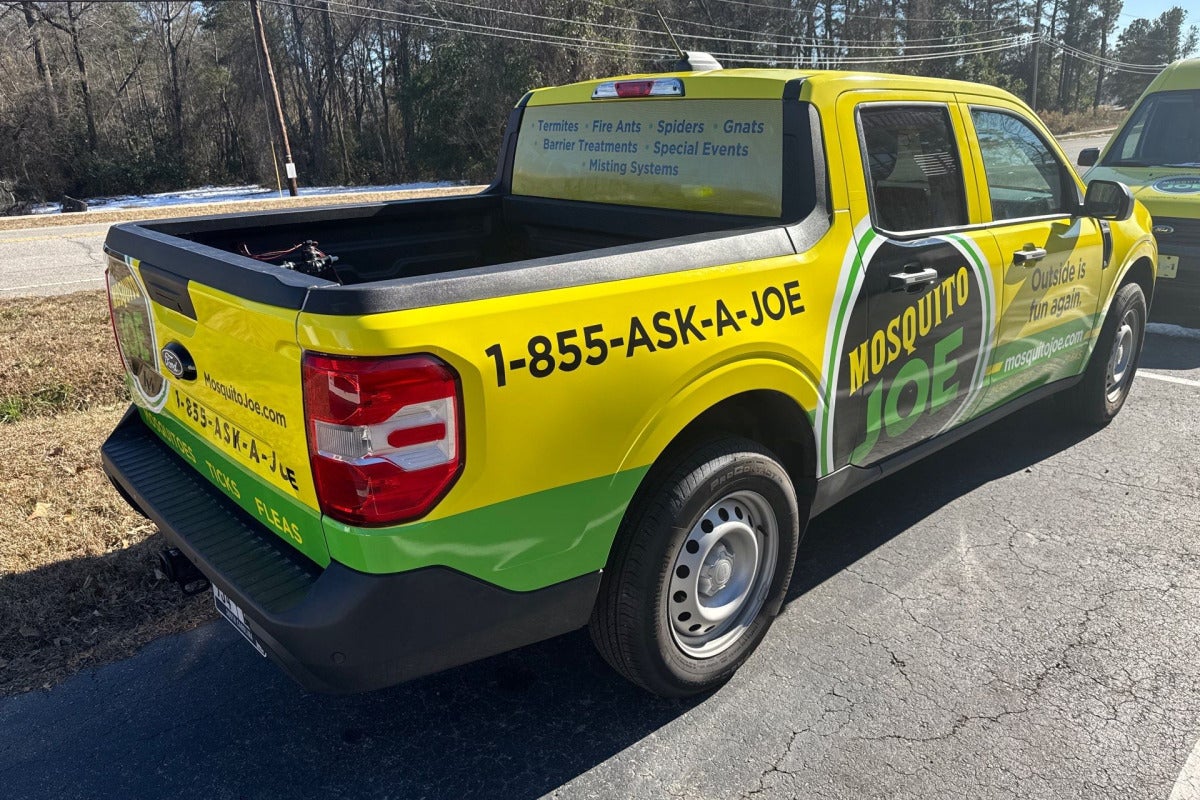
A home-service company with white vans may be well suited to partial wraps, using the paint as negative space while the sides and rear carry the logo, service category, and contact details.
A landscaping or construction company with pickups in several factory colors may benefit from broader coverage if it wants one consistent brand color across the fleet.
A professional service firm using a single SUV may prefer a restrained partial wrap focused on identification. A company that treats its vehicles as a major local advertising channel may choose a full car wrap for a more complete branded presence.
Maintenance Matters With Either Coverage Level
Full and partial wraps both require appropriate care. Coverage does not eliminate maintenance.
Regular cleaning helps keep vehicle graphics looking professional. Address dirt and contaminants promptly, and avoid harsh cleaning methods that could damage the graphic surface.
For business vehicles, care is also a branding issue. Dirt, damaged graphics, or lifting edges weaken the presentation regardless of how much of the vehicle is covered. Inspect graphics periodically and follow the care instructions provided for the specific film system used on your vehicle.
Frequently Asked Questions
Is a partial vehicle wrap less effective than a full wrap?
Not necessarily. A partial wrap can be highly effective when the vehicle color supports the design and the message fits comfortably within selected high-visibility areas. Effectiveness depends on clarity, placement, contrast, and brand consistency, not coverage percentage alone.
Can a partial wrap look as professional as a full car wrap?
Yes. The design must treat the original paint as part of the composition. Intentional transitions, balanced negative space, and disciplined message hierarchy can create a cohesive finished look.
When is a full wrap the better choice?
A full wrap may fit better when the factory paint conflicts with brand colors, the business wants a major visual transformation, the design needs a larger continuous canvas, or different vehicle colors need to look more consistent as a fleet.
Can the same wrap design be used on every vehicle?
The brand system can stay consistent, but the exact layout usually needs adjustment. Vans, pickups, SUVs, and cars have different proportions, doors, windows, handles, and body lines. The goal is consistent recognition, not identical scaling.
Should I choose coverage based mainly on price?
Price matters, but it should not be the only factor. Start with the required message, design area, vehicle color, fleet consistency, replacement plans, and marketing goals. Then choose the amount of coverage that supports those needs.
Choose the Car Wrap Coverage That Supports the Brand
For Brookfield businesses, the right car wrap creates a clear, repeatable brand presentation on the vehicles you actually operate.
Choose a partial vehicle wrap when the factory paint works with your brand, your message is focused, and selected panels provide enough usable space. Choose a full wrap when you need stronger color control, broader visual continuity, or a more complete transformation across different vehicles.
Signarama Brookfield can help you evaluate vehicle shape, wrap coverage, paint integration, message hierarchy, and fleet consistency before the design moves into production. Discuss your signage needs and plan a custom vehicle graphic approach that fits your business vehicles and branding goals.

Signarama Danbury, CT
contact
Signarama Danbury, CT