

Fall and Winter Outdoor Sign Visibility in Millwood, NY: Designing for Earlier Darkness
Oct 20, 2026 by Signarama Millwood
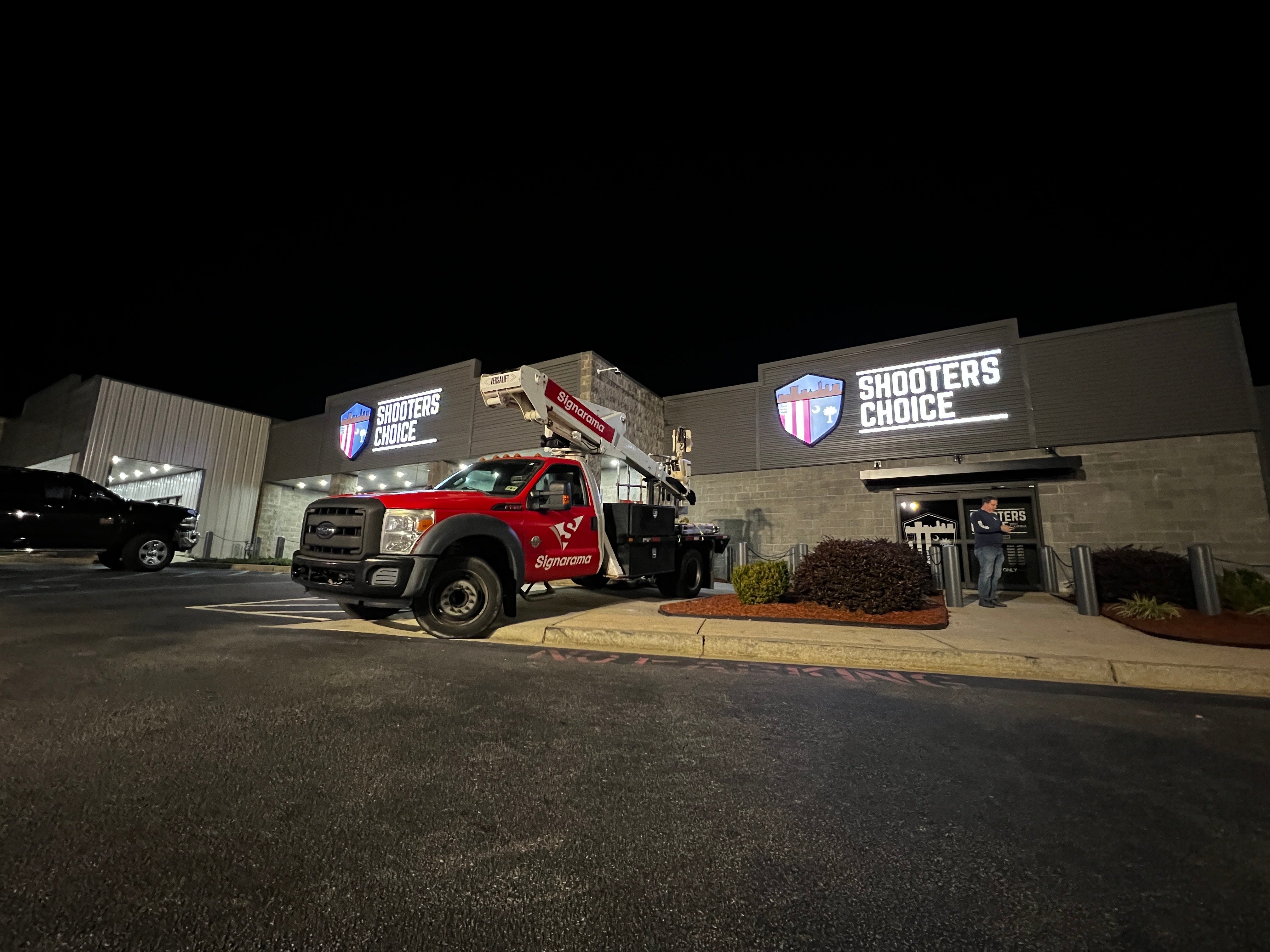
As fall moves into winter, outdoor signs in Millwood face changing viewing conditions. Shorter days, earlier dusk, wet pavement, low-angle sun, dirt, and fading can all affect how quickly drivers and pedestrians recognize a business.
The key question is whether the sign remains readable and recognizable as daylight fades. A sign that performs well in summer may lose contrast during late winter afternoons.
A practical fall inspection should focus on contrast, surface condition, nighttime visibility, and existing illumination. Businesses should also confirm that illuminated signage follows Town of New Castle requirements for glare and visible light sources.
Why Fall and Winter Change Outdoor Sign Visibility
Shorter Daylight Hours
Outdoor signs have to perform under changing conditions once daylight hours shorten. In fall and winter, more customers may approach a storefront, office, restaurant, or commercial property after dusk, even during normal business hours.
More Visual Competition After Dark
As the background becomes darker, headlights, streetlights, parking-lot lights, and illuminated windows become more noticeable. These competing light sources can make a business sign harder to recognize quickly.
Seasonal Weather Affects Visibility
Rain, snow, road salt, dirt, leaves, and moisture can also affect sign visibility. Snow may cover lower sign elements, while dirt and weathering can reduce contrast and mute brand colors.
Customer Approach Becomes More Important
Seasonal visibility should be judged from the routes and angles customers actually use. A sign that looks clear up close may perform differently when viewed from the road in lower light and changing weather.
What Usually Makes a Business Sign Harder to Read at Dusk?
Several common weaknesses become more noticeable as daylight fades.
Low Contrast Between Copy and Background
A sign may look polished up close but still be hard to read from the road when the lettering and background are too similar in value. Strong contrast helps drivers recognize letter shapes, business names, logos, and entrance information more quickly.
Thin Letterforms and Small Secondary Copy
Thin fonts, taglines, service lists, suite numbers, and other small details can lose clarity at dusk, especially from a distance. For roadside signage, the business name and essential directional information should remain the strongest visual elements.
Dirty, Faded, or Weathered Sign Faces
Dirt, fading, and weathering can weaken contrast and mute brand colors, making a sign less readable in lower light. Regular cleaning and condition checks can help maintain visibility as seasonal conditions change.
Uneven or Excessive Illumination
Too much or poorly controlled light can create glare, hot spots, and reduced legibility. New Castle requires permitted sign lighting to be directed toward the sign surface and shielded from streets and nearby residential areas, while flashing, rotating, and intermittent illumination is prohibited.
How to Inspect Outdoor Signs for Fall and Winter Visibility
A seasonal sign check is most useful when it follows the same path a customer would take.
Step 1: Review the Sign in Full Daylight
Check for fading, dirt, damaged graphics, peeling vinyl, blocked sightlines, loose panels, or overgrown landscaping. View the sign from the distance where customers first notice the property and confirm that the main message reads clearly.
Step 2: Return at Dusk
Inspect the same sign as daylight fades. Check whether the business name still stands out and whether parking-lot lights, streetlights, windows, or headlights reduce contrast or legibility.
Step 3: View the Sign From Each Approach Direction
Approach the property from the routes customers actually use. Consider sign angle, setback, traffic speed, parked vehicles, landscaping, utility poles, and whether drivers can easily identify the correct entrance.
Step 4: Check Existing Illumination
If the sign uses permitted illumination, look for glare, uneven lighting, dark areas, visible light sources, or light spilling beyond the sign face. Increasing brightness is not always the answer, and any electrical inspection or repair should be handled by a qualified electrical professional.
Step 5: Photograph Daytime and Dusk Conditions
Take photos from the same position in daylight and at dusk. Matching viewpoints make it easier to compare contrast, obstructions, surrounding light, and overall visibility.
Step 6: Prioritize the Weakest Viewing Condition
Design around the most difficult customer approach, not the easiest one. If the sign is partly blocked, viewed at an angle, or surrounded by competing lights, that condition should guide any improvements.

Where Reflective Materials Can Help
Reflective materials can support low-light visibility by returning light toward its source, such as vehicle headlights. This can make certain signs easier to notice after dark without relying on internal illumination.
At Driveway and Property Entrances
Reflective materials can help drivers identify entrances, access points, and turns when approaching a property after dark.
In Parking Areas
Parking signs and space-identification signs may benefit from reflective materials where headlights provide much of the available light.
Along Internal Directional Routes
Directional signs placed along drive aisles, private roads, or multi-building properties can use reflective materials to make arrows and wayfinding messages easier to notice at night.
Near Safety or Access Points
Reflective graphics may also be useful near loading areas, restricted-access points, or other locations where clear identification is important in low-light conditions.
Reflective materials are not a universal replacement for sign illumination. Their effectiveness depends on viewing angle, headlight position, sign orientation, material type, surface condition, and available light.
How Contrast and Message Hierarchy Improve Nighttime Visibility
Contrast Separates the Message From the Background
Strong contrast makes letters, logos, and symbols easier to distinguish as daylight fades. When text and background colors are too similar, important details can blend together and become harder to read.
Message Hierarchy Directs Attention
A clear hierarchy tells viewers what to notice first, second, and third. Making the business name the most prominent element helps drivers recognize the property before processing smaller details such as a category, suite number, or entrance message.
Both Improve Quick Recognition
Contrast helps viewers see the information, while hierarchy helps them understand it in the right order. Together, they reduce visual confusion and make outdoor signs easier to recognize during short viewing windows.
Both Reduce the Effect of Visual Clutter
When a sign uses strong contrast and a clear hierarchy, secondary details are less likely to compete with the main message. This becomes especially important at dusk, when headlights, streetlights, windows, and surrounding signs can create additional visual competition.
What New Castle’s Sign Illumination Rules Mean for Millwood Businesses
Millwood is within the Town of New Castle, so local sign planning should account for the Town’s current zoning requirements. Under New Castle’s sign regulations, illumination is permitted only for specified sign types and locations.
Where allowed, lighting must be confined to or directed at the sign surface. Flashing, rotating, and intermittent illumination is prohibited. Lighting must also be designed and shielded so its sources are not visible from the street or a neighboring residence district.
The code further restricts interior illumination. In general, it must be confined to lettering or symbols. Illumination of a sign background may be considered when it does not create distracting glare or negatively affect surrounding properties.
For signs regulated under the business and industrial provisions, illumination is limited to no later than 10:00 p.m. or the close of business, whichever is later.
Before changing sign lighting, businesses should confirm the sign type, zoning context, approval requirements, and current code language with the Town of New Castle.
Fall and Winter Outdoor Sign Inspection Checklist
Use this checklist before the shortest days of the year:
View the sign from the main customer approach in daylight.
Repeat the same view at dusk and after dark.
Check whether the business name remains the strongest visual element.
Look for faded colors, dirty faces, peeling graphics, or damaged materials.
Confirm that landscaping, snow storage areas, parked vehicles, or seasonal decorations do not block the sign.
Check whether secondary copy becomes unreadable before the main message.
Review existing permitted illumination for hot spots, glare, spill, or visible light sources.
Confirm that any lighting schedule aligns with current local requirements.
Compare daytime and dusk photographs from the same position.
Flag issues that affect driver recognition, entrance identification, or brand consistency.
This gives property managers and business owners a repeatable way to evaluate performance each fall instead of waiting for customer confusion to reveal a problem.

Frequently Asked Questions
Can a Millwood business update only the sign face instead of replacing the entire sign?
Sometimes. The right approach depends on the sign type, existing condition, graphics, and scope of the proposed change. A site review can help determine whether a face or graphic update is sufficient.
Should tenants get property approval before changing business signs in Millwood?
Businesses in leased or managed properties should confirm any landlord or property-manager requirements before making changes. Property standards may affect the design, mounting, placement, or appearance of business signs.
Can temporary seasonal graphics support permanent outdoor signs?
Yes. Banners, window graphics, or temporary decals can support short-term seasonal messaging without replacing permanent outdoor signs. The appropriate option depends on the property, placement, visibility needs, and applicable requirements.
What should a business bring to a seasonal sign consultation?
Useful materials include current sign photos, logo files, property images, approximate measurements if available, and notes about customer approach or entrance-identification concerns.
Do multi-tenant properties need a different winter sign review?
They may. Shared properties often need to consider property identification, tenant panels, directories, and entrance cues together so the signage remains easy to understand as viewing conditions change.
Improve Outdoor Sign Visibility for Shorter Days in Millwood, NY
Earlier darkness can expose visibility issues that are easy to miss in summer. Millwood businesses should review viewing distance, dusk contrast, sign condition, surrounding lights, and permitted illumination.
Signarama can help with outdoor signs and business signs focused on readability, materials, placement, and brand consistency. Electrical sign work should be handled by a qualified electrical professional.
Discuss your signage needs with Signarama to keep your sign clear and recognizable through fall and winter.

Signarama Millwood, NY
contact
Signarama Millwood, NY