

Illuminated Business Signs in Millwood, NY: Visibility, Glare, and New Castle’s Lighting Rules
Oct 15, 2026 by Signarama Millwood
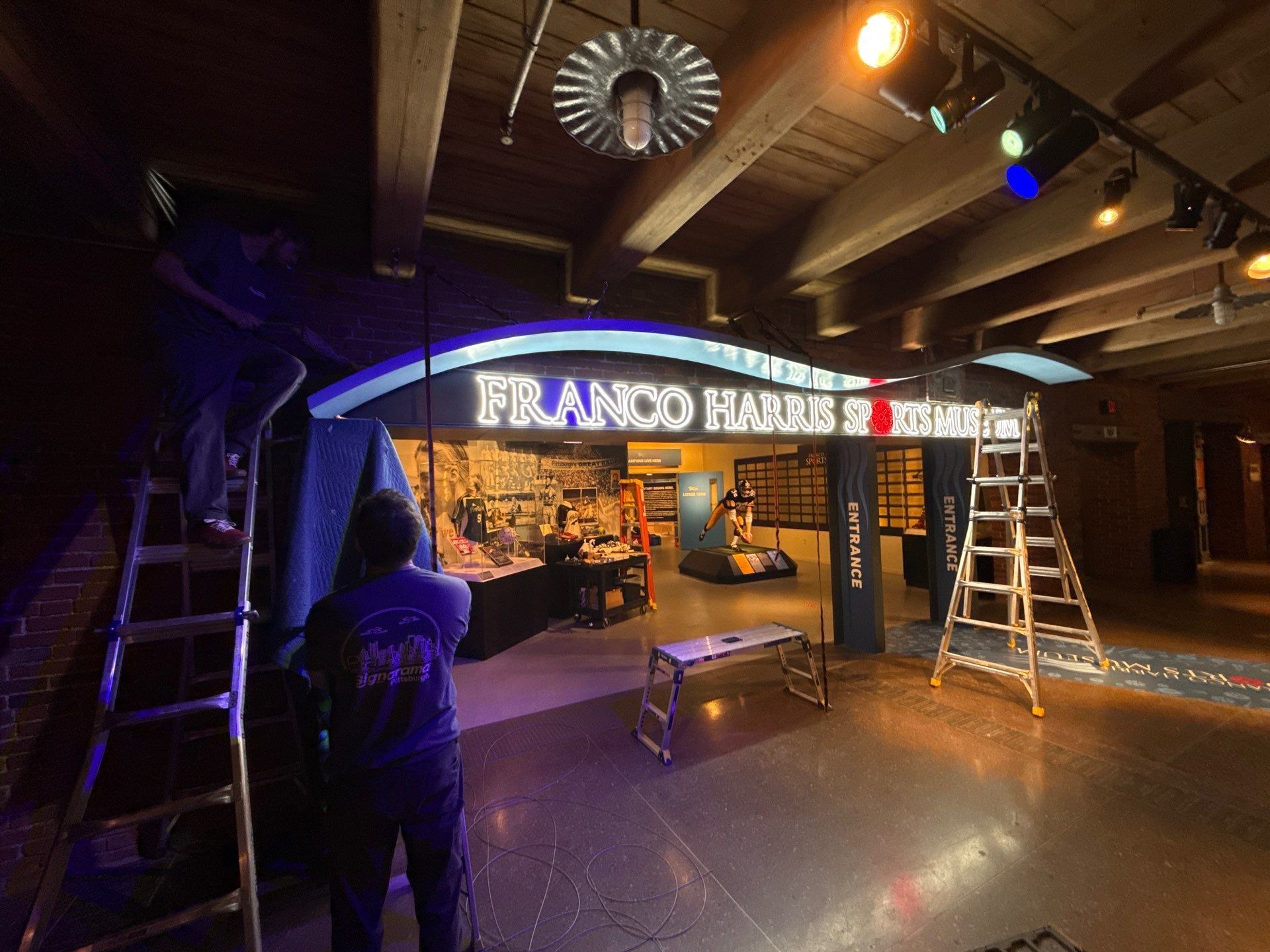
Illuminated business signs can improve nighttime visibility, but in Millwood, NY, they must also account for New Castle’s rules on glare, shielding, light direction, sign type, and operating hours. The goal is clear visibility without excessive brightness or spill light.
Under Town Code § 60-410D(15), lighting must be directed toward the sign, while flashing, rotating, and intermittent effects are prohibited. Light sources must also be shielded from streets and neighboring residence districts, making these requirements important from the earliest design stage.
What Do New Castle’s Lighting Rules Mean for Illuminated Business Signs?
Keep Illumination Focused on the Sign
An illuminated sign should light the message without broadcasting the light source into the surrounding area. Town Code § 60-410D(15)(a) requires illumination to stay on the sign surface and prohibits flashing, rotating, or intermittent lighting.
Shield Light From Streets and Nearby Properties
Lighting must be designed so the source is not visible from the street or neighboring residence districts. Proper shielding helps control spill light while keeping the sign readable after dark.
Limit Glare From Illuminated Backgrounds
New Castle generally limits interior illumination to lettering and symbols unless the approving authority determines that a lit background will not create distracting glare or negatively affect surrounding properties. For Millwood businesses, the goal is to maintain nighttime legibility while keeping brightness controlled and localized.
Why Glare Control Matters for Outdoor Signs
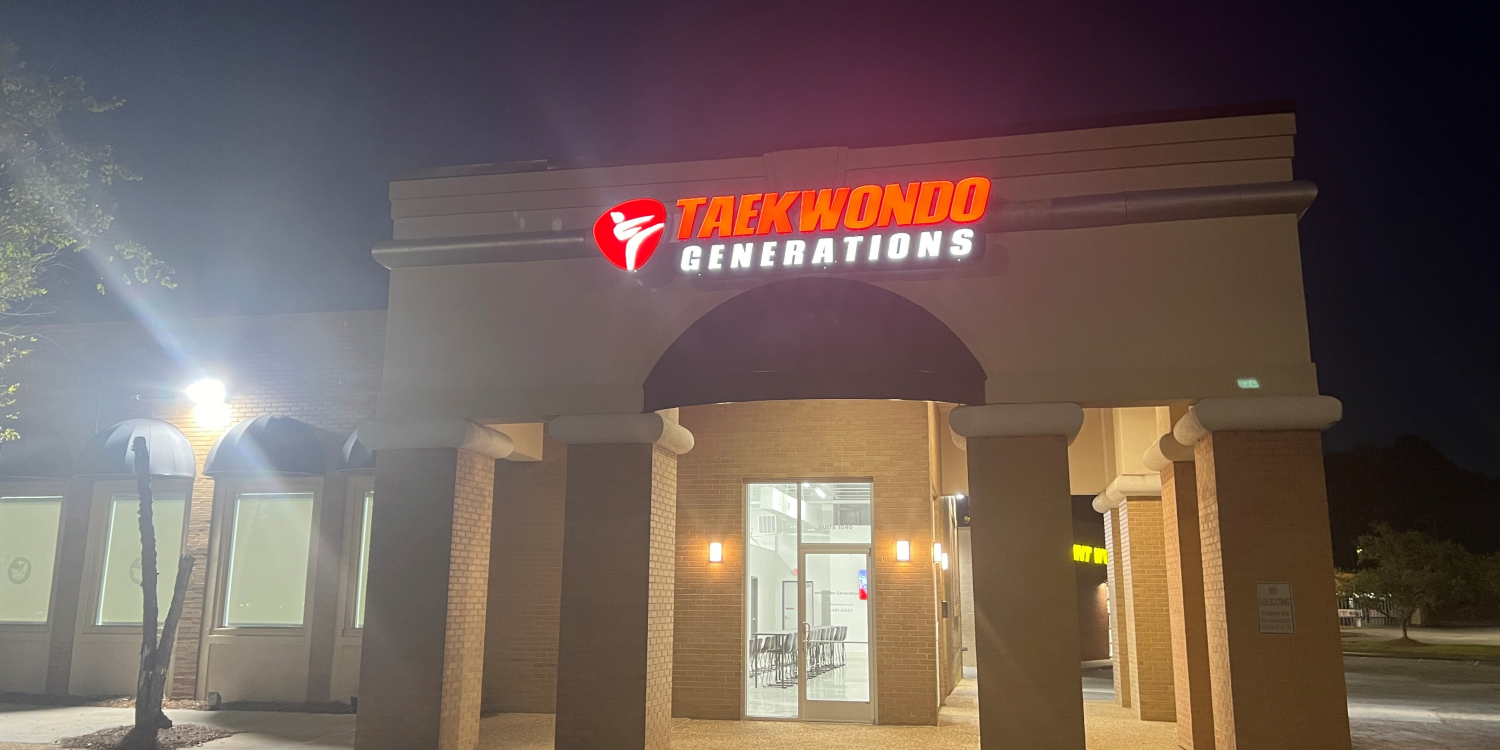
Visibility and Glare Are Not the Same
Visibility helps drivers and pedestrians identify a business. Glare occurs when the light itself becomes more noticeable than the sign message.
Excessive Brightness Can Reduce Readability
Bright backgrounds, exposed light sources, and poorly aimed fixtures can lower contrast, distract from the message, and create spill light on pavement, windows, or nearby properties.
Evaluate Outdoor Signs in Real Viewing Conditions
Glare control should be assessed from the road, not just from directly in front of the sign. Designers should consider traffic approach, viewing angle, sign height, ambient lighting, reflective materials, nearby residences, and competing light sources when evaluating outdoor signs in Millwood.
Shielding and Light Direction: Two Core Design Requirements
Control Direct Views of the Light Source
Shielding helps prevent drivers, pedestrians, and nearby properties from seeing the light source directly. The fixture or sign construction should contain and control the illumination rather than expose a bright bulb, lamp, or internal light source.
Aim Light Toward the Sign Face
Light direction determines where illumination travels. New Castle’s standards favor lighting that stays focused on the sign face instead of spilling toward the road, neighboring properties, or the sky.
Position External Fixtures Carefully
For externally illuminated business signs, fixture placement affects both appearance and light control. Fixtures should provide even coverage without exposing bright light to approaching traffic or allowing excessive spill beyond the sign panel.
Manage Light Within Internally Illuminated Signs
For internally illuminated signage, the cabinet, face material, letter construction, and lighting layout influence how much light escapes. If the design includes an illuminated background, the applicant may need to show that it will not create distracting glare or negatively affect surrounding properties.
How to Plan Illuminated Signage in Millwood
A good process starts with the site and the code before moving into final artwork. These steps can reduce redesigns and help keep the sign focused on both readability and local requirements.
Step 1: Confirm the Zoning District and Sign Type
Start by identifying the property’s zoning district and the type of sign being proposed. New Castle regulates signs differently depending on location and sign category. Illumination is permitted only in the circumstances described by the code, including certain development identification signs and qualifying signs in business and industrial districts.
The sign type also affects who reviews the application. Under § 60-410D(18), the Board of Architectural Review is generally the approving authority for sign permits, while the Planning Board handles the initial placement or relocation of freestanding signs and receives an architectural recommendation from the Board of Architectural Review.
Step 2: Map the Nighttime Viewing Conditions
Review how customers actually approach the property after dark. Note the main driving direction, sign setback, nearby intersections, existing street lighting, landscaping, parked vehicles, windows, and residential properties.
Step 3: Design for Contrast Before Adding Brightness
A readable sign should not depend on raw light output. Letter height, typeface, spacing, foreground-to-background contrast, and message length all influence how quickly a sign can be understood.
Step 4: Control the Light Source
Choose a lighting approach that keeps the source from being directly visible from the street or neighboring residential districts. For external illumination, that means careful fixture selection, positioning, beam control, and shielding. For internal illumination, it means controlling light transmission through the sign face and avoiding unnecessarily bright background areas.
LED signs and LED-based illumination can offer precise, even lighting, but the technology does not change the local requirements. The finished sign still has to comply with New Castle’s restrictions on glare, shielding, and lighting effects.
Step 5: Avoid Flashing or Attention-Seeking Light Effects
New Castle does not permit flashing, rotating, or intermittent sign illumination. A sign concept should therefore use steady, controlled lighting rather than blinking, chasing, pulsing, or rotating effects.
Step 6: Plan the Operating Schedule
For signage regulated under § 60-410D(13), illumination is limited to no later than 10:00 p.m. or the establishment’s closing time, whichever is later.
That schedule should be built into the operating controls from the start.
Step 7: Prepare the Sign Permit Materials Carefully
New Castle requires sign permit submissions through the Town Building Department. For illuminated and other sign types covered by § 60-410D(19)(c), the application materials include site information, sign elevations or renderings, dimensions, materials, colors, photographs, and details of illumination when applicable.
Clear lighting details help reviewers evaluate shielding, visual impact, and glare from the proposed design.
LED Signs Still Need a Site-Specific Lighting Strategy
LED technology is common in modern illuminated signage because it can provide consistent light output in a compact format. However, “LED” describes the light source, not whether a sign concept fits New Castle’s requirements.
A well-planned LED sign still needs appropriate brightness, diffusion, shielding, and placement. The illumination should support the letterforms or symbols instead of creating a glowing field that overwhelms the message. Designers also need to consider nighttime contrast. White or very light sign faces can appear much brighter after dark than they do during the day, especially in areas with limited ambient lighting.
Nighttime performance should be designed in from the start. Material selection, face opacity, letter depth, fixture position, and spacing can all affect glare control and visual balance.
Architectural Review Is Part of the Sign Planning Process
How the Review Process Works
The Town of New Castle reviews exterior changes to help make sure signs fit the building and surrounding area. This can include storefront signs and other exterior signage.
Freestanding Signs May Follow a Different Process
Most sign applications go through the Board of Architectural Review. Freestanding signs may also involve the Planning Board, depending on the project and where the sign will be placed.
Make the Sign Fit the Property
Illuminated business signs should feel like part of the building, not an added-on feature. Size, placement, color, materials, and lighting should work well with the storefront and overall property.
Check Requirements Before Finalizing the Design
Before moving forward, businesses should confirm the current review process with the Town. The steps may vary depending on the sign type and site.
Common Design Mistakes With Illuminated Business Signs
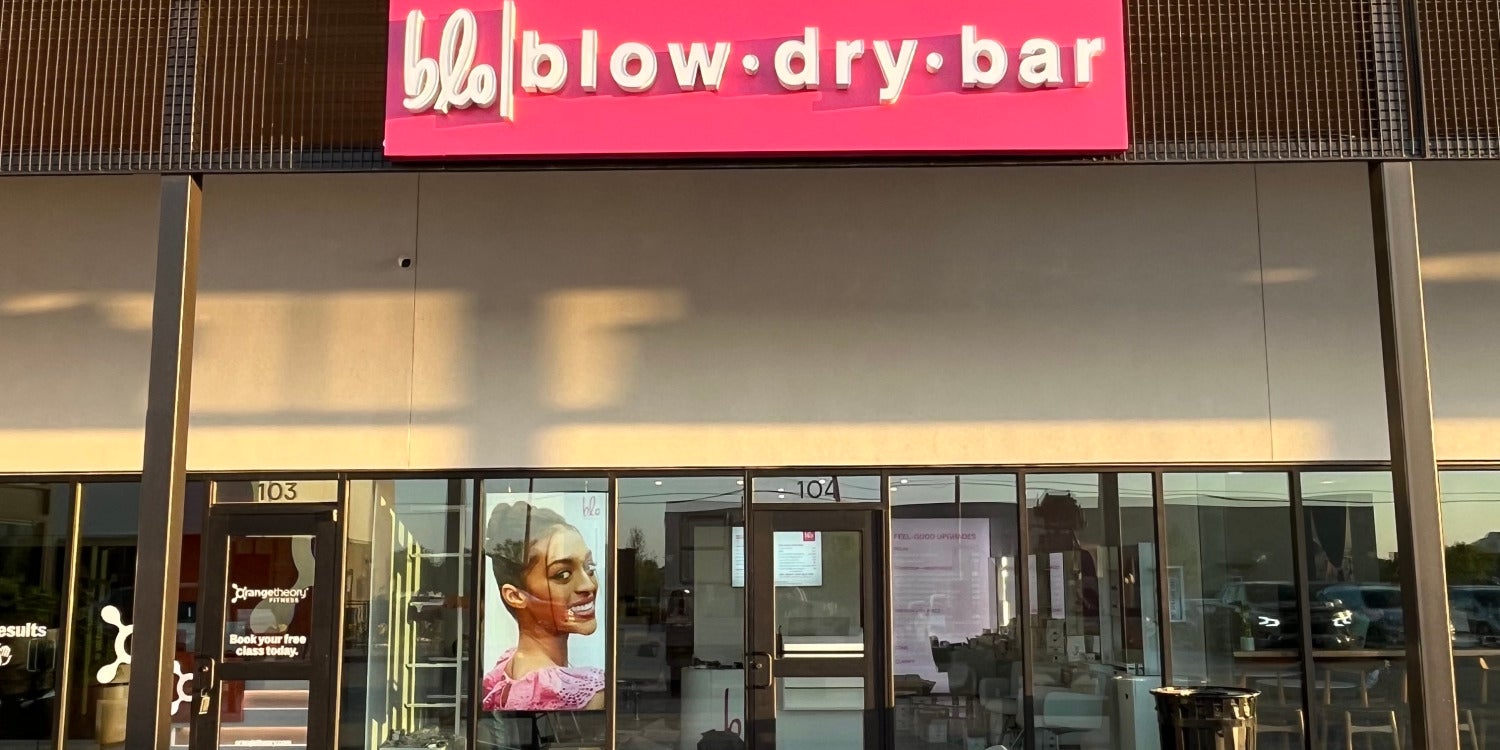
Adding Too Much Information
An illuminated business sign should be easy to understand quickly. Long taglines, multiple phone numbers, and too many service details can make the message difficult to process, especially from a moving vehicle.
Using Lettering That Is Too Small or Complex
Decorative fonts, thin strokes, and undersized lettering may look appealing up close but become difficult to read from the road. Clear letterforms and adequate spacing generally support better visibility.
Choosing Weak Color Contrast
Lighting cannot fully compensate for poor contrast between the lettering and background. Colors that appear distinct during the day may blend together after dark, so the design should be evaluated under nighttime conditions as well.
Treating Brightness as the Main Solution
Increasing light output does not automatically improve readability. A better approach is to combine appropriate brightness with strong contrast, simple messaging, and a clear visual hierarchy.
Designing Without Considering the Entire Storefront
The sign should work with the building’s architecture, colors, windows, and surrounding signage. Treating it as a separate design element can make the storefront feel visually disconnected or crowded.
Frequently Asked Questions
Can an existing business sign in Millwood be converted to an illuminated sign?
It may be possible, depending on the sign’s construction, condition, mounting, and site requirements. The proposed change should also be reviewed against applicable New Castle sign rules before moving forward.
How can seasonal conditions affect illuminated outdoor signs in Millwood?
Rain, snow, dirt, and changing ambient light can affect contrast and nighttime visibility. Outdoor signs should be evaluated for year-round viewing conditions, not just how they appear in ideal weather.
Can multi-tenant properties use illuminated business signs in Millwood?
They may be an option depending on the property, sign type, available sign area, and applicable local requirements. A coordinated design can also help keep multiple tenant names readable without creating visual clutter.
What maintenance helps illuminated signage stay readable?
Routine cleaning and periodic checks for damaged sign faces, uneven illumination, or worn components can help maintain visibility. Electrical service should be handled separately by an appropriately qualified provider.
What should tenants confirm with a landlord before ordering an illuminated sign?
Tenants should review any lease or property requirements covering sign placement, dimensions, mounting, and appearance. Addressing those details early can reduce conflicts before the sign moves into local review.
Improve Visibility With Controlled Illumination
Effective illuminated business signs balance readability, light control, shielding, and nighttime visibility rather than relying on maximum brightness.
For Millwood businesses, New Castle’s rules make that balance especially important. Lighting should stay focused on the sign, avoid prohibited flashing or intermittent effects, control glare, and follow applicable operating-hour requirements.
Signarama can help businesses develop custom outdoor signs around the site, brand, viewing conditions, and local sign requirements. Electrical sign work should be handled separately by appropriately qualified providers.
Discuss your signage needs with Signarama to create a sign that supports nighttime visibility while accounting for glare control and New Castle’s sign standards.

Signarama Millwood, NY
contact
Signarama Millwood, NY