The Vital Importance of Construction Signs: Ensuring Safety and Efficiency on the Worksite
Sep 15, 2024 by Nonna Kofman
Construction sites are bustling with activity, workers, heavy equipment, and materials constantly in motion. In this setting, construction signs have a vital role in ensuring safety and keeping the workflow efficient. The importance of construction signs cannot be overstated, as they serve as crucial reminders and warnings for workers and visitors on site.
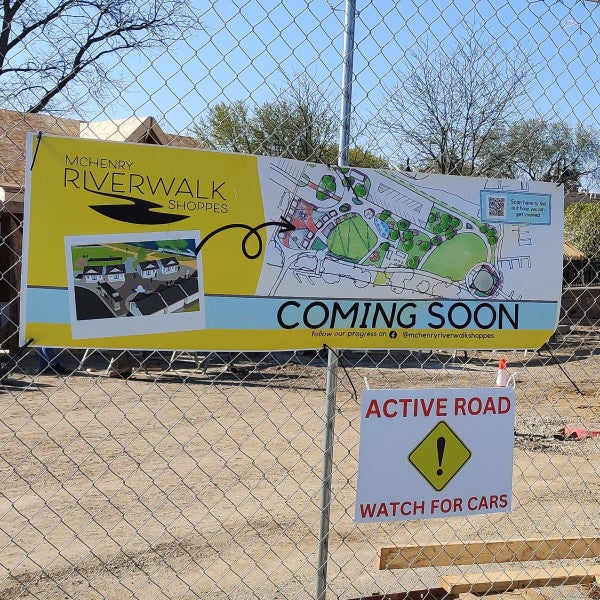
Construction signs communicate important information such as speed limits, hazards, and restricted areas, acting as visual cues that guide people around potential dangers. By highlighting potential risks, construction signs help to prevent accidents and injuries, safeguarding the well-being of everyone involved.
Additionally, construction signs contribute to the overall efficiency of the worksite. They serve as visual aids, guiding workers to the correct locations, and displaying essential information like project timelines or safety protocols. This helps to streamline operations, minimize confusion, and enhance productivity.
In summary, construction signs are essential for promoting safety and efficiency on construction sites. By implementing clear and effective signage, companies can prioritize the well-being of their workers, reduce accidents, and ensure projects are completed on time and within budget.
The role of construction signs in ensuring safety and efficiency.
Construction sites are inherently dangerous environments, with heavy machinery, moving vehicles, and a constant flow of workers and materials. In this chaotic setting, construction signs play a vital role in maintaining safety and efficiency. These visual cues act as a critical communication tool, informing everyone on the worksite of potential hazards, designated pathways, and crucial safety protocols.
By clearly delineating restricted areas, speed limits, and the location of safety equipment, construction signs help to minimize the risk of accidents and injuries. They serve as constant reminders to workers, contractors, and visitors, ensuring that everyone is aware of the potential dangers and takes the necessary precautions. This heightened awareness and adherence to safety measures can significantly reduce the number of incidents on the worksite, protecting the well-being of all individuals involved.
Moreover, construction signs contribute to the overall efficiency of the worksite. They provide clear directional guidance, directing workers and vehicles to the appropriate areas for loading, unloading, and material storage. This streamlines the flow of operations, reducing bottlenecks and delays that can impact the project timeline. By ensuring that everyone on the site is informed and following the established protocols, construction signs help to optimize the use of available space and resources, ultimately enhancing productivity and reducing costs.
Understanding the different types of construction signs.
Construction sites utilize a wide variety of signs to communicate essential information to workers, contractors, and visitors. These signs can be broadly categorized into several key types, each serving a specific purpose in maintaining safety and efficiency.
Regulatory signs, such as speed limit signs and stop signs, establish the rules and guidelines that must be followed on the worksite. These signs help to control the flow of traffic, both vehicular and pedestrian, ensuring that everyone moves through the site in a safe and orderly manner.
Warning signs, on the other hand, alert individuals to potential hazards, such as overhead work, falling objects, or uneven terrain. These signs are crucial in helping workers and visitors identify and avoid dangerous areas, reducing the risk of accidents and injuries.
Informational signs provide critical details about the construction project, including project timelines, safety protocols, and the location of important facilities like first aid stations or emergency exits. By keeping everyone informed, these signs contribute to the overall efficiency and organization of the worksite.
Legal requirements for construction signs.
The use of construction signs is not only a best practice but also a legal requirement in most jurisdictions. Occupational Safety and Health Administration (OSHA) have established specific guidelines and standards for the design, placement, and maintenance of construction signs.
These legal requirements ensure that construction sites adhere to a minimum level of safety and communication, protecting both workers and the public. Failure to comply with these regulations can result in hefty fines and, in some cases, the suspension of the construction project until the necessary signage is in place.
By adhering to these legal requirements, construction companies demonstrate their commitment to safety and responsible practices. Moreover, the standardization of construction signs across different worksites and jurisdictions helps to ensure that workers and visitors can easily recognize and interpret the information being conveyed, further enhancing safety and efficiency.
The importance of clear and visible signage on the worksite.
Effective construction signs must be clear, visible, and easily understood by everyone on the worksite, regardless of their familiarity with the site or their native language. This is crucial in ensuring that the intended message is conveyed and that the necessary safety and operational protocols are followed.
The design and placement of construction signs play a vital role in their visibility and legibility. Signs should be large enough to be easily read from a distance, with high-contrast colors and simple, straightforward messaging. The use of internationally recognized symbols and pictograms can also help to overcome language barriers and ensure that the information is accessible to all.
Proper placement of construction signs is equally important. Signs should be strategically positioned at key decision points, such as entrances, intersections, and areas with heightened risk, to ensure that they are readily visible and easily referenced by workers and visitors. Additionally, regular maintenance and cleaning of the signs are crucial to maintain their effectiveness, as weathering and dirt can diminish their visibility over time.
Using construction signs to communicate hazards and precautions.
One of the primary functions of construction signs is to communicate potential hazards and the necessary precautions to workers and visitors. These signs are reminders of the risks inherent in the construction environment, helping to foster a culture of safety and risk awareness.
Hazard warning signs, such as those indicating the presence of overhead work, heavy machinery, or uneven surfaces, alert individuals to the specific dangers they may encounter on the worksite. By clearly identifying these hazards, workers and visitors can take appropriate measures to protect themselves, such as wearing personal protective equipment (PPE) or avoiding certain areas.
Alongside hazard warnings, construction signs also provide guidance on the necessary safety precautions. These signs may instruct workers to wear hard hats, use fall protection equipment, or follow designated pedestrian routes. By clearly communicating these safety protocols, construction signs empower individuals to take an active role in their safety and the safety of their colleagues.
Best practices for placing and maintaining construction signs.
Effective construction signage requires careful planning and implementation to ensure its long-term effectiveness. Adhering to best practices for the placement and maintenance of these signs is crucial for maintaining safety and efficiency on the worksite.
When determining the placement of construction signs, it is essential to consider the flow of traffic, both vehicular and pedestrian, as well as the specific hazards and requirements of the site. Signs should be positioned in locations that are easily visible and accessible, allowing workers and visitors to quickly identify and respond to the information being conveyed.
Regular maintenance of construction signs is also crucial. Signs should be regularly inspected for damage, fading, or obstructions that may impair their visibility. Damaged or worn signs should be promptly replaced, and any vegetation or debris that obscures the signs should be cleared. By maintaining the integrity and visibility of construction signs, companies can ensure that the information they provide remains accurate and effective.
The benefits of using digital signage in construction.
As technology continues to advance, the construction industry has increasingly embraced the use of digital signage to enhance the effectiveness of construction signs. Digital signage offers several advantages over traditional static signs, making it a valuable tool for improving safety and efficiency on the worksite.
Digital signs can display dynamic, real-time information, allowing for the immediate communication of changes, updates, or emergency notifications. This flexibility enables construction companies to quickly adapt to evolving site conditions, ensuring that workers and visitors are always informed of the latest developments.
Moreover, digital signage can incorporate multimedia elements, such as videos or animations, to better convey important safety messages or instructions. This visual approach can be particularly effective in reaching diverse audiences, including those with limited literacy or language proficiency.
Incorporating technology into construction signage for enhanced safety.
The integration of technology into construction signage is not limited to digital displays. Advancements in sensor technology and wireless communication have enabled the development of "smart" construction signs that can further enhance safety and efficiency on the worksite.
These intelligent signs can be equipped with sensors that detect the presence of workers, vehicles, or other hazards, and automatically adjust the displayed information or activate warning lights to alert individuals of potential dangers. This proactive approach helps to minimize the risk of accidents and ensures that workers and visitors are continuously aware of their surroundings.
Additionally, smart construction signs can be connected to a centralized monitoring system, allowing site managers to remotely track the status and performance of the signage. This data can be used to optimize the placement and configuration of signs, as well as identify areas where additional signage may be required to address safety concerns.
Training and educating workers on construction signs and their meanings.
Effective construction signage is not just about the physical placement and design of the signs; it also requires the active participation and understanding of the workers on the site. Comprehensive training and education programs are essential in ensuring everyone on the worksite is familiar with the meaning and importance of the various construction signs.
By providing thorough training on the different types of construction signs, their significance, and the appropriate responses, construction companies can empower their workers to be more vigilant and proactive in maintaining a safe and efficient work environment. This training should cover not only the basic meanings of the signs but also the legal requirements and best practices for their use.
Additionally, construction companies should consider incorporating regular refresher courses and on-site signage quizzes to reinforce the importance of construction signs and ensure that the knowledge and awareness of workers are maintained over time. By fostering a culture of safety and sign literacy, construction companies can further enhance the effectiveness of their signage and reduce the risk of accidents and incidents on the worksite.
Conclusion: Prioritizing construction signs for a safer and more efficient worksite.
Construction sites are inherently complex and hazardous environments, but the strategic use of construction signs can play a vital role in promoting safety and efficiency. These visual cues serve as crucial communication tools, informing workers, contractors, and visitors of potential dangers, designated pathways, and essential safety protocols.
Construction companies can create a safer and more organized worksite by understanding the different types of construction signs, adhering to legal requirements, and implementing best practices for their placement and maintenance. The integration of digital and smart signage technologies can further enhance the effectiveness of these communication tools, allowing for real-time updates and proactive hazard detection.
Ultimately, the prioritization of construction signs is a testament to a company's commitment to the well-being of its workers and the successful completion of its projects. By investing in clear, visible, and well-maintained signage, construction companies can foster a culture of safety, improve workflow, and ultimately contribute to the overall success of their operations.
Read more