
Custom Office Signs


The Ultimate Guide to Choosing the Perfect Office Signs for Your Business
Are you struggling to choose the right office signs for your business? Look no further! In this ultimate guide, we'll walk you through the process of finding the perfect office signs that will not only enhance your brand image but also improve the overall functionality of your workplace.
When it comes to office signs, it's essential to consider factors such as design, materials, size, and placement. Our expert tips and advice will help you make informed decisions, ensuring that your chosen signs align with your brand identify and effectively communicate your message to employees, clients, and visitors.
Whether you're looking for a professional and sleek look or a creative and vibrant aesthetic, we have you covered. Our guide will explore different sign types, including wall signs, door signs, directional signs, and more, providing you with the knowledge you need to make the right choice for your office environment.
Don't let the daunting task of choosing office signs overwhelm you. Read on to discover the ultimate guide that will empower you to make the best decision for your business.
The importance of office signs for your business
Office signs are a crucial component of any business, serving as a visual representation of your brand and playing a vital role in creating a professional and cohesive work environment. These signs not only enhance the aesthetic appeal of your office but also serve practical purposes, such as guiding visitors, directing employees, and enhancing the overall functionality and safety of your workspace.
Effective office signs can have a significant impact on your business in numerous ways. Firstly, they help to establish a strong brand identity, reinforcing your company's image and values to both internal and external stakeholders. Well-designed signs can leave a lasting impression on clients, customers, and potential employees, conveying a sense of professionalism and attention to detail that can set your business apart from the competition.
Moreover, office signs serve as important wayfinding tools, helping visitors navigate your space with ease and reducing confusion or frustration. Strategically placed directional signs, room labels, and department identifiers can enhance the overall user experience, making it easier for people to find their way around your office and access the information or services they need. This can lead to increased customer satisfaction and improved productivity for your employees.
Types of office signs
When it comes to office signs, there is a wide range of options to choose from, each serving a specific purpose and contributing to the overall functionality and aesthetic of your workspace. Some of the most common types of office signs include:
Wall Signs: These are the most versatile and prevalent type of office signs, used to display company logos, mission statements, or other important information on walls throughout the workspace. Wall signs can be made from a variety of materials, such as acrylic, metal, or vinyl, and can be designed to blend seamlessly with your office decor.
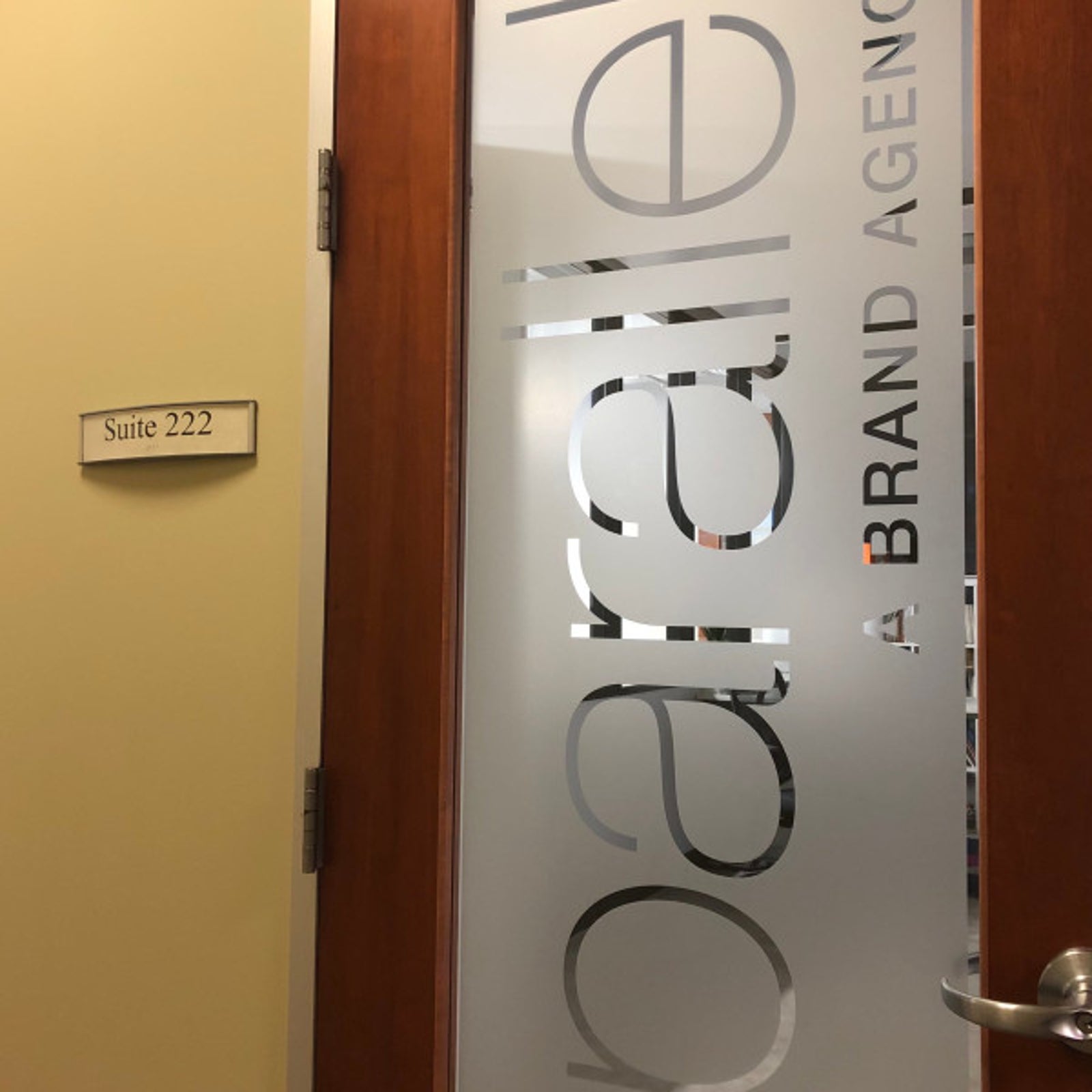
Door Signs: These signs are typically used to identify individual offices, conference rooms, or other designated spaces within your office. Door signs can be simple and straightforward, such as room numbers or names, or more elaborate, featuring custom designs or branding elements.
Directional Signs: Strategically placed directional signs help guide visitors and employees through your office, indicating the locations of key areas, such as the reception desk, restrooms, or the break room. These signs can be wall-mounted, freestanding, or even suspended from the ceiling, depending on the layout of your space.
Desk Signs: Also known as name plates or desk placards, these small signs are often used to identify people at individual workstations or offices. Desk signs can be customized with names, titles, or other relevant information, and can be made from materials like acrylic, wood, or metal.
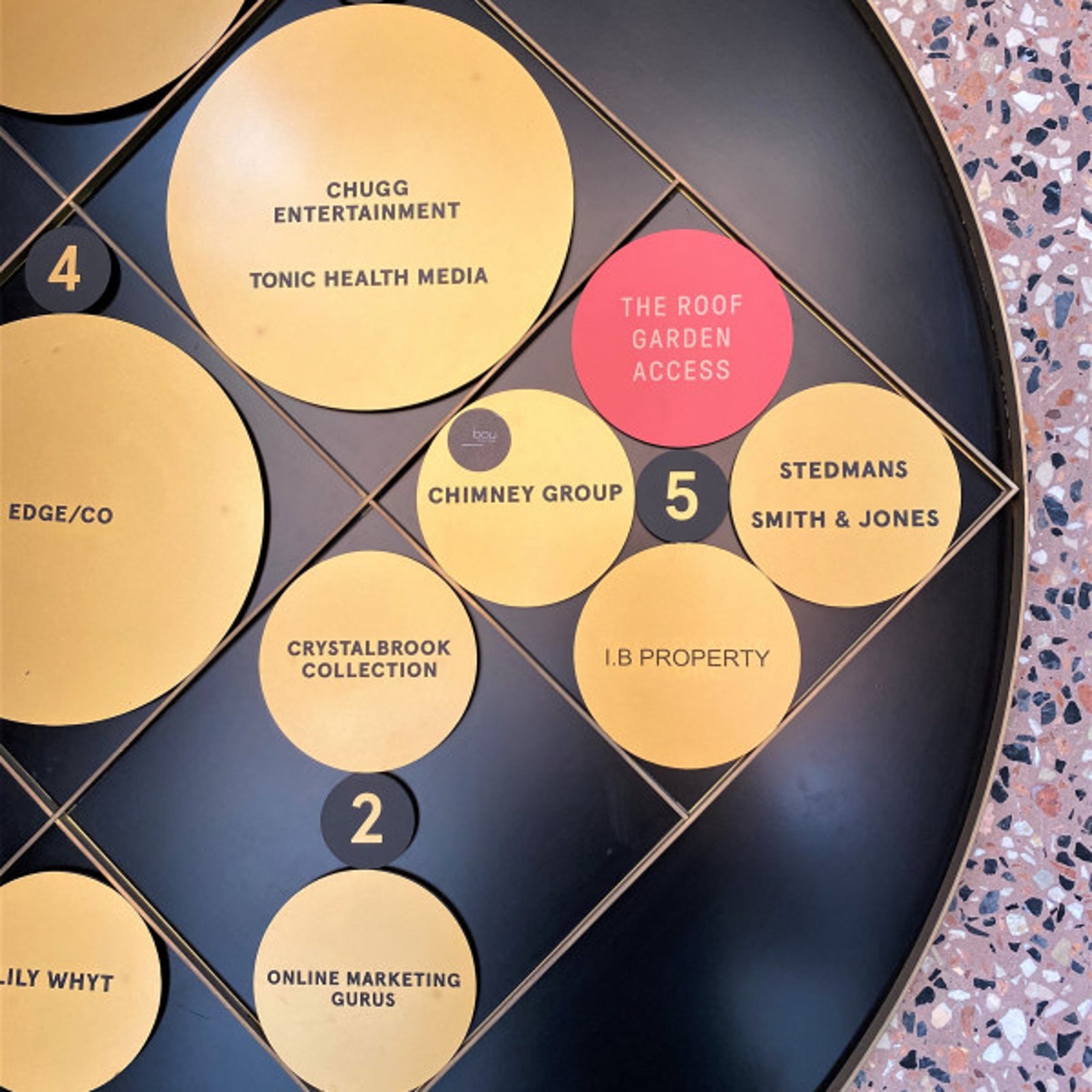
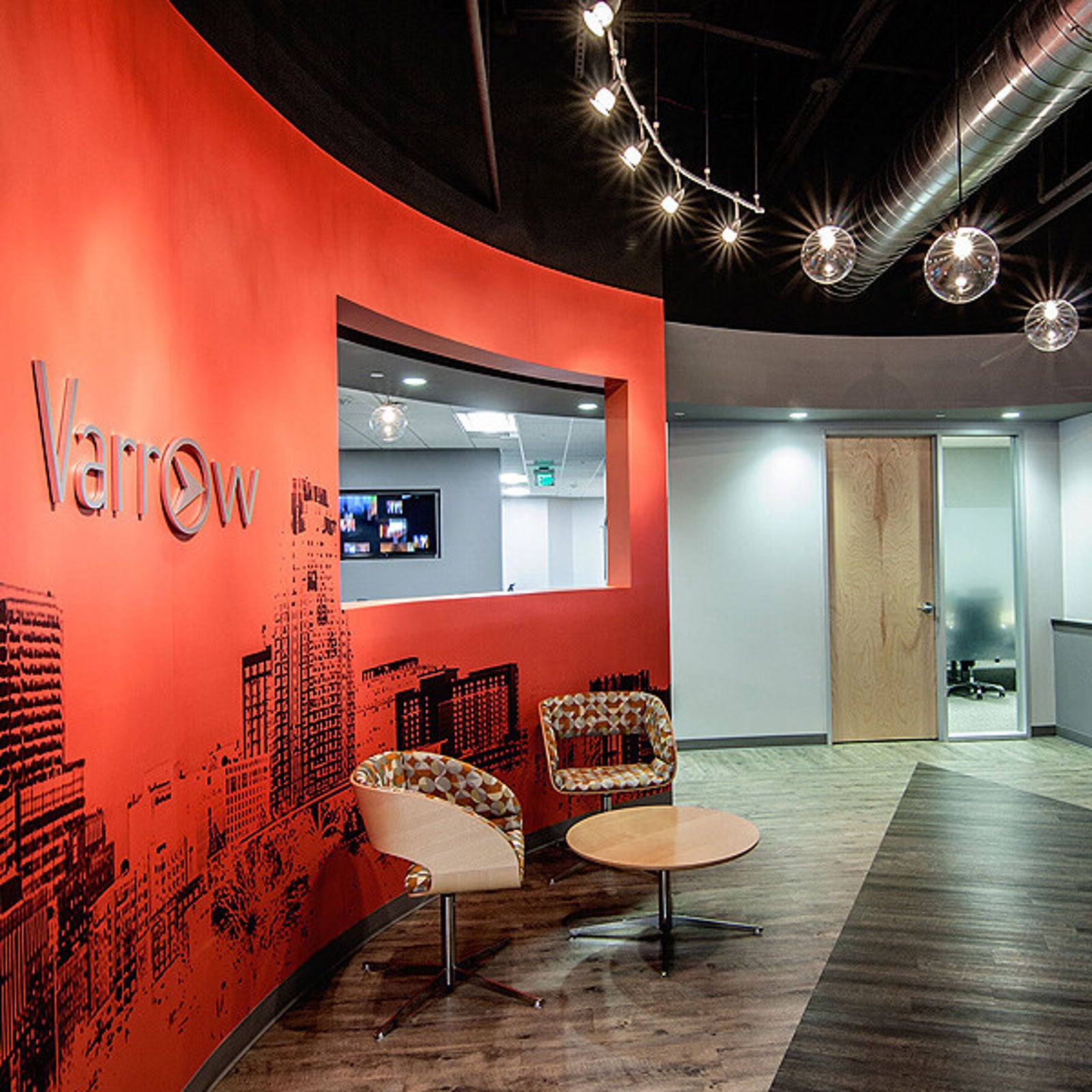
Lobby Signs: These larger, more prominent signs are typically placed in the main entrance or reception area of your office, serving as a welcoming and informative introduction to your business. Lobby signs can feature your company logo, mission statement, images of flagship products, or other branding elements, and can be designed to match your decor.
Safety and Regulatory Signs: These types of office signs are essential for ensuring compliance with various safety and building codes, such as fire exits, emergency evacuation routes, and ADA-compliant signage. These signs play a crucial role in maintaining a safe and accessible work environment for all occupants.
Understanding the different types of office signs and their specific functions can help you make informed decisions when it comes to choosing the right signs for your business.
Factors to consider when choosing office signs
When selecting the perfect office signs for your business, there are several key factors to consider so that your choices align with your brand identity, meet the practical needs of your workspace, and create a cohesive and visually appealing environment. These factors include:
Brand Identity: Your office signs should seamlessly integrate with your brand's visual identity, including your logo, color palette, and overall aesthetic. Ensuring that your signs reflect the same level of professionalism and attention to detail as your other branding materials can help to strengthen your brand recognition and create a consistent, memorable impression.
Material and Durability: The materials used for your office signs should not only complement your brand's style but also be durable and long-lasting. Factors such as the environment, foot traffic, and potential exposure to elements should be considered when selecting the appropriate materials, such as acrylic, metal, or vinyl.
Size and Placement: The size and placement of your office signs are crucial for ensuring they are easily visible and accessible to both employees and visitors. Consider the size of your office space, the viewing distance, and the optimal positioning of the signs to maximize their effectiveness and impact.
Functionality: In addition to enhancing the aesthetic appeal of your office, your signs should also serve practical purposes, such as wayfinding, room identification, and safety compliance. Carefully consider the specific needs of your workspace and choose signs that will improve the overall functionality and efficiency of your office.
Cost and Budget: Establishing a realistic budget for your office signs is essential to ensure that you can achieve your desired look and feel without exceeding your financial constraints. Research the various options and pricing models available to find the best balance between quality and cost-effectiveness.
Maintenance and Longevity: When selecting office signs, consider the long-term maintenance and longevity of the materials. Choose signs that are easy to clean, update, and replace as needed, ensuring that your office signage remains in top condition for years to come.
By carefully considering these factors, you can ensure that your office signs not only contribute to the overall visual appeal of your workspace but also serve as valuable tools in enhancing the functionality, efficiency, and brand identity of your business.
Understanding your brand and target audience
Before you can begin selecting the perfect office signs for your business, it's essential to have a deep understanding of your brand identity and the needs of your target audience. When it comes to your brand identity, take the time to carefully examine the core elements that define your company, such as your mission, values, and unique selling proposition. Consider how you want your business to be perceived by both internal and external stakeholders, and use this information to establish a clear and consistent visual identity that can be seamlessly translated into your office signage.
Equally important is understanding your target audience, whether that's your employees, clients, customers, or a combination of these groups. Analyze their demographics, preferences, and pain points, and use this insight to determine the most effective way to engage and communicate with them through your office signs. For example, if your target audience is primarily tech-savvy millennials, you may opt for a more modern, minimalist aesthetic, whereas a more traditional, professional clientele may respond better to a more formal, refined design approach.
By aligning your office signs with your brand identity and the needs of your target audience, you can create a cohesive and impactful visual experience that resonates with the people who matter most to your business. This holistic understanding will also help you make more informed decisions when it comes to selecting the right materials, sizes, and placement for your office signs, ensuring that they work in harmony to enhance your brand's overall presence and appeal.
Choosing the right materials for your office signs
The materials used for your office signs play a crucial role in determining their durability, visual appeal, and overall effectiveness. When selecting the right materials, it's important to consider factors such as the environment, the level of foot traffic, and the desired aesthetic of your workspace.
One of the most popular materials for office signs is acrylic, which offers a sleek, modern look and is highly versatile in terms of customization and design. Acrylic signs are lightweight, durable, and easy to maintain, making them a practical choice for a wide range of office environments. They can be printed with high-quality graphics, text, or logos, and can be cut into various shapes and sizes to suit your specific needs.
Metal office signs, such as those made from aluminum or stainless steel, are another popular option. These materials convey a sense of strength, sophistication, and durability, making them well-suited for professional, high-end office spaces. Metal signs are highly resistant to wear and tear, and can be easily cleaned and maintained over time. They can also be customized with a variety of finishes, including brushed, polished, or powder-coated, to complement your brand's aesthetic.
For a more natural, organic look, wood office signs can be an excellent choice. Wooden signs can be crafted from a range of materials, including solid wood, medium-density fiberboard (MDF), or even reclaimed wood, and can be stained or painted to achieve the desired finish. These signs often have a warm, inviting feel that can help to create a more relaxed, comfortable environment in your office.
In addition to the primary material, you may also want to consider the use of secondary materials, such as vinyl graphics or dimensional lettering, to add depth, texture, and visual interest to your office signs. These elements can help to enhance the overall aesthetic and make your signs more eye-catching and memorable.
Ultimately, the choice of materials for your office signs should be driven by a combination of practical considerations, such as durability and maintenance, and the desired aesthetic that aligns with your brand identity and the overall design of your workspace.
Designing effective office signs
Designing effective office signs that not only enhance the visual appeal of your workspace but also serve practical purposes requires a thoughtful and strategic approach. By considering the key elements of effective sign design, you can create signs that effectively communicate your brand's message, guide visitors, and improve the overall functionality of your office.
Typography and Legibility: The typography used on your office signs should be clear, legible, and easy to read from a distance. Opt for simple, sans-serif fonts that are easy to scan and recognize, and ensure that the text size is appropriate for the viewing distance and the size of the sign. Avoid using too many different font styles, as this can create a cluttered and confusing appearance.
Color and Contrast: The color palette you choose for your office signs should complement your brand's visual identity and create a strong contrast between the text/graphics and the background. This high-contrast approach not only enhances the visual appeal of your signs but also improves their legibility, making them easier for people to read and understand at a glance.
Graphic Elements: In addition to text, incorporating well-designed graphic elements, such as icons, symbols, or simple illustrations, can help to convey your message more effectively and add visual interest to your office signs. These elements should be clean, consistent, and aligned with your brand's overall aesthetic.
Consistency and Cohesion: Maintaining a consistent design approach across all of your office signs, from wall signs to door labels to directional markers, can help to create a cohesive and professional-looking environment. This consistency reinforces your brand identity and makes it easier for people to navigate your office space.
Accessibility and Compliance: When designing your office signs, it's essential to ensure that they comply with relevant accessibility standards, such as the Americans with Disabilities Act (ADA) guidelines. This may include considerations like tactile text, Braille, and appropriate color contrast to ensure that your signs are accessible to all individuals who visit your office.
Simplicity and Clarity: Effective office signs should be straightforward and easy to understand. Avoid cluttering your signs with too much information or complicated designs, as this can lead to confusion and frustration for your visitors and employees. Instead, focus on conveying your message clearly and concisely, using a clean, uncluttered layout that is easy to navigate.
By incorporating these key design principles into your office signage, you can create signs that not only enhance the visual appeal of your workspace but also effectively communicate your brand's identity and improve the overall functionality of your office environment.
Incorporating your brand identity into office signs
Your office signs are an extension of your brand identity, serving as a visual representation of your company's values, personality, and unique selling proposition. By carefully integrating your brand identity into your office signage, you can create a cohesive and memorable experience that resonates with your employees, clients, and visitors.
One of the most important ways to incorporate your brand identity into your office signs is through the use of consistent branding elements, such as your logo, color palette, and typography. Ensure that these elements are seamlessly incorporated into the design of your signs, creating a visual connection that reinforces your brand's identity and makes it instantly recognizable.
Beyond the use of branding elements, you can also infuse your brand's personality and tone into the overall design and messaging of your office signs. For example, if your brand is known for its creativity and innovation, you might opt for a more modern, dynamic sign design with bold, attention-grabbing graphics. Conversely, if your brand values professionalism and tradition, a more classic, formal approach to your office signage may be more appropriate.
The placement and positioning of your office signs can also play a role in reflecting your brand identity. Consider how the signs are integrated into the overall design and flow of your workspace, ensuring that they complement the existing decor and create a seamless, cohesive visual experience. Strategically placing your signs in high-visibility areas can also help to reinforce your brand's prominence and importance within your office environment.
Finally, don't forget to consider the materials and finishes used for your office signs, as these can also contribute to the overall brand experience. Choosing materials that align with your brand's values, such as sustainable or high-quality options, can help to convey your commitment to environmental responsibility or attention to detail, for example.
By carefully integrating your brand identity into every aspect of your office signage, from the design and messaging to the materials and placement, you can create a powerful and lasting impression that sets your business apart and strengthens your connection with your target audience.
ADA compliance and office signs
When it comes to office signs, ensuring compliance with the Americans with Disabilities Act (ADA) is not only a legal requirement but also a crucial aspect of creating an inclusive and accessible work environment for all. By adhering to ADA guidelines, you can demonstrate your commitment to diversity and inclusion while also improving the overall functionality and usability of your office signage.
The ADA's signage requirements cover a range of elements, including the use of tactile text, Braille, and appropriate color contrast. Tactile text, which can be achieved through raised lettering or symbols, allows individuals with visual impairments to identify the content of the sign through touch. Braille is another essential component, providing a tactile translation of the text for those who rely on this method of communication.
Ensuring sufficient color contrast between the text/graphics and the background of your office signs is also crucial for ADA compliance. This high-contrast design not only benefits individuals with visual impairments but also makes the signs easier to read for all users, regardless of their visual acuity. Appropriate font sizes and styles, as well as the placement and height of the signs, are additional factors that must be considered to meet ADA guidelines.
Beyond the technical requirements, ADA-compliant office signs can also contribute to the overall aesthetic and functionality of your workspace. By incorporating accessible design elements seamlessly into your signage, you can create a more inclusive and welcoming environment that caters to the diverse needs of your employees, clients, and visitors. This attention to accessibility can also enhance your brand's reputation and demonstrate your commitment to social responsibility.
To ensure that your office signs are fully compliant with ADA regulations, it's recommended to work with experienced sign designers or manufacturers who are well-versed in the relevant guidelines and can provide guidance on the most appropriate materials, layouts, and installation methods. By taking the time to prioritize ADA compliance, you can create a more inclusive and accessible work environment that benefits everyone who interacts with your business.
Installation and maintenance of office signs
The successful implementation and long-term maintenance of your office signs are just as important as the design and selection process. Proper installation and ongoing care can ensure that your signs continue to effectively serve their intended purpose and maintain their visual appeal over time.
When it comes to the installation of your office signs, it's crucial to work with experienced professionals who can ensure that the signs are properly secured, leveled, and positioned for maximum visibility and impact. Factors such as wall material, weight, and accessibility should all be taken into consideration to ensure a secure and safe installation that meets any relevant building codes or regulations.
For freestanding or suspended signs, the installation process may require more complex considerations, such as securing the signs to the floor or ceiling in a way that is both structurally sound and aesthetically pleasing. Consulting with a professional sign installer can help to identify the most appropriate mounting methods and ensure that your signs are installed in a way that enhances the overall look and functionality of your office space.
Ongoing maintenance and upkeep are also essential for keeping your office signs in top condition. Regularly cleaning the signs, replacing any damaged or worn components, and updating the information or graphics as needed can help to preserve their appearance and effectiveness over time. It's also important to periodically inspect the signs for any safety or compliance issues, such as loose hardware or faded text, and address them promptly to maintain a safe and professional work environment.
For certain types of office signs, such as digital displays or interactive wayfinding systems, regular software updates, and technical maintenance may be required to ensure that they continue to function properly and provide up-to-date information to your employees and visitors. Partnering with a reliable sign maintenance provider can help to ensure that your office signs remain in optimal condition and continue to serve their intended purpose for years to come.
By prioritizing proper installation and ongoing maintenance, you can ensure that your office signs not only look great but also continue to effectively support your business goals and enhance the overall user experience in your workspace.