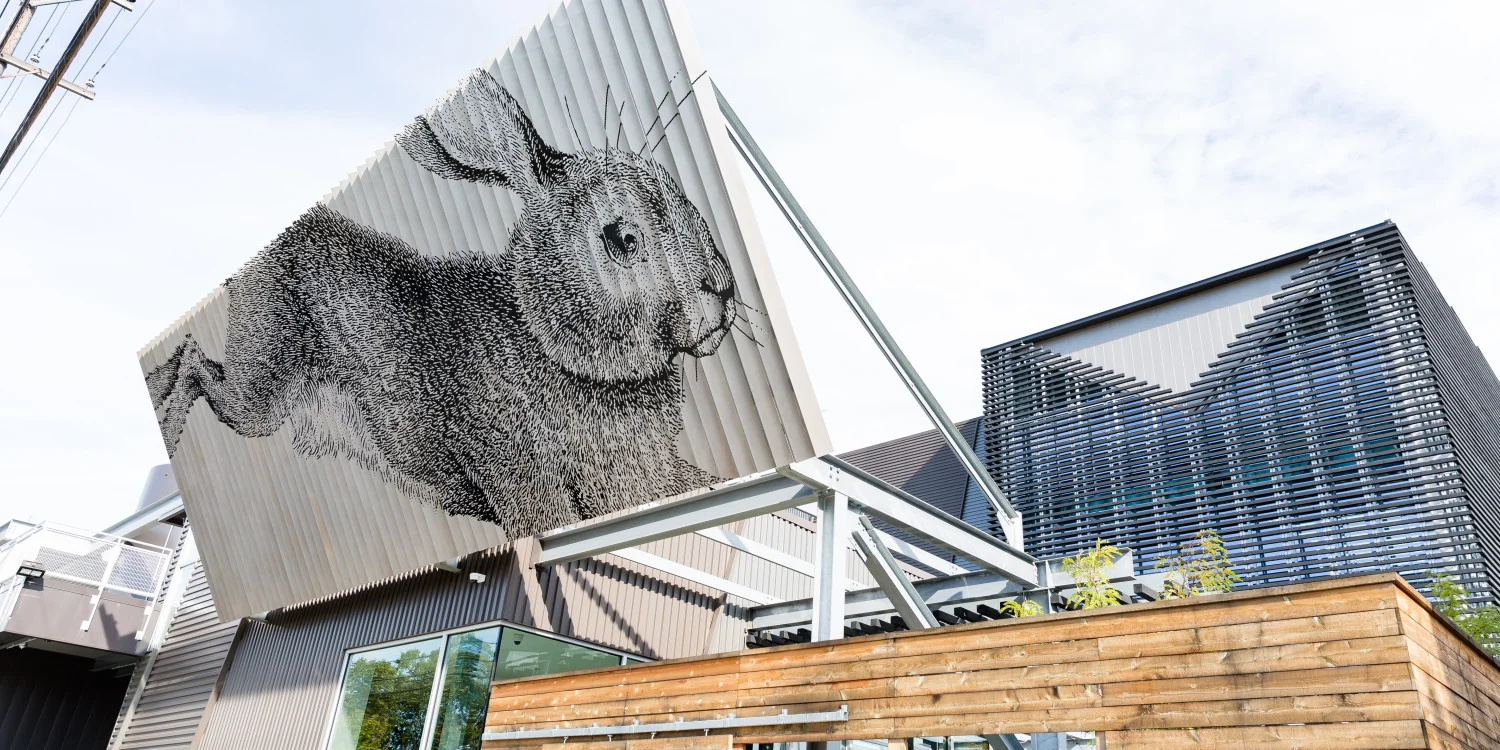


Custom Signs for Your Business Needs
Custom Signs for Business Branding, Visibility, and Wayfinding
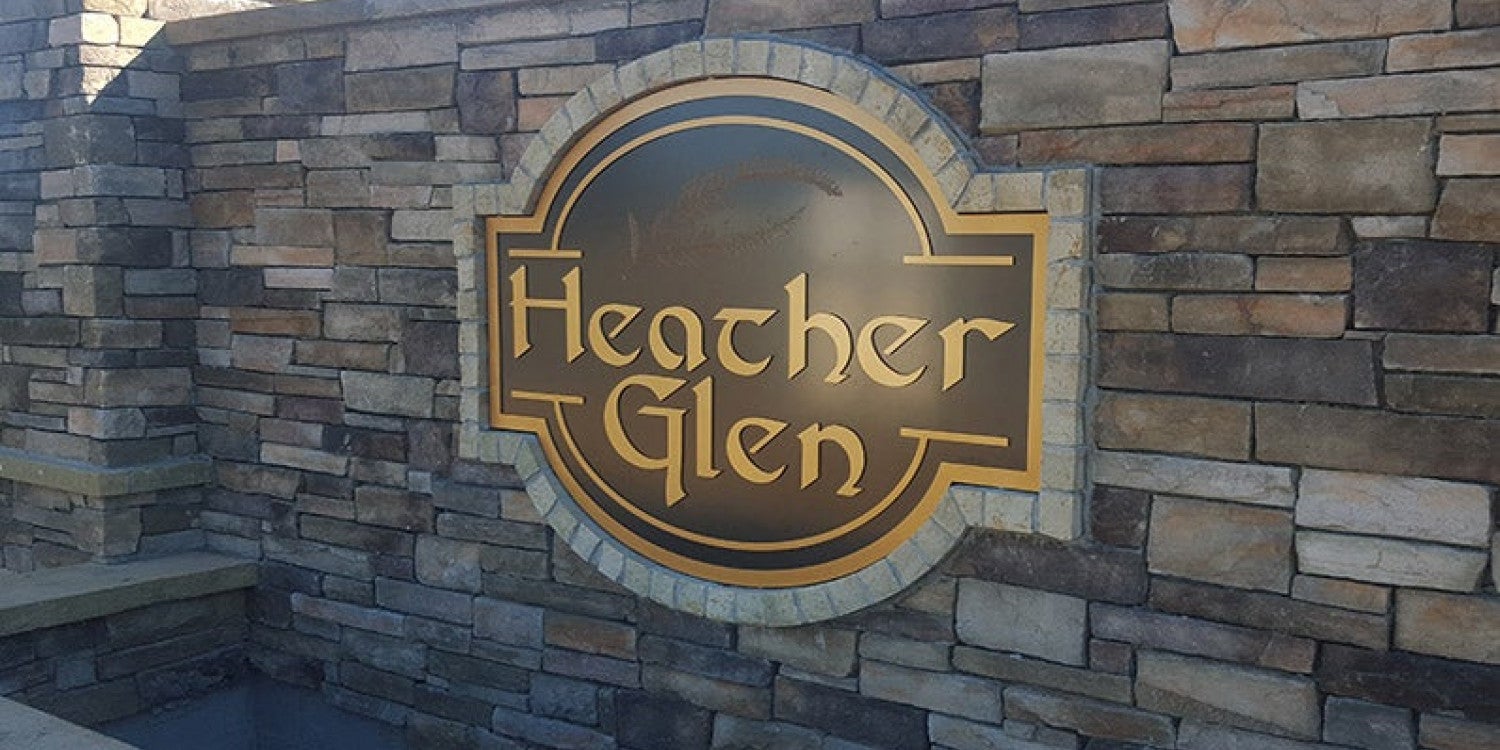
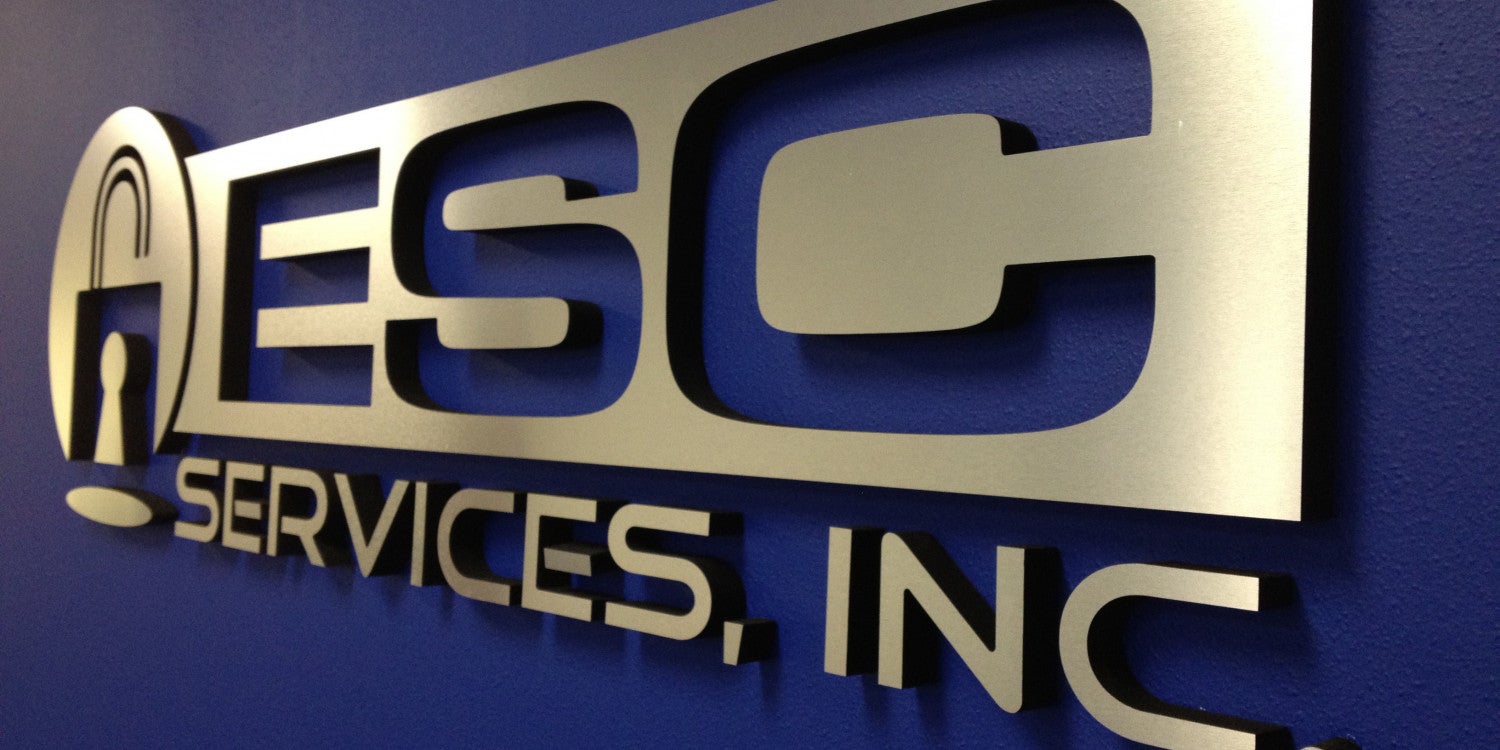
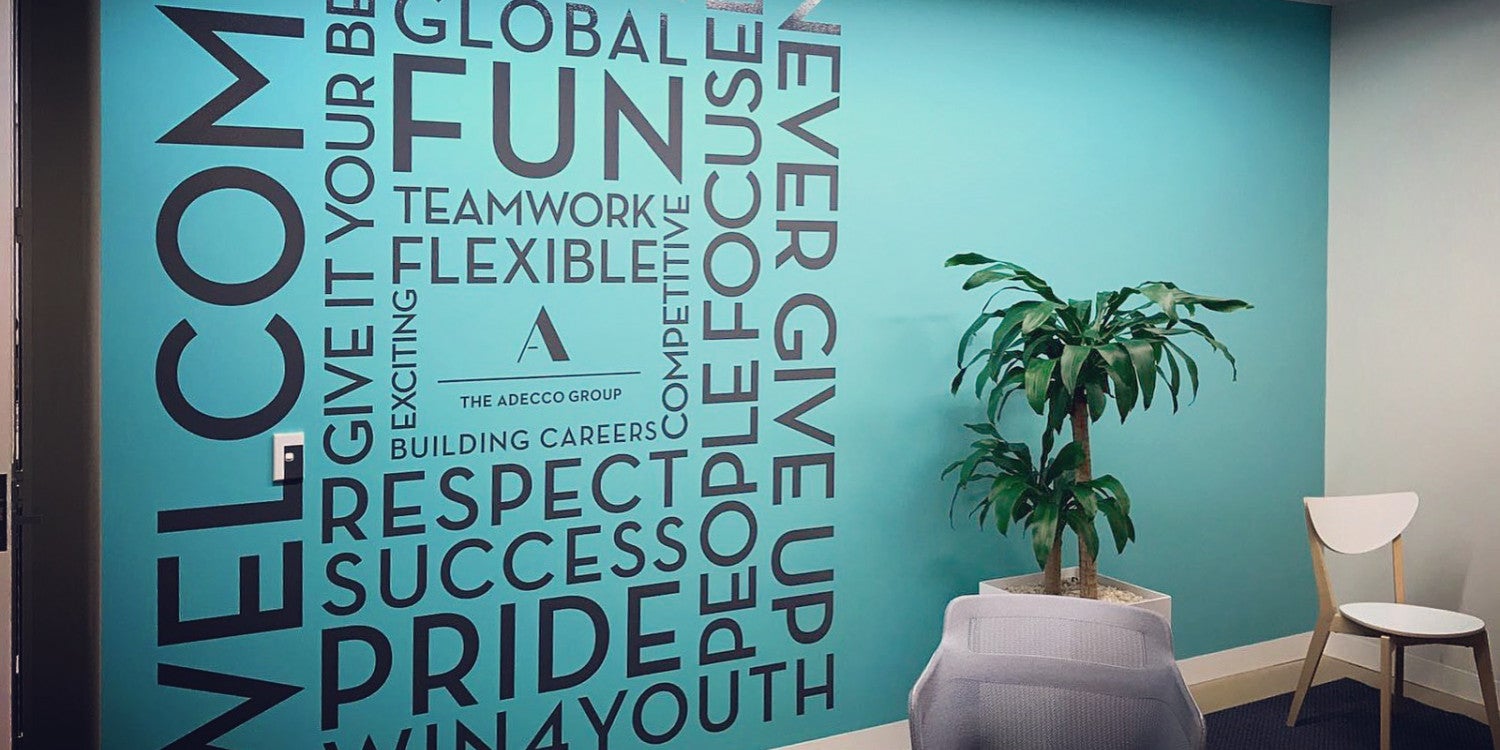
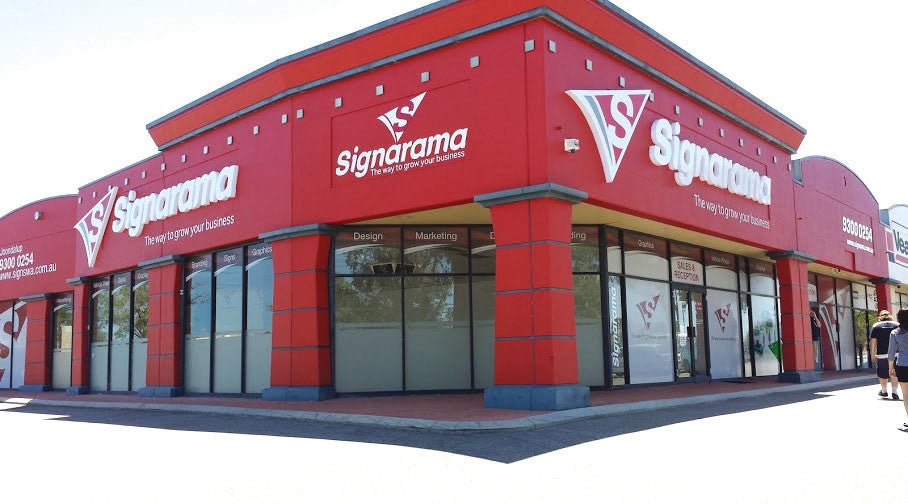
Custom signs give businesses the flexibility to create signage that fits their brand, space, and goals instead of forcing a standard format onto a specific need. Signarama’s custom signs offering is built around helping businesses create signage for storefronts, interiors, promotions, events, and branded environments, with design support tailored to each project.
Featured Work
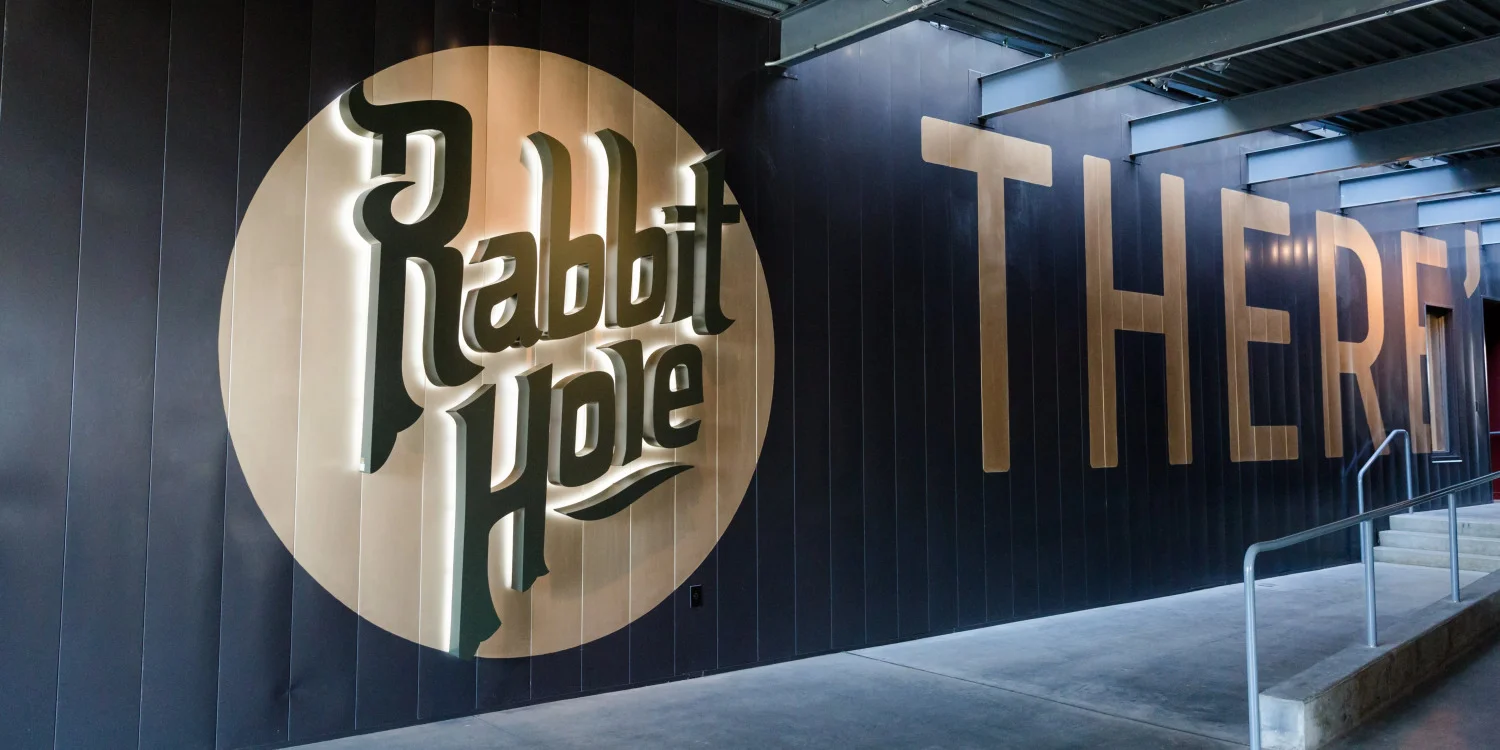
Item 1 of 6
Whether you need one custom sign or a broader signage system, Signarama Grayslake, IL can help develop a solution that fits your location, audience, and visibility needs. Custom signage is especially valuable for retail stores, offices, healthcare facilities, senior living communities, student housing properties, mixed-use developments, hospitality venues, civic spaces, and multi-location businesses that need signage to feel consistent, professional, and built for the real world. Contact Signarama Grayslake, IL to get started.
Unlimited options with custom signs
Custom signs are personalized visual displays that are powerful communication tools for businesses, events, or individuals. They are designed to meet specific needs, convey messages, and create a lasting impression on viewers. Whether for branding, advertising, or navigation, a custom sign can be tailored in size, shape, color, material, and design to meet your unique requirements.
How we define what makes a custom sign
A custom sign is any sign that is designed and produced based on a client's specific needs, rather than pre-made or mass-produced. These can be any category of sign: indoor displays, outdoor business signage, banners, vehicle wraps, window graphics, and digital signs. Customization allows businesses and individuals to communicate a message in a creative, attention-grabbing manner that reflects their brand or personality. Custom signs play a critical role in marketing, enhancing visibility, reinforcing branding, and increasing customer engagement.
Benefits of Custom Signs
Brand Identity: Custom signs help businesses establish and strengthen their brand identity by showcasing logos, taglines, and color schemes unique to the company.
Increased Visibility: High-quality signage captures the attention of potential customers, guiding them to your business or event.
Personalization: With custom signs, you have full control over the design, allowing you to create something truly unique and relevant to your business or occasion.
Durability: Custom signs are built to last with high-quality materials that ensure long-term visibility for your brand.
The Process of Creating Custom Signs
Creating a custom sign involves several key steps, each designed to ensure that the final product meets the client’s vision and functional needs.
1. Consultation and Design Concept
The first step in the custom sign creation process is understanding the client’s needs. This typically involves a consultation where we learn about your goals, ideas, and preferences. Important factors such as location, intended message, and target audience are covered. During this phase, the design team gathers information to create a visual concept, that may cover fonts, colors, and graphics. Depending on the complexity of the project, this step may involve sketches, digital mockups, or even 3D renderings to help visualize the final design.
2. Material Selection
Once key requirements are known the right materials for the sign are considered. The choice will depend on the sign’s purpose, location (indoor or outdoor), the durability required, and desired features, such as illumination., as well as the budget. Popular materials for custom signs include wood, metal, acrylic, vinyl, glass, foam board, or possibly a combination of several materials. For outdoor signs, we take special care to ensure the signs weather well for years to come.
3. Manufacturing
After the design and materials are finalized, the sign goes into production. Manufacturing custom signs can involve various techniques, such as laser cutting, CNC routing, digital printing, or vinyl application. For illuminated signs, wiring and LED installation are also part of the production process.
4. Installation
The final step is the installation of the custom sign. Our professional installation team ensures the sign is securely mounted and displayed according to your specifications. Depending on the size and location of the sign, this step may require specialized equipment or permits, particularly for large outdoor signs or those installed in public spaces.
Frequently Asked Questions
What types of custom signs can you make?
Aren't custom signs expensive?
Do custom signs take a longer time to produce?

Signarama Grayslake, IL
888 E Belvidere Rd #408
Grayslake Illinois 60030
Opening Hours:
Monday
9:00 am - 5:30 pm
Tuesday
9:00 am - 5:30 pm
Wednesday
9:00 am - 5:30 pm
Thursday
9:00 am - 5:30 pm
Friday
9:00 am - 5:00 pm
contact
Signarama Grayslake, IL