

Do Your Outdoor Signs Work After Dark? A Day-vs.-Night Visibility Guide for Danbury Businesses
Nov 6, 2026 by Signarama Danbury
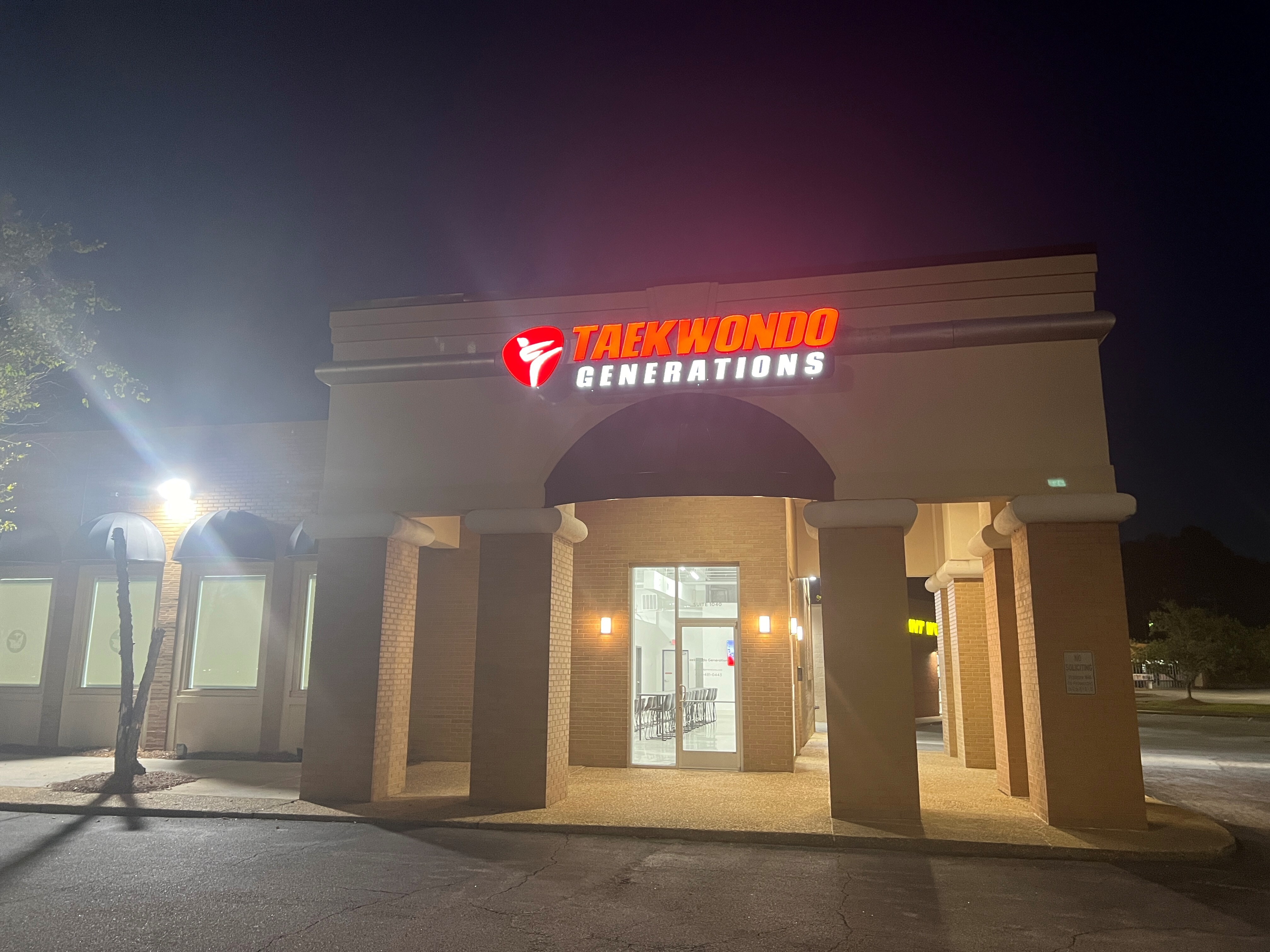
An outdoor sign can look sharp at noon and become surprisingly difficult to read after sunset. Daylight provides broad, even illumination, while nighttime introduces darker backgrounds, headlights, parking-lot fixtures, storefront lighting, reflections, shadows, and bright neighboring signs. The same colors, lettering, and placement can therefore perform very differently depending on when customers see them.
For Danbury businesses, evaluating outdoor signs in both daytime and nighttime conditions helps reveal problems that a daytime proof or site visit may miss. The goal is not simply to make a sign brighter. Effective nighttime visibility depends on readable contrast, controlled sign illumination, appropriate placement, and a clear message that remains easy to recognize amid competing light.
Why Outdoor Signs Perform Differently After Sunset
Daylight and artificial light affect signs differently. During the day, broad ambient light helps the eye distinguish edges, colors, and depth across the sign and surrounding property.
After dark, the visual environment becomes more selective. Some surfaces disappear into shadow while individual light sources become much more prominent. A sign that relied on daylight contrast may lose definition, while reflective materials, glossy finishes, windows, or pale surfaces may react strongly to nearby fixtures and headlights.
At night, drivers also move quickly between dark and bright areas. A sign that is too dim can disappear, while excessive brightness can create glare and blur fine details.
Judge the sign in context: the building, road approach, neighboring businesses, parking area, and existing lighting all shape what customers see.
Daytime Diagnostic: What to Check Before Sunset
Contrast Between Copy and Background
Start with the relationship between letters, logos, and the sign background. Strong contrast makes important information easier to identify quickly. Weak contrast can occur when colors have similar visual values, when a detailed logo sits on a busy background, or when building materials visually compete with the sign.
View the sign from the actual approach direction rather than only from directly in front of it. A design that appears clear at close range may lose separation when viewed from farther away or at an angle.
Letter Size and Message Simplicity
Outdoor signs often have only a short viewing window, much like a car wrap that needs to be readable in 3 seconds. The business name or primary identifier should carry the strongest visual weight. Long taglines, multiple phone numbers, dense service lists, or several competing messages can slow recognition.
Daytime testing can reveal whether the sign's hierarchy is clear before nighttime lighting adds another layer of complexity.
Shadows, Trees, and Building Features
Sun position changes throughout the day and across seasons. A canopy, tree, projecting wall, architectural overhang, or nearby structure may cast shadows over part of the sign. Landscaping and parked vehicles can also obstruct low-mounted signage.
Review the sign at more than one daytime hour when possible. This helps distinguish a permanent visibility issue from a temporary lighting condition.
Nighttime Diagnostic: What Changes After Dark
Does the Sign Separate From the Building?
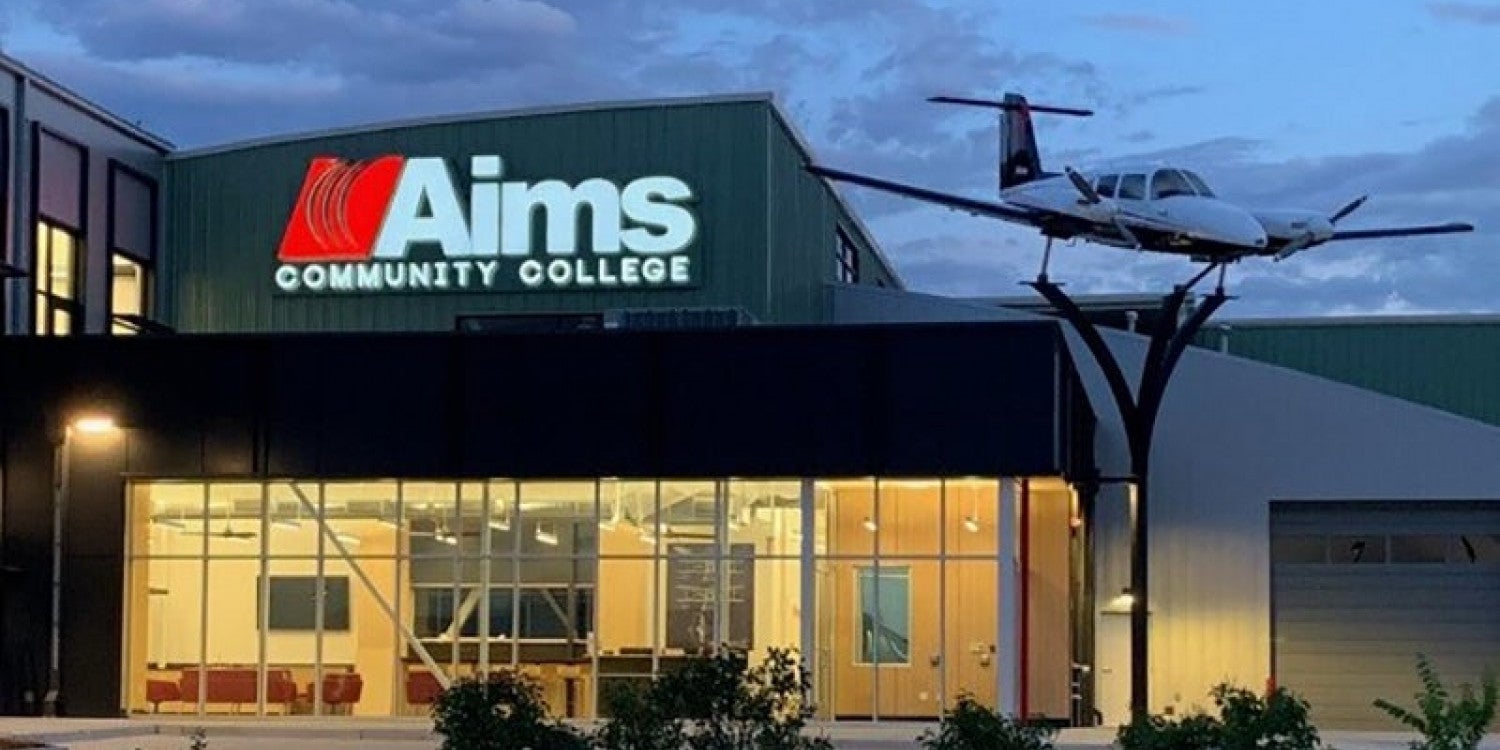
A sign may have excellent daytime contrast against brick, siding, stone, or painted walls but blend into the facade at night. Dark letters on a darkened wall are a common example. Without enough ambient or dedicated light, the letter shapes can lose their edges.
Look at the complete sign silhouette from across the parking lot and from the road approach. Can you identify the business before you are directly in front of it?
Does Ambient Lighting Help or Compete?
Parking-lot poles, wall-mounted fixtures, streetlights, neighboring storefronts, window displays, and vehicle headlights all influence nighttime visibility. Ambient light can help illuminate a non-illuminated sign, but it can also create uneven brightness or competing focal points.
The key question is whether the sign remains one of the clearest visual elements in the scene. If nearby light sources attract attention first, increasing sign brightness is not automatically the right response. Improving contrast, simplifying the message, adjusting placement, or controlling the direction of light may be more effective.
Are Shadows Hiding Important Information?
At night, a fixture can create hard shadows that were not obvious during the day. Dimensional letters may cast shadows onto the wall, an awning may block light from above, or landscaping may interrupt an externally lit sign face.
Walk the property and check the sign from multiple angles. A lighting arrangement that looks balanced head-on may create dark zones when viewed from the side.
Is Glare Reducing Readability?
More light does not always mean more legibility. A very bright source against a dark background can create glare, reflections, or a halo around letters. Glossy sign faces and nearby glass can make the problem more noticeable.
Businesses planning illuminated business signs should confirm the current requirements that apply to their property and sign type before finalizing a concept, including pylon sign height in Danbury, CT, for freestanding signs.
Internal vs. External Sign Illumination
Internal Illumination
Internally illuminated signs use a light source within the sign structure so that selected faces, letters, or graphic elements appear lit. Depending on the sign design, this can create a strong visual presence after dark and help maintain consistent visibility across the sign face.
The design still needs restraint. Brightness, letter spacing, face materials, color, and surrounding ambient light all affect legibility. Small details can become harder to distinguish if illuminated elements bloom visually or if too many components compete for attention.
External Illumination
External illumination directs light onto a sign from a separate fixture. This approach can work with signs whose materials and dimensional character are intended to remain visible rather than glow from within.
Fixture position matters. Poor placement can create hotspots, dark corners, reflections, or shadows across the message. The light should support the sign face without becoming the dominant visual feature. For Danbury projects involving electrical components or wiring, businesses should coordinate those portions with appropriately qualified electrical professionals.
Common Day-vs.-Night Visibility Problems

Some problems become obvious only when the same sign is evaluated under both conditions.
A sign that works by day but disappears at night may rely too heavily on contrast created by sunlight. A sign that becomes difficult to read only when illuminated may have excessive brightness, insufficient spacing, reflective glare, or too much fine detail. A sign that looks clear from the parking lot but not from the road may have a viewing-angle or background-competition problem rather than an illumination problem.
Color can also shift perceptually under different light sources. Materials that appear distinct in daylight may look more similar under warm or cool artificial lighting. Likewise, a bright window display behind or beside a sign can weaken the sign's visual priority after dark even when the sign itself has not changed.
These differences are why a nighttime site check is more useful than judging a design only on a screen. The same applies to company vehicles, where seasonal vs. permanent fleet graphics can look very different once the lighting changes.
How to Test Outdoor Signs for Nighttime Visibility
Step 1: Choose Real Customer Viewpoints
Identify where customers first encounter the property, including the road approach, driveway, parking area, pedestrian path, and relevant secondary entrances.
Step 2: Photograph the Same Views by Day and Night
Photograph approximately the same views before and after sunset. Include wider shots so you can compare background competition, neighboring lights, landscaping, and building contrast.
Step 3: Check the Primary Message First
Ask whether the business name or main identifier is immediately clear. If your eye lands on a decorative element, secondary message, window display, or nearby light source first, the hierarchy may need adjustment.
Step 4: Look for Uneven Light and Glare
Check for hotspots, reflections, dark sections, visible light sources, and shadows. Move sideways as well as closer and farther away because glare can change with viewing angle.
Step 5: Compare Visibility at Different Distances
Review the point where the message first becomes recognizable and whether that distance matches how customers actually approach the site.
Step 6: Review the Surrounding Visual Competition
Note bright neighboring signs, parking-lot fixtures, digital displays, windows, and traffic lighting. The goal is enough visual distinction for recognition, not simply outshining everything nearby.
Step 7: Recheck After Seasonal or Property Changes
Leaves, snow, landscaping growth, new tenants, facade changes, and exterior lighting updates can alter visibility. Recheck the sign when its surroundings change substantially.
How to Improve Nighttime Visibility Without Simply Adding Brightness

Control Light Direction
For externally illuminated signs, light should fall where it supports the message. Uncontrolled spill, visible fixtures, or uneven coverage can reduce visual quality and may conflict with applicable local requirements.
Choose High-Contrast Sign Colors
Strong contrast between the background, lettering, and graphics helps the message remain readable after dark. Color combinations should make important information easy to distinguish without relying on excessive illumination.
Reduce Glare and Reflections
Glossy surfaces, poorly positioned fixtures, and overly intense lighting can create glare that makes a sign harder to read. Using appropriate materials and carefully positioning light sources can improve visibility from common viewing angles.
Prioritize Letter Size and Spacing
Nighttime readability also depends on the sign design itself. Adequate letter height, spacing, and clear typography can help drivers and pedestrians recognize the message quickly, even when ambient lighting is limited.
Frequently Asked Questions
Can outdoor sign materials affect nighttime readability?
Yes. Matte, glossy, reflective, translucent, and dimensional materials interact differently with artificial light. Material selection should account for reflections, shadows, illumination method, and the angles from which customers are most likely to view the sign.
Does the mounting height of an outdoor sign affect nighttime visibility?
Yes. Mounting height can influence sightlines, viewing angles, surrounding light competition, and potential obstructions. Businesses should evaluate sign placement from the road, parking area, sidewalks, and other common customer approach points before finalizing installation.
Can older outdoor signs become harder to see at night?
Yes. Faded graphics, damaged surfaces, and aging illumination components reduce nighttime visibility. Regular checks help catch changes missed during the day. Fleet graphics age similarly, which is why businesses compare a partial vs. full car wrap when updating vehicles.
Should exterior signs be evaluated with storefront lighting turned on?
Yes. Storefront lighting can change how prominently an exterior sign appears after dark. Interior lights, exterior fixtures, window displays, and nearby illuminated elements should be operating during a nighttime review so the sign can be evaluated under realistic conditions.
Can changing a sign’s background improve nighttime visibility?
Yes. Improving the visual separation between lettering and its background can sometimes increase readability without increasing illumination. The appropriate approach depends on the sign colors, materials, building facade, viewing distance, and surrounding nighttime environment. Businesses with a fleet can apply the same contrast logic when keeping vehicle wraps consistent across vans, pickup trucks, box trucks, and trailers.
Discuss Your Signage Needs With Signarama
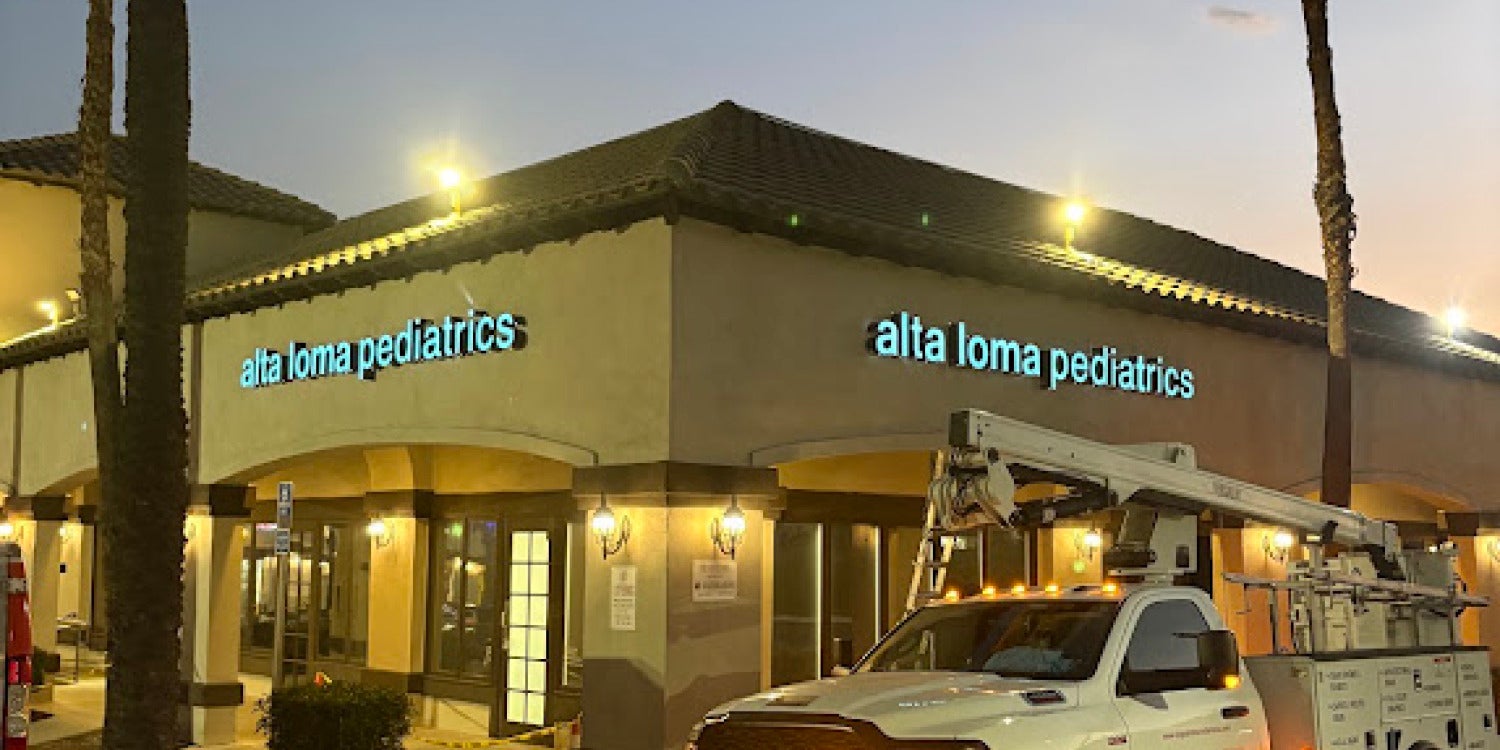
Outdoor signs should support recognition throughout the hours customers are likely to see them. A design that performs well in daylight may need different contrast, spacing, placement, or illumination planning after sunset.
Signarama can help businesses evaluate non-electrical signage needs, develop custom outdoor sign concepts, produce graphics and sign components, and plan sign installation with real viewing conditions in mind. For projects involving electrical wiring or illuminated electrical components, coordinate that work with appropriately qualified electrical professionals.
Discuss your signage needs with Signarama to plan outdoor signs that remain clear, professional, and consistent from daytime through nighttime.

Signarama Danbury, CT
contact
Signarama Danbury, CT