

Signage for New Retail and Restaurant Openings in Millwood: A 90-Day Launch Plan
Nov 12, 2026 by Signarama Millwood
Opening a business in Millwood involves more than preparing inventory, hiring staff, and finishing the space. Customers also need to know that the business exists, where to enter, what it offers, and when it opens. A coordinated signage plan can answer those questions before opening day and continue supporting the location after the initial launch.
For retailers and restaurants, the most useful approach is to treat business signs as part of the opening schedule rather than a last-minute purchase. Permanent storefront identification may require design review or approvals, while temporary grand opening signs, window graphics, wayfinding, and interior signs each serve different stages of the launch.
Starting early gives owners time to coordinate signage with construction, branding, property requirements, and the Town of New Castle’s current procedures.
Why Signage Should Start 90 Days Before a Millwood Opening
A new storefront has two communication jobs. Before opening, it needs to build awareness and help people understand what is coming. After opening, it needs to identify the business clearly and guide customers through the property. Trying to solve both jobs in the final week can create avoidable conflicts.
Early planning also matters because signage connects to other decisions. A storefront sign depends on the final business name, logo, colors, mounting location, available dimensions, building conditions, and applicable rules. Window graphics depend on glass dimensions and visibility needs. Directional signs depend on how customers approach the site, park, and find the entrance. Restaurants may also need to think through pickup areas, entry instructions, hours, and interior customer flow.
Days 90 to 61: Establish the Signage Plan

Week 13: Audit the Property and Customer Approach
Begin at the site. Walk and drive the approaches customers are likely to use. Note sightlines, road orientation, neighboring storefronts, landscaping, parked vehicles, building setbacks, entrances, parking areas, and any places where a first-time visitor could hesitate. A sign company can use these observations to determine which messages belong on the storefront and which may need separate directional support.
For a restaurant, map the path from parking to the main entrance, takeout pickup, host area, and any secondary entrance. For retail, consider the path from the road to parking, then from parking to the storefront. This prevents the main sign from carrying information that belongs on a wayfinding sign or window graphic.
Week 12: Finalize the Core Brand Information
Confirm the exact business name, logo files, brand colors, preferred typefaces, phone number, website, planned hours of operation, and any short descriptor customers truly need. Storefront branding should be consistent across the permanent sign, windows, doors, interior graphics, and launch materials.
Keep the hierarchy simple. The permanent identification sign should primarily help people recognize the business. Detailed promotions, menus, social handles, and opening offers are usually better placed on temporary or close-range materials.
Weeks 11 to 9: Review Sign Types, Property Rules, and Approvals
Before approving a design for fabrication, identify the rules that apply to the property and proposed sign, including any limits on freestanding pylon sign height.
The Town of New Castle regulates signs, and the required review and approval process can differ depending on the sign type and site conditions. A landlord, shopping center, or property manager may also have separate criteria for dimensions, mounting, colors, materials, or panel layouts.
At this stage, assemble accurate site measurements, proposed sign locations, design drawings, and any property approvals that may be required. Do not assume that a sign seen at another property establishes what will be allowed at yours. Confirm the current process for the specific Millwood location.
Days 60 to 31: Move From Concept to Launch-Ready Signage
Weeks 8 and 7: Separate Permanent Signs From Temporary Launch Messages
By roughly two months before opening, divide the signage plan into two categories. Permanent business signs support long-term identification and navigation. Temporary launch graphics communicate a short-lived message such as “Coming Soon,” an opening date, hiring information, or a grand opening announcement.
This separation prevents the permanent sign from quickly becoming outdated and allows easy updates if schedules change. Vehicle branding follows the same approach, with launch-season versus lasting fleet graphics meeting different goals.
Week 6: Plan the Storefront as One Visual System
Storefront branding works best when each element has a clear job. The primary sign identifies the business from farther away. Window graphics can communicate at pedestrian distance. Door graphics can show hours or entry information. Interior signs can reinforce the brand once customers enter.
Review these elements together rather than designing each one independently. Repeating the same message in every location creates clutter. Instead, use a consistent visual system with controlled colors, type, logo treatment, spacing, and message hierarchy. That system should extend to delivery vans and company trucks, so every vehicle wrap matches the storefront.
Week 5: Test Readability and Real-World Placement
A proof may look balanced on a screen but perform differently at the site. Evaluate the proposed signs from realistic viewing positions. Can a driver identify the business while approaching? Can someone in the parking area find the correct entrance? Do window messages remain readable behind reflections or displays? Could landscaping or parked vehicles block a low sign?
For restaurants, test the visibility of pickup and entrance directions from the point where customers actually make decisions. Delivery vehicles get the same test, since a wrap has only seconds to be read at street speed. For retailers, check whether promotional window graphics compete with the business name. These practical checks help protect clarity before production.
Days 30 to 8: Prepare the Site for Opening
Weeks 4 and 3: Coordinate Production With the Buildout
As the opening approaches, coordinate sign work with painting, façade work, window cleaning, furniture delivery, merchandising, and other contractors. The goal is to avoid installing graphics on unfinished surfaces or scheduling sign access when the work area is blocked.
Confirm that final sign locations still match the approved concept and current site conditions. Renovations can shift entrances, wall finishes, landscaping, or customer paths. A quick site check can catch those changes before installation.
Week 2: Install Customer-Facing Information
Once the site is ready, focus on information customers will need immediately. Depending on the business and approved plan, this may include storefront identification, door or window graphics, interior directional signs, pickup instructions, restroom or room identification, and other operational signs.
Keep opening-day information concise. Customers arriving for the first time are processing the building, parking, other tenants, and activity around the launch. Clear wording and consistent placement reduce unnecessary searching.
Days 7 to 0: Use Grand Opening Signs Strategically
Final Week: Make the Opening Message Obvious
Grand opening signs should answer a short-term question quickly: is the business open, and what should the customer do next? A banner, window graphic, or temporary sign can emphasize “Now Open,” the opening date, or a concise launch message without changing the permanent storefront identity.
Place temporary messages where customers can see them without covering the primary business name or critical directional information. If an opening date changes, update date-specific graphics rather than leaving conflicting messages in place.
Opening Day: Check the Customer Journey
Before the first rush, walk the route as a customer. Approach from both directions, enter the parking area, find the correct door, and move through the space. Check that promotional signs do not block safety-related or operational information and that temporary materials have not created visual clutter.
Ask staff where customers seem uncertain during the first days. Real questions such as “Where is pickup?” or “Is this the entrance?” reveal where a small directional or informational sign may be more useful than adding another promotional message.
Days 1 to 30 After Opening: Transition From Launch to Everyday Signage
The launch plan should include removal. Once a “Coming Soon” or grand opening message is no longer useful, take it down so the storefront reflects the established business. Replace temporary information only when an ongoing customer need remains.
Use the first month to observe the signs in real conditions. Check visibility at different times of day, note recurring customer questions, and inspect whether displays, parked vehicles, or seasonal landscaping affect sightlines. Review interior wayfinding as operations settle into a routine.
This is also the right time to standardize future materials. Save approved logo files, colors, sign dimensions, and layout conventions so later banners, decals, event graphics, or promotional signs continue the same storefront branding.
How to Build a 90-Day Signage Checklist
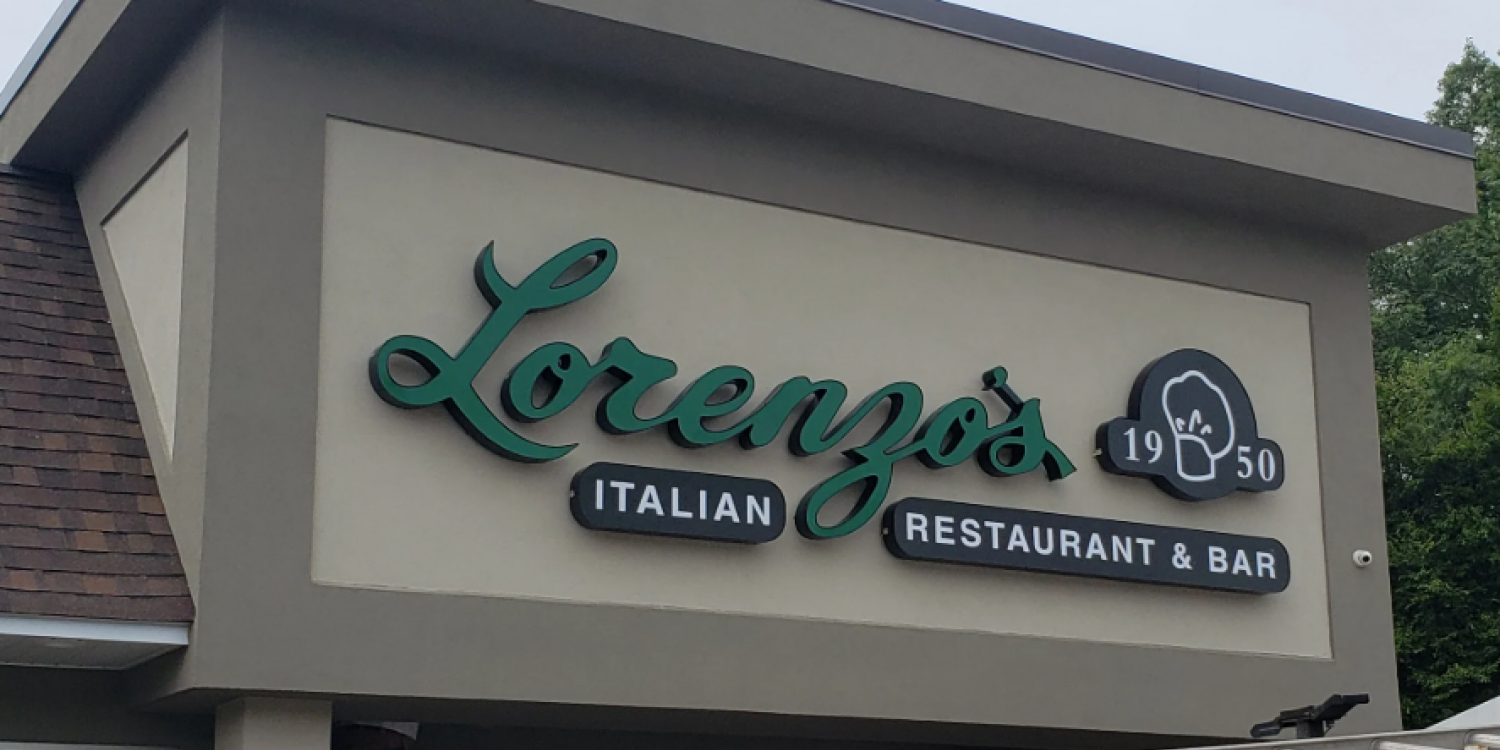
A simple process can keep signage aligned with the rest of the opening. Use these steps as a working checklist:
Document the site. Record approach routes, entrances, parking, sightlines, window dimensions, wall areas, and likely decision points.
Lock the brand basics. Confirm the final name, logo artwork, colors, and essential customer-facing information.
Define each sign’s job. Separate identification, wayfinding, operational information, and temporary promotion.
Verify requirements early. Check current Town of New Castle procedures and any landlord or property standards before fabrication.
Develop the permanent and temporary plans together. Coordinate storefront signs with coming-soon or grand opening signs so the messages do not compete.
Test from real viewing positions. Review scale, contrast, sightlines, and message length from the road, parking area, sidewalk, and entrance.
Coordinate with the buildout. Schedule sign and graphic work around finished surfaces, contractor access, and site readiness.
Review after opening. Remove expired launch materials and adjust ongoing wayfinding based on actual customer behavior.
Frequently Asked Questions
What signage should be prioritized if the opening date moves up?
Prioritize the signs customers need to identify the business, find the correct entrance, and understand essential operating information. Temporary promotional graphics can be simplified or delayed if necessary, while core identification and wayfinding should remain the priority.
How can signage help during a soft opening?
Temporary window graphics, door signs, and directional signage can help communicate limited hours, entry instructions, pickup procedures, or other short-term operational details during a soft opening. Keep these messages concise so they are easy to update when normal operations begin.
Should a new business order extra temporary signs before opening?
It can be useful to plan flexible temporary signage for messages that may change, such as opening dates, hiring notices, pickup instructions, or launch promotions. Reusable formats can make updates easier without altering permanent storefront signage. For a delivery vehicle, a half wrap or full wrap can serve as a similar lower-commitment launch option.
When should interior signage be installed for a new business?
Interior customer-facing signage is best installed once the relevant spaces, finishes, and customer paths are substantially complete. This helps ensure directional and identification signs reflect the final layout rather than an earlier construction plan.
How should businesses evaluate signage during the first month after opening?
Observe how customers actually move through the property, note recurring questions, and check visibility under different operating conditions. If customers repeatedly struggle to find an entrance, pickup area, or destination, the signage plan may need adjustment.
Plan Your Millwood Opening Signage With Signarama
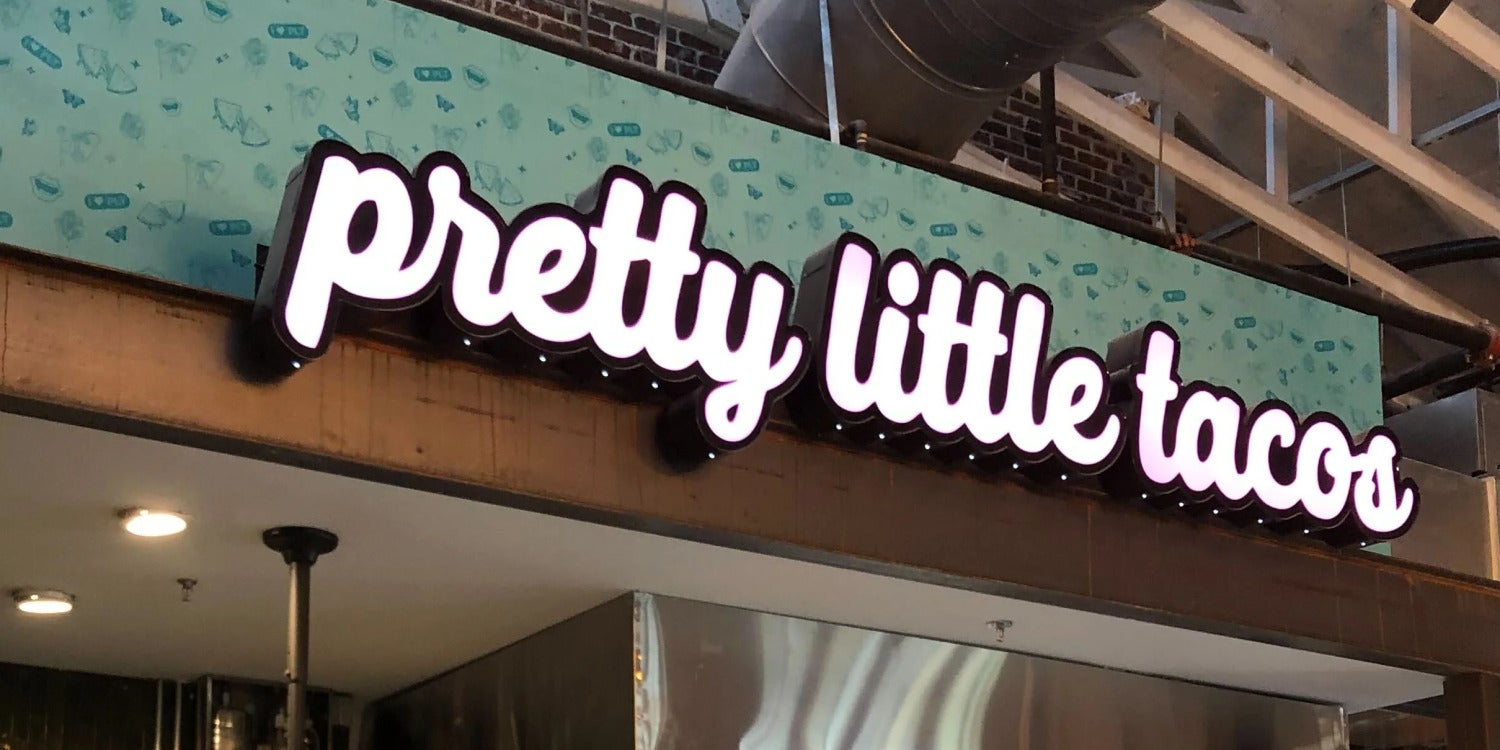
A successful opening requires signage to change with the business’s needs. Early in the process, temporary graphics can build awareness. As the launch approaches, permanent business signs, storefront branding, and directional elements help customers recognize the location and navigate it. After opening, the focus shifts to clear, consistent everyday communication.
Discuss your signage needs with Signarama to plan a practical sign system for your Millwood opening.

Signarama Millwood, NY
contact
Signarama Millwood, NY