Your local team for custom business signs & vehicle graphics.


Our Work – Signarama Carrollwood, FL
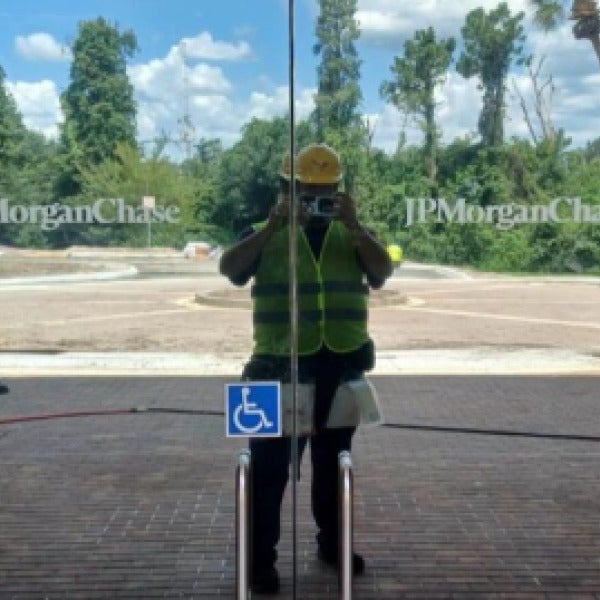
ADA & wayfinding signage project for JP Morgan Chase Head Quarter's Buildings Renovation
Oct 1, 2026 by Shelbern Brown
We’re thrilled to announce a major milestone: we have successfully delivered and installed over 500 ADA and wayfinding signs for JP Morgan Chase's corporate office in Tampa! This accomplishment, made possible through our collaboration with Ryan Construction, plays a vital role in the renovation of three key buildings. As JP Morgan Chase elevates their locations, they choose us for their signage needs, highlighting our unwavering commitment to quality, clarity, and timely execution. Join us as we pave the way for future successful partnerships and groundbreaking projects! Let's continue transforming spaces together!
Read more
What Type of Sign Is Best for My Business? Complete Commercial Sign Guide
Aug 24, 2026 by
What Type of Sign Is Best for My Business? Complete Commercial Sign Guide
Choosing a business sign sounds simple until you start looking at the options.
Should you use channel letters or a cabinet sign?
Should your sign be illuminated?
Would dimensional letters look better?
Do you need a monument sign near the road?
What if your storefront doesn't have enough visibility?
And what type of sign will hold up best in Florida weather?
The right answer depends on your location, visibility, building, brand, budget, operating hours, landlord requirements and local sign regulations.
Quick Answer: What Type of Sign Is Best for a Business?
For many retail businesses, restaurants, medical offices and commercial storefronts, channel letters are one of the most effective exterior sign options because they're highly visible, professional and can be illuminated at night.
However, they aren't automatically the best choice for every business.
Depending on your property and goals, the best solution might instead be:
Channel letters
Dimensional letters
Cabinet signs
Monument signs
Pylon signs
Post-and-panel signs
Window graphics
Wall graphics
Lobby signs
ADA signs
Directional and wayfinding signs
Vehicle graphics
At Signarama Carrollwood, we recommend starting with the problem the sign needs to solve rather than starting with a particular product.
Ask:
Where will customers see my business?
How far away will they be?
How fast will they be traveling?
Does the sign need to work at night?
What does my building allow?
What image do I want my business to communicate?
Those answers usually make the right type of signage much easier to identify.
The Most Common Types of Business Signs
Here are the major commercial sign types and where each one works best.
Sign Type | Best For | Illumination Available? | Typical Visibility |
|---|---|---|---|
Channel Letters | Storefronts, restaurants, retail | Yes | Excellent |
Dimensional Letters | Offices, upscale storefronts, interiors | Optional | Good |
Cabinet Signs | Retail, plazas, existing sign structures | Yes | Excellent |
Monument Signs | Offices, communities, schools, medical | Yes | Excellent |
Pylon Signs | Roadside businesses, shopping centers | Yes | Excellent at distance |
Post & Panel Signs | Offices, properties, directional signs | Usually no | Good |
Window Graphics | Storefront advertising/privacy | No | Close range |
Wall Graphics | Interiors, branding, offices | No | Interior |
Lobby Signs | Reception areas | Optional | Interior |
ADA Signs | Commercial interiors | Usually no | Interior |
Vehicle Graphics | Mobile advertising | No | Mobile |
Let's look at each in more detail.
1. Channel Letter Signs
What Are Channel Letters?
Channel letters are individually fabricated letters or logos commonly mounted to the exterior of commercial buildings.
They're one of the most recognizable types of storefront signage.
You'll commonly see them on:
Restaurants
Retail stores
Gyms
Medical offices
Banks
Shopping centers
Professional offices
Grocery stores
Franchise locations
Are Channel Letters Good for a Business?
For many storefront businesses, yes.
Channel letters offer several advantages:
Excellent visibility
Professional appearance
Custom shapes and logos
Day and nighttime visibility
LED illumination
Strong brand presence
Long-term exterior use
There are several configurations available.
Front-Lit Channel Letters
The face of each letter illuminates.
This is probably what most people picture when they think of an illuminated storefront sign.
Reverse-Lit or Halo-Lit Channel Letters
Light projects behind the letters and creates a halo on the wall.
This creates a sophisticated architectural appearance.
Front-and-Back-Lit Channel Letters
These combine illuminated faces with halo illumination.
Raceway-Mounted Channel Letters
The letters are attached to an aluminum raceway, which is then attached to the building.
This can reduce the number of penetrations into the wall and simplify certain installations.
Direct-Mounted Channel Letters
Individual letters are attached directly to the building façade.
This can provide a very clean appearance when the building and installation conditions allow it.
Best for: Businesses needing strong storefront visibility and nighttime identification.
2. Dimensional Letter Signs
Dimensional letters provide depth without necessarily using the traditional channel-letter construction.
They can be manufactured from materials such as:
Acrylic
PVC
Aluminum
Metal
High-density materials
Combination materials
Dimensional lettering works particularly well when you want a clean, architectural appearance.
You'll commonly find it on:
Professional offices
Medical practices
Law firms
Corporate offices
Retail stores
Reception areas
Interior feature walls
Dimensional Letters vs. Channel Letters
The primary difference is construction and illumination.
Channel letters are fabricated hollow letters that commonly contain LED illumination.
Dimensional letters are generally solid or layered materials.
If nighttime illumination isn't necessary, dimensional letters can provide a premium appearance without the complexity of internally illuminated channel letters.
Best for: Professional, architectural or upscale branding where depth matters but internal illumination isn't necessary.
3. Cabinet Signs
A cabinet sign is an enclosed sign structure that typically contains an aluminum frame with an acrylic, polycarbonate or other sign face.
Many cabinet signs are internally illuminated.
You've probably seen them on:
Shopping centers
Restaurants
Older retail buildings
Convenience stores
Freestanding sign structures
Commercial plazas
Cabinet signs can be very practical because a relatively large graphic area can be illuminated within one structure.
They can also be useful when a property already has an existing cabinet that can potentially be updated for a new tenant.
Cabinet Sign vs. Channel Letters
Channel letters provide individually shaped letters and often create a more dimensional architectural appearance.
Cabinet signs provide one continuous illuminated sign area.
Which is better depends on:
Brand design
Building architecture
Existing sign structures
Budget
Landlord criteria
Sign code
Desired appearance
Best for: Businesses needing a large illuminated sign area or properties with existing sign cabinets.
4. Monument Signs
A monument sign is a freestanding sign installed relatively close to ground level.
These are commonly used at entrances to:
Office buildings
Medical centers
Apartment communities
Condominiums
Schools
Churches
Business parks
Shopping centers
Residential communities
Monument signs can be constructed using combinations of:
Aluminum
Masonry
Faux stone
Brick
Stucco
Acrylic
Dimensional letters
Illuminated cabinets
LED displays
When Is a Monument Sign Better Than a Building Sign?
Imagine your building sits 200 feet from the road.
You can install beautiful channel letters on the building, but drivers may have difficulty seeing them.
A monument sign positioned closer to the roadway may provide much stronger visibility.
That's why many properties use both.
The monument identifies the property from the road, while the building sign identifies the specific business.
Best for: Properties set back from the road or businesses that need strong entrance identification.
5. Pylon Signs
A pylon sign is a tall freestanding sign designed to provide visibility from a significant distance.
They're especially useful where traffic moves quickly.
Common locations include:
Shopping centers
Gas stations
Hotels
Restaurants
Automotive dealerships
Highway-adjacent businesses
Large commercial developments
Why Are Pylon Signs So Effective?
Height.
A building or monument sign can become hidden behind:
Trees
Other buildings
Parked vehicles
Landscaping
Traffic
Other roadside structures
A pylon sign elevates the business identity above many of these visual obstacles.
Multi-tenant pylon signs can also identify several businesses within the same shopping center.
Best for: High-traffic roads and businesses needing long-distance visibility.
6. Post-and-Panel Signs
Post-and-panel signs consist of one or more posts supporting a sign panel.
They're relatively simple but extremely useful.
Common applications include:
Business identification
Property entrances
Directional signage
Construction sites
Real estate developments
Parking areas
Temporary property identification
They can be manufactured using aluminum, composite materials and other exterior-grade products.
Best for: Cost-effective property identification and directional applications.
7. Window Graphics
Your storefront windows are valuable advertising space.
Window graphics can transform unused glass into:
Branding
Advertising
Privacy
Business identification
Promotional messaging
Decorative design
Options include:
Cut Vinyl Lettering
Excellent for:
Business hours
Phone numbers
Website addresses
Logos
Door identification
Printed Window Graphics
Full-color printed vinyl can display photography, branding and promotional graphics.
Perforated Window Vinyl
Perforated vinyl allows printed graphics to be visible from outside while maintaining some visibility through the glass from inside.
Frosted Vinyl
Frosted film creates the appearance of etched or frosted glass and is commonly used for privacy.
Best for: Retail storefronts, offices, restaurants, salons and businesses with large glass areas.
8. Wall Graphics and Murals
Not every important business sign is outside.
Wall graphics can transform blank interior walls into branded environments.
Businesses use wall graphics for:
Company logos
Mission statements
Core values
Brand storytelling
Photography
Decorative patterns
Employee environments
Customer experiences
Large-format wall graphics can cover anything from a small feature wall to thousands of square feet.
They're particularly effective in:
Offices
Schools
Gyms
Restaurants
Retail stores
Corporate facilities
Healthcare facilities
A well-designed wall graphic can turn the building itself into part of the brand experience.
Best for: Businesses wanting to transform interior spaces without permanent architectural construction.
9. Lobby and Reception Signs
Your exterior sign gets people through the door.
Your lobby sign helps reinforce the brand once they're inside.
Lobby signs can be made using:
Acrylic
Dimensional letters
Metal
PVC
Printed graphics
Standoff-mounted panels
Illuminated letters
Backlit logos
One popular design combines a clear or frosted acrylic backer with dimensional lettering mounted using decorative standoffs.
Another clean option is installing dimensional letters directly onto the wall.
Best for: Offices, medical practices, law firms, corporate facilities, financial businesses and professional reception areas.
10. ADA Signs
ADA signage is an essential component of many commercial facilities.
Depending on the application, compliant signs may require features such as:
Raised characters
Braille
Appropriate character size
Proper contrast
Correct mounting height
Correct placement
Pictograms
Examples include:
Restroom signs
Room identification
Exit signs
Stair identification
Accessible-room signage
Permanent-space identification
ADA signs shouldn't be treated as decorative signs alone.
They need to satisfy applicable accessibility requirements.
Best for: Commercial buildings, offices, schools, healthcare facilities, multifamily properties and public accommodations.
11. Directional and Wayfinding Signs
Good signage doesn't only tell customers that they've reached your business.
It tells them where to go next.
Wayfinding systems can include:
Entrance signs
Exit signs
Parking signs
Building identification
Floor directories
Room identification
Directional arrows
Department identification
Pedestrian signs
This becomes especially important for:
Hospitals
Medical offices
Schools
Apartment communities
Office campuses
Shopping centers
Large commercial facilities
Confusing wayfinding creates a poor customer experience.
A properly planned sign system makes a property easier to navigate.
Best for: Larger facilities and properties with multiple destinations.
12. Vehicle Graphics and Wraps
Sometimes your best sign isn't attached to your building.
It's driving around Tampa.
Commercial vehicle graphics can turn:
Cars
Pickup trucks
Vans
Box trucks
Trailers
Fleet vehicles
into mobile advertising.
Options range from simple door lettering to full vehicle wraps.
Vehicle Lettering
Good for displaying:
Company name
Logo
Phone number
Website
Services
Partial Vehicle Wrap
Combines printed graphics with the vehicle's original paint.
Full Vehicle Wrap
Covers most of the visible painted surface with printed and laminated vinyl.
Vehicle graphics can be especially valuable for service businesses whose vehicles travel throughout the community every day.
Best for: Contractors, landscapers, plumbers, electricians, HVAC companies, delivery businesses, mobile services and other local companies.
Illuminated vs. Non-Illuminated Signs: Which Is Better?
One of the biggest decisions when choosing a sign is whether it should illuminate.
Choose an Illuminated Sign When:
Your business operates at night
Your location receives evening traffic
Visibility from the road is important
Other businesses around you have illuminated signs
Your sign needs to identify the business 24/7
Examples include restaurants, gyms, retail stores, convenience stores and many medical facilities.
Choose a Non-Illuminated Sign When:
The business operates primarily during daylight
Exterior lighting already illuminates the sign
The sign is primarily decorative
Budget is limited
The property doesn't allow illuminated signage
Neither is universally better.
The correct decision depends on how and when customers need to see the sign.
What Is the Best Sign for a Retail Store?
For many retail storefronts, illuminated channel letters are an excellent primary sign choice.
A complete retail signage package may include:
Channel Letters + Window Graphics + Door Hours + Interior Branding + Directional Signs
If the store sits far from the road, a monument or pylon sign may also be important.
What Is the Best Sign for a Restaurant?
Restaurants often benefit significantly from nighttime visibility.
Common restaurant signage includes:
Illuminated channel letters
Blade signs
Monument or pylon panels
Window graphics
Menu graphics
Directional signs
Interior wall graphics
Door graphics
The main exterior sign should be readable quickly by drivers and pedestrians.
What Is the Best Sign for an Office?
Professional offices may prioritize appearance differently from retail businesses.
Common choices include:
Dimensional letters
Halo-lit letters
Monument signs
Lobby signs
Frosted window graphics
Suite identification
ADA signs
Wayfinding
A professional office may benefit more from sophisticated architectural signage than from extremely bright advertising signage.
What Is the Best Sign for a Medical Office?
Medical facilities often need a complete wayfinding system rather than just one sign.
That might include:
Monument Sign → Building Identification → Entrance Identification → Lobby Directory → Directional Signs → ADA Room Signs
The goal isn't simply branding.
Patients need to find the correct building, entrance, department and room without confusion.
What Is the Best Sign for an Apartment or Condominium Community?
Multifamily properties commonly need:
Monument entrance signs
Building numbers
Unit identification
Directional signs
Parking signs
Pool signs
Clubhouse signs
ADA signs
Regulatory signs
Property maps
Consistency is important because dozens or even hundreds of individual signs may form one complete wayfinding system.
What Is the Best Sign for a School?
Schools may use:
Monument signs
Electronic message centers
Building identification
Directional signs
ADA signs
Room identification
Wall graphics
Gymnasium graphics
Donor recognition
Parking and traffic signs
Large wall graphics are particularly useful for incorporating school colors, mascots, motivational messaging and school identity into interior spaces.
What Is the Best Sign for a Church?
Church signage often needs to serve both identification and communication.
Common options include:
Monument signs
Electronic message centers
Building signs
Directional signs
Parking signs
Interior wayfinding
Wall graphics
A roadside monument sign with an electronic message center can allow a church to communicate service times, events and announcements in addition to identifying the property.
What Is the Best Sign for a Warehouse or Industrial Business?
Industrial properties often need signage that emphasizes visibility and navigation.
Options include:
Large building letters
Aluminum panel signs
Monument signs
Directional signs
Dock identification
Safety signage
Parking signs
Door numbers
Vehicle graphics
Because industrial buildings can be very large, sign scale becomes especially important.
A sign that looks large on a computer screen may appear surprisingly small once installed on a 100-foot-wide building.
How Large Should My Business Sign Be?
One of the most common sign-design mistakes is making the sign look good on the design proof without considering how it will look from the road.
A sign should be designed for its actual viewing environment.
Consider:
Distance from the road
Traffic speed
Building setback
Sign height
Letter height
Viewing angle
Contrast
Landscaping
Nearby buildings
Competing signs
Daytime visibility
Nighttime visibility
If drivers have only a few seconds to identify your business, simplicity matters.
What Makes a Business Sign Easy to Read?
Good sign design isn't simply about making the logo large.
Several factors work together.
Contrast
Letters need sufficient contrast against the background.
Letter Height
Letters must be large enough for the expected viewing distance.
Font
Extremely thin, decorative or complicated fonts can become difficult to read from a distance.
Spacing
Crowded letters and graphics reduce readability.
Message Length
A roadside sign isn't a brochure.
Someone traveling 40 miles per hour cannot process ten lines of information.
Visual Hierarchy
Customers should immediately understand the most important information.
Usually that's your business name or brand.
Should I Put My Phone Number on My Building Sign?
Usually, the primary purpose of a permanent storefront sign is identification.
Adding:
Company Name + Phone + Website + Services + Slogan + Social Media + Email
can create clutter.
For many storefront signs, the business name and logo should dominate.
Phone numbers, websites and additional messaging can instead be placed on:
Window graphics
Door graphics
Vehicle graphics
Temporary banners
Other marketing materials
Good signage communicates quickly.
What Sign Material Is Best for Florida Weather?
Florida creates unique challenges for exterior signage.
Signs may experience:
Intense UV exposure
Heat
Heavy rain
Humidity
High winds
Tropical storms
Hurricanes
Common exterior sign materials include:
Aluminum
Acrylic
Polycarbonate
Exterior-grade vinyl
Properly finished metals
Exterior-rated LEDs
Engineered structural components
Material selection should consider the expected lifespan and installation environment rather than simply choosing the least expensive material.
Does My Business Sign Need a Permit?
Many permanent exterior business signs require permits.
The exact requirements depend on:
Jurisdiction
Sign type
Sign size
Illumination
Structural attachment
Electrical work
Location
A Tampa mailing address does not necessarily mean the property falls within the City of Tampa.
Some properties are located in unincorporated Hillsborough County or another municipality.
Read our complete guide: Does My Business Sign Need a Permit in Tampa?
Does My Landlord Decide What Sign I Can Have?
If you're leasing commercial property, your landlord may have significant control over your signage.
Many shopping centers have sign criteria regulating:
Letter height
Sign width
Colors
Materials
Illumination
Mounting
Raceway construction
Logo dimensions
Sign placement
Before designing or manufacturing a permanent sign, obtain the property's sign criteria.
You may need both:
Landlord Approval + Government Permit Approval
before installation.
How Much Does a Business Sign Cost?
Business signage can range from a few hundred dollars for simple graphics to tens of thousands of dollars for large illuminated or freestanding signs.
The price depends on:
Sign type
Size
Materials
Illumination
Engineering
Permitting
Installation
Electrical requirements
Site conditions
For detailed pricing examples, read:
How Much Does a Business Sign Cost in Tampa, FL? 2026 Pricing Guide
What Is the Best Sign If I Have a Small Budget?
Instead of asking:
“What is the cheapest sign?”
ask:
“What gives me the most useful visibility within my budget?”
For one business, that might be dimensional letters.
For another, it could be window graphics.
For a contractor, investing the same amount into vehicle graphics could generate more visibility than an expensive interior lobby sign.
A sign professional should help prioritize the investment based on how customers actually find and interact with the business.
Should I Buy My Sign Online?
Online sign suppliers can work well for certain standardized products.
But permanent commercial signage can involve much more than printing the sign itself.
A complete project may require:
Site survey
Measurements
Design
Landlord approval
Code review
Engineering
Permitting
Fabrication
Electrical coordination
Installation
Inspection
Ordering a sign before understanding these requirements can create expensive problems if the sign doesn't fit, isn't allowed, or cannot be installed as expected.
Should I Use One Sign Company for the Entire Project?
For larger commercial projects, having one company coordinate the process can simplify communication.
Instead of separately managing:
Designer → Engineer → Permit → Fabricator → Installer
a full-service sign company can help coordinate these stages as one project.
At Signarama Carrollwood, our approach is to understand the customer's objective first and then help develop the appropriate sign solution.
That can include:
Consultation → Site Survey → Design → Permitting & Engineering Coordination → Production → Installation
when required for the project.
How Do I Choose the Right Sign for My Business?
Use these seven questions.
1. Where will people see the sign?
From the sidewalk?
Parking lot?
Across the street?
A road traveling 45 mph?
2. How far away will they be?
Viewing distance directly affects letter size and overall sign scale.
3. Does the sign need to work at night?
If yes, consider illumination.
4. Is my building easy to see from the road?
If not, consider monument or pylon signage where allowed.
5. What does my landlord allow?
Obtain the sign criteria before finalizing the design.
6. What does local sign code allow?
Maximum area, placement, height and sign type may be regulated.
7. What is my total budget?
Consider the complete project:
Design + Sign + Engineering + Permit + Installation + Electrical
not just manufacturing.
Quick Business Sign Selection Guide
If you're still unsure where to start, use this simplified guide.
I have a retail storefront:
Start with channel letters or another prominent building sign.
My building is far from the road:
Consider a monument or pylon sign where permitted.
I need customers to see me at night:
Consider illuminated signage.
I want an upscale office appearance:
Consider dimensional or halo-lit letters.
I have large storefront windows:
Consider window graphics.
I need privacy in an office:
Consider frosted vinyl.
I have blank interior walls:
Consider wall graphics or murals.
I need professional reception branding:
Consider a dimensional lobby sign.
Customers have difficulty navigating my property:
Develop a wayfinding sign system.
I operate service vehicles:
Consider vehicle lettering, graphics or wraps.
I'm opening a new commercial location:
Plan the complete sign package rather than ordering individual signs one at a time.
Frequently Asked Questions About Business Signs
What is the most popular type of storefront sign?
Channel letters are one of the most common choices for permanent commercial storefront signage because they provide dimensional branding and can be illuminated.
What is the best sign for nighttime visibility?
Illuminated channel letters, cabinet signs, monument signs and pylon signs can all provide excellent nighttime visibility depending on the property.
What is the difference between channel letters and dimensional letters?
Channel letters are fabricated letters that can contain internal LED illumination. Dimensional letters are generally solid or layered letters that provide depth but are not necessarily internally illuminated.
Is a monument sign better than a building sign?
They serve different purposes. A monument sign can provide roadside identification, while a building sign identifies the actual storefront or building. Many properties benefit from both.
What is the best sign for a business located far from the road?
A monument or pylon sign may provide better roadside visibility, subject to local sign regulations and property conditions.
Should my business sign be illuminated?
If customers need to identify the business after sunset, illumination can significantly improve visibility.
How much does a commercial sign cost?
Costs range from hundreds of dollars for basic signage to tens of thousands for large illuminated, engineered or freestanding signs. Size, materials, illumination, permitting and installation all affect pricing.
Does a commercial sign require a permit?
Many permanent exterior signs do. Requirements vary based on jurisdiction, sign type, size, illumination, attachment and other factors.
Can a sign company design my sign if I already have a logo?
Yes. Your existing logo and brand standards can be adapted to an appropriate sign system while considering fabrication, readability and installation requirements.
What if I don't know what type of sign I need?
That's normal. A site survey and discussion about visibility, branding, budget and property requirements can help determine the most appropriate options.
Need Help Choosing the Right Business Sign in Tampa?
You don't need to know the difference between a channel letter, raceway, cabinet, monument sign or perforated window film before contacting a sign company.
That's our job.
Tell us:
Where your business is located.
What you want customers to see.
What problem you're trying to solve.
What kind of image you want your business to project.
From there, we can help determine an appropriate solution.
Signarama Carrollwood provides custom commercial signage for businesses throughout Tampa and the surrounding area, including:
Channel letters
Dimensional letters
Cabinet signs
Monument signs
Pylon signs
Lobby signs
ADA signage
Window graphics
Wall graphics and murals
Vehicle graphics and wraps
Directional and wayfinding signage
Custom commercial signs
Whether you're opening a new location, replacing an outdated sign, rebranding an existing business or simply trying to improve visibility, our team can help evaluate the project from concept through production and installation.
Contact Signarama Carrollwood at 813-252-9833 to schedule a consultation or request a quote for your commercial sign project.
Does My Business Sign Need a Permit in Tampa? Complete 2026 Sign Permit Guide
Aug 21, 2026 by Raju Gupta
Does My Business Sign Need a Permit in Tampa? Complete 2026 Sign Permit Guide
If you're installing, replacing, relocating, or modifying a business sign in Tampa, one of the most important questions to answer before starting work is:
Do I need a permit for my business sign?
Quick Answer: Does a Business Sign Need a Permit in Tampa?
Many permanent commercial signs in Tampa require a sign permit.
This commonly includes new wall signs, channel letters, illuminated signs, monument signs, pylon signs, projecting signs, and other signs that are attached to or supported by a building or structure.
However, not every sign project requires the same permitting process, and certain limited sign changes or exempt signs may not require a new sign permit.
The answer depends on several factors:
Where the property is located
Type of sign
Size of the sign
Whether the sign is illuminated
How it attaches to the building
Whether an existing structure is being modified
Whether structural components are changing
Whether electrical work is involved
Applicable zoning and sign-code requirements
One particularly important point for Tampa-area businesses is that a Tampa mailing address does not necessarily mean the property is inside the City of Tampa.
A property may instead be located in unincorporated Hillsborough County or another municipality, which can mean different sign regulations and permitting procedures.
At Signarama Carrollwood, determining the correct jurisdiction is one of the first steps we consider when evaluating a permitted sign project.
What Types of Signs Typically Require a Permit in Tampa?
Permanent exterior commercial signage commonly requires permitting when a sign is being newly installed or when an existing sign is structurally altered, relocated, enlarged, rebuilt, or otherwise modified in a way covered by the applicable sign code.
Examples may include:
Channel letter signs
Illuminated wall signs
Cabinet signs
Monument signs
Pylon signs
Pole signs
Projecting signs
Blade signs
Large wall-mounted signs
Freestanding signs
Electronic message centers
Signs requiring new structural attachments
Signs requiring foundations or footers
The exact requirements should always be verified for the particular property and project.
Do Channel Letter Signs Require a Permit in Tampa?
New exterior channel-letter signs generally require permitting.
Channel letters are permanent building-mounted signs and may involve both structural attachment and electrical components.
A channel-letter permit package may need to address:
Overall sign dimensions
Letter dimensions
Sign area
Building elevation
Sign location
Mounting method
Attachment details
Electrical requirements
Wind-load requirements
For raceway-mounted channel letters, the attachment of the raceway to the building is also an important part of the installation.
For individually mounted letters, the mounting pattern and electrical penetrations may need to be considered.
Do Illuminated Business Signs Require a Permit?
Illuminated commercial signage generally involves additional requirements because electricity is involved.
Examples include:
Internally illuminated channel letters
Halo-lit letters
Illuminated cabinet signs
Illuminated monument signs
Illuminated pylon signs
Electronic message centers
LED displays
The City of Tampa's current commercial-sign permitting guidance specifically identifies electrical connection information, when applicable, as part of its document review requirements.
Depending on the project, electrical work may involve additional permitting and inspection requirements.
This is one reason illuminated signage should be planned before fabrication begins.
Does Replacing an Existing Sign Face Require a Permit?
This is one of the most common questions businesses ask.
The answer is:
It depends on exactly what is being changed.
A straightforward change to advertising copy or a sign face may be treated differently from a modification that alters the structure, sign area, mounting system, electrical components, or design integrity of the existing sign.
For example, imagine an existing illuminated cabinet sign with a flexible face.
If the project simply replaces equivalent graphics on an existing permitted face, that may be very different from converting the cabinet from a flexible-face system to rigid acrylic or polycarbonate panels.
The second project can potentially affect:
Retainers
Cabinet construction
Face weight
Structural loads
Attachment
Wind resistance
Original engineered design
Therefore, don't assume that “we're only changing the face” automatically means a permit isn't required.
The scope of the modification matters.
Does Changing the Graphics on an Existing Sign Require a Permit?
Sometimes simple copy changes may not require a new sign permit.
For example, changing the tenant name or graphics on an existing permitted sign without increasing its sign area or structurally modifying the sign may fall into a different category from installing an entirely new sign.
However, once the work requires structural disassembly, modification, relocation, enlargement, or other substantial changes, permitting requirements can change.
Before modifying an existing sign, it's wise to determine:
Whether the existing sign was permitted.
What the existing permit approved.
Whether the proposed work changes that approved condition.
Whether electrical or structural components will be modified.
Does a New Storefront Sign Require a Permit?
In many cases, yes.
If you're opening a business and installing permanent exterior signage on the building, expect permitting to be part of the project.
Typical examples include:
Channel letters
Dimensional exterior letters
Illuminated logo signs
Cabinet signs
Projecting signs
Large wall signs
But permitting is only one layer of approval.
If you lease the property, your landlord may also need to approve the sign before it is manufactured.
Does My Landlord Need to Approve My Sign?
Often, yes.
Shopping centers and commercial landlords frequently have their own sign criteria.
The criteria may regulate:
Letter height
Sign width
Colors
Logo size
Illumination
Raceway color
Mounting
Placement
Materials
Maximum sign area
A sign can potentially comply with local sign code while still violating your lease or shopping-center sign criteria.
Likewise, landlord approval doesn't automatically mean the sign meets municipal code.
You may need both landlord approval and government permitting.
This is why we recommend obtaining and reviewing the property's sign criteria early in the design process.
Does a Monument Sign Require a Permit?
Yes, new monument signs typically require permitting.
A monument sign is a freestanding structure, so the permit review can involve considerably more than the graphics displayed on the sign.
Depending on the project, plans may address:
Overall dimensions
Sign area
Property location
Setbacks
Foundation
Structural supports
Wind loading
Electrical connections
Illumination
Sight visibility
Zoning requirements
The City of Tampa specifically lists foundation plans for freestanding signs among its commercial-sign document-review requirements.
Does a Pylon or Pole Sign Require a Permit?
Yes, a new pylon or pole sign generally requires permitting and structural review.
These signs can be large structures exposed to substantial wind forces.
The engineering may need to consider:
Sign height
Cabinet dimensions
Sign area
Pole diameter
Steel thickness
Foundation diameter
Foundation depth
Soil assumptions
Wind speed
Wind pressure
Connections
Welds
Anchor systems
In Florida, the structural design of a large freestanding sign is particularly important because of wind-loading requirements.
Do I Need Engineering Drawings for My Sign?
Not every sign requires the same level of engineering, but many structural sign projects may require engineered documentation.
Engineering is particularly relevant for projects involving:
Freestanding signs
Pylon signs
Monument signs
Large wall signs
Projecting signs
Suspended signs
Large channel-letter installations
Structural modifications
Unusual mounting conditions
The City of Tampa's commercial-sign review requirements include items such as:
Sign specifications
Design wind-load information
Foundation plans for freestanding signs
Building attachment information
When engineering is required, the engineer evaluates how the sign and its supporting structure resist the loads imposed on them.
Why Are Wind Loads Important for Signs in Florida?
Exterior signs essentially act like surfaces exposed to the wind.
The larger and taller the sign, the greater the forces can become.
Engineers may consider factors such as:
Design wind speed
Exposure
Sign height
Sign area
Building height
Sign location
Support structure
Attachment method
This becomes especially important for:
Monument signs, pylon signs, projecting signs, large cabinets and large building-mounted signs.
A properly engineered installation isn't simply about passing permitting—it is about helping ensure that the sign and its support system are appropriate for the environment where they will be installed.
What Documents Are Needed for a Sign Permit in Tampa?
Requirements depend on the project, but a commercial sign permit package may include items such as:
Site Plan
The site plan can show:
Property boundaries
Building location
Proposed sign location
Distances to property lines
Existing signs
Streets and access
Building Elevation
For a building-mounted sign, the elevation typically shows:
Building façade
Proposed sign
Sign dimensions
Location on the building
Sign Drawings
These may show:
Overall dimensions
Letter dimensions
Materials
Sign area
Colors
Illumination
Cabinet construction
Attachment Details
These explain how the sign will be secured to the structure.
Examples might include:
Anchors
Bolts
Studs
Raceway mounting
Structural framing
Wall attachment
Foundation Details
For freestanding signs, plans may show:
Footer diameter
Footer depth
Reinforcement
Pole or support structure
Concrete specifications
Electrical Information
Illuminated signs may require information about:
Power supply
Disconnect
Wiring
LED components
Electrical connection
Engineering Information
When applicable, engineering documents may provide structural calculations and signed/sealed drawings.
What Is the Sign Permit Process in Tampa?
Although every project is different, a typical commercial sign project follows a process similar to:
1. Site Survey
The location is measured and existing conditions are documented.
↓
2. Sign Design
The proposed signage is designed based on branding, visibility, code limitations and property requirements.
↓
3. Landlord Approval
If applicable, the property owner or management company reviews the design.
↓
4. Engineering
Structural details are prepared when required.
↓
5. Permit Application
Plans and supporting documents are submitted to the appropriate jurisdiction.
↓
6. Plan Review
The jurisdiction reviews the project for applicable requirements.
↓
7. Corrections, If Required
Reviewers may request revisions or additional information.
↓
8. Permit Approval
Once approved and required fees are paid, the permit can be issued.
↓
9. Manufacturing
The approved sign is fabricated according to the permitted design.
↓
10. Installation
The sign is installed according to the approved plans.
↓
11. Inspection
Required building and/or electrical inspections are completed.
For City of Tampa commercial signs, the City's current guidance identifies both building final and electrical final inspections as applicable stages of the process.
How Long Does It Take to Get a Sign Permit in Tampa?
There isn't one guaranteed timeline.
Permit processing time depends on:
Project complexity
Jurisdiction
Completeness of the application
Engineering requirements
Current review workload
Corrections requested
Zoning issues
Property conditions
A straightforward wall sign with complete documentation can move differently from a large engineered monument or pylon sign.
The best way to avoid unnecessary delays is to submit a complete and accurate permit package the first time.
Can I Install My Sign While Waiting for the Permit?
If the project requires a permit, you should not install the sign before the required permit has been issued.
Manufacturing before approval can also create unnecessary risk.
For example, imagine manufacturing a 10-foot-wide channel-letter sign only to discover during permit review that the allowable sign area or landlord criteria limits it to 8 feet.
Now the sign may need to be redesigned or remanufactured.
For permitted projects, final production should be coordinated with the approved design.
What Happens If I Install a Sign Without a Required Permit?
Installing a sign without a required permit can create serious problems.
Potential consequences can include:
Stop-work action
Code-enforcement involvement
After-the-fact permitting
Additional fees
Required engineering
Required inspections
Modification of the sign
Removal of noncompliant signage
An unpermitted sign can become particularly problematic when a property is sold, renovated, inspected, or reported.
Obtaining the correct approvals before installation is generally far less expensive than correcting an unpermitted installation afterward.
Is Tampa the Same as Hillsborough County for Sign Permits?
No. This is extremely important.
The City of Tampa and unincorporated Hillsborough County are separate permitting jurisdictions.
For example, a business address may say:
Tampa, FL
but the property may actually be located outside the incorporated City of Tampa.
In that case, Hillsborough County may be the permitting authority.
Other Tampa Bay properties can fall under jurisdictions such as:
Temple Terrace
Plant City
Clearwater
St. Petersburg
Pinellas County
Pasco County
Each jurisdiction can have its own sign regulations and permitting process.
Always verify the property's jurisdiction before applying.
How Are Sign Permits Submitted in the City of Tampa?
The City of Tampa uses its electronic permitting system for permit applications and plan review.
Commercial-sign applications require project information and supporting documentation appropriate to the proposed sign.
The City's current commercial-sign guidance identifies documentation including site plans, building elevations, sign specifications and area calculations, wind-load information, electrical information when applicable, foundation plans for freestanding signs, and building-attachment information.
Permit requirements can change, so current requirements should be verified when the project is submitted.
How Are Sign Permits Submitted in Hillsborough County?
For properties located in unincorporated Hillsborough County, sign permits are handled through Hillsborough County rather than the City of Tampa.
Hillsborough County currently directs sign-permit applications through HillsGovHub.
Projects prepared by professional designers such as engineers or architects may also be subject to the County's digital-signature requirements for signed and sealed documents.
Again, the first step is determining which jurisdiction actually governs the property.
Do Window Graphics Require a Sign Permit?
Window graphics can be treated differently from permanent structural signage.
Whether approval or permitting is required can depend on:
Amount of window coverage
Type of graphic
Property location
Sign code
Illumination
Temporary vs. permanent use
Landlord restrictions
Even if a building permit isn't required, zoning or sign-code limitations can still apply.
Businesses should avoid assuming that because vinyl doesn't involve drilling into a building, there are no rules governing it.
Do Wall Murals Require a Permit?
Possibly.
A decorative mural and a mural containing commercial advertising or business identification may be treated differently.
The content, location, dimensions, method of installation and applicable local regulations can affect how the project is classified.
Large exterior wall graphics should therefore be evaluated before production and installation.
Do Temporary Signs and Banners Require Permits?
Temporary signs can have their own set of regulations.
Rules may address:
Size
Placement
Duration
Quantity
Setbacks
Attachment
Right-of-way restrictions
A sign being temporary does not automatically mean it is exempt from all local regulations.
Before installing a large promotional banner or temporary exterior sign, check the requirements applicable to the property.
What About Signs in Historic Districts?
Properties within historic districts or specially regulated areas can face additional design requirements.
A sign that might be acceptable elsewhere in Tampa may require additional review when installed on a historic property or within a regulated district.
This can affect:
Sign dimensions
Materials
Illumination
Placement
Sign style
Attachment methods
Identifying these requirements early can prevent redesign later.
How Much Does a Sign Permit Cost in Tampa?
There isn't one universal price for every commercial sign permit.
Total permitting-related costs can depend on:
Sign type
Project valuation
Electrical work
Engineering
Number of signs
Additional reviews
Revisions
Contractor services
Also distinguish between:
Government permit fees and the cost of preparing and processing the permit.
A sign company may charge separately for site surveys, permit drawings, engineering coordination, application preparation, revisions, permit processing and inspections.
When comparing sign quotes, ask exactly what the permitting charge includes.
Can a Sign Company Handle the Permit for Me?
A qualified commercial sign company can often coordinate much of the permitting process for a sign project.
At Signarama Carrollwood, our goal is to help customers manage the complete sign process rather than simply manufacture a sign and leave them to determine what happens next.
Depending on the project, that can include coordination of:
Site Survey → Design → Landlord Approval → Engineering → Permit Submission → Production → Installation → Inspection
This is particularly valuable for business owners opening a new location who are already coordinating contractors, furniture, utilities, inventory, employees and dozens of other tasks.
Before Ordering a Business Sign: Permit Checklist
Before manufacturing your exterior sign, make sure you can answer these questions:
What jurisdiction is the property located in?
What is the property's zoning?
Does the landlord have sign criteria?
Has the landlord approved the design?
Is the proposed sign size allowed?
Does the sign require a permit?
Is structural engineering required?
Is electrical work involved?
Who is responsible for providing electrical power?
Who is pulling the permit?
Who will handle inspections?
Does the approved permit match the sign being manufactured?
Answering these questions before fabrication can save considerable time and money.
Tampa Sign Permit FAQs
Do I need a permit to install channel letters in Tampa?
New permanent exterior channel letters generally require permitting. Illuminated channel letters may also involve electrical requirements.
Do I need a permit to replace an existing sign?
It depends on what is being replaced. Simple copy or face changes can be treated differently from structural modifications, enlargement, relocation, electrical changes, or changes affecting the existing sign's design.
Does replacing a cabinet sign face require a permit?
Possibly. A simple equivalent face replacement can be different from changing the face material or modifying retainers, framing, structure, illumination, or other components.
Do monument signs require engineering?
Many freestanding sign projects require structural information addressing foundations and wind loads. The exact engineering requirements depend on the project and jurisdiction.
Does my sign need an electrical permit?
Illuminated signs may involve electrical permitting and inspection requirements depending on the project.
Can my landlord approve my sign instead of the city?
No. Landlord approval and governmental approval are separate matters. You may need both.
Can I install the sign before the permit is approved?
If the project requires a permit, installation should wait until the required permit has been issued.
Is a Tampa address automatically under City of Tampa permitting?
No. Some properties with Tampa mailing addresses are located in unincorporated Hillsborough County. Always verify the jurisdiction.
Who can help me determine whether my sign requires a permit?
A local commercial sign company experienced with permitting can review the property, sign type and scope and help determine the appropriate next steps.
Need Help With a Sign Permit in Tampa?
Sign permitting can become confusing because a business owner isn't dealing with just one question.
You may need to determine:
What sign is allowed?
How large can it be?
Does the landlord approve it?
Does it need engineering?
Does it need electrical work?
Which jurisdiction handles the permit?
What drawings are required?
Who handles the inspection?
That's why choosing a sign company that understands the complete process can make a significant difference.
Signarama Carrollwood provides custom commercial signage for businesses throughout Tampa and the surrounding area, including:
Channel letters
Cabinet signs
Monument signs
Pylon signs
Dimensional letters
ADA signage
Window graphics
Wall graphics
Vehicle graphics
Directional and wayfinding signs
Custom commercial signage
Our team can help take your project from concept through design, permitting and engineering coordination when required, fabrication and installation.
Planning a new sign or unsure whether your project requires a permit? Contact Signarama Carrollwood to discuss your project before fabrication begins.
How Much Does a Business Sign Cost in Tampa, FL? 2026 Pricing Guide
Aug 20, 2026 by Raju Gupta
How Much Does a Business Sign Cost in Tampa, FL? 2026 Pricing Guide
If you're opening a new business, replacing an outdated storefront sign, or upgrading your company's visibility, one of the first questions you're probably asking is:
How much does a business sign cost in Tampa?
Quick Answer: How Much Does a Business Sign Cost in Tampa?
Commercial business signs in Tampa can range from a few hundred dollars for simple non-illuminated signage to several thousand dollars—or considerably more—for large illuminated, monument, pylon, or multi-tenant signs.
There isn't one standard price because the cost depends on the type of sign, dimensions, materials, illumination, installation requirements, permitting, engineering, electrical work, and site conditions.
For example, a small dimensional-letter lobby sign is a very different project from an 8-foot-wide illuminated channel-letter storefront sign or a freestanding monument sign requiring excavation, concrete footers, electrical connections, engineering, and permitting.
At Signarama Carrollwood, we recommend evaluating the entire project rather than comparing signs solely by square footage.
Typical Business Sign Costs in Tampa
The following ranges can help business owners establish an initial budget.
Type of Business Sign | Typical Project Cost* |
|---|---|
Vinyl Door/Window Graphics | $150–$1,000+ |
Custom Lobby Sign | $500–$3,000+ |
Dimensional Letters | $750–$4,000+ |
Non-Illuminated Building Sign | $1,000–$5,000+ |
Illuminated Cabinet Sign | $2,000–$7,500+ |
Channel Letter Sign | $2,500–$10,000+ |
Monument Sign | $5,000–$25,000+ |
Pylon/Pole Sign | $8,000–$40,000+ |
Electronic Message Center / LED Display | $10,000–$50,000+ |
These are general planning ranges, not quotes. Actual costs can vary substantially based on size, materials, design, engineering, permitting, electrical requirements, installation conditions, location, and other project-specific factors.
The best way to determine the actual cost is to have a sign professional evaluate your design and installation location.
What Determines the Cost of a Commercial Sign?
Several factors have a major impact on business sign pricing.
1. Sign Size
Size is an obvious factor, but commercial signs aren't always priced strictly by square footage.
A larger sign requires more aluminum, acrylic, vinyl, LEDs, framing, structural components, labor, and potentially heavier installation equipment.
However, two signs with identical dimensions can still have dramatically different prices.
An 8-foot flat aluminum panel with printed graphics may cost substantially less than an 8-foot internally illuminated channel-letter sign.
2. Sign Type
The construction method is one of the biggest pricing factors.
Common commercial sign types include:
Channel letters
Dimensional letters
Cabinet signs
Monument signs
Pylon signs
Post-and-panel signs
Electronic message centers
LED signs
Lobby signs
Window graphics
Wall graphics
ADA signage
Directional and wayfinding signs
Each requires different materials, manufacturing processes, installation methods, and permitting considerations.
How Much Do Channel Letter Signs Cost in Tampa?
Channel letters commonly cost approximately $2,500 to $10,000 or more for a commercial storefront project.
Channel letters are individually fabricated letters or logos commonly installed on shopping centers, restaurants, medical offices, retail stores, and other commercial buildings.
They may be:
Front-Lit Channel Letters
LEDs illuminate the acrylic face of each letter.
This is one of the most common storefront sign styles.
Reverse-Lit Channel Letters
Sometimes called halo-lit letters, these illuminate the wall behind the letters, creating a premium halo effect.
Combination-Lit Channel Letters
These combine front illumination with halo illumination.
Raceway-Mounted Channel Letters
Instead of mounting each letter individually to the building, the letters are installed onto an aluminum raceway containing electrical components.
The raceway is then mounted to the building.
The final price depends heavily on letter height, total sign length, logo complexity, mounting method, electrical access, installation height, and permitting requirements.
How Much Does a Monument Sign Cost in Tampa?
A commercial monument sign can commonly range from approximately $5,000 to $25,000+, depending on its construction.
Large architectural monuments, multi-tenant signs, illuminated signs, masonry structures, or signs incorporating electronic message centers can cost considerably more.
Monument sign pricing may include:
Aluminum fabrication
Masonry or faux masonry
Acrylic faces
Dimensional letters
LED illumination
Tenant panels
Concrete foundations
Structural supports
Excavation
Electrical components
Engineering
Permitting
Installation
Because monument signs are freestanding structures, their foundations and structural requirements are particularly important in Florida.
How Much Does a Pylon Sign Cost?
Pylon signs generally begin in the several-thousand-dollar range and can reach tens of thousands of dollars depending on height and complexity.
These signs are commonly used for:
Shopping centers
Gas stations
Hotels
Restaurants
Automotive businesses
Large commercial properties
Businesses located along high-traffic roads
A pylon sign may require substantial steel supports, engineered foundations, electrical work, permitting, excavation, crane or bucket-truck access, and specialized installation.
For that reason, the visible sign itself is only one component of the total project cost.
How Much Does a Storefront Sign Cost?
A typical storefront signage project may cost anywhere from approximately $1,000 to $10,000+, depending primarily on the sign type.
For example:
Lower-cost storefront options
Flat aluminum signs, printed panels, vinyl graphics, or non-illuminated dimensional lettering.
Mid-range options
Dimensional letters, custom logo signs, illuminated cabinets, or smaller channel-letter sets.
Higher-end options
Large channel letters, halo-lit signs, custom fabricated signs, architectural signage, and complex illuminated installations.
Your building or shopping center may also have specific sign criteria that determine what you can install.
Does My Landlord Determine What Sign I Can Install?
Often, yes.
If your business is located in a shopping center or leased commercial property, your landlord may have a sign criteria package specifying requirements such as:
Maximum letter height
Approved colors
Illumination requirements
Raceway requirements
Mounting methods
Maximum sign area
Logo restrictions
Placement
Required materials
Before manufacturing a sign, these requirements should be reviewed along with applicable local sign codes.
This can prevent an expensive situation where a completed sign doesn't meet the property's requirements.
Do Business Signs Require Permits in Tampa?
Many permanent commercial signs require permits.
Requirements depend on factors including:
Sign type
Sign dimensions
Illumination
Installation method
Structural attachment
Electrical components
Property location
Local jurisdiction
A sign located within the City of Tampa may be subject to different requirements than one located in unincorporated Hillsborough County or another Tampa Bay municipality.
This is one reason working with a local sign company familiar with permitting can simplify the process.
Related Guide: Does My Business Sign Need a Permit in Tampa? Complete Sign Permit Guide.
Does Engineering Increase the Price of a Sign?
It can.
Certain signs may require signed and sealed engineering drawings or structural calculations.
Engineering can address factors such as:
Wind loads
Structural attachment
Pole size
Foundation dimensions
Anchor requirements
Sign cabinet construction
Building attachment
Florida's weather conditions make structural design especially important for exterior signage.
Engineering shouldn't simply be viewed as another expense. It helps establish that the sign and its attachment system are designed for the conditions they'll experience.
How Much Does Sign Installation Cost in Tampa?
Installation costs vary considerably.
A simple wall sign that can be reached with ladders is very different from installing large channel letters 30 feet above the ground.
Installation pricing can depend on:
Number of installers required
Installation time
Building height
Bucket truck requirements
Crane requirements
Concrete foundations
Excavation
Electrical work
Wall construction
Accessibility
Traffic control
Removal of existing signage
When comparing sign quotes, ask whether installation is included.
A lower manufacturing price isn't necessarily a lower total project cost if installation, permitting, engineering, or electrical work is excluded.
Does an Illuminated Sign Cost More?
Generally, yes.
Illuminated signs require additional components such as:
LEDs
Power supplies
Wiring
Acrylic or polycarbonate faces
Aluminum returns
Electrical connections
They may also involve additional permitting and electrical requirements.
However, illumination allows your business to remain visible after sunset, which can make illuminated signage particularly valuable for restaurants, retail stores, gyms, convenience stores, medical facilities, and businesses operating during evening hours.
What Is the Most Affordable Type of Business Sign?
If budget is the primary concern, some of the most economical options include:
Window vinyl
Door graphics
Aluminum panel signs
PVC signs
Printed graphics
Non-illuminated wall signs
But the least expensive sign isn't always the best investment.
A business located 100 feet from a busy road may gain little from a small inexpensive wall sign that drivers cannot read.
The better question is:
What sign provides the best visibility for my location and budget?
How Big Should My Business Sign Be?
Your sign needs to be large enough to be readable from the distance where potential customers will see it.
Consider:
Distance from the road
Traffic speed
Building setback
Sign height
Viewing angle
Letter height
Contrast
Surrounding visual clutter
Daytime and nighttime visibility
A beautiful sign that can't be read from the road isn't doing its primary job.
A professional sign company should consider visibility—not just how the sign looks on a computer screen.
Why Do Two Sign Companies Give Very Different Prices?
This happens frequently.
Two quotes that appear to describe the same sign may actually include very different specifications.
Compare:
Materials
Are both using comparable aluminum thicknesses, acrylics, vinyls and structural components?
LED Components
Are quality LEDs and power supplies being used?
Installation
Is installation included?
Permitting
Does the quote include permit processing?
Engineering
Are engineering drawings included if required?
Electrical Work
Who provides the electrical connection?
Removal
Does the project include removing and disposing of the old sign?
Warranty
What workmanship and component warranties are provided?
Always compare the complete scope—not just the number at the bottom of the estimate.
What Should I Ask a Sign Company Before Ordering?
Before approving a commercial sign project, ask:
Does this sign require a permit?
Is permitting included in the quote?
Is engineering required?
Is engineering included?
Does the landlord need to approve the design?
Is installation included?
Is electrical work included?
What materials will be used?
What type of LEDs are being used?
What warranty is provided?
Who handles inspections?
How long will the project take?
These questions make it much easier to compare proposals accurately.
How Long Does a Commercial Sign Project Take?
A simple non-permitted sign may potentially be completed relatively quickly.
More complicated projects can take several weeks or longer because the process may include:
Site Survey → Design → Landlord Approval → Engineering → Permit Application → Permit Approval → Manufacturing → Installation → Inspection
One of the most common mistakes businesses make is waiting until shortly before opening to begin ordering their exterior signage.
If you're opening a new Tampa business, start discussing permanent signage as early as possible.
What Signs Does a New Business Need?
Depending on the business, signage may include more than the main storefront sign.
A complete package might include:
Exterior building sign
Door graphics
Business hours
Window graphics
Lobby sign
ADA signs
Suite identification
Directional signage
Parking signs
Wayfinding signs
Temporary grand-opening signage
Vehicle graphics
Planning these together can create a much more consistent brand throughout the property.
Choosing a Sign Company in Tampa
When choosing a commercial sign company, don't evaluate only the fabrication price.
Look for a company that can help coordinate the entire process:
Consultation → Site Survey → Design → Material Selection → Permitting → Engineering Coordination → Production → Installation
That becomes particularly important for larger commercial projects where multiple parties may be involved.
Commercial Signs in Tampa: Frequently Asked Questions
How much does a business sign cost in Tampa?
Business signage can range from a few hundred dollars for basic graphics or panels to tens of thousands of dollars for large illuminated, monument, pylon, or electronic signs. Size, construction, materials, illumination, permitting, engineering and installation determine the final price.
How much do channel letters cost?
Many commercial channel-letter projects fall roughly within the $2,500–$10,000+ range, although size, illumination, mounting method, installation conditions and design complexity can move the price outside that range.
Do I need a permit for a business sign in Tampa?
Many permanent exterior commercial signs require permitting. Requirements vary depending on the sign, installation method, illumination and the jurisdiction where the property is located.
Does a sign permit include electrical work?
Not necessarily. Illuminated signage may involve separate electrical requirements. The exact requirements should be determined for the specific property and jurisdiction.
How long does it take to get a business sign?
Simple signs can often be produced relatively quickly, while permitted illuminated signs, monument signs and other engineered projects may require several weeks or longer from initial design through installation.
Can I replace the face of my existing sign?
Often, but whether permitting is required depends on what is being changed and the applicable jurisdiction. Changing materials, structural components, dimensions, illumination, or mounting may affect permitting requirements.
Can you install a sign I already purchased?
Installation feasibility depends on the sign, engineering, permitting status, mounting system, property and existing conditions. A site survey is usually the best first step.
What is the best sign for a storefront?
Channel letters are a popular option for highly visible permanent storefront signage, but dimensional letters, illuminated cabinets and other systems may be more appropriate depending on the building, landlord requirements, branding and budget.
Get a Commercial Sign Quote in Tampa
A good commercial sign shouldn't simply fill an empty space above your storefront.
It should help customers find you, recognize you and remember you.
Signarama Carrollwood provides custom signage solutions for businesses throughout the Tampa area, including storefront signs, channel letters, dimensional letters, monument signs, pylon signs, ADA signage, wall and window graphics, vehicle graphics and other commercial signage.
Our team can help evaluate the project from the initial concept through production and installation, including permitting and engineering coordination when required.
If you're planning a new business, replacing an existing sign, rebranding a property, or simply aren't sure what type of sign would work best, contact Signarama Carrollwood at 813-252-9833 to discuss your project and request a customized quote.

Why Choose Window Graphics for Your Business?
Sep 25, 2025 by Raju Gupta
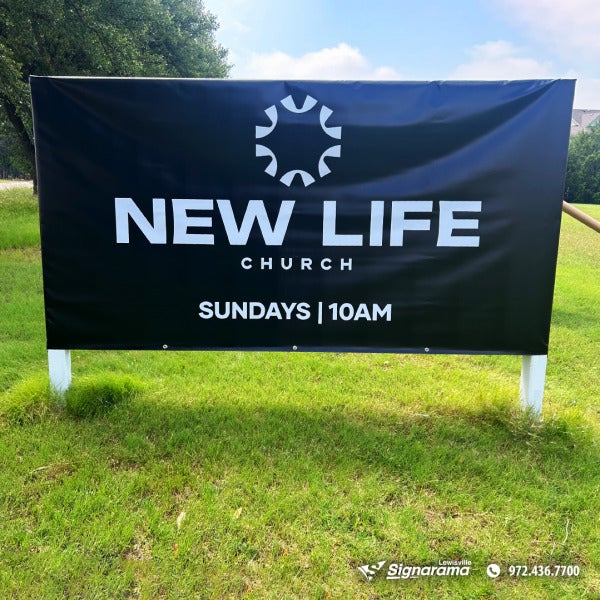
The Life Cycle of a Sign: From Concept to Installation
Jul 23, 2025 by Raju Gupta
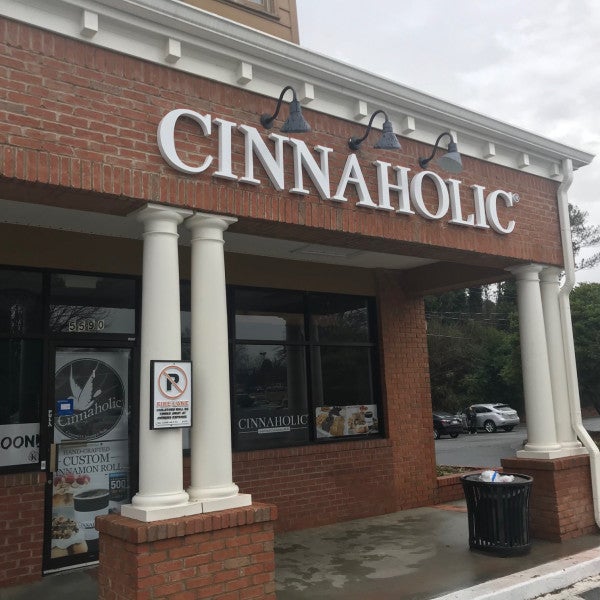
Creative Typography for Modern Window Branding
Jul 21, 2025 by Raju Gupta

How Our Professional Wraps Enhance Vehicle Resale Value
Jul 16, 2025 by Raju Gupta
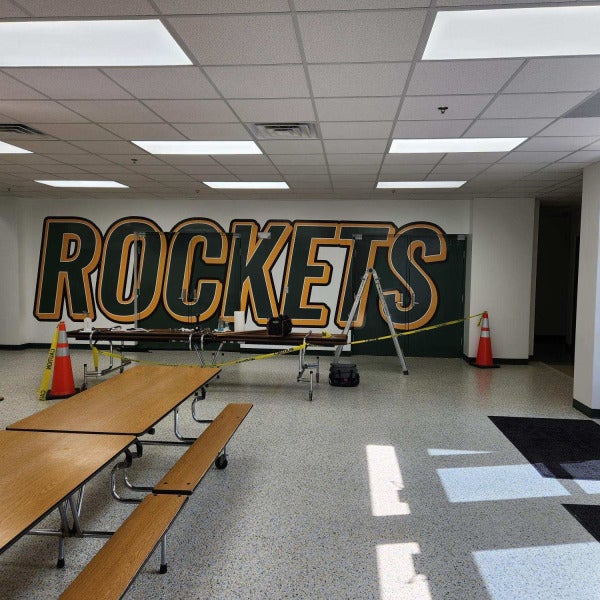
Seasonal Window Graphics You Can Reuse Year After Year
Jul 14, 2025 by Raju Gupta
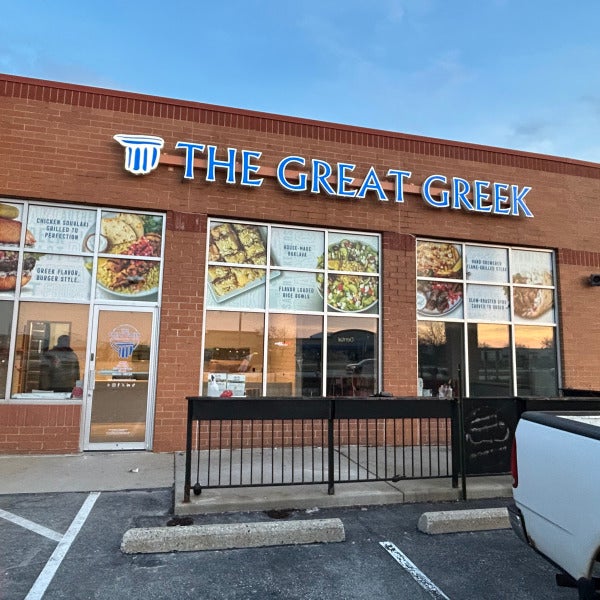
Professional Finish. Standout Results
Jul 10, 2025 by Raju Gupta
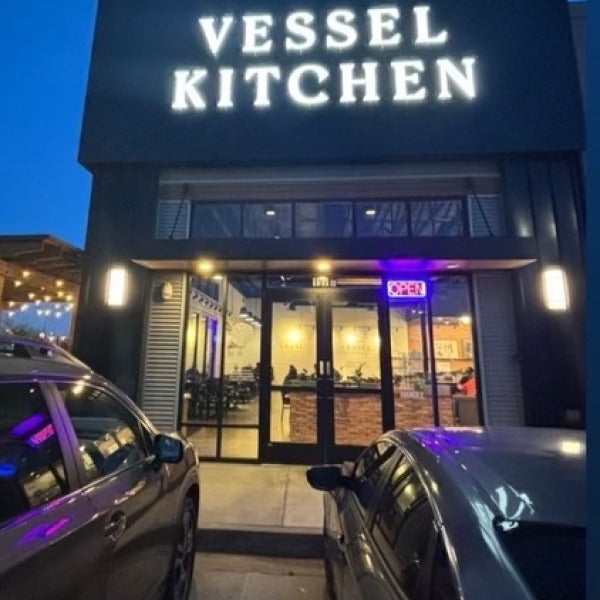
Brilla Intensamente: Letreros Iluminados que Te Hacen Notar
Jul 7, 2025 by Raju Gupta
Cuando quieres que tu negocio destaque día y noche, no hay mejor opción que un letrero iluminado personalizado.
En Signarama Tampa Carrollwood, creamos impresionantes letreros iluminados que mantienen tu marca visible, profesional e inolvidable las 24 horas, los 7 días de la semana.
Los letreros iluminados no son solo cuestión de visibilidad — envían un mensaje de credibilidad, calidad y permanencia.
Ya sea que dirijas un restaurante, una tienda minorista, una clínica médica o una sede corporativa, contar con un letrero brillante y atractivo asegura que tu marca cause una fuerte impresión a cualquier hora.
Ofrecemos una amplia gama de soluciones iluminadas, incluyendo:
- Letras de canal: Letras individuales iluminadas montadas directamente en tu edificio — perfectas para un aspecto moderno y elegante
- Cajas de luz: Gabinetes duraderos con gráficos vibrantes iluminados desde el interior — ideales para fachadas y plazas
- Monumentos iluminados: Señalización a nivel del suelo con iluminación incorporada para entradas de alto nivel
- Paneles retroiluminados: Crean efectos dramáticos para vestíbulos, recepciones o vitrinas
Cada letrero iluminado que diseñamos está construido con tecnología LED de alta eficiencia energética, ofreciendo:
- Menores costos de energía
- Mayor duración
- Iluminación más brillante y limpia
Nuestro equipo gestiona el diseño, permisos, fabricación e instalación profesional, asegurando que el proyecto sea fluido de principio a fin.
Cuando inviertes en señalización iluminada, no solo estás obteniendo un letrero — estás haciendo que tu negocio sea imposible de ignorar.
¡Contáctanos hoy en Signarama Tampa Carrollwood para iluminar tu marca y brillar más que tu competencia!
Why Frosted Vinyl is a Game-Changer for Office Privacy
Jul 6, 2025 by Raju Gupta
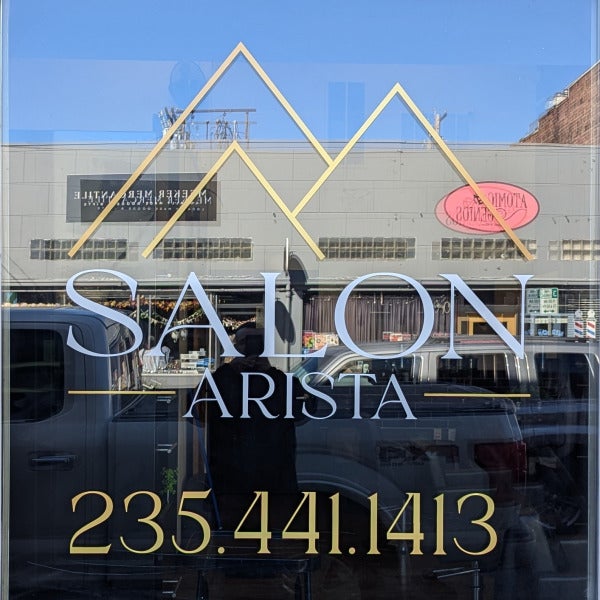
Why Every Salon & Spa Needs Window Graphics
Jul 4, 2025 by Raju Gupta
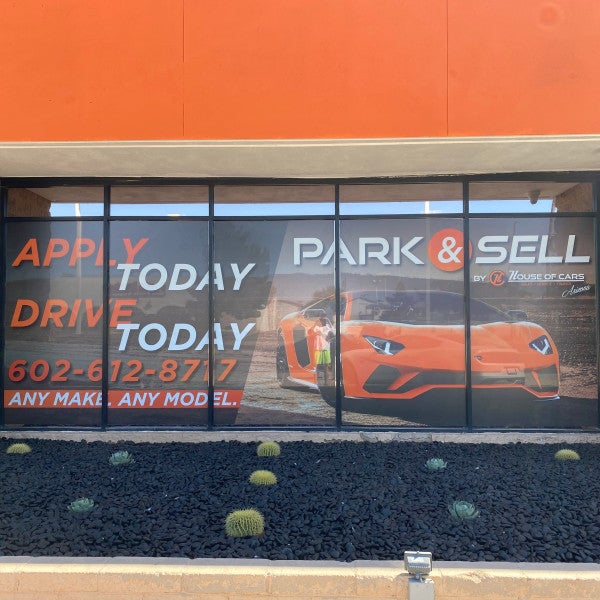
How to Update Your Window Graphics Without Replacing Everything
Jul 4, 2025 by Raju Gupta
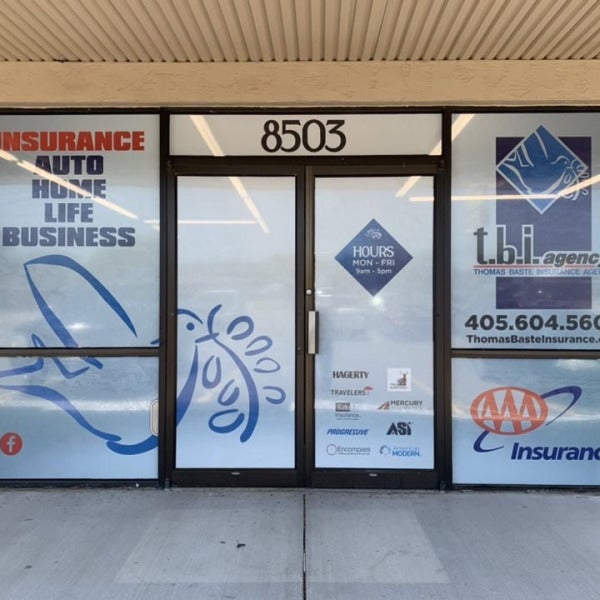
Things You Need to Know Before Getting Window Graphics
Jul 3, 2025 by Raju Gupta

Signarama Carrollwood, FL
contact
Signarama Carrollwood, FL