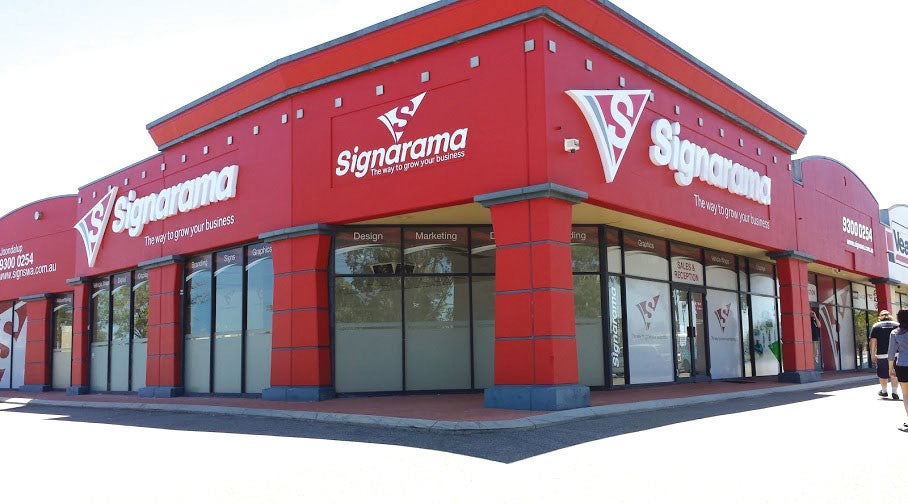


Our Work – Signarama Danbury, CT
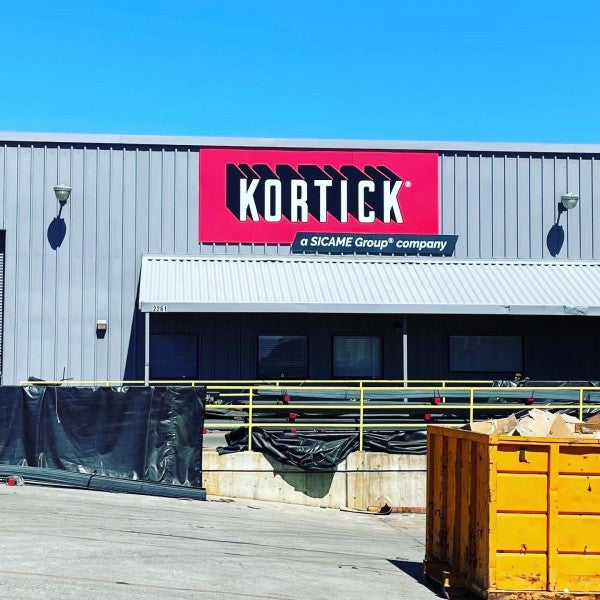
Exterior Signs for Business: 8 Compelling Reasons To Invest in Floor Graphics
Feb 5, 2024 by Signarama Danbury, CT
Discover the power of exterior signs for business with floor graphics. Explore eight compelling reasons to invest in this innovative marketing tool today!
Read more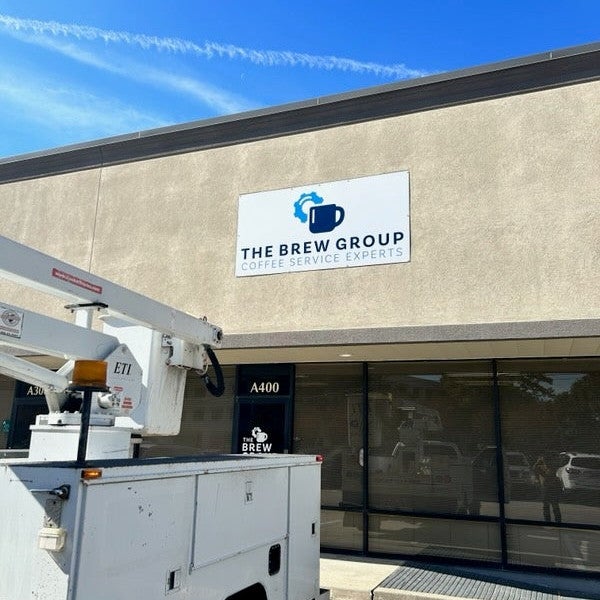
Top 5 Weather-Resistant Materials for Outdoor Signs for Business
Feb 1, 2024 by Signarama Danbury, CT
Find the best weather-resistant materials for outdoor business signs to boost your brand's visibility and durability. Learn about common sign types, challenges, and mistakes to avoid.
Read more
Why Choose LED Backlit Signs from a Trusted Signage Company for Your Business’s Success?
Jan 26, 2024 by Danbury Signs
Learn the benefits of LED backlit signs for your business, with expert insights from a trusted signage company. Illuminate your brand with this energy-efficient solution.
Read more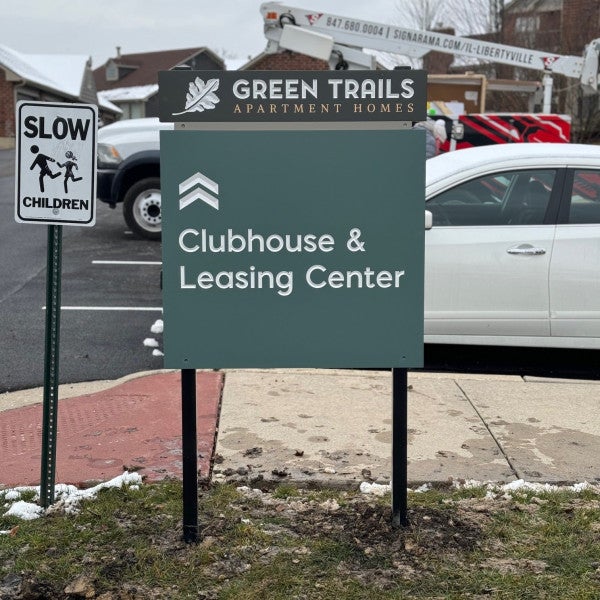
8 Reasons Why Your Business Needs Wayfinding Signage
Jan 23, 2024 by Signarama Danbury, CT
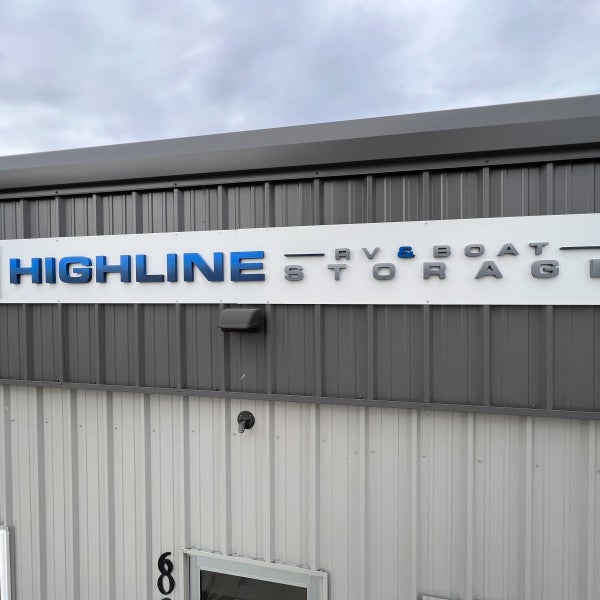
8 Types of Business Signs: Which One Suits Your Needs?
Jan 15, 2024 by Signarama Danbury, CT

LED Lightboxes in Bethel CT
Jan 14, 2024 by Signarama Danbury, CT
This sign had all the neighbors talking!
Read more
7 Innovative Ideas for Outdoor Pylon Signs
Jan 10, 2024 by Signarama Danbury, CT
Explore seven innovative ideas for outdoor pylon signs, from interactive tech to eco-friendly designs, enhancing brand visibility and community engagement.
Read more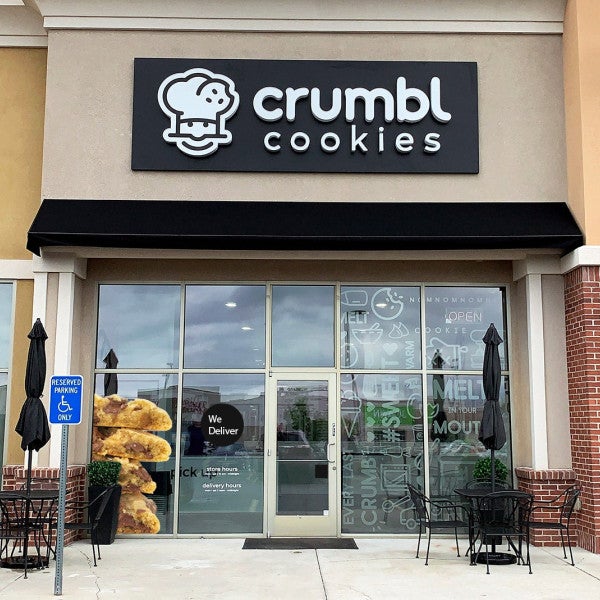
Location Matters! Where to Position Exterior Signs for Businesses
Jan 3, 2024 by Signarama Danbury, CT
Maximizing Visibility
Visibility is the most critical factor in placing exterior signs for businesses. A sign needs to be visible to as many potential customers as possible. This means considering factors like foot and vehicle traffic patterns, sight lines, and physical obstructions. A sign easily visible from a distance and different angles can attract more attention and generate more interest in your business. Enhancing Brand Perception The location of your exterior signs for businesses also plays a vital role in shaping the perception of your brand. A sign in a prominent, upscale area can lend an air of prestige and quality to your business. In contrast, a sign in a more modest or industrial area might suggest practicality and value. The key is to choose a location that aligns with your brand image and appeals to your target customer base. Contextual Relevance The surrounding environment of your sign should complement and enhance its message. A sign that blends in too much with its surroundings might go unnoticed, while one that clashes might be off-putting. The aim is to find a balance where your sign stands out for its distinctiveness while still feeling like a natural part of the area. Target Audience ConsiderationsUnderstanding the demographics of your target audience is essential in determining the best location for your exterior signs for businesses. Your sign should be located where your ideal customers will most likely see it. This involves researching and understanding your target demographic's habits, preferences, and movement patterns. Impact of Poor Signage Placement Poor signage placement can have several detrimental effects on a business, impacting everything from customer perception to overall sales. Understanding these impacts is crucial for an effective signage strategy. Reduced Visibility and Lost Opportunities One of the most significant consequences of poor signage placement is reduced visibility. If a sign is placed in an area with low foot traffic, obscured by buildings, trees, or other signs, it fails to catch the attention of potential customers. This lack of visibility directly results in missed opportunities for attracting new customers and making sales. A not easily noticeable sign is almost as ineffective as having no sign.Confusion and Negative Customer Experience
Inadequately placed signs can lead to customer confusion and frustration. Signs that are too high, too low, or angled in a way that makes them difficult to read do not effectively communicate with the audience. This can result in a negative experience as customers struggle to find your location or understand your offerings. Poorly positioned signs can mislead or confuse customers, potentially causing safety issues, especially in areas where clear directional signage is crucial. Impact on Brand Image Signage is often the first point of interaction between a business and its potential customers. Poorly placed signs can convey a lack of professionalism and attention to detail, adversely affecting the business’s brand image. Customers might perceive the business as careless or unprofessional, which can dissuade them from engaging further. This negative first impression can be hard to overcome and can have long-lasting effects on customer perception and brand reputation. 10 Tips for Positioning Your Exterior Signs for Businesses Positioning exterior signs effectively is crucial to your business's marketing and branding strategy. These tips will help you maximize the impact of your signage. 1. Assess Your Physical Location Understanding your physical location involves more than just picking a spot. It's about analyzing foot and vehicular traffic to determine the most visible and accessible location for your sign. Consider the movement patterns throughout the day and how these might affect visibility. Proximity to competitors is also crucial; your sign should stand out. Evaluate the architectural style of your building and the surrounding area in Danbury, CT. Use natural and built elements to frame your sign, drawing eyes towards it. However, be mindful to avoid creating obstructions. Trees, shrubs, and architectural features should complement your sign, not hide it. The synergy between your sign and its environment can create a more aesthetically pleasing and memorable image for your brand. 2. Maximize Visibility from Key Vantage Points The visibility of exterior signs for businesses from key vantage points is crucial for their effectiveness. Ideal locations include busy streets, intersections, and high foot traffic areas. Understanding both vehicular and pedestrian traffic flow is key to determining the best placement. Position your sign to ensure it's easily visible from multiple angles and distances. Be mindful of potential obstacles that might block your sign's view. Strategically placing your sign in a well-chosen location can greatly enhance your business's exposure. 3. Consider Sunlight and Lighting The lighting conditions greatly affect the visibility of your exterior signs for businesses. Assess how natural sunlight interacts with your sign throughout the day. A brilliantly lit sign in the morning can be in shadow by the afternoon. Additionally, artificial lighting can enhance your sign's visibility during the evening and night. Consider installing lights to illuminate your sign or using backlit signs for increased night-time visibility. The goal is to ensure your sign is visible and legible in all lighting conditions at all hours. 4. Consider Height and Eye-Level Optimal visibility for your business's exterior signs largely depends on their placement height. Signs should ideally be positioned at or above eye level to catch pedestrians' and drivers' direct line of sight. Signs placed too high risk of being overlooked, while those too low might get obstructed by pedestrians, parked vehicles, or street furniture. It's important to consider the typical viewer’s perspective and adjust your sign’s height to ensure maximum visibility. 5. Ensure Readability from a Distance Ensuring that your sign is readable from a distance is essential. This involves choosing the right font size and style and limiting the amount of text to what's necessary. The text should be concise and large enough to be read easily by pedestrians and drivers. Avoid using overly ornate fonts that might be difficult to read quickly. Clear, simple, and direct messaging is key for effective communication through your exterior signs for business. 6. Balance Size and Proximity The size of your exterior sign should be proportional to its distance from the viewer. Larger signs are necessary when positioned far from the viewer, such as signs visible from highways. In contrast, smaller signs can be effective in pedestrian zones with closer viewers. The key is to balance the size and proximity to ensure that your sign is legible and impactful without being overwhelming or difficult to read. 7. Use Color and Contrast Effectively Color and contrast are powerful tools in making your exterior signs for businesses stand out. Select colors that align with your brand and are visually striking against the background where your sign will be placed. High contrast between the text and the sign's background enhances readability, especially from a distance. Bright, contrasting colors can quickly draw the eye and make your sign more noticeable in a crowded visual landscape. 8. Incorporate Digital Elements Digital elements can significantly enhance the versatility and effectiveness of your exterior signs for businesses. Digital signs allow dynamic, changing content, which is particularly useful for timely promotions or messages. Ensure that any digital components are clear, legible, and easy to read from various distances and angles. Updating digital signage offers flexibility and can help keep your messaging relevant and engaging. 9. Comply with Local Regulations Understanding and adhering to local regulations and zoning laws in Danbury, CT, is essential for businesses when installing exterior signs for business. Non-compliance can lead to legal issues and potential fines. Research and understand the local guidelines regarding the size, type, lighting, and placement of signs. This knowledge not only ensures compliance but can also inform the design and placement of your sign to maximize effectiveness while adhering to local standards. 10. Consult an Expert Signage Company Seeking advice from an expert signage company like Signarama can be invaluable in positioning exterior signs for businesses. These professionals in Danbury, CT, possess the experience and knowledge to provide insights on the best placement strategies tailored to your location and business needs. They can offer guidance on aspects like optimal sign size, visibility from various angles, and compliance with local regulations. Additionally, they can suggest innovative design elements and materials that enhance the durability and effectiveness of your signage. By consulting with experts, you can avoid common pitfalls and ensure that your exterior signs are positioned to maximize impact and engagement. How to for Choose the Best Signage Company Near You When selecting a signage company to create effective exterior signs for businesses, several key factors must be considered to ensure you choose a partner that meets your needs. Assess Their Experience and Portfolio Evaluating a company's experience in designing and installing high-quality exterior signs for businesses is crucial. A look at their past projects can give you a sense of their design capabilities and versatility. Additionally, client testimonials and reviews can offer insights into their reliability and customer satisfaction. Choosing a company with a proven track record in your specific industry or with the type of signage you require is important. Evaluate the Quality of Materials and Craftsmanship The longevity and impact of exterior signs for businesses depend significantly on the materials used and the quality of craftsmanship. A good signage company in Danbury, CT, will use durable, weather-resistant materials that maintain their appearance over time. Attention to detail in crafting ensures the final product is visually appealing and structurally sound. Consider Their Range of Services A company that offers a comprehensive range of services, from initial design to installation and maintenance, can provide a more streamlined and cohesive experience. This full-service approach is particularly beneficial for businesses developing a consistent and professional look across all their exterior signs. Check Compliance with Regulations It's vital to choose a signage company that is well-versed in local zoning laws and signage regulations. Their expertise in this area can save you from potential legal issues and ensure that your exterior signs for businesses are fully compliant. Evaluate Their Customer Service The level of customer service the signage company provides is another critical aspect. A responsive company communicates effectively and is willing to understand and meet your specific needs, making the entire process smoother and more satisfying. Compare Pricing and Value While pricing is an important consideration, it's also essential to evaluate the overall value offered by the company. A slightly higher investment in a company that provides high-quality, durable exterior signs for businesses and excellent customer service can offer greater long-term value than opting for the cheapest option. Maintenance Tips for Exterior Signs for Business Effective maintenance and upkeep are vital to ensuring that exterior signs for businesses last longer and continue to make a good impression on customers. Here are some essential tips to help care for and maintain your business signage. Regular Cleaning and Inspection Routine Cleaning: Regularly clean your signs to remove dirt, dust, and grime. Use gentle cleaners that won't damage the sign's material. For electronic or digital signs, ensure that cleaning methods do not damage electrical components. Inspection Schedule: Set up a routine inspection schedule for your signs. Check for any signs of wear and tear, such as fading, chipping, or cracking. Inspect structural supports and fastenings to ensure they are secure and intact. Handling Weather-Related Wear Weatherproofing: Use weather-resistant materials for your signs in areas with extreme weather. Consider additional protective coatings to guard against sun damage, rain, wind, and snow. Post-Weather Checks: Inspect your signs for any damage after severe weather events. This includes checking for water ingress in electrical signs, which can cause short circuits or other damages. Upgrading and Updating Signs Regular Updates: Keep these current if your sign includes changeable components, like dates or promotional information. Technological Upgrades: Keep the software updated for digital signs and check regularly for any technical issues. Replace any malfunctioning parts promptly to maintain optimal functionality. Energy Efficiency and Sustainability Energy-Efficient Lighting: Use LED lighting for illuminated signs, as they are more energy-efficient and have a longer lifespan than traditional bulbs. Sustainable Practices: Consider the environmental impact of your signs. Use sustainable materials where possible and adopt eco-friendly practices in maintenance routines. Professional Maintenance Services Consider hiring signage professionals like Signarama to maintain complex signs, especially those involving digital or electronic components. They can provide specialized care and ensure your character stays in top condition. FAQs How often should I update my exterior signs for businesses? Updating your exterior signs depends on various factors, including wear and tear, branding or marketing strategy changes, and emerging technological advancements. Reviewing and updating your signage every 3-5 years is advisable. This period allows you to keep up with design trends, maintain a fresh and modern appearance, and ensure that your signs reflect any changes in your business's offerings or branding. Can digital elements in exterior signs for businesses boost engagement? Absolutely. Incorporating digital elements into exterior signs can significantly enhance customer engagement. Digital signs offer the flexibility to update content quickly, display dynamic messages, and attract attention with moving images and changing text. This interactivity and freshness in content can increase the likelihood of catching the eye of passersby, making them a powerful tool for advertising and promotion. What is the best height for exterior signs for businesses? The ideal height for exterior signs varies based on location and the viewing audience. In pedestrian-heavy areas, signs should be at eye level or just above to catch the attention of walkers. Signs intended to be viewed from the road should be higher to be easily seen by drivers. The key is to place the sign at the most visible height to your target audience without obstructions. How do I ensure my exterior sign is visible at night? To ensure visibility at night, consider using illuminated signs or adding external lighting to your signage. LED lights are a popular choice due to their energy efficiency and brightness. You should evenly distribute the lighting to avoid shadows and ensure the entire sign is legible. Additionally, choosing reflective or high-contrast materials can also enhance night-time visibility. What are the best materials for long-lasting exterior signs? Businesses often choose aluminum and acrylic for exterior signs, valuing their durability and weather resistance. Likewise, LEDs have become the go-to for illuminated signs, offering long life and energy efficiency. It is crucial to select materials that withstand local weather and retain their color and structure over time. How can I make my exterior sign stand out from competitors? To make your exterior sign stand out, focus on unique design elements that reflect your brand's personality. Use eye-catching colors, interesting shapes, or dynamic digital displays to differentiate your sign. Additionally, ensuring high-quality craftsmanship and incorporating innovative design elements can make your sign more memorable. Understanding the signage around your location and creating a design that contrasts with neighboring businesses can also help you stand out. Ready to Elevate Your Business's Visibility? Contact Signarama Today! Strategically positioning and maintaining exterior signs for businesses is key to boosting visibility and brand recognition. Remember, the quality, placement, and upkeep of your signage can profoundly impact your business's success. For expert assistance in creating impactful signage solutions in Danbury, CT, consider partnering with Signarama. Our experience and dedication to quality make us an ideal choice for crafting and positioning high-quality exterior signs, ensuring your business stands out and resonates with your target audience. Choose Signarama for signage that makes a lasting impression! Signarama Danbury provides custom sign services to the Greater Danbury, CT area, including Bethel, CT, Brookfield, CT, Ridgefield CT, Wilton CT, and Brewster, NY. We are the sign shop of choice for "sign company near me".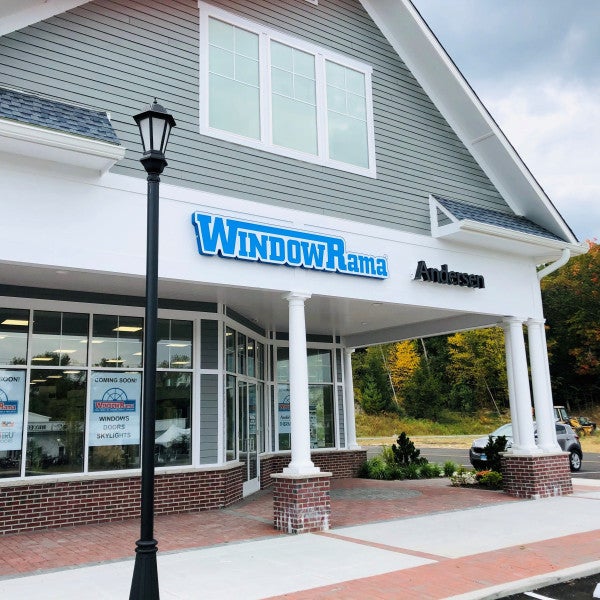
Custom Signage Services: What to Expect from a Signage Company
Dec 29, 2023 by Signarama Danbury, CT
Why Hire a Professional Signage Company?
When making a lasting impression in the business world, the value of high-quality signage cannot be overstated. Engaging a professional signage company offers numerous benefits that can significantly enhance the visibility and impact of your business. Here's an expanded look at why choosing a professional signage company is a strategic decision for your business.They Provide Professional Design Expertise
One of the primary reasons to hire a professional signage company is their expert design knowledge. These specialists possess a deep understanding of how to craft signage that is visually appealing and effectively communicates your brand's message. They combine colors, fonts, and imagery with expertise, ensuring your signage is eye-catching and conveys the intended message clearly and effectively. This professional touch in design helps create a lasting first impression, which is crucial for setting your customers' expectations.Ensures Quality Materials and Durability
Another significant benefit of partnering with a seasoned signage company is the assurance of quality and durability. These companies utilize top-grade materials that can withstand various environmental challenges, ensuring that your signage remains vibrant and intact for longer periods. This durability is essential for maintaining a consistent brand image and reduces the need for frequent replacements, ultimately saving costs in the long run. Enhances Brand Consistency A professional signage company can maintain brand consistency across all your signage needs. From outdoor banners that attract passersby to indoor signs that enhance the in-store experience, these experts ensure that your brand's identity and messaging are consistent and unified. This consistency in branding reinforces your business identity and plays a vital role in building trust and recognition among your customer base.They Ensure Compliance with Legal Standards
Navigating the complex world of legal requirements for signage can be overwhelming. An expert signage company brings the advantage of being well-versed in local laws and regulations. They ensure that your signage fully complies with zoning laws, ADA requirements, and other legal standards, saving you from potential legal issues and unnecessary expenses for redesigns or adjustments.Offers Innovative Solutions and Keeps Up with Latest Trends
Finally, the signage industry is ever-evolving, constantly emerging new trends and technologies. A professional signage company stays on top of these developments, offering your business innovative signage solutions such as digital displays, interactive signs, and eco-friendly options. This access to the latest in signage technology ensures that your business stays ahead of the curve, offering modern and effective ways to communicate with your audience.Services Offered by Signage Companies
When you turn to a professional signage company for your business needs, you are accessing a world of services designed to enhance your brand's visibility and appeal. These companies offer a comprehensive suite of services covering every signage aspect, from initial design to installation and maintenance. Let's explore the wide range of services you can expect from a top-tier signage company.1. Design Services
Custom Design Process
The journey of creating impactful signage starts with a custom design process. A professional signage company employs skilled designers who work closely with clients to understand their vision and brand identity. This collaborative process ensures that the final design is visually appealing and aligns perfectly with the client's branding and messaging goals. The designers use their creative expertise to propose designs that are aesthetically pleasing but are also functional and effective in attracting the target audience.Collaboration with Clients
Effective signage design is a collaborative effort. Experienced signage companies prioritize client involvement at every stage of the design process. This approach ensures that the client's insights and feedback are incorporated, resulting in signage representing the business. Regular updates, drafts, and mock-ups are part of this process, ensuring transparency and client satisfaction.2. Manufacturing and Materials
Types of Materials Used
Signage companies offer an extensive range of materials to cater to different needs and environments. This includes durable materials for outdoor signage like metal, acrylic, vinyl, and wood, designed to withstand weather elements. Materials like glass, foam board, and high-quality plastics offer a sleek and modern look for indoor signage. The choice of materials is crucial in determining the signage's durability, appearance, and cost-effectiveness.Manufacturing Techniques
The manufacturing of signs involves various techniques tailored to the chosen materials and the desired outcome. Techniques like digital printing, laser cutting, engraving, and 3D printing are commonly used. These advanced techniques ensure high-quality finishes, precise detailing, and durability of the signs. A professional signage company continuously invests in the latest technology to provide the best possible products to their clients.3. Installation Services
Proper installation of signage is as important as its design and manufacturing. Professional signage companies offer comprehensive installation services, ensuring that the signs are installed safely and correctly. This includes conducting site surveys to determine the best placement, considering factors like visibility, foot traffic, and lighting. The installation process is carried out by trained professionals who adhere to safety standards, ensuring that the signs are aesthetically pleasing and securely and safely installed.4. Signage Solutions
Building Signs
Building signs are a vital component of a company's external branding. They physically represent the business and are often the first point of contact with potential customers.Outdoor Signs
Outdoor signs are designed to capture the attention of passersby and effectively convey a business's message or brand. They must be durable enough to withstand various weather conditions.Indoor Signs
Indoor signs reinforce a business's brand within its premises, guide customers, and enhance the overall customer experience.Vehicle Signs
Vehicle signage transforms business vehicles into mobile advertising platforms. This type of signage is a cost-effective way to increase brand exposure.Promotional Signs
Promotional signs are used for short-term advertising and marketing. They are designed to attract attention and promote special offers, events, or product launches.5. Maintenance and Repair Services
Long-term maintenance and repair services are another crucial aspect of what professional signage companies offer. Regular maintenance ensures that signs remain in top condition, retaining their visual appeal and functionality. This includes cleaning, repairing wear and tear, and making necessary updates or changes. In case of damage, these companies provide prompt repair services to restore the signage to its original state, ensuring that your business continues to benefit from its presence.How to Choose the Right Signage Company for Your Business
Selecting the ideal signage company is pivotal for any business looking to enhance its brand visibility and impact. The right company can transform an ordinary business front into a compelling brand statement. Here’s a detailed guide on choosing the right signage company for your business, ensuring you make an informed and beneficial decision.Assess Portfolio and Past Work
One of the first steps in choosing a signage company is to assess its portfolio and past work. A company’s portfolio offers insights into its style, quality, and range of capabilities. It’s important to look for diversity in their projects, indicating their ability to handle different signage needs. Reviewing past work also gives you a sense of their expertise in your specific industry and whether they have a track record of successful projects similar to what you envision for your business.Understand the Company’s Expertise
Different signage companies may specialize in various areas, such as digital signage, neon signs, or outdoor advertising. Understanding a company’s areas of expertise is crucial to determine if they align with your business needs. Experience in the industry is another critical factor. A company with extensive experience will likely have a more refined process, better industry connections, and a deeper understanding of navigating challenges that may arise during your project.Evaluate Customer Service Quality
A quality customer service is an essential aspect of a signage company's offerings. Choosing a company that is responsive, communicative, and attentive to your needs is important. How a company interacts with you during the initial stages can indicate its overall approach to customer service. Timely responses, clear communication, and a willingness to understand and adapt to your specific requirements are signs of good customer service.Compare Pricing and Value
While pricing should not be the sole deciding factor, it is important when choosing a signage company. It’s essential to compare pricing between different companies to ensure you get competitive rates. However, the focus should be on value rather than just the cost. Evaluate what you are getting for the price – the quality of materials, design expertise, service range, and the potential return on investment. A company that offers a slightly higher price but guarantees higher quality and better service might be more cost-effective in the long run.Seek Testimonials and References
Before finalizing your decision, it’s wise to seek testimonials and references from the signage company’s past clients. This can provide real-world insights into how the company operates and the satisfaction level of its clients. Positive testimonials and strong references are a good indicator of a company’s reliability and quality of work.Choose a Local Provider
Selecting a local signage company in Danbury, CT, like Signarama, can offer several advantages. Local providers are more accessible for meetings and site visits, which can be crucial for personalized service. They are also likely to understand local business environments and regulatory requirements better, ensuring your signage complies with regional standards. Moreover, working with a local company can foster community connections and lead to faster turnaround times due to the proximity.FAQs
What are the key differences between indoor and outdoor signage?
Outdoor signs are designed to withstand weather elements like rain, sun, and wind and are often made from more durable materials such as metal or weather-resistant plastics. They also need to be more prominent and visible from a distance. On the other hand, indoor signs are protected from the elements and can, therefore, be made from a wider range of materials, including delicate ones. They are often smaller, more detailed, and focus on complementing the interior design of a space.How can signage be used effectively in event marketing?
Signage is crucial in event marketing by providing direction, information, and branding. Effective event signage guides attendees smoothly through the venue, highlights key areas like stages or booths, and reinforces the event’s theme or brand. Portable signs, banners, and digital displays are popular choices for events. They can be strategically placed for maximum visibility and impact, ensuring a cohesive and memorable attendee experience.What are the latest innovations in signage technology?
Recent innovations in signage technology include interactive digital displays, augmented reality (AR) signage, and eco-friendly materials. Interactive displays can engage customers through touch screens, QR codes, or motion sensors, offering an immersive experience. AR signage provides a cutting-edge way to interact with customers by bringing static signs to life through smartphone apps. Additionally, using sustainable materials and LED lighting in signage reflects a growing emphasis on environmental responsibility.How long does the signage process take from design to installation?
The timeline for signage projects can vary greatly depending on the complexity of the design, the materials used, and the scale of the project. A simple sign might take a few days to design and produce, while more complex projects, especially those involving custom fabrication or large-scale installations, can take several weeks to a few months. The key is continuous communication with your signage company to get a realistic timeline and regular updates.How important is brand consistency in signage across multiple locations?
Brand consistency in signage across multiple locations is vital. It ensures that customers receive a uniform brand experience, which is crucial for brand recognition and trust. Consistent signage helps reinforce brand identity and ensures the brand is immediately recognizable, regardless of location. This consistency can be achieved by following specific brand guidelines regarding colors, fonts, logos, and overall design aesthetics.Can signage companies help with obtaining permits for sign installation?
Many professional signage companies offer assistance with obtaining the necessary permits for sign installation. They are familiar with local zoning laws and regulations and can navigate the permit process on behalf of their clients. This service is particularly valuable for businesses that may not be familiar with the specific legal requirements of their area. For more information and assistance with permit processes, contact your trusted local signage company, like Signarama, to guide you through these legalities.How does digital signage compare to traditional signage in cost and effectiveness?
Digital signage often involves a higher initial investment than traditional signage due to the technology involved. However, it offers greater flexibility and can be more cost-effective in the long run. Digital signs allow for easy content updates without needing physical replacement, making them ideal for businesses that frequently change messages. In terms of effectiveness, digital signage tends to be more engaging and can be more impactful in capturing the audience's attention, especially in high-traffic areas.Choose the Right Signage Company Near You, Partner with Signarama!
Choosing the right signage company, such as Signarama, is crucial for any business looking to enhance its visibility and brand impact. From expert design to advanced technology, a professional signage company offers various services to meet diverse business needs. As we've seen, partnering with the right provider can transform your business's public face, driving engagement and success. Choose Signarama and elevate your business's signage to a new level of impact and effectiveness. Signarama Danbury provides custom sign services to the Greater Danbury, CT area, including Bethel, CT, Brookfield, CT, Ridgefield CT, Wilton CT, and Brewster, NY. We are the sign shop of choice for "sign company near me".
Custom Hanging Sign in Ridgefield, CT
Dec 27, 2023 by Signarama Danbury, CT
Our team recently used our CNC router to recreate this custom hanging sign for the homeowners of Comstock Court.
Read more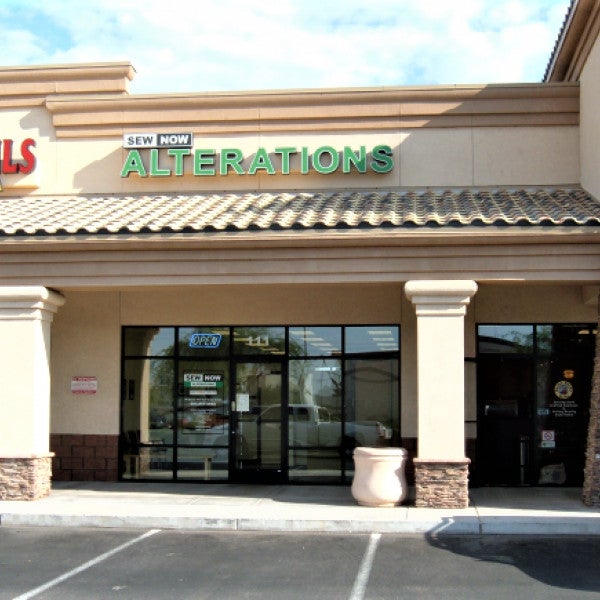
Top 10 Business Signs Fails — Mistakes to Watch Out for in Your Signage Strategy
Dec 27, 2023 by Signarama Danbury, CT
Why Is Having a Good Business Sign Important?
Business signs serve as a crucial component in the branding and marketing efforts of any company. They are not just mere markers indicating a business's location; instead, they are powerful tools that can significantly influence customer perception and behavior. Here are some of the key benefits of high-quality business signs:1. Branding and First Impressions
Business signs play a pivotal role in branding. They often provide the first point of contact between your business and potential customers. A well-designed, attractive sign can make a positive first impression, setting the tone for what customers can expect from your business. Consistent use of colors, logos, and fonts in your business signs helps build brand recognition. This consistency ensures that your customers can instantly recognize your business, whether they see a billboard, storefront sign, or other forms of advertising.2. Attracting New Customers
High-quality business signs are excellent tools for attracting new customers. A sign that stands out can catch the eye of a passerby, potentially drawing in someone who might not have otherwise considered visiting your business. In many cases, an effective sign can be the deciding factor for a customer contemplating whether to visit a store or try a service.3. Sets Your Business Apart from Competitors
In a competitive marketplace, distinguishing your business from others is crucial. Unique and creative business signs from a reliable signage company like Signarama can set your business apart from competitors, giving you an edge. A sign communicating your business's unique value proposition or personality can resonate with your target audience, making your business more memorable.4. Cost-Effective Marketing
Business signs are a cost-effective marketing tool compared to other forms of advertising. Unlike digital or print advertising, once installed, they require little maintenance and no recurring costs. Business signs work around the clock to promote your business, making them a one-time investment with ongoing returns.5. Impact on Sales
Effective business signs have a direct impact on sales. Studies have shown that changing or adding a sign can significantly improve sales revenue. A well-placed sign can draw attention to promotions, special events, or unique aspects of your business, encouraging passersby to step in and make a purchase.6. Enhancing Customer Experience
Business signs also play a role in enhancing the overall customer experience. Well-designed signs can make it easier for customers to navigate your premises, find specific products or services, and understand your business offerings better. This ease of navigation and clarity can lead to a more positive customer experience, encouraging repeat visits.7. Community Presence
Finally, business signs contribute to your presence in the community. They signal that your business is a part of the neighborhood, fostering a sense of familiarity and trust among local customers. This community presence can be particularly beneficial for small businesses looking to establish a loyal customer base.Top 10 Mistakes to Watch Out for in Your Business Signs
1. Poor Legibility and Readability
A fundamental yet frequently overlooked aspect of business signs is their legibility and readability. Often, signs use fonts that are either too small, overly decorative, or not contrasting enough with the background, making them difficult to read from a distance or at a glance. This can result in potential customers missing out on what your business offers, which is especially detrimental in high-traffic areas where passersby only have a few seconds to view your sign. To fix this, use larger, simpler fonts and ensure a strong contrast between the text and the background. Remember, the primary goal of a sign is to convey information quickly and clearly.2. Inappropriate Color Schemes
Color choice plays a vital role in the effectiveness of your business signs. Inappropriate or clashing colors not only make your sign less appealing but can also significantly affect readability. Colors that do not align with your brand identity can create a visual disconnect with your audience, weakening brand recognition. To correct this, select on-brand colors and provide a clear contrast. For instance, dark text on a light background, or vice versa, ensures readability and helps maintain brand consistency. Consider consulting a color theory guide or a professional designer to choose a palette that resonates with your brand and is appealing to your target audience.3. Lack of Brand Consistency
Consistency in branding is key to creating a cohesive and recognizable brand image. A common mistake businesses make is having different styles, colors, and fonts across various signs, confusing customers and diluting brand identity. Consistent branding across all your business signs, from storefronts to interior signage, helps establish a solid and recognizable brand image. Ensure all your signs reflect your brand's identity by using consistent logos, colors, and fonts. This uniformity helps reinforce your brand in the minds of your customers, fostering brand loyalty and recognition.4. Neglecting Location and Visibility
The location and visibility of your business signs are crucial to their effectiveness. A common mistake is placing signs in areas obstructed by buildings, trees, or other elements or too high or low for optimal viewing. A sign's visibility can be affected by its size, placement, the speed at which passersby travel, and the surrounding environment. To maximize the impact of your sign, ensure it is placed in a location with high visibility, considering factors like height, angle, and unobstructed sightlines. A sign easily visible from a distance and from different angles will reach a broader audience and increase its effectiveness.5. Ignoring Local Signage Regulations
Non-compliance with local signage regulations can lead to legal issues, fines, or the requirement to take down your sign. Many business owners neglect to research local signage laws before installing their signs. Understanding and adhering to these regulations, including size, lighting, and placement restrictions, is important. Before installing your sign, research local laws, secure necessary permits, and ensure your sign design complies with these regulations. This avoids legal complications and ensures your sign can remain up, effectively promoting your business.6. Poor Quality Materials
The choice of materials for your business signs significantly impacts their durability and appearance. Using low-quality materials can lead to signs that fade, crack, or wear out quickly, making your business appear unprofessional or neglected. Invest in high-quality materials suited to withstand local weather conditions and the rigors of outdoor or indoor environments to ensure longevity and maintain a professional appearance. This might mean choosing weather-resistant materials for outdoor signs or durable materials that can withstand frequent handling for indoor signs. High-quality materials project a positive image of your business and ensure that your investment in signage remains visually appealing and effective over time.7. Outdated Information
Displaying outdated information on your business signs can mislead customers, causing a loss of trust and credibility. Keeping your signs updated with current information regarding your services, promotions, and contact details is essential. This is especially important in dynamic industries where products, services, or pricing may change frequently. Regular updates ensure that your sign remains relevant and reflects a business that is active and attentive to its public image. Consider using digital or easily updatable signs for areas where information changes frequently.8. Failure to Convey a Clear Message
A common mistake in business signage is overcomplicating the message. Signs cluttered with too much information, or those that use vague or complex messaging, fail to engage potential customers effectively. The message on your sign should be concise, clear, and focused on a single, strong call to action. This helps to quickly and efficiently communicate your offering to the audience, increasing the likelihood of them engaging with your business. Avoid industry jargon or overly technical language, and focus on what benefits the customer will receive by engaging with your business.9. Ineffective Lighting or Visibility at Night
Many business signs are not adequately lit or made with materials visible in low light conditions, causing them to be ineffective during night hours. This results in a missed opportunity to attract potential customers during evening and night hours. Proper lighting or using reflective materials ensures your business signs are effective around the clock. Consider illuminated signs, LED lighting, or reflective coatings to enhance night-time visibility. This not only makes your business more accessible but also helps in maintaining visibility and brand presence during all hours.10. Overlooking Maintenance Needs
Neglecting the maintenance of your business signs in Danbury, CT, can lead to them becoming dirty, damaged, or outdated, which reflects poorly on your business. Signs should be maintained regularly, which includes cleaning, repairing any damages, and updating the signage as needed. This ensures they remain attractive and functional, projecting a professional image. Well-maintained signs also ensure the longevity of your investment, keeping them effective and appealing for longer periods. Regular maintenance is especially important for signs exposed to harsh weather conditions or prone to wear and tear due to location.Things to Consider for a Successful Business Sign Installation
Pre-Installation Site Assessment
Before installing a business sign in Danbury, CT, conduct a thorough site assessment. This involves evaluating the location for visibility, accessibility, and safety. Check for potential obstructions, determine the best angle for maximum visibility, and ensure the installation site is structurally sound. Understanding the local environment, such as typical weather conditions and potential hazards, is crucial for choosing the right placement and installation method.Accurate Measurement and Alignment
Accuracy in measurement and alignment is key to a successful sign installation. Precise measurements ensure the sign fits perfectly in the designated space and aligns correctly with its surroundings. Pay close attention to the height and positioning of the sign to ensure optimal visibility and impact. Misalignment or incorrect sizing can detract from the sign's effectiveness and professional appearance.Secure Mounting and Hardware Selection
The choice of mounting hardware is vital for the sign's stability and longevity. Select hardware suitable for the sign's weight, size, and the type of surface it will be attached to. Use weather-resistant and durable materials, especially for outdoor signs, to prevent rust and wear. Ensure the sign is securely mounted, with no risk of falling or shifting, which could lead to safety hazards or damage.Consideration for Electrical and Lighting Elements
If your sign includes electrical or lighting components, planning for their installation carefully is important. Ensure that all electrical installations comply with local codes and standards. Utilize the services of a qualified electrician to handle wiring and electrical connections. Properly installed and tested lighting enhances the sign's visibility and ensures safety and reliability.Professional Installation Services
Opting for professional installation services can significantly improve the durability and appearance of your business sign. A professional signage company in Danbury, CT, like Signarama, has the necessary tools and expertise, and they understand the nuances of optimal sign placement, including the best height and angle for visibility. Their experience helps avoid common installation mistakes, ensuring that the sign is aesthetically pleasing and securely and correctly installed.Final Inspection and Quality Check
After installation, perform a detailed inspection to ensure everything is in place and functioning correctly. This should include checking the stability of the sign, verifying that all components are securely attached, and testing any lighting or digital elements. A thorough quality check ensures that the sign represents your business in the best way possible and reduces the need for immediate repairs or adjustments.FAQs
What is the best material for outdoor business signs?
For outdoor business signs, durability and weather resistance are key. Materials like aluminum, outdoor-grade plastics (such as PVC or acrylic), and high-density urethane are excellent choices. They resist fading, withstand various weather conditions, and maintain their appearance over time. The choice depends on your specific needs, including the climate of your location and the aesthetic you wish to achieve.Can I design my own business signage, or do I need a professional?
Yes, you can design your own business signage, especially if you have a clear vision and some design skills. However, consulting with a professional like Signarama can ensure that your design is visually appealing, effective, and suitable for your specific business needs.Can the design of a business sign be trademarked?
Yes, the design of a business sign can be trademarked if it meets certain criteria. The design must be unique and distinctive, as a symbol that identifies and distinguishes your brand or services from others. Trademarking your sign's design can provide legal protection against imitation and misuse, which is particularly useful for businesses with strong brand identities.What is the average cost of a business sign?
The cost of a business sign varies widely based on size, materials, design complexity, and whether it's illuminated. Basic signs may cost a few hundred dollars, while larger, custom-designed, or illuminated signs can cost several thousand dollars. It's best to get quotes from a reliable signage company like Signarama to find an option that fits your budget and meets your needs.Are there eco-friendly options for business signs?
Yes, there are eco-friendly options for business signs. Materials like recycled aluminum, bamboo, and eco-friendly plastics are available. LED lighting is a greener choice for illuminated signs due to its energy efficiency and long lifespan. Additionally, using sustainable practices in producing and installing the signs further contributes to their eco-friendliness.How does lighting affect the visibility of a business sign?
Lighting plays a crucial role in the visibility of a business sign, especially at night or in low-light conditions. Proper illumination ensures your sign is readable and catches attention around the clock. Options include external floodlights, backlighting, or LED lights. The type of lighting should complement the sign's design and maximize visibility without causing glare or light pollution.What are the benefits of using digital signage for businesses?
Digital signage offers numerous benefits for businesses. It allows for easy content updates, which is ideal for businesses with frequently changing promotions or information. Digital signs are highly customizable, offering dynamic content options like animations and videos, thus engaging customers more effectively. They also enable targeted messaging and can be programmed to display different content at different times of the day, maximizing impact.Ready to Elevate Your Business Visibility? Connect with Signarama Today!
Navigating the complexities of business signage is crucial for any successful business. Avoiding common mistakes and implementing the right strategies can significantly enhance your brand's visibility and appeal. For expert assistance in creating impactful and compliant business signs in Danbury, CT, consider partnering with Signarama. Our professional expertise in design, materials, and installation ensures your signage stands out, drawing the right attention to your business while adhering to all necessary regulations. Trust Signarama to elevate your brand's presence with high-quality, effective signage solutions. Discover how Signarama can transform your business's first impression with top-notch signage solutions. Contact us today!
Strategic Signage Solutions: How to Choose High-Quality Materials for Business Success
Dec 21, 2023 by Signarama Danbury, CT
Why Invest in Signage for Your Business?
High-quality signage serves as a vital element in shaping the identity and success of your business. Its impact extends far beyond mere functional direction; it's a critical investment in your brand's image and market presence in Danbury, CT.1. It Enhances Branding and Visibility
Signage plays a pivotal role in your branding strategy. It's not just about marking your location; it's about broadcasting your brand to a wider audience. High-quality signage ensures that your brand is visible and memorable. With each sign, you can reinforce your brand identity, making it more familiar and recognizable to existing and potential customers. Well-designed signs act as silent yet powerful marketing tools, drawing attention and helping your business stand out in a competitive market.2. It Makes Lasting First Impressions
The importance of first impressions in the business world cannot be overstated, and your signage often sets the stage for this. High-quality signage speaks volumes about your business's commitment to quality and professionalism. It's the first interaction many customers will have with your brand, and a well-crafted, visually appealing sign can significantly and positively impact your business. This initial engagement can influence customer perception, encouraging them to step inside and experience what your business offers.3. It Signifies Professionalism and Quality
Investing in high-quality signage reflects your business's dedication to professionalism and quality. It shows that you care about how your business is perceived and are willing to invest in elements that reflect its values and standards. Quality signage is an extension of your brand promise, assuring customers of the level of service and experience they can expect from your business.4. It Boosts Customer Attraction and Retention
Attractive and high-quality signage can play a key role in attracting new customers while also retaining existing ones. In many cases, effective signage can be the deciding factor for potential customers contemplating whether to engage with your business. The survey says 8 out of 10 people have entered a new store solely because of its signs.5. Cost-Effective Marketing
While numerous marketing strategies are available, signage remains one of the most cost-effective. Unlike ongoing advertising campaigns that require continuous investment, high-quality signage is a one-time expense that continues to deliver returns over time. It's an ever-present, silent salesperson promoting your business 24/7.6. It Improves Customer Experience
Good signage goes beyond simply informing; it enhances the overall customer experience. Clear, well-placed signs help customers navigate your space effortlessly, leading to a more pleasant and memorable customer experience. This aspect is crucial in retail environments, where customer comfort and ease of navigation can significantly impact sales and customer satisfaction.7. It Reflects Company Values and Ethos
Your signage can also reflect your company's values and ethos. Eco-friendly materials, for example, can convey your commitment to sustainability, while innovative designs can showcase your brand's creativity and forward-thinking approach. This alignment between your signage and brand values strengthens your overall message and appeal.6 Common Types of Signage Materials
The materials used in creating signage are as varied as the businesses they represent, each offering unique benefits and aesthetics. Understanding the types of materials available is key to selecting the right one for your business's specific needs.1. Acrylic Signage
Acrylic is a popular choice for businesses in Danbury, CT, because of its sleek, modern look. It's a versatile material that offers the appearance of glass but with greater durability and resistance to weather. Acrylic signage can be easily molded and colored, making it ideal for businesses looking for a contemporary and professional appearance. Its clear, sharp finish ensures high visibility and readability, which is crucial for indoor and outdoor settings.2. Metal Signage
Metal signs are synonymous with durability and longevity. Materials like aluminum, stainless steel, and brass are commonly used. They withstand extreme weather conditions, making them perfect for outdoor use. Metal signage often exudes sophistication and permanence, favored by businesses aiming for a classic, upscale look.3. Wood Signage
Wood offers a traditional and rustic charm that is hard to replicate with other materials. It is perfect for businesses wanting to project a natural, eco-friendly, or artisanal image. However, wooden signs require more maintenance, especially if placed outdoors, as they can be susceptible to weather-related wear.4. Vinyl Signage
Vinyl is a highly adaptable and cost-effective material. It is particularly useful for temporary or promotional signage due to its ease of installation and removal. Vinyl can be printed with any design, making it suitable for vibrant, eye-catching graphics. It's often used for banners, window displays, and vehicle wraps.5. Digital/LED Signage
In the digital age, LED and digital signs have become increasingly popular. They offer dynamic, customizable content that can be easily updated, making them ideal for businesses needing to change their messaging frequently. Digital signage effectively catches attention with moving images and bright displays.6. Composite Materials
Composite materials, like Dibond, combine aluminum with a plastic core to create a lightweight yet sturdy sign. These materials are ideal for businesses looking for a balance between durability and ease of installation.10 Tips for Choosing the Right Materials for Your Business Signage
Selecting the right materials for your business signage is vital for ensuring durability, visibility, and alignment with your brand identity. Here are ten detailed tips to help you make an informed decision:Tip 1: Assess Location-Specific Needs
When choosing materials for your signage, the location is key. Outdoor signs require robust materials like aluminum or high-grade plastics to withstand weather conditions like rain, sun, and wind. These materials offer durability and resistance to fading and corrosion. On the other hand, indoor signs can afford more aesthetic flexibility, allowing for the use of materials like painted foamcore, elegant glass, or polished acrylic. These materials can create a sophisticated look suited to indoor environments without weather resistance.Tip 2: Factor in Local Climate Conditions
Your local climate significantly impacts the choice of material for your signage. In areas with intense sun, materials with UV resistance, like certain plastics or treated metals, are ideal to prevent fading and maintain vibrancy. For regions with high humidity or coastal environments, rust-resistant materials such as aluminum or stainless steel are essential to prevent corrosion. Additionally, in areas with heavy snow or rain, waterproof and sturdy materials can ensure the longevity of your signage, preventing damage from moisture and freezing conditions.Tip 3: Align Material with Brand Image
Your signage material should directly reflect your brand's image and ethos. Materials like polished metal, tempered glass, or high-quality acrylic for high-end luxury brands can convey sophistication and elegance. Rustic or artisanal businesses might opt for natural wood or hand-painted signs to embody warmth and authenticity. This alignment ensures that every aspect of your brand, down to the signage, resonates with your target audience and reinforces your brand identity in a cohesive and impactful way.Tip 4: Balance Quality with Budget
Balancing the quality of your signage with your budget is crucial. Premium materials like stainless steel or bronze offer durability and a high-end feel but can be costly. More economical options like acrylic, PVC, or aluminum can still deliver a professional look at a lower cost. Finding a middle ground where the material quality meets your branding needs without exceeding your budget is essential. This balance ensures that your signage is effective and financially sustainable for your business in Danbury, CT.Tip 5: Ensure Compliance with Local Regulations
Compliance with local signage regulations is crucial to avoid legal issues. These regulations can dictate the size, lighting, material, and even signage placement. For instance, some areas might restrict illuminated signs or require specific sizes for safety reasons. Researching and understanding these regulations before finalizing your signage material is vital. This foresight ensures legal compliance and prevents the potential costs and hassle of replacing non-compliant signage.Tip 6: Consider Installation Requirements
Different materials come with varying installation needs. Heavier materials like stone or metal require professional installation and support structures, adding to the overall cost. In contrast, lighter materials such as acrylic or foam board offer more installation flexibility, potentially allowing for a DIY approach. Consider the logistics, tools, and expertise required for installing your chosen material and any additional installation costs to ensure a smooth setup process for your signage.Tip 7: Evaluate Longevity and Maintenance
Consider the longevity and maintenance needs of different materials. Durable materials like metal or high-density urethane are ideal for long-term signage with minimal upkeep. Materials like vinyl or corrugated plastic might suit temporary or frequently changing signs. These materials are not only cost-effective but also easy to update or replace. Assess how often you plan to change or update your signage and choose materials that align with these needs, ensuring both practicality and cost-effectiveness.Tip 8: Optimize for Visibility
Visibility is a primary function of any signage. Materials that enhance visibility, especially in low-light conditions, are crucial. Reflective materials, illuminated signs, or those with high-contrast colors can greatly improve visibility and readability. This is particularly important for businesses that operate during the evening or in areas with poor natural lighting. The right material can ensure that your sign is seen and easily readable from a distance, maximizing its effectiveness in attracting and directing customers.Tip 9: Prioritize Safety and Sustainability
Opt for flame-retardant materials and non-toxic paints to ensure safety, especially indoors. Additionally, consider the environmental impact of your materials. Sustainable options like recycled plastics or biodegradable substrates reduce your ecological footprint and resonate with environmentally conscious consumers. This consideration reflects a commitment to safety and sustainability and can positively influence your brand's perception among your target audience.Tip 10: Explore Customization and Flexibility
The flexibility and customization potential of your signage material is crucial, especially for businesses that require unique branding elements. Materials like vinyl are excellent for intricate designs and vibrant graphics, offering versatility in shape and size. Digital LED displays provide dynamic content that can be easily updated to reflect current promotions or information. Selecting a material that allows for creative and practical customization will enable your signage to effectively communicate your unique brand message and attract the desired audience.Emerging Trends in Business Signage
The landscape of business signage is constantly evolving, with new trends that cater to changing consumer behaviors and technological advancements. Here's a look at some of the latest trends that are shaping the future of business signage:Digital Integration
One of the most significant trends in business signage is the integration of digital technology. Digital signs, including LED displays and interactive screens, offer immense flexibility in content and design. They allow businesses to update messaging in real time, making them ideal for promotions, real-time information, or engaging customers in interactive experiences. This dynamic nature of digital signage makes it a powerful tool for capturing customer attention in an increasingly digital world.Eco-friendly Materials
Sustainability is becoming a priority for businesses and consumers alike. There is a growing trend towards using eco-friendly materials in signage. This includes recycled materials, biodegradable substrates, and energy-efficient LED lighting. By adopting green signage practices, businesses contribute to environmental conservation and appeal to the eco-conscious consumer, enhancing their brand image as a socially responsible entity.Minimalist Design
Minimalism in signage design is gaining popularity. This trend focuses on simple, clean designs with a clear message. Using negative space, limited color palettes, and straightforward typography helps create easy-to-read and visually appealing signage. Such designs align well with contemporary aesthetic preferences and can be particularly effective in environments with a desired calm, uncluttered appearance.Interactive and Smart Signage
Advancements in technology have paved the way for interactive and smart signage. These signs can engage customers through touch screens, QR codes, or augmented reality experiences. They provide an interactive platform for customers to learn more about products and services, enhancing customer engagement and providing valuable data about customer preferences and behaviors to businesses.Bold Colors and Unique Fonts
To stand out in a crowded marketplace, businesses increasingly adopt bold colors and unique fonts in their signage. Vibrant, contrasting colors and creative typography can make signage more eye-catching and memorable. This trend concerns making a statement and differentiating the brand from its competitors.Architectural and 3D Signage
Three-dimensional and architectural signage is becoming more popular, offering a more immersive and impactful visual experience. These signs often integrate seamlessly with the building's architecture, creating a sense of harmony and sophistication. 3D signage can range from simple raised letters to intricate designs that pop out, adding a tactile element to the visual appeal.How to Choose the Right Signage Provider
Selecting the ideal signage provider in Danbury, CT, is a critical decision that can greatly influence the effectiveness and longevity of your business signage. Here are key tips to guide you in choosing a provider that best suits your needs:Assess Their Expertise and Experience
Evaluate the provider's expertise and experience in the signage industry. Experienced providers like Signarama comprehensively understand various materials and the latest trends. Their seasoned insights can be invaluable in guiding your material and design choices, ensuring high-quality and durable signage.Look for Comprehensive Service Offerings
Choose a provider that offers a full spectrum of services, from design to installation and maintenance. This ensures consistency in quality and a streamlined process. A provider that can manage all aspects of signage creation offers convenience and better overall service quality.Review Quality of Past Work
Examine the provider’s portfolio to understand their capability in handling diverse projects. Quality providers like Signarama often showcase a variety of past projects, giving you insights into their design versatility and the quality of materials they use.Read Customer Reviews and Testimonials
Customer reviews and testimonials offer valuable insights into a provider's reliability and quality of service. Positive feedback from past clients can strongly indicate a provider's commitment to quality and customer satisfaction.Ensure Transparent Costing
Opt for a provider that offers clear and transparent pricing. Avoid unexpected costs by choosing a provider that provides a detailed breakdown of all expenses involved in your signage project.Prioritize After-Sales Support
After-sales support is crucial for maintaining your signage. Providers offering ongoing maintenance and repair services, such as Signarama, demonstrate a commitment to the longevity of their products and customer satisfaction.Consider Innovation and Technology Adoption
A provider that stays updated with the latest signage technologies and trends can offer advanced solutions. This can be particularly important if you're looking for digital or LED signage options.Check Environmental Practices
If sustainability is important to your business, consider the provider's environmental practices. Providers using eco-friendly materials and sustainable methods can help align your signage with your business's environmental values.FAQs
How can I measure the effectiveness of my business signage?
To measure the effectiveness of your signage, track metrics such as foot traffic, sales changes after sign installation, and customer feedback. Surveys or direct customer inquiries can also provide insights into how your signage influences customer behavior and brand perception. Additionally, monitoring social media engagement or check-ins at your location can offer clues about the impact of your signage.What is the typical turnaround time for custom signage production?
The turnaround time for custom signage varies depending on the complexity of the design, the materials used, and the workload of the signage provider. Typically, it can range from a few days to several weeks. It’s important to discuss timelines with your provider at the outset to ensure that your signage is ready when you need it, especially if it is for a time-sensitive event or promotion.How often should I update my business signage?
The frequency of updating your signage depends on various factors, such as the condition of the existing signage, changes in your branding or messaging, and evolving customer trends. Generally, assessing your signage every few years or when there is a significant shift in your marketing strategy or branding is a good practice.How can I place my signage to maximize visibility?
To maximize visibility, place signage at eye level or in a prominent location where it is easily visible to passersby. The sign should be unobstructed by obstacles like trees or buildings. Additionally, consider the sightlines from various approaches to your location, ensuring the signage is visible from different angles and distances. Lighting is also crucial for visibility, especially for businesses open during the evening or in areas with low natural light.Elevate Your Brand with Signarama — Your Partner in Exceptional Business Signage
Effective business signage is a blend of art, strategy, and practicality. Whether choosing the right materials, staying abreast of trends, or selecting a reliable provider, every aspect plays a pivotal role in how your signage impacts your business. For expert guidance and a comprehensive range of signage services in Danbury, CT, consider partnering with Signarama. Our experience, innovation, and commitment to quality make them an ideal choice for businesses looking to make a lasting impression through their signage. With Signarama, you can transform your signage into a powerful branding and customer engagement tool. Contact us today to learn more. Signarama provides business sign services to the Greater Danbury, CT area, including Bethel, CT, Brookfield, CT, Ridgefield CT, Wilton CT, and Brewster, NY. We are the sign shop of choice for "sign company near me".
Eye-Catching Vehicle Wrap for R&K Roofing in Danbury, CT
Dec 18, 2023 by Signarama Danbury, CT
Elevate your presence on the road with Signarama Danbury's custom eye-catching vehicle wraps.
Read more
8 Key Tips For Designing Attractive Exterior Signs for Business
Dec 18, 2023 by Signarama Danbury, CT
Exterior signs for businesses remain significant for any brand or company, regardless of size – be it a cozy mom-and-pop shop, a sprawling corporate office complex, or something in between. Appropriate signage can be a game-changer in effectively conveying your message to the public.
Read more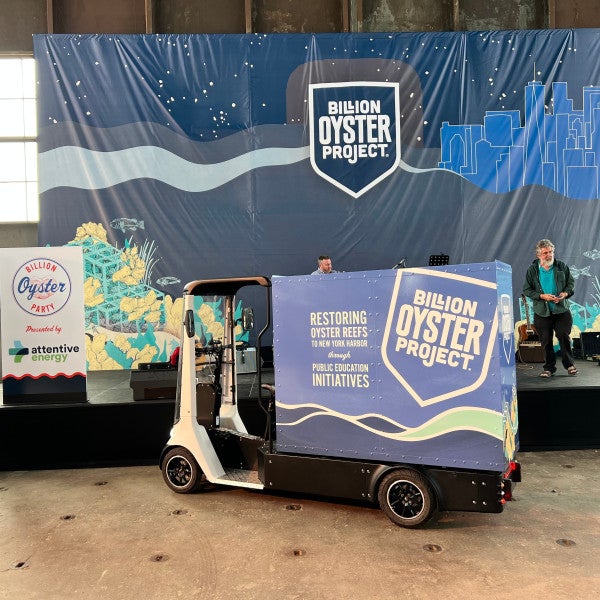
Cargo Bike Wraps for Fernhay Solutions in Danbury CT
Dec 17, 2023 by Christopher Hayes
Our team recently wrapped another eCargo bike for our friends at Fernhay Solutions! This latest bike is bound for LA for use inspecting the city's bike lanes.
Read more
Signarama Danbury, CT
contact
Signarama Danbury, CT