



8 Reasons Why Your Business Needs Wayfinding Signage
Jan 23, 2024 by Signarama Danbury, CT
Item 1 of 1
Making a strong first impression on customers and clients is crucial for success. One often overlooked aspect of creating a positive experience for visitors is using wayfinding signage. Wayfinding signage is a system of signs and visual cues that help people navigate through a physical space. Whether you operate a retail store, a corporate office, or a healthcare facility, here are eight compelling reasons why your business needs wayfinding signage.
What is a Wayfinding Signage?
Wayfinding signage guides individuals through complex environments, ensuring they reach their destinations efficiently. This specialized signage is strategically placed to provide clear and concise information, facilitating seamless navigation within airports, hospitals, malls, and large campuses.
The primary purpose of wayfinding signage is to eliminate confusion and enhance user experience by offering directional guidance. These signs convey essential information, including directions to specific locations, points of interest, facilities, and exits. Through strategic placement and intuitive design, wayfinding signage is pivotal in helping people orient themselves within unfamiliar surroundings.
Types of Wayfinding Signage
Directional Signs
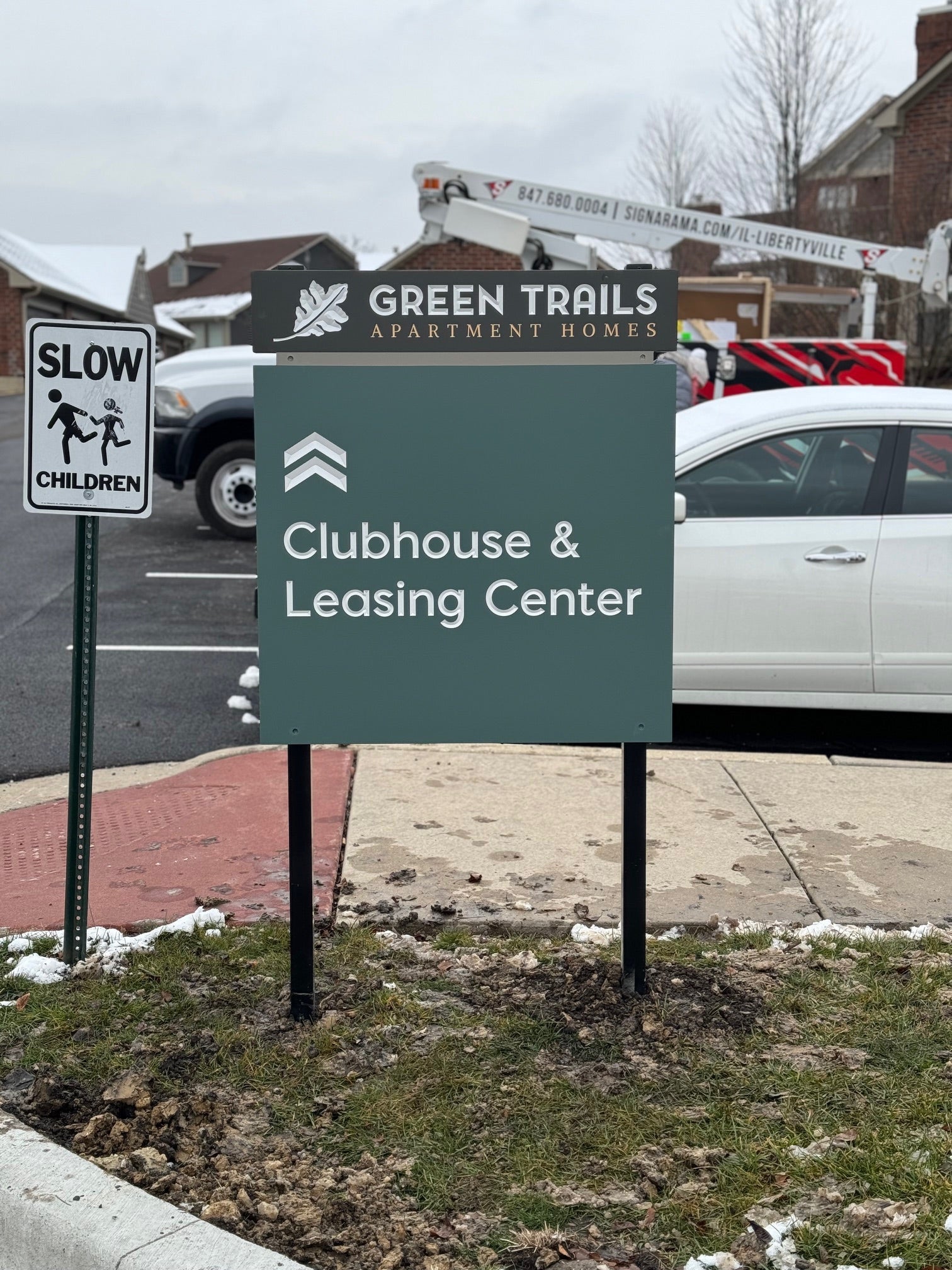
Directional signage guides individuals toward specific destinations within a given environment. These signs are designed with elements such as arrows, quickly understood symbols, and clear text, all geared towards providing quick and accurate information about the route to exits, restrooms, critical facilities, or other points of interest.
The primary function of directional signage is to efficiently channel individuals through a space, ensuring they reach their intended destination by following a well-marked path. Whether in public spaces, offices, or extensive facilities, directional signage serves as a navigational aid, streamlining the flow of foot traffic with easily comprehensible cues.
Identification Signs
Identification signage serves a different yet equally vital purpose by marking specific locations within a space, contributing to users' orientation. This signage includes labeling rooms, departments, and landmarks, enhancing spatial understanding. By providing context within the overall environment, identification signage aids users in identifying their current location and understanding the layout of the surroundings.
It is especially crucial in complex structures or extensive facilities where individuals may need to locate specific areas efficiently. With its distinctive labeling, identification signage ensures that users can quickly pinpoint and recognize critical destinations within a given space.
Informational Signs
Informational signage goes beyond the basic directions and identification, offering users additional details about areas, services, or amenities. These signs feature extended text or graphics to provide more comprehensive information, helping users make informed decisions about their route or destination.
It is precious in environments where users may need to access supplementary details to enhance their overall experience. Whether conveying details about facilities, services, or safety information, this type of signage enriches the user's understanding of their surroundings, contributing to a more seamless and informed navigation experience.
How Wayfinding Signs Make a Difference in Various Locations
Airports
Wayfinding signages play a crucial role in airports by aiding travelers in navigating complex and often sprawling environments. The significance of these signages lies in their ability to enhance the overall passenger experience. Air travel can be stressful, and well-designed wayfinding signage reduces this stress by ensuring efficient movement through terminals, gates, baggage claim areas, and various other services. Passengers can easily find their way, saving time and reducing anxiety during their journey.
Hospitals
In healthcare settings, wayfinding signages are paramount as they guide patients, visitors, and healthcare professionals through a critical and often overwhelming environment. These signages significantly improve efficiency, particularly during emergencies, by facilitating quick access to essential areas such as emergency rooms, operating theaters, and intensive care units. Additionally, they help individuals navigate different departments, clinics, and facilities within the hospital, ensuring that everyone can reach their destinations swiftly and with minimal confusion.
Shopping Malls
Wayfinding signages are also essential in shopping malls where expansive retail spaces can be daunting. Their significance lies in their ability to assist shoppers in locating stores, amenities, restrooms, and parking facilities. This simplifies the shopping experience and encourages exploration within the mall. By providing clear and consistent guidance, these signages contribute to a positive shopping experience, making it easier for customers to find what they are looking for and ensuring an enjoyable visit.
Signages are indispensable for creating user-friendly spaces by prioritizing clarity, consistency, and visibility. Whether in airports, hospitals, or shopping malls, wayfinding signage enhances the overall experience for individuals relying on them for guidance, ensuring effortless navigation in diverse environments.
8 Reasons Your Business Needs Wayfinding Signage
1. Enhanced Visitor Experience with Clear Signage
Effective wayfinding signage plays a pivotal role in improving the overall visitor experience. Navigating a business space can be challenging for clients, customers, or guests. Clear and strategically placed signage ensures that individuals can easily find their way, reducing confusion and frustration. This positive experience fosters a sense of satisfaction and comfort, enhancing the overall impression of your business.
2. Increased Brand Visibility Through Consistent Signage
Consistency in signage is vital to establishing and reinforcing your brand identity. Well-designed and cohesive wayfinding signage not only directs people efficiently but also serves as a powerful branding tool. Using consistent colors, fonts, and logos across all signage creates a strong visual identity for your business. This increased brand visibility helps reinforce brand recall and strengthens the connection between your business and its audience.
3. Safety and Emergency Preparedness with Adequate Signage
Wayfinding signage is crucial for ensuring the safety of visitors, employees, and occupants. Clear signage indicating evacuation routes, emergency exits, and safety equipment locations can be lifesaving. Properly placed and easily understandable emergency signage contributes to a prepared and secure environment, instilling confidence in the safety measures taken by your business.
4. Optimized Space Utilization for Efficient Navigation
Signage is a strategic tool for optimizing the flow of people within your business premises. Well-placed directional signage guides individuals through the most efficient routes, minimizing congestion and bottlenecks. By utilizing signage to streamline traffic, businesses can create a more organized and comfortable environment, ultimately improving the overall functionality and productivity of the space.
5. Accessibility Improvement for Diverse Audiences
Businesses benefit from catering to diverse audiences, including individuals with varying levels of mobility and different language preferences. Inclusive wayfinding signage considers all visitors' needs, providing clear directions with easily understandable symbols and multilingual information. This commitment to accessibility not only broadens your business's appeal but also demonstrates a socially responsible approach.
6. Promotion of Special Offers and Features Through Signage
Wayfinding signage isn't just about guiding people; it can also be a powerful marketing tool. Integrating promotional messages or highlighting special offers within your signage strategy can capture the attention of passersby. This dual-purpose signage not only directs individuals but also serves as an effective means of communicating key messages and enticing customers with relevant information.
7. Fostered Customer Loyalty with User-Friendly Navigation
A business environment that is easy to navigate promotes customer satisfaction and loyalty. When customers can efficiently locate products, services, or information they seek, it contributes to a positive experience. Consistent and clear wayfinding signage builds trust and encourages repeat visits, fostering a sense of loyalty among customers who appreciate the convenience and user-friendly nature of your business space.
8. Compliance with Regulations and Legal Requirements
Certain industries and businesses are subject to specific regulations regarding signage. Whether displaying safety information, accessibility features, or other legal requirements, companies must adhere to these standards. Implementing comprehensive wayfinding signage ensures compliance with regulations, reducing the risk of legal issues and creating a trustworthy and responsible image for your business.
How to Design an Effective Wayfinding Signage
Designing effective wayfinding signage is crucial for guiding people through spaces smoothly and enhancing their overall experience. Here are some tips for creating detailed and comprehensive wayfinding signage:
️Understand Your Audience
Understanding your audience is crucial when designing signage. Consider the demographics and specific needs of the people using the space, tailoring the signage to meet their expectations and preferences. It involves identifying language proficiency, cultural backgrounds, and specific user base requirements.
By doing so, the signage can effectively communicate information that resonates with the intended audience, promoting a more inclusive and user-friendly experience.
️Maintain Consistent Design Language
Maintaining a consistent design language across all signage is essential for creating a cohesive and visually appealing environment. Consistency aids users in quickly recognizing and understanding the information presented. Whether using specific colors, fonts, or design elements, a unified approach enhances the overall aesthetics and ensures that the signage system works harmoniously to convey information throughout the space.
️Establish Clear Hierarchy and Prioritization
Establishing a clear hierarchy for information is vital in guiding users efficiently. By prioritizing essential details such as major destinations, the signage helps users focus on the most critical information, making navigation more intuitive. This approach minimizes confusion and streamlines the user experience, particularly in complex or large spaces where clarity is paramount.
️Use Universal Symbols
Incorporating universally recognized symbols into signage is a powerful strategy, particularly for spaces with diverse or international audiences. Symbols transcend language barriers and enhance overall comprehension. Integrating symbols with precise meanings makes the signage more accessible and user-friendly for individuals from various cultural and linguistic backgrounds.
️Legible Typography
Choosing clear and legible typography is fundamental for optimal readability. The selected fonts should be easily readable from the intended viewing distance, and high contrast between text and background ensures visibility. This consideration is crucial for preventing eyestrain and facilitating quick information absorption, contributing to effective communication.
️Utilize Contrasting Colors
Using high-contrast colors in signage highlights essential information and creates visual emphasis. Consistent color coding can also help users associate specific colors with particular information or areas within a space, aiding in information recall and orientation.
️Consider Visibility Conditions
Designing signage to be visible in various lighting conditions is essential for indoor and outdoor spaces. Reflective materials for outdoor signage and adequate lighting for indoor signage in dimly lit areas contribute to better visibility and user guidance, ensuring the information remains clear and accessible regardless of the environment.
️Incorporate Interactive Elements
Incorporating interactive elements, such as touchscreens or QR codes, enhances the user experience by providing additional information and engaging users in a more personalized way. This modern signage approach caters to learning styles and allows for more dynamic and adaptable communication.
️Ensure Logical Placement
Strategically placing signage at decision points and intersections guide users along their route. Ensuring signs are positioned at eye level enhances visibility, preventing users from having to strain to locate important information. Logical placement contributes to a seamless navigation experience, especially in complex environments.
️Establish Wayfinding Hubs
Establishing wayfinding hubs at key locations with comprehensive maps and information serves as a central point for users to orient themselves and plan their routes. These hubs contribute to a user-friendly environment by providing a centralized source of information, reducing the likelihood of disorientation, and enhancing overall navigation efficiency.
️Test and Iterate
Conducting user testing is a crucial step in evaluating the effectiveness of signage. Gathering feedback allows adjustments based on real user experiences, ensuring the signage system is continually refined for optimal usability. This iterative process contributes to an evolving and user-centric signage solution.
️
Prioritize Accessibility Considerations
Ensuring that signage is accessible to individuals with disabilities is fundamental in promoting inclusivity. Incorporating tactile elements, braille, and auditory cues assists those with visual or hearing impairments, ensuring everyone can navigate the space independently and safely.
️
Develop a Maintenance Plan
Developing a maintenance plan is essential for the longevity and effectiveness of the signage system. Regularly checking and updating signage prevents wear and tear, ensuring that information remains accurate and relevant. A well-executed maintenance plan contributes to the overall functionality of the signage, preventing confusion and maintaining a positive user experience over time.
By following these tips, you can create wayfinding systems that effectively guide users through spaces while optimizing search engine visibility.
ADA Requirements for Wayfinding Signage
The Americans with Disabilities Act (ADA) sets forth specific requirements for wayfinding signage to ensure accessibility in businesses and municipal facilities. Adherence to these guidelines is crucial for ADA compliance.
Key practices include:
️Interior signage must incorporate braille and be positioned adjacent to the door latch or knob. This ensures tactile readability for
individuals with visual impairments.
️
All permanent spaces, defined as areas intended for use longer than seven days, must have appropriate signage. This requirement ensures consistent and reliable navigation for all users.
️
Signage must feature large fonts, colors that are easy to distinguish, and high contrast to accommodate those with visual impairments. These design elements enhance readability and comprehension.
️
Signage placement is critical; it should be directly beside its relevant area or on the closest adjacent wall if space is limited. Proper positioning aids in intuitive navigation.
️
Symbols must adhere to international standards, particularly those on common signs like those indicating restrooms. This uniformity
helps avoid confusion, especially for international visitors.
️
While most exterior signage is exempt from ADA requirements, certain elements, like accessible parking signs, must comply. This ensures that essential external navigational aids are accessible.
️
Generally, both internal and external wayfinding signs containing critical information should meet ADA standards. This broad approach helps prevent potential legal violations and ensures inclusivity.
By following these guidelines, businesses and facilities can create an accessible environment, promoting equal access and navigation for all individuals, including those with disabilities. Compliance adheres to legal standards and reflects a commitment to inclusivity and respect for diversity. This is where the expertise of professional signage companies like Signarama becomes invaluable. They provide knowledgeable guidance and high-quality, ADA-compliant signage solutions that meet legal requirements and enhance the overall accessibility and maritime experience for everyone.
FAQs
How can I ensure my wayfinding signage is user-friendly?
Ensuring user-friendliness involves conducting usability tests where individuals navigate the environment using your signage. Collect feedback to refine the signage's layout, content, and placement. This iterative process helps make the signage more intuitive and accommodating for your specific audience, ultimately leading to a smoother and more effective navigation experience.
What are some common wayfinding signage mistakes to avoid?
Common mistakes include overcrowding signs with excessive information, which can overwhelm users and hinder comprehension. Using overly complex symbols may confuse rather than guide individuals. Neglecting routine maintenance, such as updating outdated information or fixing damaged signs, can erode the effectiveness of the signage system over time.
Is wayfinding signage important in outdoor spaces?
Yes, outdoor wayfinding signage is crucial in parks, trails, and large public areas. It serves to help visitors find specific locations, navigate natural landscapes, and ensure their safety. These signs provide clear directions and information about landmarks, facilities, and trailheads, enhancing the overall experience and promoting responsible outdoor exploration.
Can digital or electronic signs be effective for wayfinding?
Digital or electronic signs can significantly enhance wayfinding. They offer real-time information updates, interactive maps, and dynamic content that adapts to changing circumstances. These features provide users with more accurate, engaging, and up-to-date navigation assistance, making them particularly useful in complex environments, transit hubs, and spaces with evolving conditions.
How can I calculate the optimal number of signs for a space?
Determining the ideal number of signs for a space involves considering factors such as the space's size, complexity, and user flow patterns. Consulting with signage experts or conducting user studies can help identify key decision points and areas requiring signage. This ensures that sign placement is strategic, efficient, and tailored to the unique needs of the environment and its users, optimizing the wayfinding experience.
Choose Signarama for Your Danbury, CT Signage Needs Today!
Investing in wayfinding signage in Danbury, CT, for your business is not just a practical decision — it's a strategic one. From enhancing customer experience to boosting brand visibility, these eight compelling reasons underscore signage's pivotal role in navigating your success. Don't let your business get lost in the crowd — embrace the power of adequate signage and guide your customers seamlessly.
Regarding expertly crafted and customizable signage solutions in Danbury, CT, trust Signarama to lead the way. Elevate your business with Signarama's innovative signage solutions and make every direction a clear pathway to success.
https://signarama.com/locations/ct-danbury
Contact us today!


Signarama Danbury, CT
35 Eagle Rd
DanburyConnecticut06810
Opening Hours:
Monday
8:00 am - 4:00 pm
Tuesday
8:00 am - 4:00 pm
Wednesday
8:00 am - 4:00 pm
Thursday
8:00 am - 4:00 pm
Friday
8:00 am - 4:00 pm
Contact
Signarama Danbury, CT
CLIENTS WE HAVE WORKED WITH:








Contact Us
Contact the team at Signarama Danbury, CT
203-792-4091Signarama Danbury, CT35 Eagle Rd Danbury Connecticut 06810
Avery
Certified Wrap Installer
Certified Wrap Installer
Follow Us
Select your country:
About Signarama
With the latest technologies and a wide range of available materials, there really is no end of choice and quality in the manufacturing of Signarama Signage. Images and logos belong to their owners and do not imply Signarama’s endorsement—shown only as examples of our work. Visit our corporate section to see more about:
Own a Signarama franchise
Join our winning team and own your future with Signarama - the largest sign franchise in the industry.
Copyright Signarama. All Rights Reserved. Powered by Gorilla Dash.