

How Much Do Storefront Signs Cost? Key Factors Brookfield Business Owners Should Know
Sep 30, 2026 by Signarama Danbury
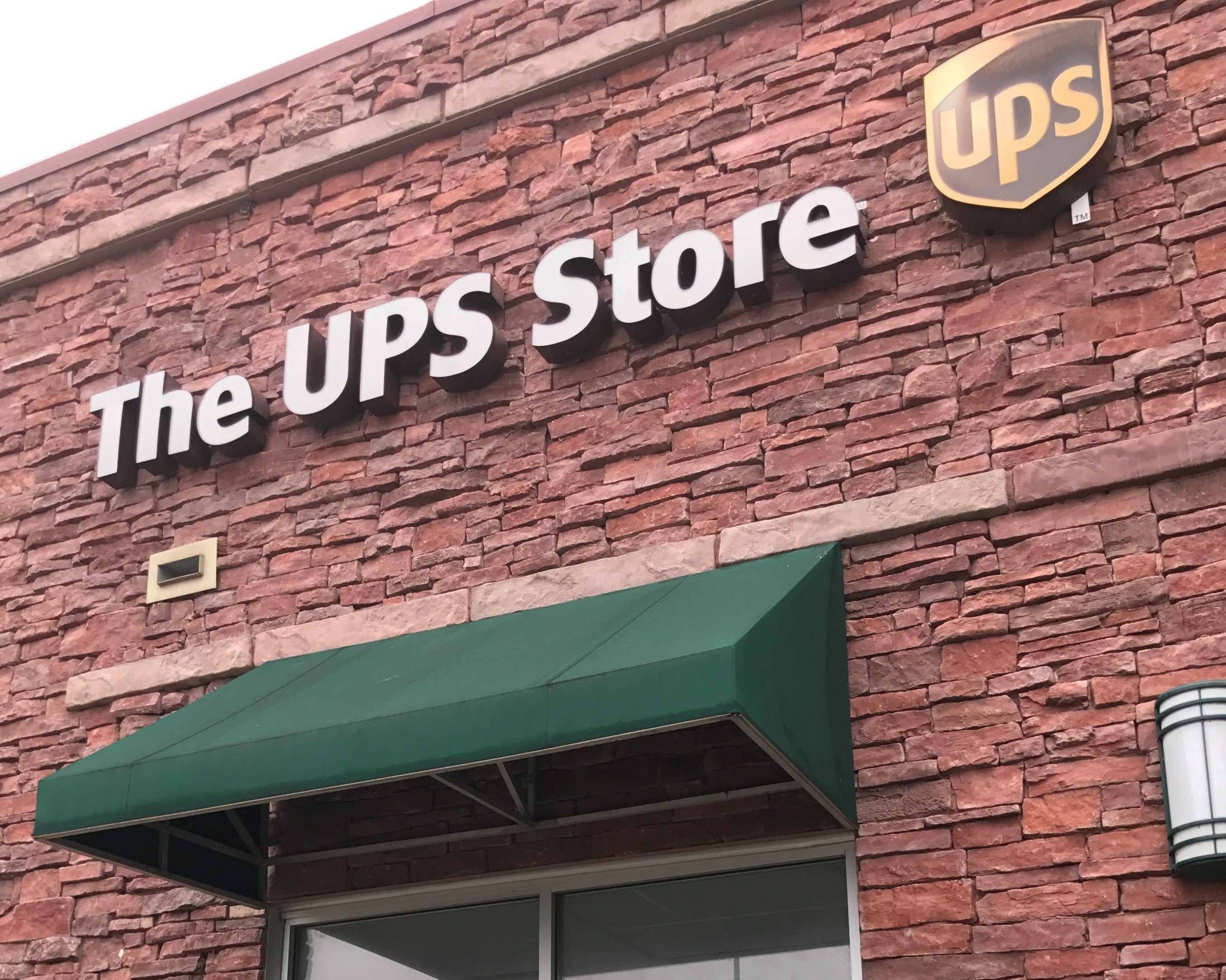
For business owners in Brookfield, CT, storefront signage is more than a business name above the door. It helps customers find the location, recognize the brand, and make a positive first impression. Whether you're opening a new business, relocating, renovating, or rebranding, planning the right sign is an important investment.
A common question is, how much do storefront signs cost? The answer depends on factors such as sign size, materials, design complexity, fabrication, installation conditions, permitting, and any electrical work performed by qualified electrical professionals.
This guide explains the key factors that influence storefront sign cost so you can compare estimates and plan a sign that fits your business, location, and budget.
Why Storefront Sign Pricing Varies So Much
Every Business Has Different Sign Requirements
No two storefronts are exactly alike. Factors such as the building, available sign space, branding needs, and visibility goals all influence the type and scope of the sign project.
Material Choices Affect the Overall Investment
The materials selected for a storefront sign play a major role in pricing. Different options vary in appearance, durability, and fabrication requirements.
Design and Fabrication Influence Cost
A sign's layout, graphics, finishes, and construction methods can all affect the amount of design and production work involved.
Installation Conditions Can Change the Scope
Where and how a sign is installed matters. Building height, mounting surfaces, accessibility, and site conditions may require different installation methods or equipment.
Property and Local Requirements May Add Steps
Some commercial properties have signage standards or approval processes. Local regulations and permitting requirements can also affect project planning and timelines.
A Complete Quote Includes Multiple Project Stages
Storefront sign estimates often cover more than fabrication alone. Design, site verification, production, installation, and project coordination may all be included in the overall scope.
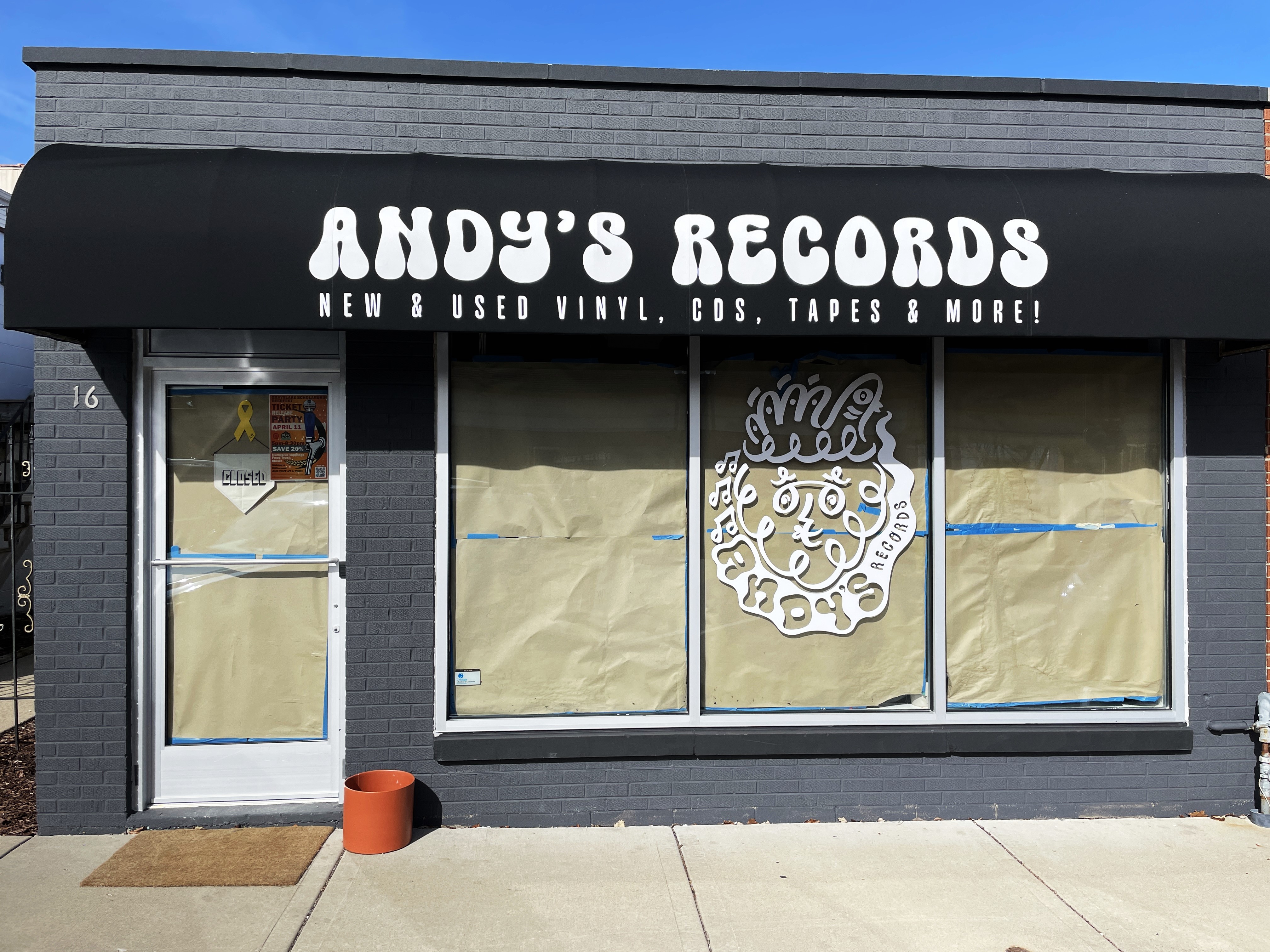
The Main Factors That Affect Storefront Sign Cost
Several variables influence a storefront sign estimate. Understanding them helps business owners compare quotes based on scope, materials, and installation needs rather than price alone.
Sign Size and Overall Square Footage
Larger signs require more materials, production time, hardware, and installation support. However, a simple large panel may still cost less than a smaller sign with dimensional letters, custom shapes, or layered graphics. Choose dimensions based on viewing distance, readability, and facade proportions. Oversizing can raise costs without improving visibility.
Materials and Expected Durability
Materials affect appearance, weight, maintenance, fabrication, and expected service life. Common options include aluminum, acrylic, PVC, vinyl graphics, high-density urethane, and dimensional lettering materials. The best choice depends on weather exposure, mounting surface, property requirements, and how long the sign is expected to remain in place.
Sign Type and Construction Method
Different sign types require different production methods. Common options include:
Flat sign panels
Non-illuminated individual letters
Window graphics
Door lettering
Projecting signs where permitted
Temporary banners
A standard panel is usually less complex than individually fabricated letters or a multi-layered logo. Quotes should compare the same sign type and construction method.
Design Complexity and Brand Requirements
Simple layouts require less design preparation than projects involving logo recreation, custom typography, color matching, detailed graphics, or multiple revisions. Clear, readable designs often perform better and cost less to produce than overly complex layouts.
Color, Finish, and Specialty Details
Custom paint colors, metallic finishes, textures, laminates, and layered effects can add production steps and material costs. Ask which finishes are included and whether they are suitable for exterior exposure and long-term brand consistency.
Lighting and Electrical Coordination
Illuminated signs usually involve additional components, permits, infrastructure, and coordination with qualified electrical professionals.
Fabrication Labor
Fabrication may include printing, routing, cutting, painting, laminating, assembling, drilling, and finishing. Custom shapes, dimensional elements, specialty coatings, and detailed assemblies require more labor than basic sign panels.
Installation Conditions
Installation cost depends on sign height, weight, mounting method, wall material, access, and site conditions. Signs installed high on a facade or on brick, stone, stucco, glass, or metal panels may require specialized equipment and additional setup.
Site Access and Equipment
Restricted parking, narrow work areas, landscaping, awnings, sidewalks, and limited installation hours can affect labor and equipment needs. A site review helps identify access challenges before fabrication begins.
Permits, Zoning, and Property Approvals
Local regulations and property rules may affect sign size, placement, projection, materials, and installation methods. Brookfield businesses should review the Town of Brookfield zoning regulations for signs before finalizing a storefront sign design. Confirm whether permit research, applications, drawings, landlord approvals, or government fees are included in the quote.
Removal of Existing Signage and Surface Repairs
Replacing a sign may require removal of old panels, letters, brackets, adhesive, or vinyl.
Patching, repainting, masonry repair, facade restoration, or electrical work may involve separate costs or outside contractors.
Quantity and Coordinated Sign Elements
A storefront project may include door lettering, window graphics, suite numbers, directional signs, parking signs, and interior branding. Planning these elements together improves design consistency, but each additional sign still adds material, fabrication, and installation costs.
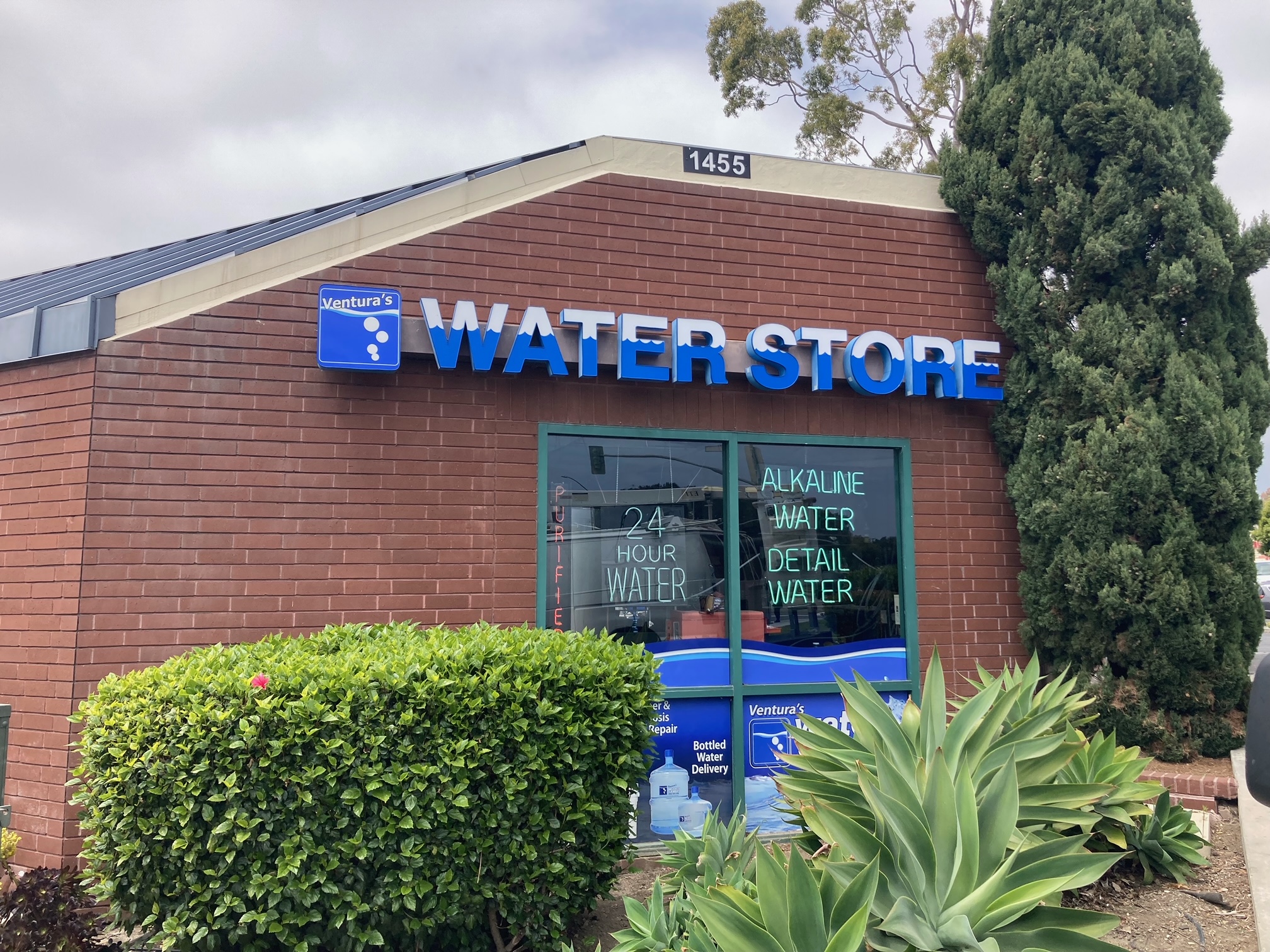
How to Build a More Accurate Storefront Sign Budget
A structured planning process can reduce surprises and make quotes easier to compare.
Step 1: Define the Sign’s Primary Job
Decide whether the sign must identify the business from the road, guide customers from a parking area, fit a shopping center sign band, or reinforce a professional brand. This purpose will shape the sign’s size, placement, contrast, and construction.
Step 2: Gather Property Information
Collect storefront photos, approximate measurements, lease requirements, landlord standards, facade details, and existing sign criteria. Early site information helps the sign company develop a realistic concept before final field measurements are completed.
Step 3: Prepare Brand Assets
Provide vector logo files, approved colors, fonts, and examples of current marketing materials when available. High-quality source files reduce artwork recreation and help the storefront sign match the rest of the brand.
Step 4: Choose a Practical Sign Category
Compare panel signs, dimensional logos, individual letters, and window graphics based on visibility, durability, property rules, appearance, and budget. The best option should remain readable at the intended viewing distance and suit the building.
Step 5: Request an Itemized Scope
Ask for a proposal that clearly identifies the materials, dimensions, design work, fabrication, finish, installation, removal, permitting responsibilities, and exclusions. An itemized scope makes it easier to compare quotes accurately.
Step 6: Confirm Approvals Before Fabrication
Secure required landlord and municipal approvals before production begins. Review the final proof carefully for wording, spelling, colors, dimensions, placement, phone numbers, and suite information to prevent avoidable revisions.
Step 7: Budget for Related Work
Account for possible costs beyond the main storefront sign, including old-sign removal, wall repair, painting, window graphics, door lettering, temporary signage, and electrical coordination performed by qualified professionals.
How to Compare Storefront Sign Quotes
Price matters, but the scope behind the price matters more. Review each proposal for the same specifications.
Compare the following:
Exact dimensions and quantities
Material type and thickness
Print, paint, laminate, or finish specifications
Mounting method and hardware
Installation height and access assumptions
Design revisions and proofing
Removal or disposal of existing signs
Permit responsibilities and fees
Electrical work exclusions
Warranty terms, if offered in writing
Project-specific exclusions
A lower quote may exclude installation equipment, permits, removal, artwork preparation, or surface repairs. A higher quote may include a more durable material or a more involved mounting system. Ask for clarification instead of assuming the proposals cover identical work.
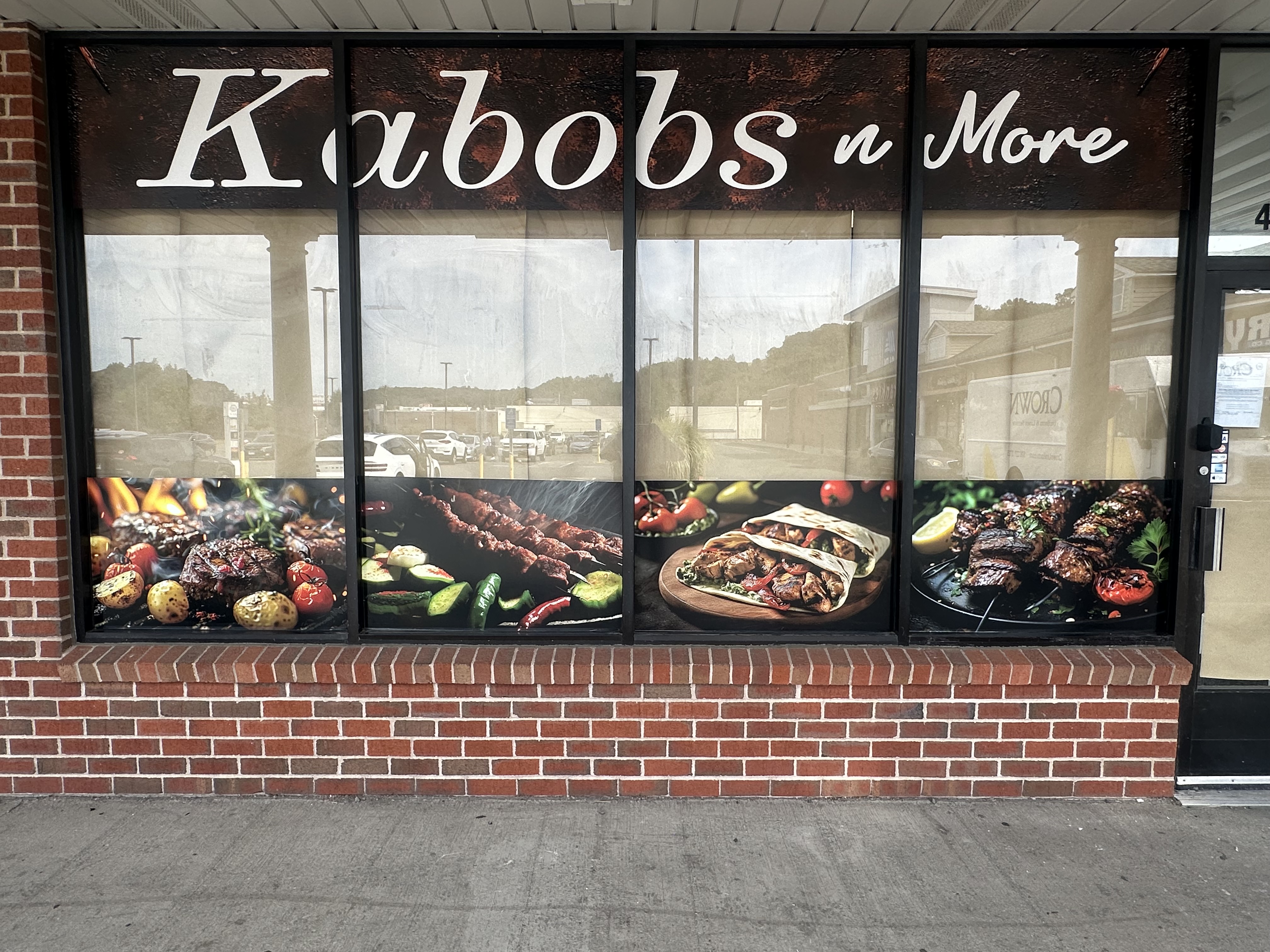
Ways to Control Cost Without Weakening the Sign
Business owners can often manage storefront sign cost by simplifying the project strategically.
Use clear, high-contrast layouts: Fewer words improve visibility and simplify production.
Provide vector artwork: Confirmed brand standards reduce design cleanup and revision time.
Match materials to actual needs: Distinguish between long-term exterior signage and temporary banners.
Verify zoning and landlord rules early: Knowing limits beforehand prevents unapprovable concepts.
Package related signage together: Coordinated planning reduces duplicate decisions and ensures consistency.
Limit specialty finishes: Skip custom effects that increase costs without a clear purpose.
Prioritize total value: Long-term durability, legibility, and professional installation matter more than the lowest quote.
What Are the Most Common Storefront Sign Pricing Mistakes to Avoid?
Provide Complete Project Information
Share basic details about the storefront, sign location, preferred sign type, and project goals. Clear information helps produce a more accurate estimate.
Compare Similar Sign Types
Compare quotes for the same type of storefront sign whenever possible. Different materials and construction methods can result in different pricing.
Account for Additional Project Costs
Review the estimate for costs beyond the sign itself, such as permits, property approvals, installation, or existing sign removal. Understanding the full scope helps prevent unexpected expenses.
Prioritize Readability Over Appearance
A storefront sign should be designed for visibility and function as well as aesthetics. Readability from the intended viewing distance is an important part of an effective sign.
Frequently Asked Questions
How do I know if my building can support a new storefront sign?
The building's facade, construction materials, and existing mounting conditions all influence the type of sign that can be installed. A site evaluation helps determine the most appropriate mounting method for your storefront.
Can my storefront sign match my existing brand guidelines?
Yes. A custom storefront sign can be designed to align with your brand's colors, typography, logo, and overall visual identity while meeting property requirements and maintaining readability.
Do shopping centers have their own storefront sign requirements?
Many retail centers, office complexes, and commercial properties have signage criteria that specify sign size, placement, colors, materials, or design standards. It's important to review these requirements before finalizing your sign.
Should I replace my storefront sign when I rebrand?
If your business has updated its name, logo, colors, or visual identity, replacing your storefront sign helps maintain brand consistency and ensures customers recognize your business across all touchpoints.
Can a storefront sign be installed without interrupting daily business operations?
In many cases, installation can be planned to minimize disruption. The approach depends on the building, sign type, property access, and installation conditions, so scheduling should be discussed during project planning.
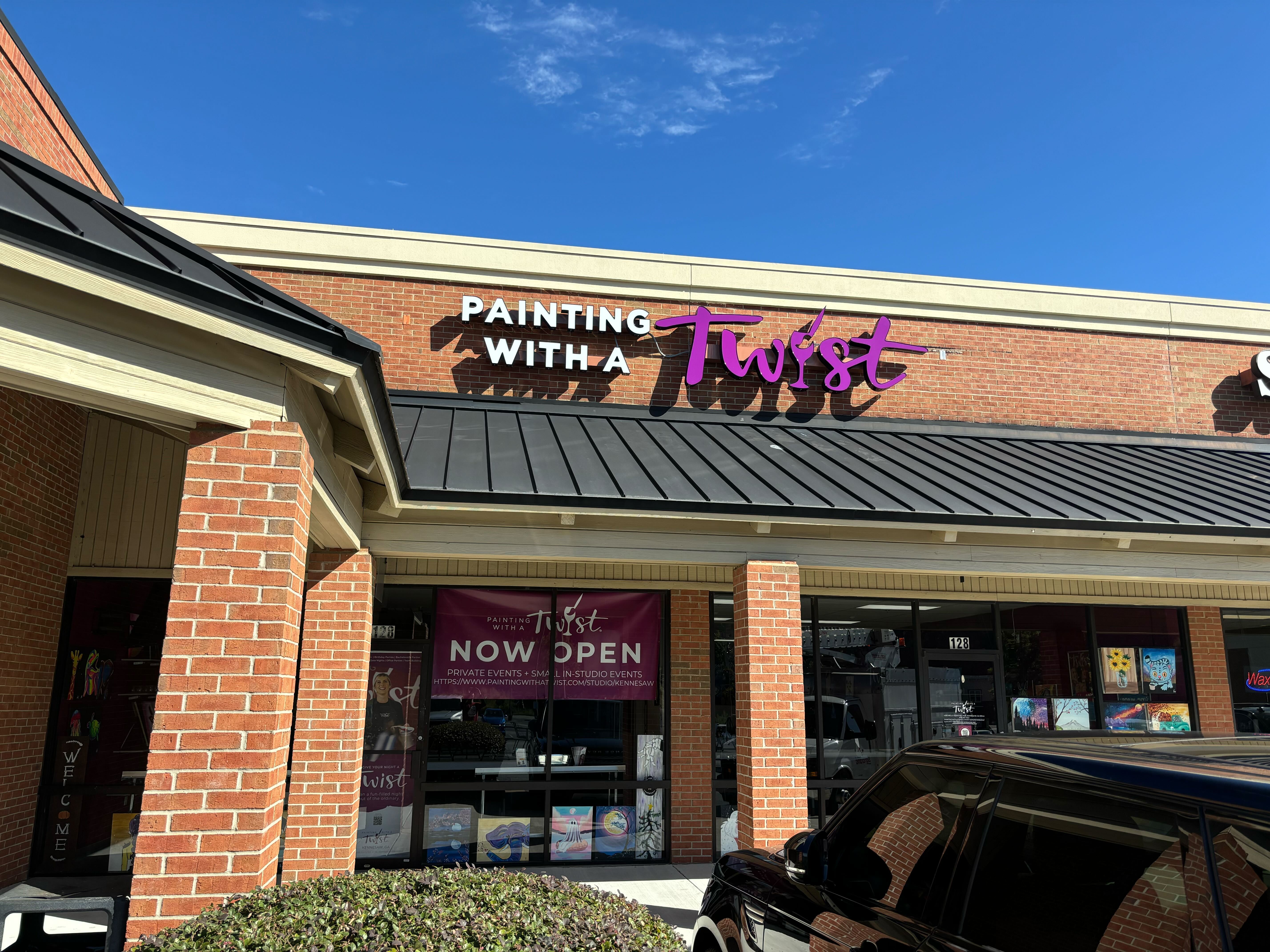
Ready to Plan Your Custom Storefront Sign?
There is no single answer to how much storefront signs cost because every project differs in size, materials, design, installation, and site requirements. Starting with a clear project scope and an itemized quote helps you budget more accurately and avoid unexpected costs.
Signarama helps businesses in Brookfield, CT, plan custom non-electrical storefront signs, window graphics, dimensional lettering, banners, decals, and other visual communication solutions.
Discuss your signage needs to develop a sign plan tailored to your business, property, and branding goals.


Signarama Danbury, CT
contact
Signarama Danbury, CT