


Outdoor Storefront Signs: Materials, Durability, and Visibility Factors
Sep 23, 2026 by Signarama Danbury
Outdoor storefront signs help customers find your business, understand what you offer, and form a first impression of your brand. In Brookfield, CT, they must also withstand rain, snow, wind, heat, and repeated freeze-thaw cycles.
Choosing the right sign means balancing appearance with durability, visibility, mounting conditions, and maintenance. This guide explains how to compare exterior storefront signs for long-term commercial use.
Why Outdoor Storefront Signs Need a Long-Term Plan
A storefront sign works in a demanding environment. Unlike indoor graphics, exterior storefront signs face direct sunlight, moisture, airborne debris, temperature changes, and physical movement from wind. The building surface also affects performance. Brick, concrete, stucco, wood, metal panels, and glass each create different mounting and maintenance considerations.
A durable sign plan should answer several questions before production begins:
What weather conditions will affect the sign?
How far away will customers view it?
What building material will support it?
How often will the sign need cleaning or inspection?
Will nearby awnings, trees, parked vehicles, or architectural elements block visibility?
Does the design match the business’s existing brand standards?
Best Materials for Storefront Signs in Harsh Weather
The best material depends on your sign's size, location, mounting method, and exposure. Choosing the right substrate helps improve durability, appearance, and long-term performance.
Aluminum
Aluminum is a popular choice because it resists rust, is lightweight, and supports a variety of finishes. Proper thickness, coatings, and mounting help maximize its durability.
Aluminum Composite Material (ACM)
ACM combines aluminum faces with a rigid core, making it ideal for flat storefront panels. It offers a smooth finish and good stability when properly supported.
High-Density Urethane (HDU)
HDU is a lightweight material commonly used for carved and dimensional signs. It resists moisture better than natural wood but still requires proper sealing and installation.
Acrylic and Polycarbonate
Acrylic provides a polished appearance, while polycarbonate offers greater impact resistance. Both are suitable for outdoor applications when designed for UV exposure and thermal expansion.
PVC and Expanded PVC
PVC works well for smaller or sheltered exterior signs. In areas with direct sun or extreme weather, a more durable exterior-grade material may be a better option.
Wood and Wood-Look Options
Natural wood offers a classic appearance but requires ongoing maintenance. Wood-look alternatives, such as HDU or composite materials, provide a similar aesthetic with lower maintenancDimensional letterse needs.
Dimensional Letters and Layered Sign Systems
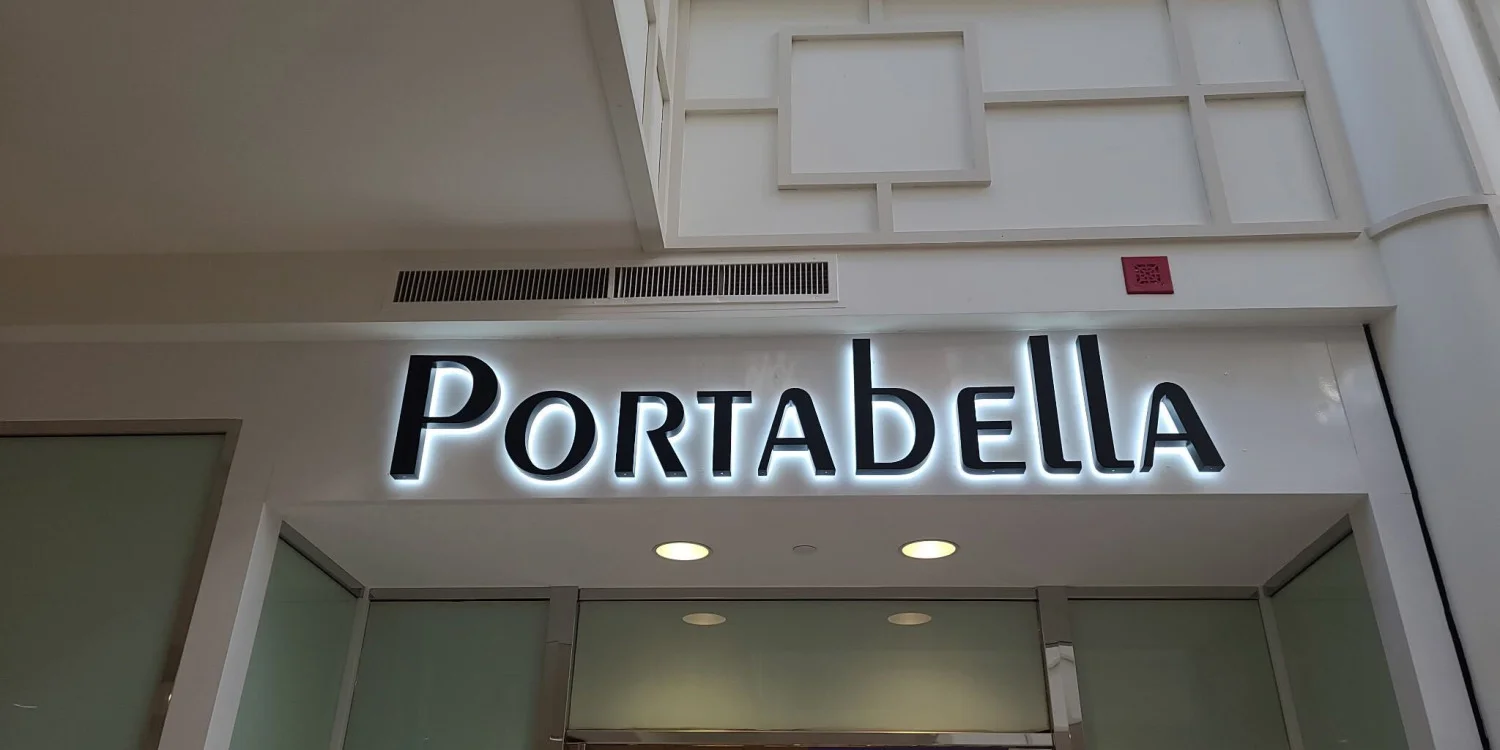
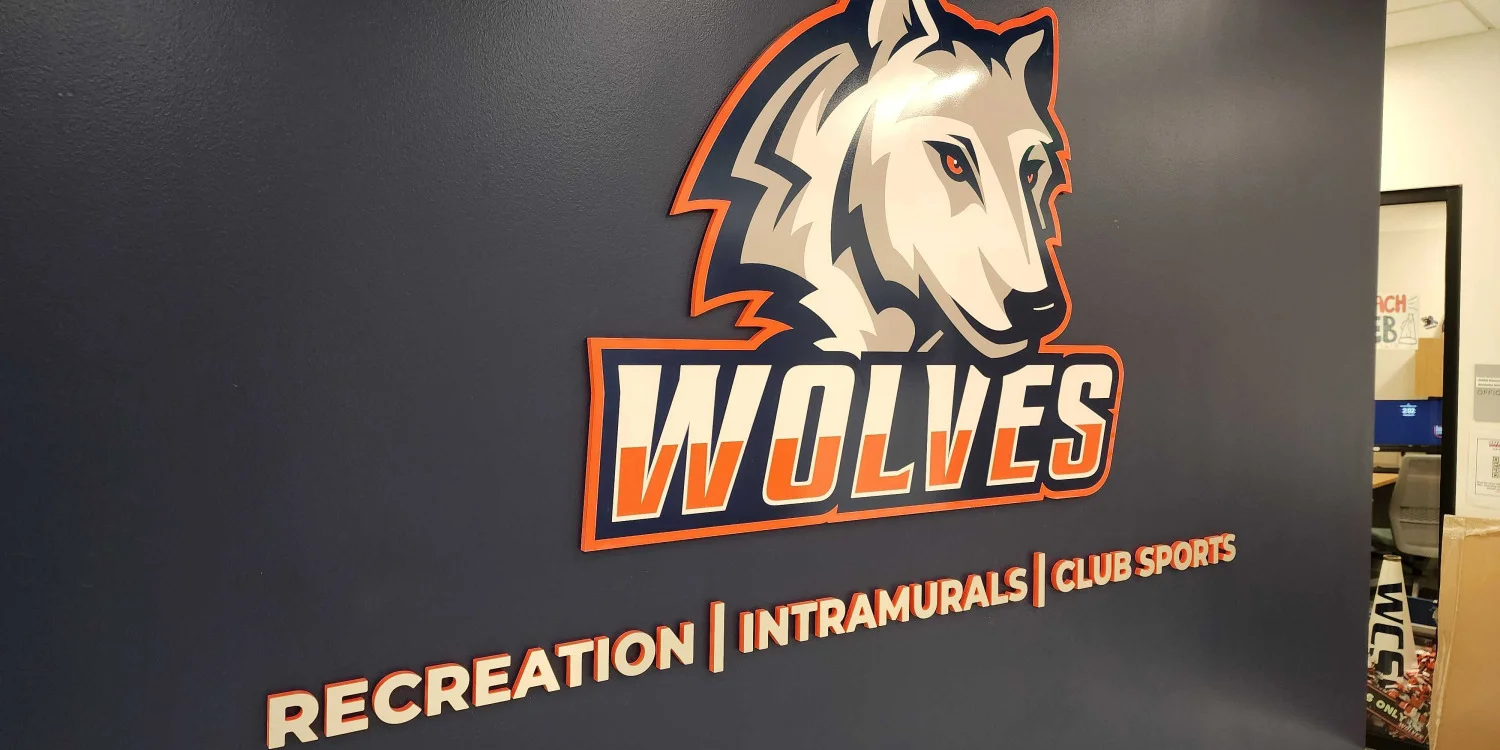
Dimensional letters create depth and stronger brand visibility. Material selection, mounting, and fabrication quality are essential to ensure long-term outdoor performance.
How Weather Exposure Affects Storefront Sign Durability
Brookfield businesses should consider more than average temperature. Exterior signs face repeated cycles that can slowly weaken materials and finishes.
Moisture and Precipitation
Rain, snow, sleet, and melting ice can enter small gaps around fasteners, seams, and edges. Over time, trapped moisture may stain the sign, affect coatings, or damage the supporting wall. A durable design limits water entry, supports drainage, and avoids shapes that allow water to pool. The installation team should also account for wall penetrations and exposed hardware.
Freeze-Thaw Cycles
When water enters a small opening and freezes, it expands. Repeated freeze-thaw cycles can widen gaps, loosen attachments, and stress coatings or substrates. This makes edge sealing, wall preparation, and appropriate hardware especially important in Connecticut.
Sunlight and UV Exposure
Direct sun can fade printed graphics, weaken certain plastics, and change surface color over time. Dark materials may also absorb more heat, increasing expansion and contraction. UV-resistant inks, coatings, laminates, and exterior-grade materials can help, but no finish is completely maintenance-free. The sign’s orientation and daily sun exposure should guide material and finish selection.
Wind Load and Movement
Wind creates pressure on flat panels, projecting signs, dimensional letters, and any component that extends away from the wall. Larger surface areas generally experience greater force. Corners and exposed elevations may also face stronger gusts.
A sign should be designed around the building surface, sign dimensions, support structure, and mounting method. A visually light sign may still require substantial support if it presents a large face to the wind.
Temperature Expansion and Contraction
Most materials expand when heated and contract when cooled. Different materials move at different rates. A sign that combines metal, plastic, adhesive, and painted surfaces must allow for that movement.
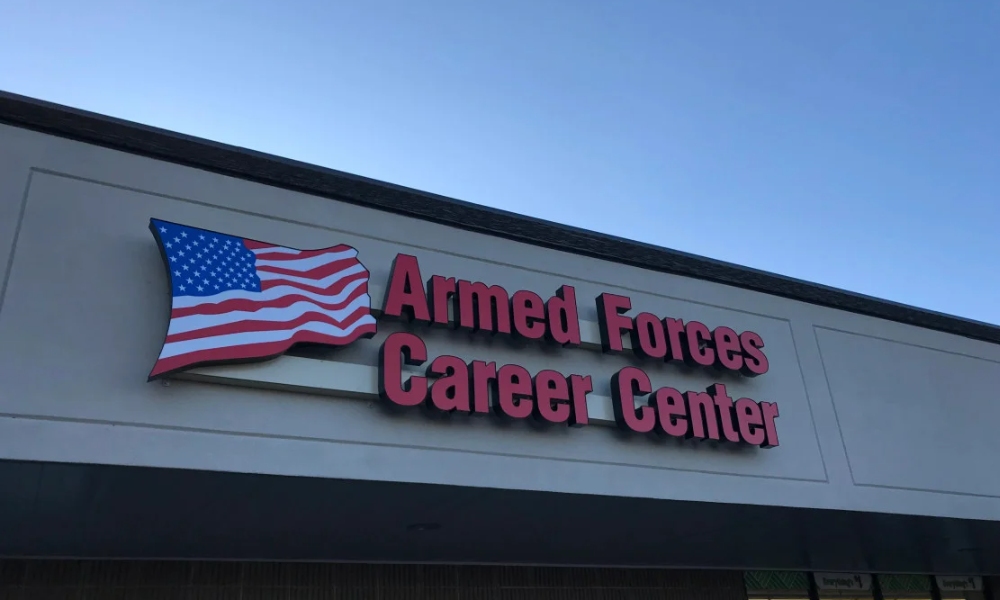
What Mounting Factors Affect the Long-Term Performance of a Storefront Sign?
Even a strong material can fail when the mounting method does not match the wall or sign type. Mounting should be planned as part of the design, not treated as a last-minute installation detail.
Building Surface
The type and condition of the building surface affect how a storefront sign is mounted. Brick, masonry, stucco, metal panels, and wood each require different attachment methods, making a site assessment essential for selecting the proper hardware and mounting points.
Sign Weight and Size
The size and weight of a sign influence the mounting system required to keep it secure. Even lightweight materials may need additional support if the sign is large enough to flex or experience increased wind loads.
Stand-Off Distance
Stand-offs add depth and visual interest but also increase wind exposure and create spaces where dirt or moisture can collect. The right spacing should balance appearance, stability, and ease of maintenance.
Hardware and Corrosion Resistance
Exterior mounting hardware should be compatible with both the sign material and the surrounding environment to help prevent corrosion and premature wear. Whether exposed or concealed, the hardware should provide a secure installation while allowing for future inspection or maintenance.
Visibility Factors for Exterior Storefront Signs
Durability matters only if customers can see and understand the sign. Effective storefront sign design combines strong contrast, readable typography, appropriate scale, and clear placement.
Viewing Distance
The intended viewing distance should guide the amount of text, letter size, and overall layout. Signs designed for drivers typically require simpler messaging than those intended for pedestrians.
Letter Size and Stroke Width
Larger letters and bold, well-spaced type improve readability from greater distances. The right typography helps ensure the storefront sign remains clear under different viewing conditions.
Color Contrast
Strong contrast between the lettering and background makes a storefront sign easier to read. Colors should be evaluated in the actual outdoor environment, where lighting and reflections can affect visibility.
Placement and Sightlines
A storefront sign should be positioned where customers can easily see it from their primary approach. Surrounding buildings, landscaping, and property features should be considered to maintain clear sightlines.
How to Choose Durable Outdoor Storefront Signs
A structured process helps businesses compare options without focusing only on appearance.
Step 1: Document the Site Conditions
Record the wall material, sign area, viewing distance, sun exposure, wind exposure, nearby obstructions, and existing mounting points. Photos from multiple angles can help identify visibility problems.
Step 2: Define the Sign’s Primary Job
Decide whether the sign must identify the business from the road, guide pedestrians, reinforce branding, distinguish a tenant space, or support several goals. A clear primary purpose keeps the design focused.
Step 3: Set Readability Priorities
Choose the most important words and visual elements. Usually, the business name and logo deserve priority. Secondary information should not reduce the clarity of the main message.
Step 4: Compare Materials by Exposure
Evaluate each material against moisture, UV exposure, temperature movement, impact risk, maintenance, and expected appearance. Ask how the finish and edges will be protected.
Step 5: Plan the Mounting Method Early
Confirm how the sign will attach to the building before finalizing thickness, size, or dimensional depth. This prevents design changes later and supports an installation-ready sign package.
Step 6: Review Brand Consistency
Compare the proposed colors, typography, logo proportions, and materials with the business’s existing branding. The storefront sign should feel like part of the same visual system used on vehicles, windows, interiors, and marketing materials.
Step 7: Consider Maintenance Access
Ask how the sign will be cleaned, inspected, or repaired. Signs placed above awnings or behind architectural features may be difficult to reach. Accessible mounting can reduce future disruption.
Step 8: Confirm Property and Local Requirements
Before production, verify landlord criteria, property standards, and applicable sign regulations. Requirements may affect size, placement, materials, projection, and mounting.
How Can Businesses Extend the Life of Exterior Storefront Signs?
Schedule Routine Inspections
Check the sign periodically for visible wear, loose hardware, surface damage, or changes caused by weather exposure.
Use Material-Appropriate Cleaning
Clean storefront signs with methods suited to the material and finish to help preserve appearance and readability.
Clear Debris Around Mounting Areas
Remove dirt, leaves, and buildup from edges, rails, and stand-offs so moisture and debris do not collect around the sign.
Watch for Early Signs of Damage
Look for peeling, fading, cracking, staining, or movement so minor issues can be addressed before they become more noticeable.
Maintain the Surrounding Area
Trim nearby vegetation and monitor the wall or mounting surface for damage that could affect the sign over time.
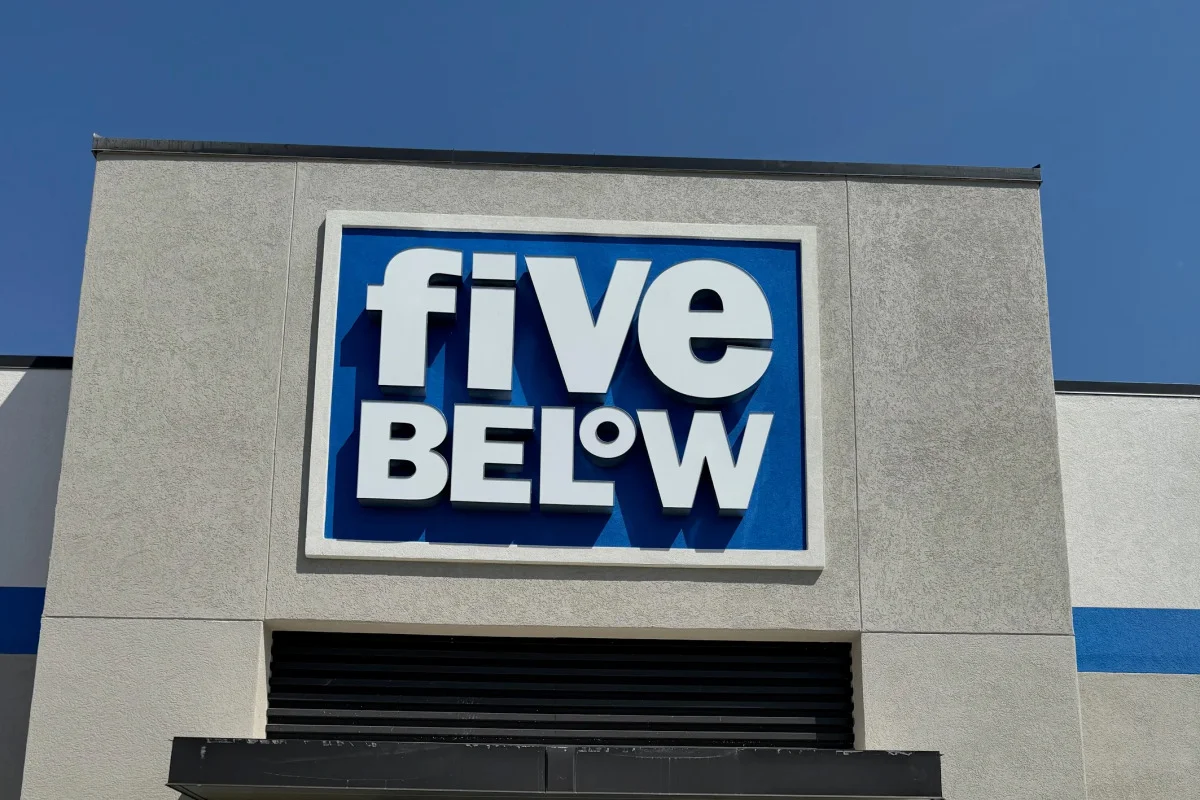
What Common Storefront Sign Mistakes Should Businesses Avoid?
Choosing Materials Based Only on Price
Lower-cost materials may not always suit the sign’s location, exposure, or expected service life.
Using Text That Is Too Small or Crowded
Too much information or undersized lettering can make a storefront sign difficult to read from the intended distance.
Ignoring the Building Surface
Wall condition, mounting space, and facade materials should be considered before the sign is produced.
Selecting Weak Color Contrast
Low-contrast color combinations can reduce visibility, especially from a road, parking area, or busy storefront environment.
Reusing Indoor Design Concepts Outdoors
Fine details and subtle graphics may not translate well to larger viewing distances or changing light conditions.
Overlooking Exterior-Grade Specifications
Materials, coatings, adhesives, and hardware should be selected for outdoor use and compatibility with the complete sign system.
Frequently Asked Questions
Should I replace my storefront sign if I move into an existing commercial space?
Not necessarily. If the existing sign does not match your branding or business identity, replacing it can help create a consistent and professional appearance for customers.
Can my storefront sign be designed to match other business signage?
Yes. Many businesses coordinate their storefront sign with window graphics, door lettering, interior signs, and wayfinding elements to create a consistent brand experience.
What should I prepare before meeting with a sign company?
Bring your logo files, brand colors, storefront photos, approximate measurements, and any landlord or property signage requirements. Having this information available helps streamline the planning process.
Can a storefront sign be updated without replacing the entire system?
In some cases, graphics, lettering, or panels can be updated while retaining parts of the existing sign structure. The available options depend on the condition and design of the current sign.
Who should I contact before installing a new storefront sign?
If your business is located in a shopping center, office complex, or leased commercial property, check with the property owner or landlord to confirm any signage guidelines or approval requirements before production begins.
Plan Outdoor Storefront Signs for Your Brookfield Business
The most effective outdoor storefront signs combine material durability, secure mounting, clear design, and strong visibility. Each decision should reflect the actual building, weather exposure, customer approach, and brand identity.
Signarama Brookfield can help businesses plan custom, non-electrical signage for storefront identification and long-term commercial use. Discuss your signage needs to compare materials, refine the design, and prepare a sign that fits your location and brand.
Start your sign project with Signarama in Brookfield, CT, today.


Signarama Danbury, CT
contact
Signarama Danbury, CT