

Floor and Sidewalk Graphics for Brookfield Retail Stores, Schools, and Events
Aug 28, 2026 by Signarama Danbury
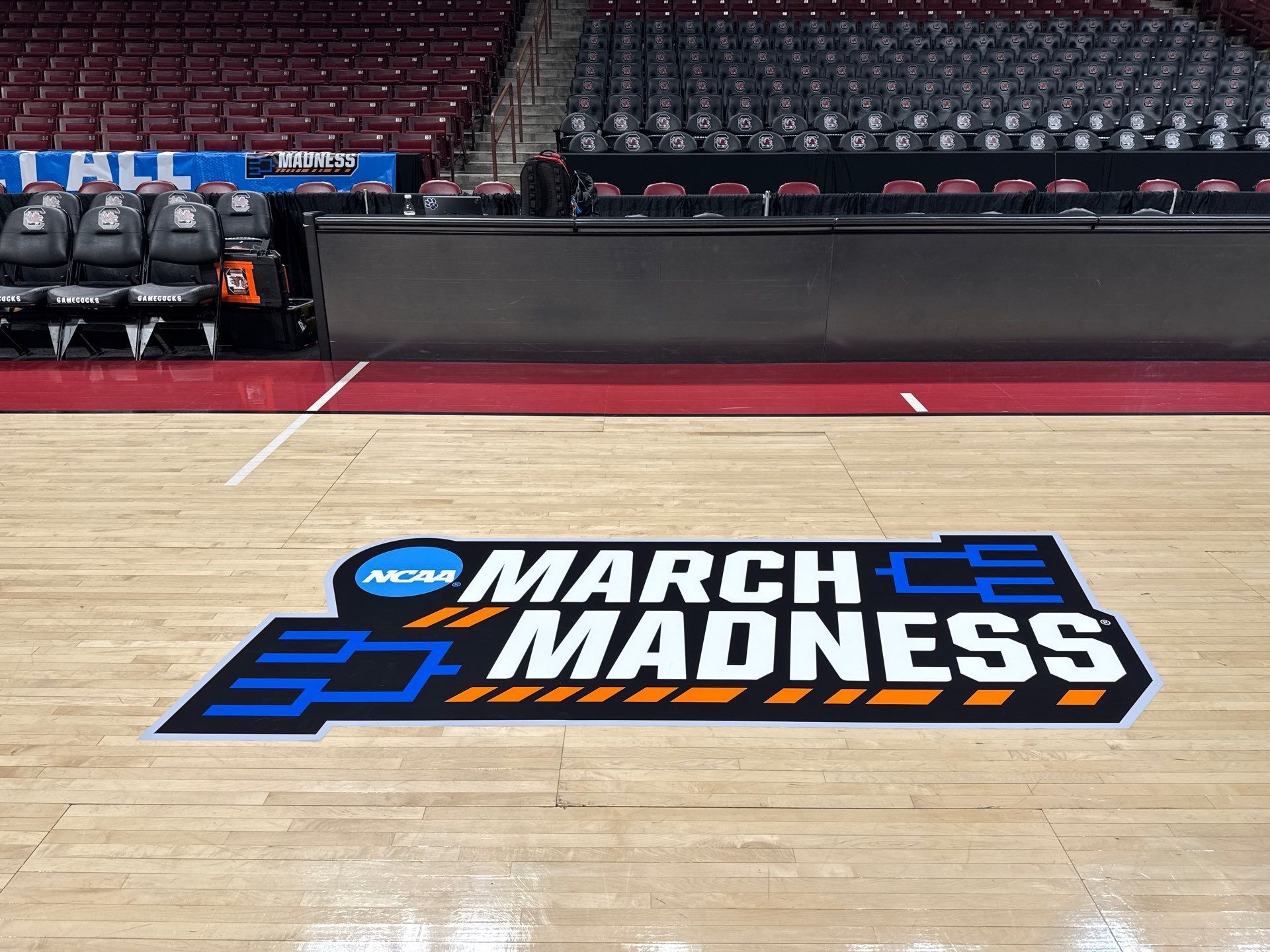
Walls, windows, and freestanding signs usually get the most attention in a signage plan. Yet customers, students, visitors, and event guests often look down while moving through a space. Floor and sidewalk graphics turn that overlooked surface into a practical communication tool.
For Brookfield retailers, schools, and event organizers, these graphics can point people toward an entrance, organize a line, identify a department, promote an offer, or extend a brand across a physical space. They work best when the message, material, and placement support the same goal.
Organizations researching sidewalk decals in Connecticut should also account for changing weather, surface condition, property approval, and pedestrian safety. A graphic that works on a smooth indoor floor may not suit exterior concrete. Careful planning helps the finished graphics communicate clearly without disrupting normal movement.
What Are Floor and Sidewalk Graphics?
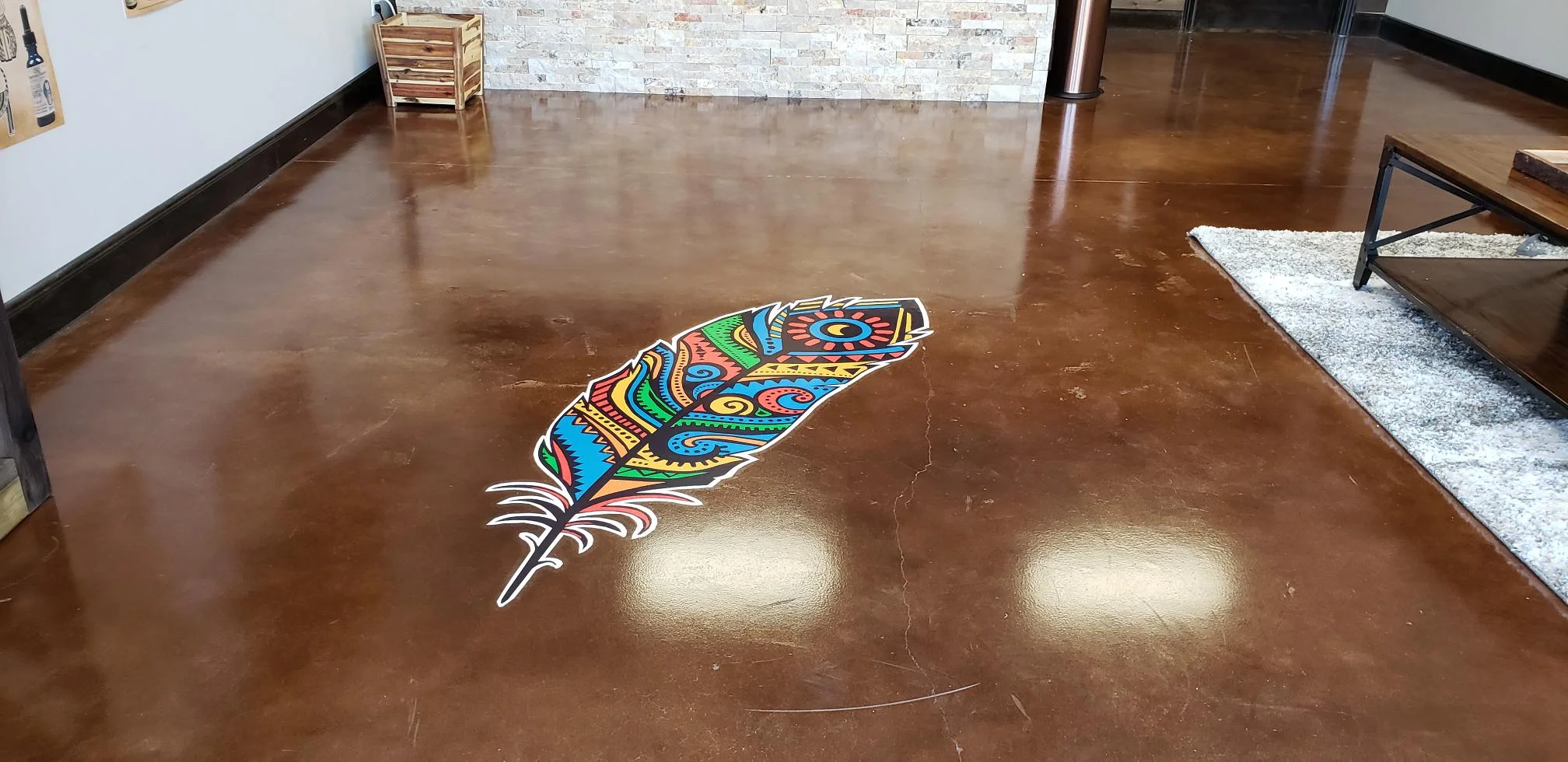
Floor graphics are printed, adhesive-backed graphics made for compatible walking surfaces. Organizations can use them for directions, promotions, branding, queue management, safety reminders, or temporary event messaging. Depending on the product, they may be installed on indoor flooring or approved outdoor surfaces.
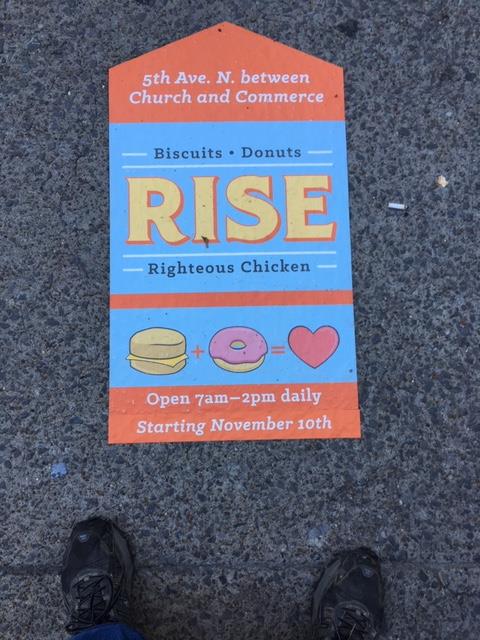
Sidewalk graphics serve a similar purpose outdoors. They are applied directly to suitable concrete, pavement, or another approved walking surface rather than mounted on a wall or sign frame. The term “sidewalk decals” refers to graphics applied to the walking surface, not A-frame or portable sidewalk signs.
The distinction matters. Cleaning products, wax, texture, and foot traffic affect interior applications. Exterior graphics also face moisture, temperature changes, dirt, sunlight, snow removal, and uneven surfaces. Each project needs a material and adhesive designed for its actual conditions.
Three Jobs Walk-Surface Graphics Can Do
The strongest projects begin with one primary purpose. A floor graphic can support several messages, but it should not ask a moving person to process too much at once.
Guide People Through a Space
A Brookfield retail store might use floor graphics to guide shoppers from the entrance to a pickup counter. A school could use them to mark the route to the main office or organize movement around an event check-in area.
Effective wayfinding forms a sequence. Each marker confirms the next decision instead of trying to explain the entire route from one spot.
Promote an Offer or Activity
Floor and sidewalk graphics can display timely messages where people naturally pause or pass. A retailer might highlight a seasonal department, new product area, loyalty program, or in-store event. An event organizer could use pavement graphics to identify registration areas, concession stands, sponsor displays, or activity zones.
Promotional graphics need a short message and a clear connection to their location. A callout placed near the relevant product, doorway, or action point is more useful. The same message may cause confusion when it appears too far from the intended destination or action.
Reinforce a Brand
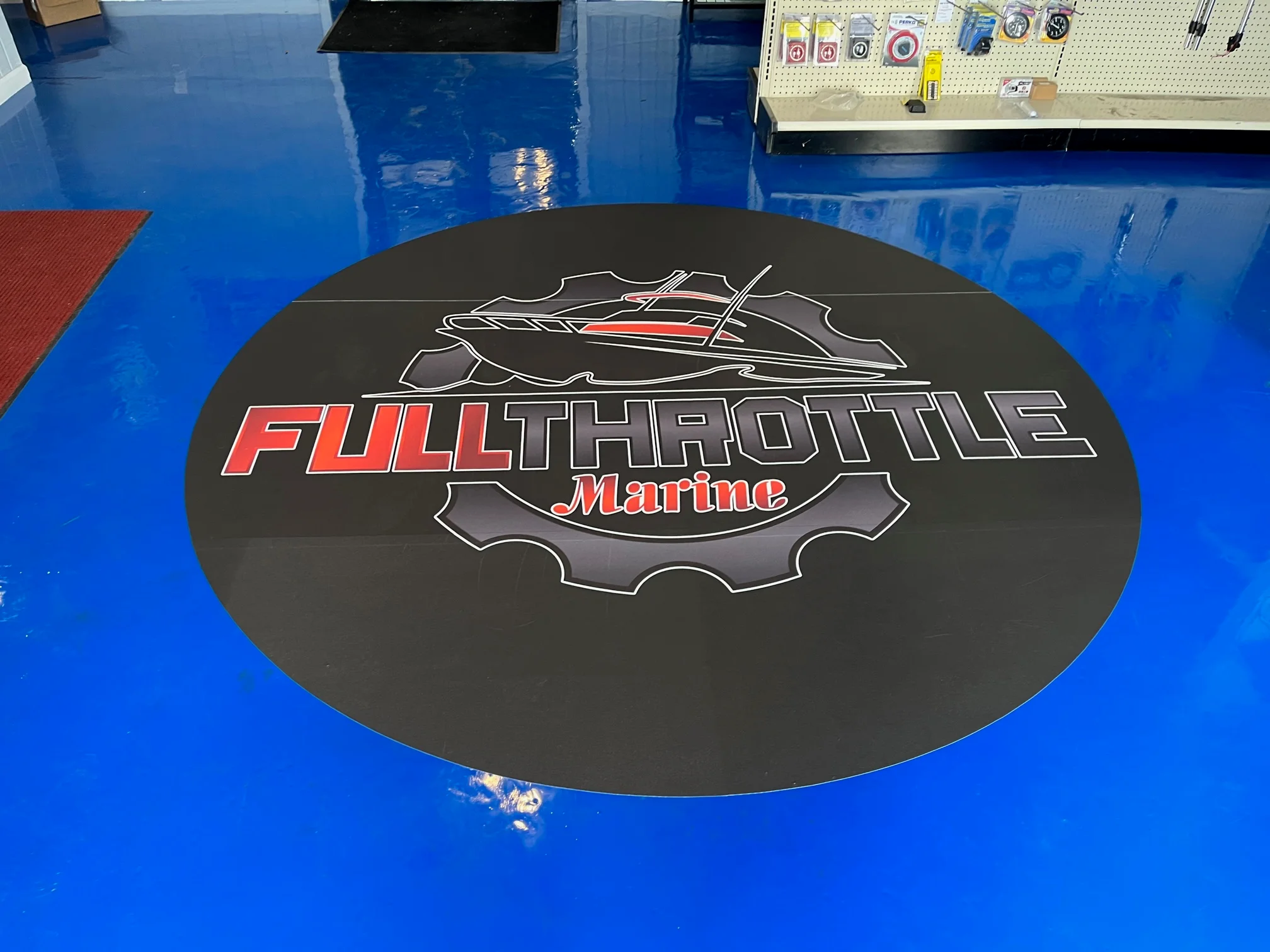
Logos, brand colors, patterns, mascots, and campaign themes can connect separate areas of a property. Custom floor graphics may continue a storefront identity inside, while school floor graphics can incorporate colors, values, or approved mascot artwork.
Branding should support movement rather than compete with it. Directional information needs enough contrast and visual priority to remain easy to understand.
Where Floor Graphics Work in Brookfield
Different properties create different traffic patterns. The placement plan should reflect how people actually enter, pause, turn, wait, and leave.
Retail Stores and Shopping Centers
Brookfield stores, including businesses along the Federal Road commercial corridor, may use floor graphics to guide shoppers, identify departments, manage pickup lines, or connect an entrance promotion with an in-store display. In a multi-tenant shopping center, graphics should remain within areas approved by the property manager.
Effective retail placements are often located near decision points, such as entrances, aisle intersections, service counters, checkout approaches, or transitions between departments. Graphics placed along an uninterrupted walkway may attract attention but are less likely to prompt a specific action.
Schools and Educational Spaces
School floor graphics can help students, families, staff, and event visitors navigate unfamiliar areas. Common uses include directions to the main office, routes to the library or cafeteria, event check-in paths, school-spirit graphics, graduation messages, and open-house markers.
Age and audience affect the design. Younger students may respond well to simple colors, icons, and short labels. Adult visitors usually need direct room names, arrows, or destination cues. Schools should review placements as part of their accessibility, facilities, and safety procedures.
Community Events and Temporary Programs
Events often transform familiar properties into temporary visitor environments. Guests may need directions from parking areas to admission points, vendor areas, restrooms, activity stations, or exits. Walking-surface graphics can support these temporary routes when their use is approved by the venue.
Outdoor event graphics should suit the event duration and expected conditions. Organizers should confirm who approves the surface, when installation can occur, and who will inspect and remove the graphics.
How to Plan Floor and Sidewalk Graphics
An effective graphic system starts with the route and surface, not the artwork. Use these steps to develop a practical plan.
1. Define the Desired Action
Decide what people should know or do after seeing the graphic. Goals such as “find registration,” “join the line here,” and “visit this department” are clearer than a broad objective such as “add more branding.” Assign one primary action to each location.
2. Walk the Route
Approach the site as a first-time visitor. Note entrances, intersections, bottlenecks, doors, queue areas, and places where people hesitate. Photograph and measure proposed locations with permission.
3. Evaluate Every Surface
Record whether the surface is smooth or textured, sealed or unsealed, and located indoors or outdoors. Note any exposure to water, cleaning equipment, vehicles, or heavy foot traffic. Check for cracks, residue, moisture, and coatings that could affect adhesion. A qualified sign professional should confirm material compatibility before production.
4. Confirm Approval and Site Requirements
Retail tenants may need approval from the property manager. Schools may require review by facilities personnel and administrators, while event organizers must follow venue requirements. For outdoor placements, confirm whether the proposed area is private property, leased space, or part of a public right-of-way. Do not assume that promotional graphics may be placed on a public sidewalk.
5. Design for People in Motion
Use a concise message, readable typography, strong contrast, and a clear visual hierarchy. Orient arrows and text toward the primary direction of approach. If visitors arrive from multiple directions, use separate graphics rather than a single design that is difficult to read from each angle.
6. Coordinate Installation Conditions
The surface may require specific cleaning, preparation, temperature, or drying conditions. Keep pedestrians away from the area during installation. Follow the manufacturer’s instructions for the selected material and installation surface.
7. Inspect, Maintain, and Remove
During the campaign, inspect the graphics for lifting edges, excessive wear, dirt, or damage. Remove or replace any graphic that is no longer securely attached or easy to understand. At the end of the campaign, follow the approved removal process and inspect the underlying surface.
Indoor Floor Graphics vs. Outdoor Sidewalk Decals
Indoor and outdoor applications may look similar in a design file, but they operate in different environments.
Indoor Floor Graphics
Indoor graphics often support retail promotions, queues, school branding, and event routes. The existing floor finish still matters. Tile grout, wax, texture, cleaning chemicals, rolling carts, and maintenance routines can affect performance.
Ask how the floor is cleaned, whether equipment crosses the area, and whether the property restricts adhesive products. Placement should not interfere with doors, flooring transitions, tactile warning surfaces, or required clear areas.
Outdoor Sidewalk Graphics
Outdoor graphics are exposed to Connecticut rain, winter weather, deicing products, moisture, temperature changes, and maintenance activity. Product selection should account for the pavement type and expected conditions rather than relying only on the fact that the graphic will be used outdoors.
Businesses planning sidewalk decals in Connecticut should determine the campaign duration and expected seasonal conditions early in the process. A graphic used for a one-day event may require a different material and installation approach from one used for a longer promotional campaign. Floor and sidewalk graphics should not be assumed to be permanent or maintenance-free.
Design Principles That Improve Visibility and Movement
Floor graphics compete with merchandise, people, furniture, architectural finishes, and other signs. Simple design choices help the message remain useful.
Keep the copy short. A person walking through a store or event should understand the graphic within a few seconds. Use clear actions and destination names, such as “Check In,” “Pick Up,” “Main Office,” or “Start Here.”
Build a clear visual hierarchy. The most important word, arrow, or destination should receive the greatest visual emphasis. Supporting details should not compete with the primary direction or message.
Use consistent visual cues. If blue circles identify one event zone, do not use the same blue circle for a different function nearby. Repeated shapes, colors, and arrow styles help visitors recognize a system.
Plan for realistic viewing angles. Floor graphics are rarely viewed straight on like a printed page. Test the artwork at its intended size and orientation from the direction in which people are expected to approach it.
Balance branding with contrast. Brand colors can create continuity, but a directional message still needs to stand out from the floor beneath it. A border or contrasting field may help separate the message from a patterned surface.
Common Floor-Graphic Planning Mistakes
Even a well-designed floor graphic can fall short if it is poorly planned. Avoid these common mistakes to improve performance and longevity.
Choosing artwork before evaluating the surface. Inspect the proposed installation surface first to confirm that it is compatible with the selected graphic material and adhesive.
Adding too much text. Keep messages short and easy to read, especially at intersections, entrances, and other decision points.
Using isolated graphics instead of creating a complete route. Coordinate floor graphics with wall signs, directories, and other wayfinding elements so visitors receive clear guidance at every decision point from start to finish.
Planning installation but not maintenance. Consider cleaning, inspections, replacement, and removal as part of the project from the beginning.
Ignoring traffic patterns. Place graphics where people naturally walk and approach, rather than where space happens to be available.
Frequently Asked Questions
Can floor graphics be installed on any surface?
No. Suitability depends on the material, adhesive, surface texture, coating, cleanliness, condition, and environment. The proposed surface should be evaluated before the graphics are produced.
How long do floor and sidewalk graphics last?
There is no standard lifespan for every application. Performance depends on factors such as foot traffic, rolling carts, cleaning methods, weather, surface condition, installation quality, and material selection. Choose the product based on the intended campaign duration and inspect the graphics regularly.
Can sidewalk graphics be placed on public sidewalks?
Do not assume that sidewalk graphics may be placed on public property. Installations within public rights-of-way may be restricted or require municipal approval. Confirm property ownership, obtain the required permission, and review applicable venue rules and local requirements before planning the installation.
Can school floor graphics provide directions?
Yes. School floor graphics can reinforce routes to offices, activity areas, event check-in, or shared spaces. They should complement the school’s broader signage and accessibility plan rather than replace required signs.
What information does a sign company need to plan the project?
Provide the project location, campaign goal, intended audience, surface type, measurements, expected traffic, environmental conditions, desired installation period, cleaning routine, brand files, and approval requirements. Site photos and an on-site walkthrough can help confirm appropriate placement.
Plan Floor and Sidewalk Graphics for Your Brookfield Space
The right graphics can make a Brookfield store easier to navigate, help visitors move through a school, or make an event layout easier to understand. Signarama can evaluate the proposed surface, refine the message, develop custom artwork, produce the graphics, and recommend placement within approved areas.
Turn an overlooked walking surface into a practical part of your signage system. Contact Signarama to discuss your space, goals, and floor or sidewalk graphic project.
REQUEST A QUOTE


Signarama Danbury, CT
contact
Signarama Danbury, CT