




Creating Eye-Catching Sports Signage for Schools and Stadiums in Brookfield, CT
Apr 23, 2025 by Signarama Danbury
Item 1 of 1
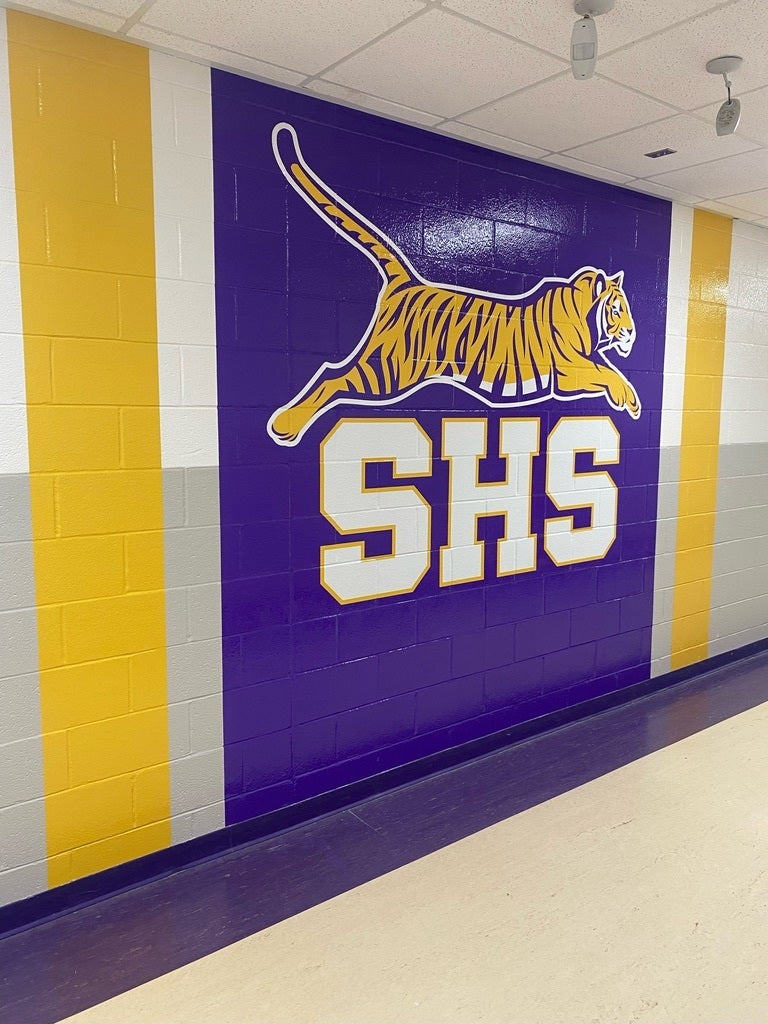
Sports signage is crucial in creating an engaging and organized environment for schools and stadiums in Brookfield, CT. Well-designed signage enhances school spirit, provides clear directions, promotes sponsors, and ensures that important game-day information is easily accessible. From bold banners to durable wayfinding signs, the right design makes a lasting impact on athletes, fans, and visitors alike.
To ensure maximum visibility and effectiveness, every element—from colors and fonts to placement and materials—should be carefully considered. Whether promoting a team, guiding spectators, or recognizing sponsors, high-quality sports signage helps create a seamless and professional atmosphere.
Here are essential tips for creating eye-catching sports signage that stands out in Brookfield, CT.
1. Use Bold and Contrasting Colors
Sports signage plays a crucial role in capturing attention and delivering messages effectively. The right color choices can enhance visibility, improve readability, and strengthen school spirit.
Ensure High Visibility From a Distance
Sports signage should be easily seen from various distances to maximize its effectiveness. Poor color choices can make signs blend into the background, reducing their impact.
•Bright Colors Stand Out: Vibrant colors such as red, yellow, and electric blue naturally draw attention and make signage easier to spot.
•Contrast Improves Readability: High-contrast color combinations, such as black on yellow or white on dark blue, enhance legibility and ensure information is easily readable.
•Avoid Similar Backgrounds: Placing text or graphics on a background with a similar shade can make signage difficult to read, especially from a distance.
Choose Colors That Reflect Team Branding and School Spirit
School and team pride should be a key consideration when selecting colors for sports signage. Signage that aligns with a school’s identity reinforces unity and recognition.
•Incorporate School Colors: Using official school colors strengthens branding and promotes team pride among students, athletes, and fans.
•Maintain Consistency Across Signage: Keeping a uniform color scheme across banners, scoreboards, and directional signs creates a cohesive and professional look.
•Balance Aesthetics With Functionality: While creativity is important, ensuring that color combinations remain easy to read should always be a priority.
2. Opt for Large, Readable Fonts
Clear and well-designed sports signage plays a crucial role in guiding visitors, promoting school spirit, and ensuring messages are seen from a distance.
Prioritize Clarity for Easy Reading
When designing sports signage, readability should always be a top priority. The font must be easy to read at a glance, whether on a stadium banner, scoreboard, or directional sign.
•Font Size Matters: Larger fonts ensure that text can be read from a distance, making it easier for spectators and visitors to absorb important information quickly.
•Avoid Script and Decorative Fonts: Fancy fonts may look stylish but can be difficult to read, especially from a distance or in motion. Stick to simple, bold typefaces.
•Consistent Letter Spacing: Proper kerning and spacing between letters improve readability and prevent text from looking cluttered or squeezed together.
Select Fonts That Are Bold and Simple
Using bold and simple fonts ensures that messages stand out and remain legible in various lighting and weather conditions.
•Sans-Serif Fonts Work Best: Fonts like Arial, Helvetica, and Impact are clean, modern, and highly readable, making them ideal for sports signage.
•Bold Text Enhances Visibility: Thicker fonts help messages pop, especially when viewed from a distance or against busy backgrounds.
•Contrast for Better Legibility: Dark text on a light background—or vice versa—creates a sharp contrast that enhances readability.
3. Incorporate High-Quality Graphics and Logos
High-quality graphics and logos are essential for creating professional and visually appealing sports signage. Well-designed visuals not only enhance the overall aesthetic but also help in building a strong and recognizable brand for schools and teams.
•Use High-Resolution Images for a Professional Look
Blurry or pixelated graphics can make sports signage look unprofessional and difficult to read. Using sharp, high-resolution images ensures that every detail is clear and appealing.
•Vector Graphics for Scalability: Vector images maintain their quality at any size, making them ideal for large banners, scoreboards, and posters.
•Proper Resolution for Printing: For printed sports signage, a resolution of at least 300 DPI (dots per inch) prevents distortion and maintains clarity.
•Clear and Crisp Digital Displays: When using digital screens, high-resolution graphics ensure that images and logos appear vibrant and sharp.
Maintain Consistency With School or Team Branding
Consistent branding strengthens team identity and makes signage easily recognizable. Matching colors, logos, and design elements with the school’s existing brand helps maintain a professional and unified look.
•Standardized Logo Usage: The same version of the logo should be used across all sports signage to prevent inconsistencies.
•Official Team Colors: Using the exact shades of the school's colors reinforces school pride and creates visual harmony.
•Consistent Font Styles: Fonts should remain the same throughout different signage to enhance readability and maintain brand consistency.
4. Choose Durable and Weather-Resistant Materials
Sports signage is an essential component of schools and stadiums, serving as a tool for navigation, branding, and sponsorship promotion. To ensure long-term visibility and effectiveness, it is important to use materials that can withstand harsh outdoor conditions.
Consider Outdoor Conditions and Long-Term Use
Sports signage is often installed in open spaces where it is exposed to various weather elements. Selecting materials designed for outdoor durability ensures that signs remain intact and legible throughout different seasons.
•Temperature Resistance: Materials should be able to withstand extreme heat, cold, and humidity without warping, cracking, or fading. Signs placed in direct sunlight or freezing temperatures must be made from materials that can endure these conditions.
•Wind Durability: Outdoor signage, especially those in stadiums or open fields, must be strong enough to resist wind damage. Reinforced materials, such as thick aluminum or heavy-duty vinyl, can help prevent signs from tearing or bending.
•Moisture Protection: Signs exposed to rain or snow should be water-resistant to prevent ink from smudging, colors from fading, or materials from rotting and deteriorating over time.
Use UV-resistant and Waterproof Materials
Constant exposure to sunlight and moisture can reduce the lifespan of sports signage if the right materials are not used. Investing in UV-resistant and waterproof options helps protect signs from fading, water damage, and general wear and tear.
•UV-Resistant Coatings: Signs with UV-resistant coatings prevent colors and text from fading due to prolonged sun exposure. This feature ensures that graphics and messages remain clear and vibrant for years.
•Waterproof Laminates: Adding a protective laminate to signs shields them from moisture, preventing ink from running and materials from weakening. This is especially useful for banners, decals, and printed signs placed outdoors.
•Rust-Proof Metal Options: Aluminum and stainless steel signs are excellent choices for stadiums and school grounds, as they do not rust or corrode when exposed to rain and humidity. These materials provide long-lasting durability without requiring frequent replacement.
•Weatherproof Vinyl: High-quality vinyl is a flexible and durable option for sports signage. It resists tearing, water damage, and sun exposure, making it ideal for banners, wall graphics, and other large-scale signs.
5. Strategically Place Signage for Maximum Impact
Sports signage plays a crucial role in enhancing visibility, guiding spectators, and promoting sponsors at schools and stadiums. Proper placement ensures that the message reaches the intended audience effectively.
Identify High-Traffic Areas for Better Visibility
Placing sports signage in areas with heavy foot traffic ensures that more people see the message, whether it's for directions, sponsorships, or team spirit. Identifying these high-traffic zones is essential for making the most out of signage placement.
•Entrance and Exit Points: Placing signs at main gates and exits ensures that visitors immediately see important information, such as event schedules, welcome messages, and safety guidelines.
•Concession Stands and Rest Areas:People naturally gather in these locations, making them ideal for promotional signage, sponsorship messages, and upcoming event announcements.
•Seating Areas and Bleachers: Signs placed around spectator areas can reinforce school spirit, showcase sponsors, and provide useful information, such as seating sections and emergency exits.
•Walkways and Hallways: For indoor stadiums or school gyms, placing signs along hallways and walkways ensures continuous visibility as people move through the space.
Ensure Clear Placement for Directions and Promotions
Sports signage should not only be eye-catching but also functional. Ensuring that signs are positioned for easy readability helps visitors navigate the space efficiently and stay informed about key messages.
•Height and Angle Considerations: Signs should be positioned at eye level or higher to be easily seen from a distance, avoiding obstructions that might block visibility.
•Spacing and Readability: Avoid cluttering signs too close together, as this can overwhelm viewers. Proper spacing allows each sign to stand out and be read clearly.
•Directional Signage for Wayfinding: Arrows and labels should be used to direct visitors toward seating sections, exits, restrooms, and concessions, ensuring a smooth flow of traffic.
•Highlighting Promotions and Sponsors: Placing promotional banners and sponsor logos in visible areas, such as scoreboard displays, fences, and sidelines, increases brand exposure and support for the school or team.
6. Highlight Key Information Clearly
Effective sports signage should be easy to read and understand at a glance. Whether for schools or stadiums, clear messaging ensures that athletes, fans, and visitors can quickly find relevant details. nt.
Focus on Essential Details
Every sports signage design should prioritize the most important information. Overloading a sign with too much content can make it confusing and difficult to read.
•Team Names: Displaying team names prominently helps build school spirit and strengthens fan engagement. Using large, bold fonts ensures that team names can be read from a distance, allowing spectators to easily identify the teams competing.
•Event Dates and Times: Clearly listing the dates and times of games and tournaments ensures that attendees know when and where events are happening. A bold, high-contrast font should be used so scheduling details stand out, making them easy to read even in fast-paced environments.
•Sponsorship Recognition: Sponsors play a vital role in supporting school athletics, and recognizing them appropriately is important. Placing sponsor logos or names in a dedicated section of the sports signage keeps the design organized while giving sponsors the visibility they deserve. This can also encourage future sponsorships by demonstrating value to potential partners.
.
Avoid Clutter to Maintain Readability
A well-organized sports signage design improves legibility and overall impact. Simplicity helps viewers absorb information quickly.
•Limit Text: Using only the necessary words ensures that messages remain clear and to the point. Short, direct statements are easier to read from a distance and prevent unnecessary clutter that could distract from key information.
•Use Clear Spacing: Leaving enough space between text elements prevents overcrowding and improves readability. Proper spacing allows each piece of information to stand out, ensuring that important details are not overlooked.
•Choose Simple Fonts: Avoiding overly decorative or script fonts is crucial for maintaining readability. Bold, sans-serif fonts work best for sports signage because they are easy to read from a distance and in various lighting conditions.
7. Incorporate Interactive Elements
Sports signage is more than just a visual tool—it can also enhance fan engagement through interactive elements.
Enhance Engagement With QR Codes
QR codes are a simple yet effective way to connect people with important resources instantly. When placed strategically on sports signage, they can serve multiple purposes while maintaining a sleek and professional look.
•Schedules and Game Updates: A QR code can link directly to an updated schedule, ensuring fans have access to real-time game dates, times, and locations. This reduces the need for printed materials and keeps spectators informed.
•Ticketing and Entry Access: Digital tickets can streamline entry to games and events. QR codes can be linked to ticket purchasing platforms, making it easier for attendees to buy or scan tickets at the entrance without delays.
•Sponsorship and Promotions: Schools and stadiums can use QR codes to direct fans to promotional offers, sponsor websites, or special discounts. This creates additional value for sponsors while offering exclusive deals to attendees.
•Merchandise and Fan Gear: QR codes can link directly to online stores where fans can purchase team apparel, memorabilia, or customized gear. This provides an easy shopping experience while boosting school spirit and team branding.
•Interactive Fan Experiences: Some QR codes can lead to surveys, social media pages, or interactive games, encouraging spectators to engage more deeply with their favorite teams. This fosters a sense of community while increasing fan participation.
Strategic Placement for Maximum Effect
To ensure QR codes are both useful and accessible, they should be placed thoughtfully on sports signage.
•Entrance and Ticket Booths: Positioning QR codes at entry points ensures fans can access tickets and promotions before entering the venue.
•Concession Stands and Merch Tables: Placing QR codes in these areas allows attendees to browse menus, place orders, or explore additional merchandise options.
•Scoreboards and Sideline Banners: These high-visibility locations ensure QR codes are easy to scan, keeping fans engaged throughout the game.
•Team Locker Rooms and Practice Areas: Athletes and coaches can benefit from QR codes linking to training schedules, team updates, and digital playbooks.
Ensure a Seamless User Experience
For QR codes to be effective, they should be designed and implemented properly.
•Clear and Visible Placement: QR codes should be large enough to scan easily, even from a slight distance. Placing them in well-lit areas enhances accessibility.
•Direct and Mobile-Friendly Links: QR codes should lead to mobile-optimized pages that load quickly and provide clear, relevant information without unnecessary redirects.
•Consistent Branding: Customizing QR codes with team colors or logos ensures they blend well with sports signage while maintaining a professional appearance.
Frequently Asked Questions
Do sports signs have to follow rules?
Many sports organizations have rules about signage, especially for safety and fairness. Some leagues limit the size or placement of advertisements to avoid distractions. Certain types of signage, like digital displays, must meet brightness regulations to ensure they don’t interfere with the game. In some cases, sports governing bodies approve sponsorship signage to prevent conflicts with official league partners. Signs placed near the field must also avoid blocking the view of spectators. Each sport or venue may have different guidelines regarding signage use.
Why do fans bring signs to games?
Fans bring signs to games to show support for their team or favorite players. Some signs include creative slogans, jokes, or messages to get noticed by cameras. Others display encouragement, hoping to boost team spirit. Signs are also used to participate in traditions, like holding up letters that spell out a team’s name. In some cases, fans bring signs to respond to rival teams or to interact with players.
How is sports signage installed?
The installation of sports signage depends on its type and location. Large banners may be hung from ceilings, attached to fences, or secured with poles. Digital signage requires mounting on walls or structures, with power and data connections to operate properly. Floor graphics are often applied using special adhesives to ensure they stay in place. Some signs, like sponsorship boards, are installed temporarily and removed after the event. Installation is typically handled by professionals to ensure stability and safety.
Can sports signage be reused?
Many types of sports signage are designed for reuse. Permanent signs, like scoreboards and directional signs, stay in place for multiple seasons. Banners made from durable materials can be stored and used for different events or games. Some sponsorship signs are designed with changeable panels, allowing new advertisements to be inserted. Digital signage can display different messages, making it highly reusable for various promotions. However, temporary signs, such as paper posters or event-specific banners, may not always be reusable.
Are sports signs different for indoor and outdoor venues?
Indoor and outdoor sports signs differ in design, material, and durability. Indoor signs can use lighter materials like fabric or plastic since they do not need to withstand weather conditions. Outdoor signs must be weatherproof, using strong materials like metal, vinyl, or treated wood. Digital signage for outdoor venues is built with waterproof and glare-resistant screens. The size and brightness of signs may also vary, as outdoor signs need to be more visible from a greater distance. Both types serve similar purposes but are designed to fit their specific environments.
Enhance Your Sports Signage With Expert Solutions!
Make your school or stadium in Brookfield, CT stand out with high-quality, professionally designed sports signage. Whether you need bold game-day banners, durable wayfinding signs, or eye-catching sponsor displays, Signarama delivers top-tier signage solutions tailored to your needs. Serving Brookfield, CT, we ensure that every sign is crafted for maximum visibility, durability, and impact. Let Signarama bring your vision to life with expert craftsmanship and local expertise in Brookfield, CT.
Contact us today to get started!


Signarama Danbury, CT
35 Eagle Rd
Danbury Connecticut 06810
Opening Hours:
Monday
8:00 am - 4:00 pm
Tuesday
8:00 am - 4:00 pm
Wednesday
8:00 am - 4:00 pm
Thursday
8:00 am - 4:00 pm
Friday
8:00 am - 4:00 pm
contact
Signarama Danbury, CT
CLIENTS WE HAVE WORKED WITH: