



7 Common Mistakes to Avoid When Creating Sports Signage in Danbury, CT
Dec 27, 2024 by Danbury, CT
Item 1 of 1
Sports signage plays a crucial role in the overall experience of sporting events, from enhancing fan engagement to promoting safety and facilitating wayfinding. Effective sports signage can also boost sponsorship and advertising opportunities. However, creating impactful and professional sports signage requires careful planning and execution.
Here are seven common mistakes to avoid when creating sports signage in Danbury, CT, to ensure your signage is effective and engaging.
Why Proper Sports Signage Is Important
Proper sports signage is essential for creating a safe, engaging, and seamless experience for fans, while also providing valuable opportunities for sponsorship and brand promotion.
Enhances Fan Experience
Sports signage is essential for creating an immersive and enjoyable experience for fans. Clear and engaging signage helps fans navigate the venue, find their seats, and access amenities easily. This reduces frustration and enhances the overall enjoyment of the event.
Navigational Ease: Sports signage provides clear directions, helping fans locate entrances, exits, restrooms, and concessions. This ensures a smooth flow of foot traffic and reduces congestion in high-traffic areas.
Engagement: Interactive and visually appealing sports signage can engage fans and make them feel more connected to the event. This can include digital displays with live scores, player statistics, and social media feeds.
Information: Timely updates about the event schedule, delays, and important announcements can be effectively communicated through sports signage.
Promotes Safety and Wayfinding
Effective sports signage is crucial for ensuring the safety of attendees. These signs help prevent accidents and ensure that fans can quickly and safely navigate the venue in case of an emergency.
Emergency Procedures: Clearly marked emergency exits and safety instructions are essential for guiding fans during an emergency. Well-placed sports signage can help prevent panic and ensure orderly evacuation.
Wayfinding: Sports signage should provide clear directions to key areas such as restrooms, first aid stations, and exits. This helps fans find their way easily and reduces confusion.
Compliance: Proper sports signage ensures compliance with local safety regulations and standards, minimizing the risk of penalties and enhancing the overall safety of the venue.
Boosts Sponsorship and Advertising
Sports signage offers valuable opportunities for sponsorship and advertising. Well-placed and visually appealing signage can attract sponsors and advertisers, providing additional revenue streams for sports organizations.
Brand Exposure: Sports signage provides an excellent platform for sponsors to showcase their brand. High-visibility areas such as scoreboards, banners, and digital displays can significantly enhance brand exposure.
Revenue Generation: Sponsorship deals involving sports signage can be a significant source of revenue for sports organizations. Attractive and strategically placed signage can command higher sponsorship fees.
7 Common Mistakes to Avoid When Creating Sports Signage in Danbury, CT
Here are seven common mistakes to avoid when creating sports signage in Danbury, CT, to ensure your signage is effective and engaging.
Mistake 1: Creating Inconsistent Piecemeal Signages
Piecemeal signage often results from adding new signs over time without considering the overall design and consistency, leading to a disjointed and unprofessional appearance.. This can happen when different departments or individuals create signs independently, leading to variations in colors, fonts, and styles.
Consequences of Inconsistent Piecemeal Signage
Brand Dilution: When sports signage is inconsistent, it can dilute the brand identity, making it harder for fans to associate the signage with the team or event. This can weaken the overall brand image and reduce brand loyalty.
Creates Bad User Experience: Fans rely on clear and consistent signage to navigate the venue. Inconsistent signage can lead to confusion, frustration, and a negative fan experience.
Poor Aesthetics: A venue with cohesive and well-designed sports signage looks more professional and aesthetically pleasing, enhancing the overall impression of the facility.
Tips for Ensuring Consistency in Sports Signage
Develop a Comprehensive Signage Plan: Create a detailed plan that outlines the design, messaging, and placement of all sports signage. This plan should be reviewed and updated regularly to ensure consistency.
Use Consistent Colors, Fonts, and Styles: Establish brand guidelines that specify the colors, fonts, and styles to be used across all sports signage. Ensure that all departments adhere to these guidelines.
Coordinate with All Departments: Regular communication and collaboration are key to maintaining consistency. Work closely with all departments involved in creating signage to ensure that new signs are consistent with the established guidelines. This includes:
Marketing and Branding: To ensure logos and colors align with brand identity.
Design Team: To create visually appealing graphics and layouts.
Facilities Management: To handle installation and maintenance.
Operations: To oversee logistics and resource allocation.
Sales and Sponsorship: To integrate sponsor elements into signage.
Compliance: To ensure legal standards and safety regulations are met.
Event Management: To align signage with event logistics and flow.
Mistake 2: Information Overload
Information overload occurs when signage includes too much information, making it difficult for fans to quickly understand and absorb the message. This can be especially problematic in high-traffic areas where fans need to quickly find their way.
Consequences of Information Overload
Cognitive Overload: When fans are presented with too much information, their cognitive load increases, making it harder for them to process and remember the information. This can lead to confusion and frustration.
Distraction: Excessive information on sports signage can distract fans from the key messages, reducing the effectiveness of the signage.
Best Practices for Keeping Sports Signage Concise and Clear
Use Short, Clear Messages: Focus on conveying the most important information in a concise and clear manner. Use simple language and avoid unnecessary details.
Prioritize Information: Identify the key messages that need to be communicated and prioritize them on the sports signage. Remove any redundant or less critical information.
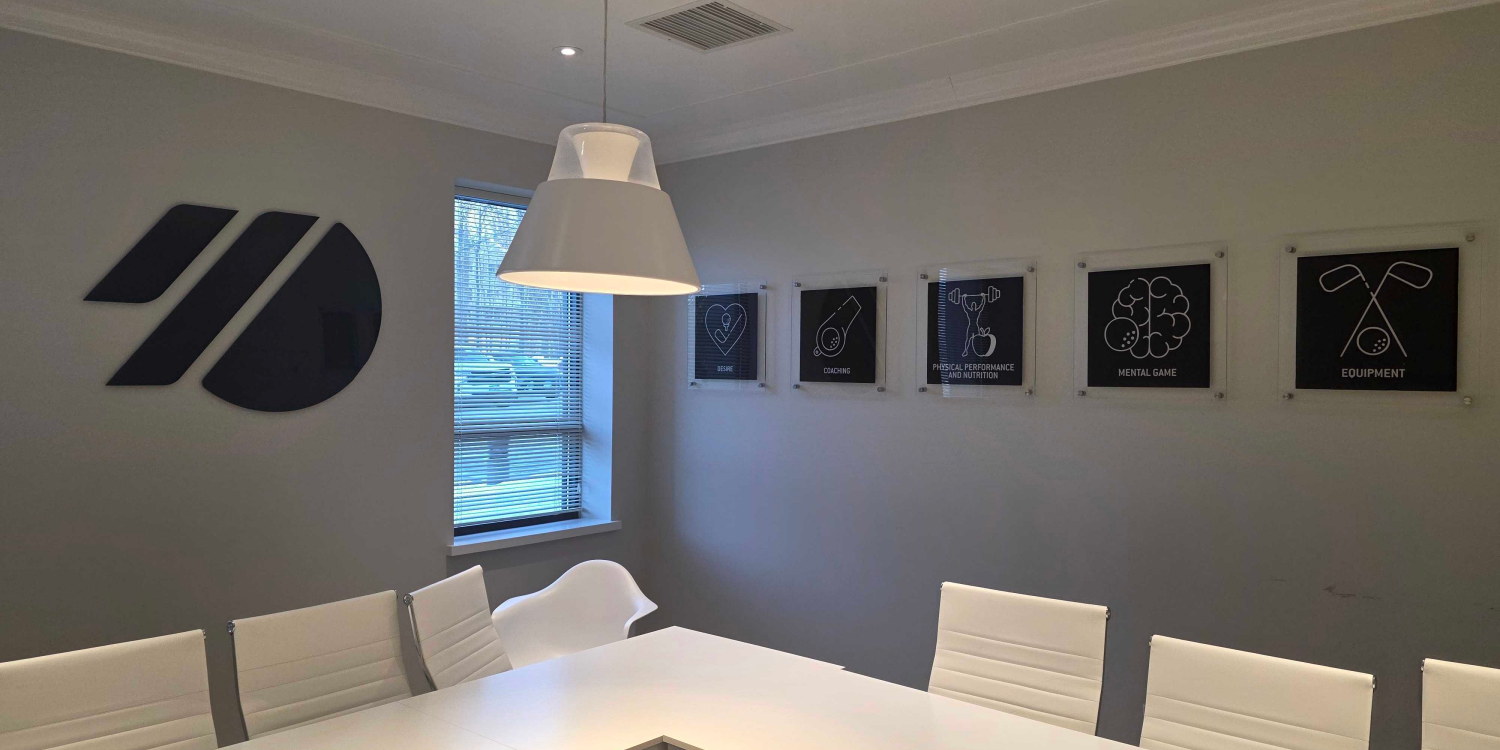
Use Icons and Symbols: Visual elements such as icons and symbols can effectively convey information without overwhelming fans. Use universally recognized symbols to enhance understanding.
Mistake 3: Not Enough Information
While information overload is a problem, not providing enough information can also lead to confusion and frustration for fans. Insufficient information on sports signage can leave fans feeling lost and unsure of where to go or what to do.
Consequences of Not Enough Information
Navigational Challenges: Fans may struggle to find their way around the venue if critical information is missing from sports signage. This can lead to increased congestion and delays.
Missed Opportunities: Lack of information on promotions, schedules, or events can result in missed opportunities for engagement and revenue generation.
Finding the Balance Between Too Much and Too Little Information
Audience Needs: Consider the needs and preferences of your audience when designing sports signage. Provide enough information to meet their needs without overwhelming them.
Contextual Relevance: Ensure that the information on sports signage is relevant to the specific context and location. Tailor the signage to address the needs of fans in different areas of the venue.
Examples of Essential Information for Sports Signage
Directions to Key Areas: Provide clear directions to important areas such as restrooms, concessions, exits, and first aid stations.
Safety Instructions: Include critical safety information such as emergency procedures, evacuation routes, and first aid locations.
Event Schedule: Display the schedule of events, including game times, intermissions, and other activities.
Mistake 4: Ignoring Visibility and Readability
Visibility and readability ensure that fans can quickly and easily understand the messages on sports signage. This is especially important in large venues with high levels of foot traffic.
Best Practices for Visibility and Readability
Immediate Recognition: Sports signage should be designed to capture attention and convey messages quickly. Fans should be able to recognize and understand the signage at a glance.
Tips for Enhancing Visibility and Readability
Use Large, Bold Fonts: Choose fonts that are easy to read and ensure that the text size is large enough to be seen from a distance.
Ensure High Contrast: Use high contrast color combinations to make the text stand out from the background. Avoid using colors that blend together.
Strategic Placement: Place sports signage in well-lit areas with clear lines of sight. Ensure that signs are not obstructed by other objects or structures.
Mistake 5: Neglecting Brand Identity
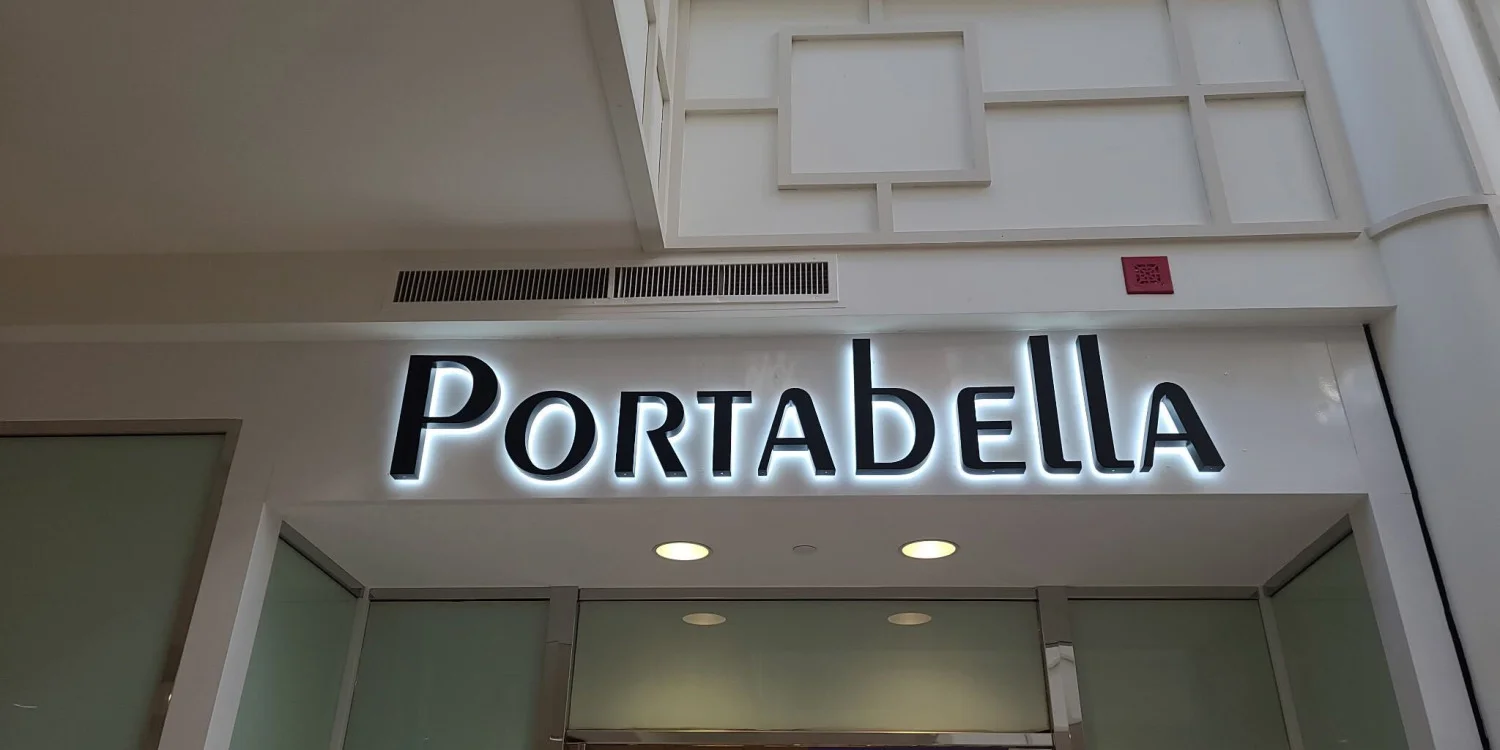
Neglecting brand identity in sports signage can weaken its impact and diminish brand recognition. Consistent use of logos, colors, and fonts helps fans quickly associate signage with the team, fostering an emotional connection and enhancing loyalty. A strong brand identity reinforces the team’s image and enriches the fan experience by creating a sense of unity. Maintaining brand consistency is crucial for making a lasting impression and maximizing the effectiveness of sports signage.
Strategies for Integrating Brand Elements into Signage
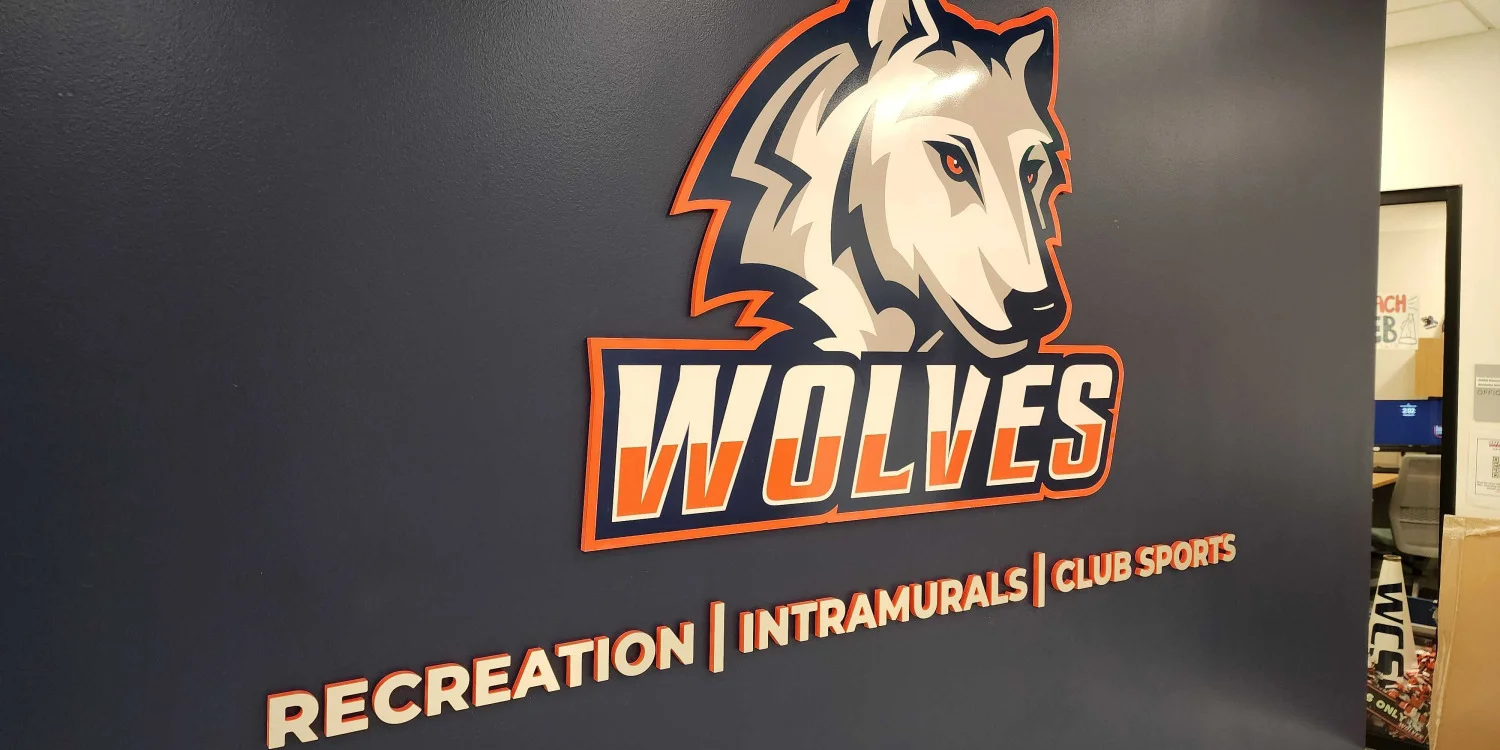
Use Official Colors, Logos, and Fonts: Ensure that all sports signage incorporates the team's official colors, logos, and fonts. Consistent use of these elements reinforces brand identity.
Incorporate Brand Messaging: Include brand messaging and slogans in the signage design to reinforce the team's identity and values.
Align with Brand Guidelines: Ensure that all signs align with the overall brand guidelines and standards. Regularly review and update the guidelines to maintain consistency.
Mistake 6: Using Low-Quality Materials
Using low-quality materials for sports signage can negatively impact the durability, appearance, and effectiveness of the signage. This can create a poor impression and reduce the overall impact of the sports signage.
Consequences of Using Low-Quality Materials
Inconsistent Durability: Low-quality materials may not withstand the elements, leading to wear and tear. This can result in faded colors, peeling graphics, and damaged signs.
Poor Appearance: Poor quality materials can make sports signage look unprofessional and unattractive, reducing its effectiveness in engaging fans and promoting the brand.
Cost-Benefit Analysis of Investing in Quality Materials
While high-quality materials may have a higher initial cost, they offer long-term benefits in terms of durability and appearance. Investing in quality materials can reduce the need for frequent replacements and ensure that the signage remains effective over time.
Longevity: High-quality materials are more durable, reducing the need for frequent replacements. This can save costs in the long run and ensure that the signage remains effective.
Enhanced Appearance: Quality materials ensure that sports signage looks professional and visually appealing, enhancing its overall impact.
Improved Effectiveness: Durable and attractive signage is more effective in conveying messages, engaging fans, and promoting the brand.
Mistake 7: Failing to Update Signage Regularly
Regularly updating sports signage is essential for maintaining its effectiveness and relevance. Outdated signage can lead to confusion and frustration for fans. Regular updates ensure that the information remains accurate and relevant, enhancing the overall fan experience.
Why Updating Matters
Relevance: Ensure that sports signage remains relevant by regularly updating it with current information, such as event schedules, safety instructions, and promotional offers.
Accuracy: Regular updates help maintain the accuracy of the information on the signage, reducing the risk of misinformation and confusion among fans.
Tips for Regularly Reviewing and Refreshing Sports Signage
Conduct Regular Audits: Conduct regular audits of all sports signage to identify areas that need updating. This ensures that the signage remains accurate and relevant.
Involve Stakeholders: Involve stakeholders in the review process to ensure that all perspectives are considered. This can lead to more effective and engaging signage.
Plan for Periodic Updates: Plan for periodic updates to keep the sports signage fresh and relevant. This can include updating event schedules, promotional offers, and safety instructions.
Why Get Professional Sign Shop Services
Working with a professional sign shop can help ensure that your sports signage in Danbury, CT is high-quality, effective, and compliant with local regulations.
1. Expertise in Design and Materials
Professional sign shops have the expertise to create visually appealing and durable signage. They can recommend the best materials and design elements to meet your specific needs.
Design Expertise: Professional sign shops have experienced designers who can create visually appealing and effective sports signage. They understand the principles of good design and can create signage that captures attention and conveys messages clearly.
Material Selection: Professional sign shops can recommend the best materials for your specific needs. They have access to a wide range of high-quality materials and can ensure that the signage is durable and long-lasting.
2. Access to High-Quality Production Equipment
Professional sign shops have access to advanced production equipment, ensuring that the signage is produced to the highest standards. This can result in sharper images, vibrant colors, and longer-lasting signs.
Advanced Printing Technology: Professional sign shops use advanced printing technology to produce high-quality sports signage. This ensures that the signage is sharp, vibrant, and visually appealing.
Precision Cutting: Professional sign shops have precision cutting equipment that can create custom shapes and sizes for sports signage. This ensures that the signage fits perfectly in the intended location.
3. Customization Options Tailored to Your Needs
Professional sign shops can provide customized solutions tailored to your specific requirements. Whether you need unique shapes, sizes, or designs, they can create signage that fits your needs perfectly.
Tailored Solutions: Professional sign shops can create customized sports signage that meets your specific needs and requirements. They can work with you to develop unique designs and solutions that enhance the overall impact of the signage.
Flexibility: Professional sign shops offer a high degree of flexibility in terms of design, materials, and production. They can accommodate special requests and create signage that aligns with your vision and goals.
4. Professional Installation and Maintenance Services
Proper installation and maintenance are crucial for the effectiveness of sports signage. Professional sign shops offer installation services to ensure that the signs are securely and correctly placed. They can also provide ongoing maintenance to keep the signage in top condition.
Installation Expertise: Professional sign shops have experienced installers who can ensure that the sports signage is securely and correctly placed. Proper installation is essential for the effectiveness and longevity of the signage.
Maintenance Services: Professional sign shops offer ongoing maintenance services to keep the sports signage in top condition. This can include cleaning, repairs, and updates to ensure that the signage remains effective and visually appealing.
5. Ensuring Compliance with Local Regulations and Standards
Professional sign shops are familiar with local regulations and standards for signage. They can ensure that your signage complies with all relevant requirements, avoiding potential fines and issues.
Regulatory Compliance: Professional sign shops understand local regulations and standards for sports signage. They can ensure that the signage complies with all relevant requirements, reducing the risk of fines and legal issues.
Safety Standards: Professional sign shops can ensure that the sports signage meets all safety standards, enhancing the overall safety of the venue and protecting the well-being of fans.
Frequently Asked Questions
What are the best materials for outdoor sports signage?
The best materials for outdoor sports signage include aluminum and weather-resistant plastics, as they are durable and can withstand harsh weather conditions. UV-resistant inks are also recommended to prevent fading from prolonged sun exposure.
What are the different types of sports signage?
Sports signage comes in various forms, including directional signage, promotional signage, information signage, and celebratory signage. Each type serves a specific purpose, from guiding fans and promoting safety to celebrating team achievements and providing information.
What considerations should be made for the placement of sports signage?
Sports signage should be strategically placed in well-lit, high-traffic areas with clear lines of sight. Ensuring that signs are visible and easily readable from various vantage points within the venue is crucial for maximizing their effectiveness.
How can sports signage be customized for specific events?
Sports signage can be customized for specific events by incorporating event-specific branding, themes, and messages. This can include temporary signage for special events, personalized messages for different audience segments, and dynamic digital displays that can be updated in real-time to reflect the event’s unique characteristics.
What role does sports signage play in emergency preparedness?
Sports signage plays a critical role in emergency preparedness by clearly marking emergency exits, evacuation routes, and safety instructions. Properly placed and easily visible signs ensure that fans can quickly and safely navigate the venue in case of an emergency, reducing the risk of panic and enhancing overall safety.
Ensure Your Sports Signage is Effective with Signarama in Danbury, CT
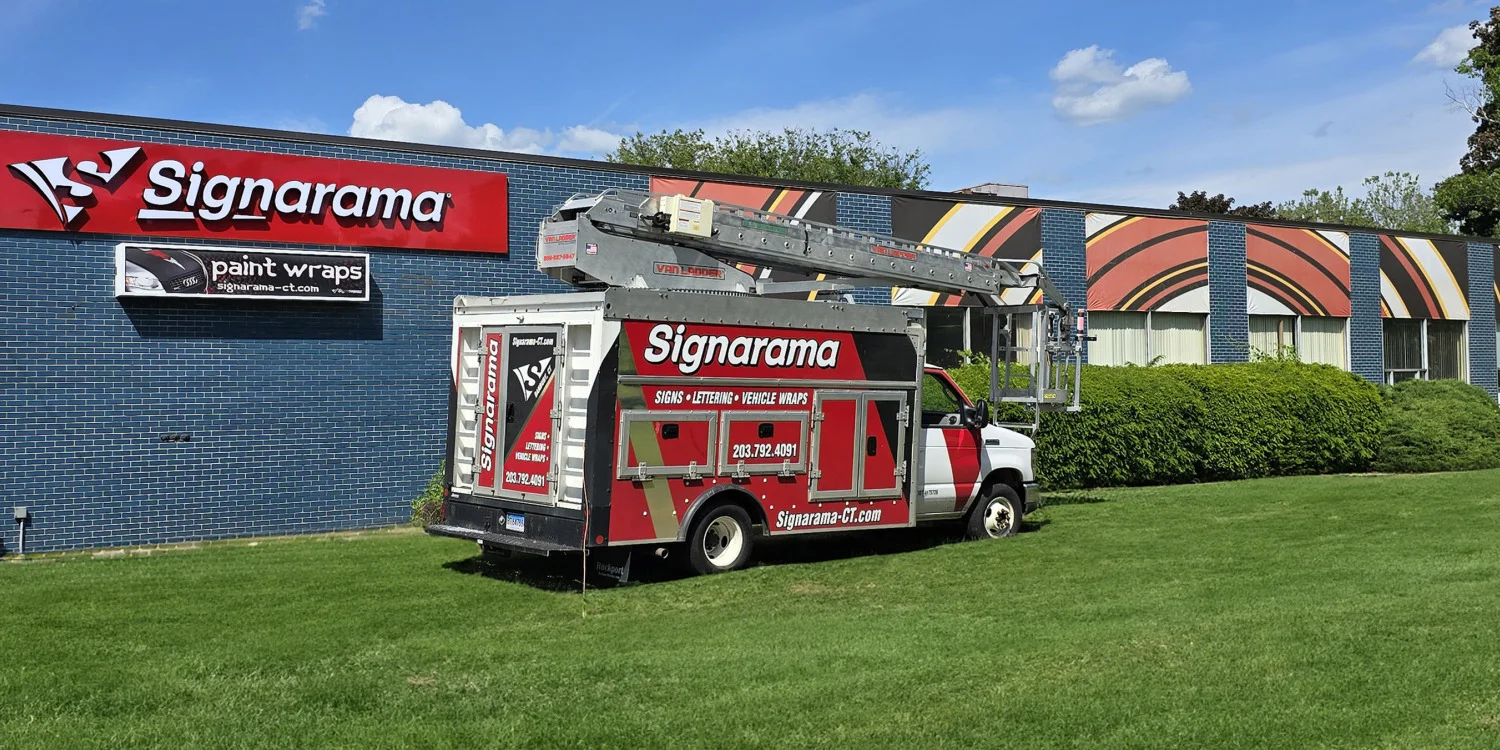
To ensure your sports signage is effective, avoid common mistakes and achieve professional results by partnering with Signarama in Danbury, CT. Signarama offers comprehensive signage solutions tailored to your specific needs, providing consistent branding, high-quality materials, and strategic placement. Signarama ensures visually appealing, durable, and impactful signage.
Contact Signarama today to learn more about how we can help you achieve your signage goals!


Signarama Danbury, CT
35 Eagle Rd
Danbury Connecticut 06810
Opening Hours:
Monday
8:00 am - 4:00 pm
Tuesday
8:00 am - 4:00 pm
Wednesday
8:00 am - 4:00 pm
Thursday
8:00 am - 4:00 pm
Friday
8:00 am - 4:00 pm
contact
Signarama Danbury, CT
CLIENTS WE HAVE WORKED WITH: