Your Consultative Signs and Graphics Partner for Eastside Businesses


How to Clean Acrylic Storefront Signs and Spot When They Need More Than Cleaning
Nov 13, 2026 by Signarama Redmond
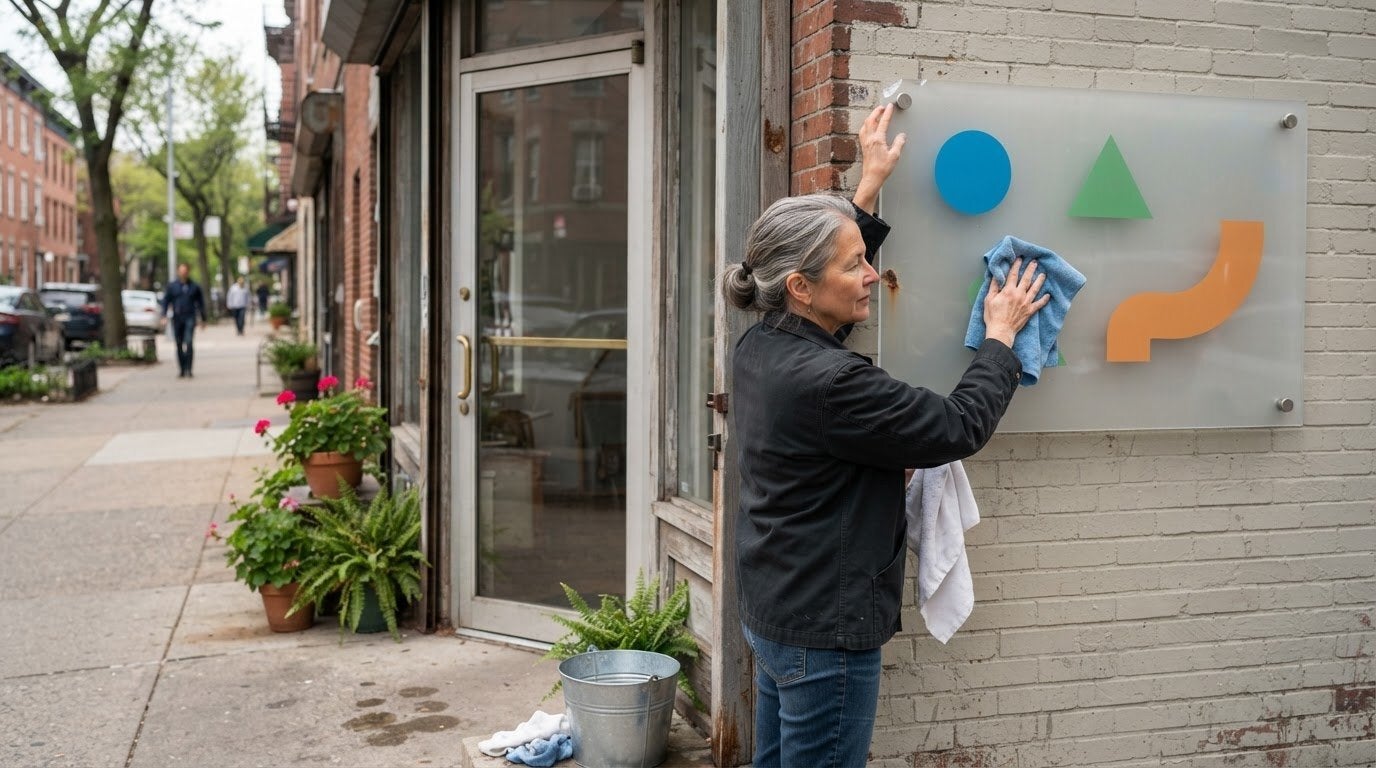
A spotless sign face doesn’t always mean the whole sign is in good shape. Knowing how to clean acrylic storefront signs starts with gentle care: use clean, lukewarm water and a soft, nonabrasive cloth, then blot dry with another clean, soft cloth. If you notice scratches, chips, loose components, lighting problems, water intrusion, or corrosion, the sign may need professional maintenance, not another cleaning.
It’s easy to focus on grime, especially on a large exterior sign exposed to the elements. This guide explains how to clean acrylic safely, dry it without causing scratches, and avoid chemicals that can damage the surface. You’ll also learn how to approach a hard-to-reach sign and spot wear or damage that cleaning can’t fix.
Key Takeaways
Inspect the sign for loose parts, lighting issues, water intrusion, or corrosion, not just visible dirt.
Use a light touch and avoid rubbing grit across the acrylic, which can leave scratches.
Choose cleaners carefully; some common chemicals can cause lasting surface damage.
For a large exterior sign, consider how its height and condition affect the safest cleaning approach.
Table of Contents
How can I tell whether my sign needs professional maintenance rather than cleaning?
For adhesive residue, hold a clean cloth dampened with lukewarm water and mild soap against the spot, then gently roll away the softened residue with your fingertips. For illuminated acrylic, clean only the accessible face with a lightly damp cloth. Persistent lighting problems or moisture behind the face call for maintenance.
Prepare the surface gently. Rinse loose grit away with clean, lukewarm water before wiping. Use a clean, soft, nonabrasive, non-linting cloth. Dirt trapped under a dry cloth can drag across acrylic and leave scratches, so don’t scrub a dusty face.
Add mild soap only when needed. Mix a small amount of mild soap or detergent into lukewarm water for fingerprints or grime that water alone doesn’t remove. Wipe with a clean cloth using light pressure and small circular motions, then rinse away soap with clean water.
Check the sign after cleaning. Look for scratches, chips, cracks, persistent stains, loose components, water intrusion, and corrosion. Acrylic can scratch easily and may chip or shatter after impact. Surface damage or a loose part needs more than routine washing.
Inspect illuminated signs separately. A clean face won’t fix uneven lighting, dark areas, or moisture visible inside the sign. If those problems remain after the exterior is clean, arrange professional maintenance instead of opening the sign or directing water toward its edges.
Assess the overall condition. Inspect exterior signage monthly for dirt buildup, then note changes that cleaning doesn’t resolve. A dull face may simply need washing; recurring stains, damaged acrylic, loose fittings, water intrusion, corrosion, or lighting faults point to a maintenance issue.
Use clean cloths for each pass, and stop if wiping catches on a chip or crack. Gentle cleaning can remove surface dirt, but it won’t repair damaged acrylic or resolve a fault inside an illuminated sign.
Air-drying and gently drying acrylic signs
Choose blotting for a clean finish. After rinsing, take a clean, dry, soft cloth and press it gently against the acrylic. Lift and move to a dry area of cloth rather than dragging it across the surface. Blotting removes water while limiting friction that could mark the material.
Use a fresh cloth for the final pass. A damp or dirty cloth can leave streaks or transfer grit back onto the sign. Fold a soft cloth into clean sections, then blot each area in turn. Avoid paper towels, rough fabric, and vigorous rubbing that can scratch acrylic.
Let hard-to-reach areas air-dry. If you can’t reach an exterior face safely, allow it to dry naturally instead of stretching or leaning to wipe it. Air-drying is suitable for acrylic signs that are difficult to access. Keep the area clear while water drains from the surface.
Keep the sign out of direct heat. Don’t leave acrylic in direct sunlight or a hot car, especially when it isn’t lying flat. Heat can cause the material to bow or bend. Dry a removed panel on a flat, stable surface away from hot conditions.
Look over edges and hardware afterward. Once the face is dry, inspect the edges, mounting points, and visible hardware for trapped moisture or signs of movement. Don’t pull at loose components while wiping. If the material has already bowed or cracked, cleaning won’t restore its shape; explore storefront sign options.
Match the drying method to the sign. For a reachable panel, gentle blotting gives you control over the finish. For a face that’s out of reach, air-drying avoids risky stretching. Don’t use a heat source to speed either method, since direct heat can distort acrylic.
Avoiding ammonia and harsh chemicals
Keep ammonia-based household cleaners away from acrylic. Choose lukewarm water and mild soap for routine indoor cleaning. A strong glass cleaner may suit glass, but acrylic is a different material. Don’t assume a product is safe just because it leaves glass clear.
Skip abrasive powders and scrubbing pads. Gritty cleaners and rough pads can scratch the sign face, leaving marks that remain visible after rinsing. Use a soft cloth instead. If grime persists, loosen it with soapy water rather than applying more pressure.
Don’t reach for rubbing alcohol. Alcohol can cause crazing, a pattern of fine cracks in acrylic, especially on flame-polished surfaces. Laser-cut edges can also be susceptible to crazing from isopropyl alcohol. Avoid alcohol on the face and edges.
Read the cleaner label before using a specialty product. For stubborn residue, choose a cleaner specifically designed for acrylic. Follow its directions and make sure it’s intended for acrylic surfaces. Don’t combine cleaners or apply a stronger product simply because the first pass didn’t remove the mark.
Test your cleaning method on a discreet area. Apply a small amount of mild soap solution with a soft cloth, then rinse and inspect the spot. Look for changes in clarity, surface texture, or finish before cleaning the full sign. Stop if the test area appears damaged.
Use water alone around printed or applied graphics. If the sign has graphics and you’re unsure how its surface will react, a damp cloth avoids introducing a solvent. Wipe gently, then rinse away any remaining dirt. Don’t scrape residue with a blade or abrasive tool.
Stop if a mark won’t lift with gentle cleaning. Persistent adhesive, cloudiness, or fine cracking may need a different solution than stronger chemicals. Repeated rubbing can deepen a scratch or spread surface damage. Keep the acrylic dry and avoid experimenting with household solvents.

Cleaning large exterior acrylic signs
For U.S. storefronts, use an acrylic-safe method: clean water, a soft cloth, and gentle pressure. Knowing how to clean acrylic storefront signs safely also means planning how to reach the face without stretching or leaning from an unstable position.
Assess the sign before gathering supplies. From the ground, look for dirt, cracks, loose components, water intrusion, or lighting problems. Cleaning can remove grime, but it won’t fix damage or internal faults. Stop if the sign appears unstable or the cleaning area is difficult to access safely.
Prepare materials within easy reach. Set out clean water, mild nonabrasive detergent, microfiber cloths, a nonabrasive sponge, and a low-pressure water source. Keep the supplies together before starting, so you won’t need to leave a wet sign unattended to retrieve another cloth.
Rinse off loose debris first. Use clean water to remove dust and grit from the acrylic face. This reduces the chance that particles will drag across the surface during wiping. Avoid starting with a dry cloth, especially after wind has left visible dust.
Wash one area at a time. If water alone doesn’t lift grime, add mild detergent to lukewarm water. Wipe gently with a soft cloth or nonabrasive sponge, then rinse before soap dries. A practical plan for how to clean acrylic storefront signs outdoors is to work in sections you can reach comfortably.
Choose a suitable method for height. For a large sign that’s out of reach, choose a cleaning method that lets you work safely without stretching or leaning from an unstable position. Use low pressure and avoid directing water into seams, edges, or electrical components.
Inspect after the surface dries. Outdoor acrylic may take 15 minutes to an hour to air-dry, depending on weather. Once dry, look for persistent marks or damage that washing didn’t remove.
Keep a monthly inspection routine. Check exterior signs once a month for dirt buildup and changes in condition. For a hard-to-reach or damaged sign, discuss your storefront sign with Signarama.
Signarama Redmond, WA : Signs
Signarama Redmond provides signs and graphics for businesses planning a new storefront display or updating one with visible damage. If gentle cleaning leaves scratches, cracks, cloudiness, or persistent discoloration, a replacement sign may be a better next step than repeated scrubbing. Signs and graphics can also refresh a storefront when its current display no longer suits the business.
On an illuminated acrylic sign, ongoing dark spots, moisture, or loose components point to issues beyond surface dirt. Consider the sign’s condition and visibility before deciding whether cleaning is enough or a new sign is needed. A clear view of the damaged area and a description of what you’ve already tried can help frame the next conversation.
Contact Signarama to discuss signs or graphics for your storefront.
Plan the next step for your storefront
Knowing how to clean acrylic storefront signs is only one part of maintaining a storefront that reflects your business. Consider whether the current sign still fits your brand, remains easy to read, and creates the impression you want customers to notice. If cleaning no longer addresses the issue, focus on the sign’s condition and what you want the storefront to communicate next.
A thoughtful next step can be a conversation about the sign itself, whether you’re considering an update or need direction on a new storefront display. Share what you’re hoping to change and what matters most to your business. Contact Signarama to discuss your storefront sign needs and take the next step with confidence.
Frequently Asked Questions
How do I create the right cleaning schedule for my sign?
Set a routine based on whether the sign is indoors or exposed outside. Wipe interior acrylic signs down at least weekly, and inspect exterior acrylic signs once a month for dirt buildup. Keep a simple log of inspections and cleaning, noting whether dirt returns quickly or a mark remains after washing. This record helps distinguish routine upkeep from a developing surface problem.
What Can Happen When Signs Are Not Cleaned?
Accumulated dirt can change the color, appearance, and brightness of vinyl signs and awnings, and may contribute to staining and premature wear. On an acrylic sign, grime can make the face look dull and surface changes harder to notice. During an inspection, compare the same areas over time. Persistent marks, cracks, or cloudiness aren’t simply dirt to scrub harder.
What supplies are safe for cleaning acrylic storefront signs?
Use clean water, mild soap when needed, and a soft, nonabrasive cloth that won’t shed lint. A clean microfiber cloth works for wiping; keep a separate dry cloth for blotting afterward. A nonabrasive sponge can help clean a broad exterior face. Avoid cloths that have picked up grit from the ground, frame, or other surfaces.
How do you clean an acrylic storefront sign step by step?
First, rinse off loose dust so it won’t drag across the face. Wipe a small area with a soft cloth and water, adding mild soap only if grime remains. Rinse away the soap, then move to the next area with a clean section of cloth. Blot the surface dry. If a mark remains, don’t switch to scraping or harder scrubbing.
What cleaners should you avoid on acrylic signs?
Avoid ammonia-based cleaners, abrasive powders, rough scrubbers, and solvents such as rubbing alcohol. They can damage acrylic by scratching it or causing fine cracks called crazing. A glass cleaner isn’t automatically suitable just because the sign looks transparent. For stubborn residue, use a product specifically designed for acrylic and follow its directions instead of mixing household cleaners.
Can you use glass cleaner, ammonia, or alcohol on acrylic signage?
Don’t use ammonia or alcohol on acrylic signage. Alcohol can cause crazing, particularly on flame-polished acrylic, and laser-cut edges can also be susceptible. Glass cleaners may contain ingredients unsuitable for acrylic, so don’t assume they’re safe for the sign face. Use mild soap and water for routine cleaning, and reserve specialty cleaners for products designed for acrylic.

Signarama Redmond, WA
Summer Hours (July - August) - MON-THUR: 8.00AM - 6.30PM, FRI - SUN: CLOSED
contact
Signarama Redmond, WA