6 Costly Mistakes To Avoid in Real Estate Signs in Danbury, CT
Dec 23, 2024 by Signarama Danbury, CT
Effective signage can make or break your efforts to sell or lease properties. While a well-designed real estate sign can attract potential buyers and generate interest, certain mistakes can deter your target audience, costing you time and potential revenue. Here are six costly mistakes to avoid when creating real estate signs in Danbury, CT:
Benefits of Using Real Estate Signs
Real estate signs are a cornerstone of property marketing, offering unparalleled benefits that can significantly influence the buying and selling process. Understanding these advantages is the first step in leveraging real estate signs for success.
Increases Visibility and Exposure
Real estate signs are powerful tools for attracting attention to properties for sale or rent. A well-placed sign can catch the eye of passersby, generating interest and potential leads. Many buyers find properties through signage, making this traditional method one of the most effective marketing strategies.
Cost-Effective Marketing Tool
Compared to other marketing channels, real estate signs are incredibly cost-effective. They offer a one-time investment that continues to market your property 24/7, without the need for recurring fees associated with digital ads or print media.
Instant Information Access
Modern real estate signs often incorporate QR codes or URLs, allowing interested parties to access detailed information about the property instantly. This technology integration speeds up the information-sharing process, making it easier for buyers to connect with sellers or agents.
Boosts Brand Recognition
Consistent use of branded real estate signs helps build and reinforce your brand identity. This consistency ensures that potential clients become familiar with your brand, which is crucial for building trust and recognition in the competitive real estate market.
Enhances Versatility and Flexibility
Real estate signs come in various forms, from yard signs and banners to directional signs, each serving different purposes. This versatility allows for effective marketing in different contexts, whether directing potential buyers to an open house or showcasing the features of a property for sale.
6 Costly Mistakes To Avoid in Real Estate Signs
Maximizing the effectiveness of your real estate signs in Danbury, CT, means avoiding common mistakes that can diminish their impact. Here are six pitfalls to steer clear of:
1. Neglecting Local Regulations and Permits
Ignoring local regulations and permits for real estate signs can lead to significant risks, including fines, the removal of your signs, and even legal action in some cases. These regulations are in place to ensure public safety, aesthetic standards, and fairness in advertising. Adhering to them is crucial to avoid penalties and maintain your professional reputation within the community.
To successfully navigate local regulations and permits for real estate signs, consider the following tips:
Research Local Laws: Before placing any signs, check with your local zoning office or municipal website for specific regulations regarding sign size, placement, and duration.
Apply for Necessary Permits: If your sign requires a permit, apply well in advance. Include all necessary details and documents to avoid delays.
Stay Informed of Changes: Regulations can change, so it’s important to stay updated. This can prevent any non-compliance issues that may arise from outdated information.
Consult with Professionals: When in doubt, consulting with a professional sign company like Signarama can provide clarity. They have direct experience with local regulations and can guide you.
2. Poor Design and Lack of Visibility
A poorly designed real estate sign is more than just an aesthetic issue—it can significantly hinder your property's marketability. Signs that suffer from poor visibility due to bad design choices fail to capture the attention of potential buyers or tenants, essentially rendering your marketing efforts ineffective. The importance of clear, readable, and visually appealing signage cannot be overstated, as it directly influences a prospective buyer's first impression of the property.
To ensure your real estate signs are effectively designed and highly visible, consider these tips:
Choose High-Contrast Colors: Opt for color combinations that stand out and ensure text is easily readable from a distance. Bright colors against a dark background can make your sign pop.
Use Legible Fonts: Select fonts that are easy to read from afar. Avoid overly decorative fonts that might look appealing up close but are difficult to decipher from a distance.
Keep It Simple: A cluttered sign with too much information can be overwhelming. Focus on the most important details, such as the "For Sale" or "For Rent" message, your contact information, and perhaps a QR code for more details.
Consider the Size and Placement: Your sign should be large enough to be seen from a distance but not so large that it's obtrusive. Place your sign in an unobstructed area that is easily visible to passersby.
Consider Reflective Coating for Visibility: A reflective coating can be a valuable addition to signs that must be visible at night. This ensures that your sign continues to attract attention and deliver information even in low-light conditions.
Include a Call to Action: Encourage onlookers to take the next step, whether it's visiting a website or making a phone call. A clear call to action can significantly increase engagement.
3. Failing to Convey Essential Information
A real estate sign that omits crucial information can severely limit its effectiveness, potentially causing you to miss out on interested buyers or tenants. The primary goal of your sign is to communicate key details about the property and how to proceed for more information or to express interest. Missing this mark can result in confusion, frustration, and lost opportunities. Ensuring your sign provides all necessary information clearly and concisely is vital for capturing and converting interest into action.
To effectively convey essential information on your real estate signs, consider the following tips:
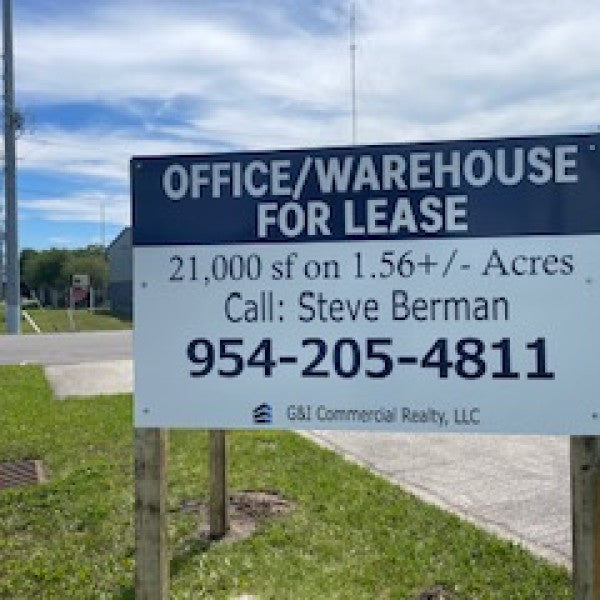
Highlight Property Status: Clearly state whether the property is for sale, rent, or has been sold. This clarity is crucial for setting immediate expectations for the viewer.
Provide Contact Information: Include a phone number, email address, or website where potential buyers or tenants can learn more or inquire. Make sure this information is accurate and easy to read.
Utilize QR Codes: A QR code can be a compact way to direct interested parties to a listing page with comprehensive details about the property. It saves space on the sign while providing access to more information.
Include a Visual Element: If space allows, including a high-quality image of the property can make your sign more appealing and informative. This can be especially effective for high-end properties where visuals are a strong selling point.
4. Overlooking Durability and Quality
Skimping on the durability and quality of real estate signs can lead to frequent replacements, reduced visibility due to wear and tear, and a negative impression on potential buyers or tenants. High-quality, durable signs reflect well on the property and the professionalism of the seller or leasing agent. Investing in signs that withstand weather conditions and retain their legibility and appeal over time is essential for continuous, effective marketing.
To ensure your real estate signs are both durable and of high quality, consider these guidelines:
Select Weather-Resistant Materials: Opt for materials known for their longevity and ability to withstand weather conditions, such as UV-resistant plastics, aluminum, or treated wood. These materials ensure that your sign remains vibrant and intact through different seasons.
Use Professional Printing Services: Professional printers use high-quality inks and printing techniques to ensure your signs retain color and clarity for longer periods. This is crucial for maintaining visibility and readability.
Reinforce Sign Structures: Ensure the structure holding your sign is as durable as the sign. Metal frames, sturdy posts, and secure mounting can prevent your signs from falling over or getting damaged in harsh weather.
Choose Reputable Suppliers: Work with reputable sign suppliers or manufacturers known for their quality products. Research and select a company with positive reviews and a record of producing durable signs for the real estate industry.
5. Ignoring Branding Consistency
Overlooking branding consistency across real estate signs is a common mistake that can dilute your marketing message and weaken your brand identity. Consistent branding helps build recognition and trust with your audience, making it easier for potential buyers or tenants to remember and choose your services over competitors. Conversely, inconsistent branding can confuse your audience and reduce the effectiveness of your marketing efforts.
To ensure branding consistency across your real estate signs, consider these strategies:
Standardize Colors and Logos: Use the same color schemes and logos across all your real estate signs. This consistency helps reinforce your brand identity and increases brand recall among your target audience.
Maintain Font Uniformity: Choose a set of fonts that represent your brand and use them consistently across all signage and marketing materials. Consistent font usage contributes to a cohesive brand appearance.
Adopt a Uniform Design Layout: The layout of your real estate signs should follow a standardized format, including the placement of logos, contact information, and property details. A uniform layout across signs makes your brand easily recognizable.
Use Consistent Messaging: Ensure that the tone and style of the messages on your signs align with your overall brand messaging. This consistency in voice and messaging further solidifies your brand in the minds of your audience.
Implement Brand Guidelines: Develop and adhere to brand guidelines that detail the specifics of your branding elements, such as colors, fonts, logo usage, and messaging. These guidelines ensure consistency with anyone creating signs or marketing materials for your brand.
Regularly Review Signage for Consistency: Review your existing real estate signs to ensure they align with your current branding guidelines. Updating signs that no longer fit your brand helps maintain a consistent and professional image.
6. Choosing the Wrong Type of Real Estate Signs
Choosing the wrong type of real estate sign can result in a lack of engagement, a missed target audience, or even a wrong message about the property. Each type of sign serves a distinct purpose and is suited for different scenarios and locations. Using the right sign type ensures that your marketing efforts reach the intended audience effectively and convey the right message about your property or project. Understanding the various options available and their best uses can help you avoid this costly mistake.
Types of Real Estate Signs and Their Best Uses
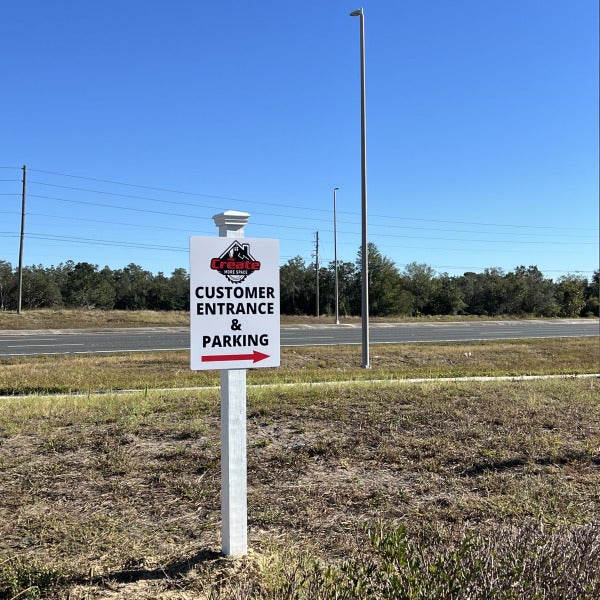
Yard Signs: Ideal for residential properties, yard signs are perfectly visible to slow-moving traffic in neighborhoods. For properties on busier streets, larger yard signs offer better readability from a distance, making them an effective choice for attracting attention in various settings.
Temporary/Site Signs: These custom signs are excellent for advertising your project or business while working on-site. Signarama's design team can incorporate your logo and colors into the sign, ensuring it communicates key information while maintaining your company's branding.
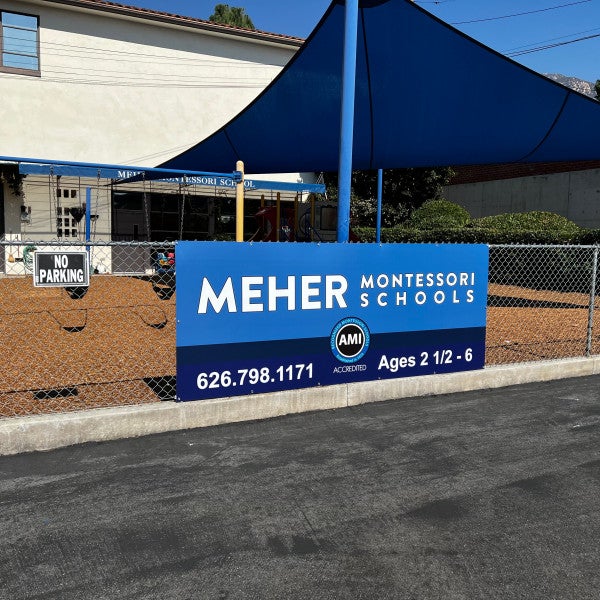
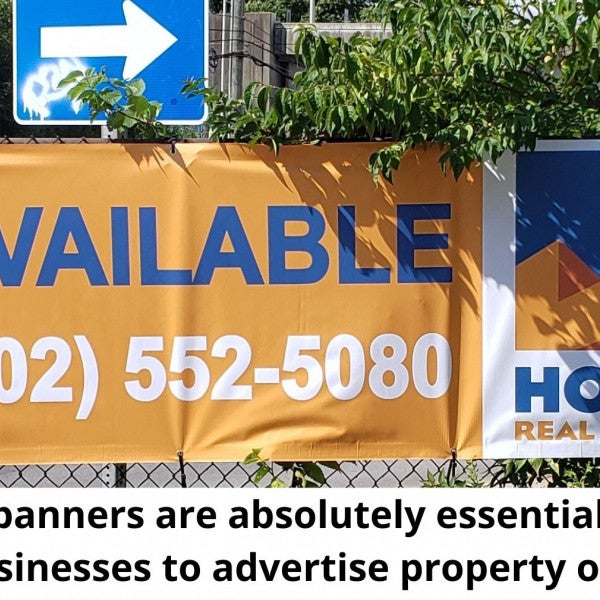
Vinyl Banners: With a wide range of colors and sizes, vinyl banners are a flexible and cost-effective advertising tool. Custom designs allow for the inclusion of all relevant information, making banners suitable for various promotional needs.
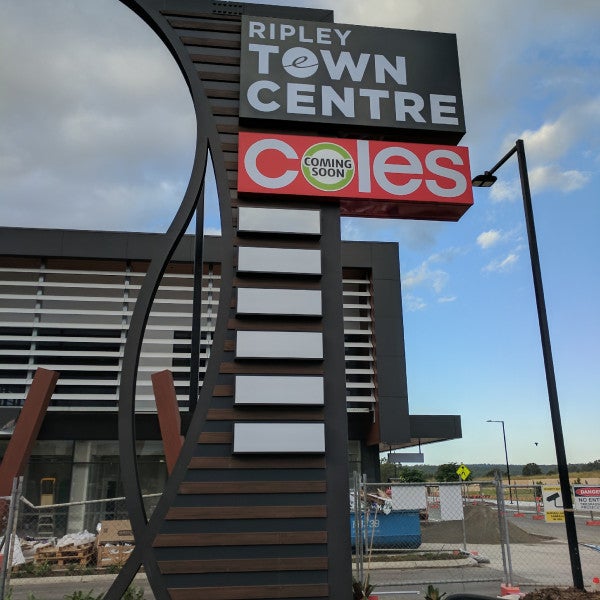
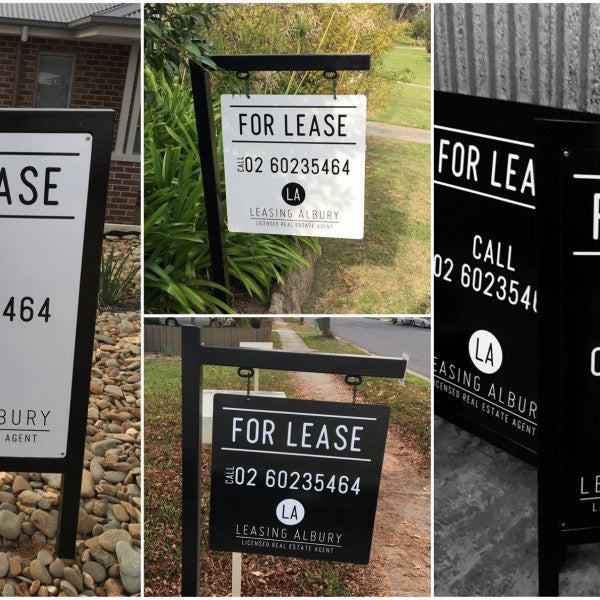
Post & Panel Signs: These offer a durable and versatile signage solution. They are available in various materials, such as carved wood, aluminum, metal, and PVC. Experts can assist in creating a sign that aligns with your brand aesthetic and ensures proper installation.
Maintenance Tips for Real Estate Signs
Proper maintenance of real estate signs is essential for prolonging their lifespan and ensuring they continue to attract potential buyers or tenants. Here are essential maintenance tips:
Regular Cleaning
Exposure to the elements can quickly lead to a buildup of dirt and grime on your real estate signs, making them less noticeable and potentially deterring interest. Regularly clean your signs with a gentle soap and water solution to maintain their brightness and readability. Avoid using abrasive cleaners or harsh chemicals that could damage the sign's surface or cause colors to fade.
Check for Wear and Tear
Constant exposure to sun, wind, and rain can cause signs to fade, crack, or peel over time. Conduct frequent inspections for any signs of wear and tear. Early detection and repair of minor damages can prevent further degradation. If a sign appears significantly worn or damaged, replacing it might be more cost-effective than attempting repairs.
Secure Sign Placement
A sign that frequently tips over or gets dislodged fails to convey your message and also appears unprofessional. Regularly check that your signs are securely anchored in the ground or properly attached to a stable structure. After adverse weather conditions, ensure they haven't become loose or misaligned, reinforcing or repositioning as necessary.
Update Information Regularly
The accuracy of the information on your real estate signs is crucial for maintaining trust and interest in your listings. As details change, such as pricing adjustments or open house dates, update your signs promptly to reflect current information. This practice helps avoid confusion and ensures potential clients have the correct details to act upon.
Utilize Protective Coatings
Investing in UV-resistant or waterproof coatings can significantly protect your signs from the fading effects of sunlight and damage from rain or snow. These coatings act as a shield, preserving the sign's material and the vibrancy of its colors, which is essential for maintaining visibility and attractiveness over time.
Store Properly When Not in Use
Correct storage of real estate signs when they are not actively used is vital to prevent unnecessary wear. Store your signs in a dry, cool place away from direct sunlight to avoid color fading and material warping. Flat storage or hanging them in a way that prevents bending or creasing will keep them in optimal condition for future use.
FAQs
How often should real estate signs be replaced?
The frequency of replacing real estate signs largely depends on their condition and relevance. Replacing signs showing wear, fading, or damage is advisable to maintain a professional appearance. Similarly, updating signs is crucial when information becomes outdated due to changes in property status or contact details. Conducting regular checks every few months ensures your signage remains effective and represents your listings accurately.
Can I design my real estate signs or hire a professional?
While creating your signs offers a personal touch and potential cost savings, professional signage companies like Signarama bring a wealth of experience. They ensure your signs are visually appealing and strategically crafted for maximum impact. They adeptly balance aesthetics with essential information, align the design with your branding, and consider the practical aspects of sign visibility and durability. Ultimately, investing in professional design services can enhance the effectiveness of your real estate marketing efforts, drawing more attention to your properties and potentially increasing your success rate.
Can I use real estate signs for properties outside of residential areas?
Yes, real estate signs are versatile and can be used for commercial properties, vacant land, and industrial sites. The key is to choose the right type of sign that suits the environment and target audience. Large post & panel signs may be more appropriate for commercial and industrial properties due to their visibility and durability.
Are there eco-friendly options for real estate signs?
Sustainability in real estate signage is increasingly important. Eco-friendly options include signs made from recycled materials or biodegradable Coroplast. Additionally, choosing reusable signs, such as generic "For Sale" or "Open House" signs, can reduce waste. Consult with your signage provider about eco-conscious materials and practices.
What is the best time of day to install real estate signs?
While there's no one-size-fits-all answer, installing real estate signs early in the morning can maximize daily visibility. For signs that include lighting or reflective materials, ensuring they are installed in positions where they catch the evening light can enhance visibility and attract attention after dark.
Elevate Your Real Estate Marketing with Professional Signs from Signarama
Navigating the complexities of real estate signs in Danbury, CT, requires attention to detail and a strategic approach. Avoiding common pitfalls and selecting the right sign type can significantly enhance your property's visibility and appeal. Partner with Signarama to ensure your real estate signs are professionally designed, durable, and compliant with local regulations. Our expertise guarantees your signage will stand out and attract potential buyers or tenants. Contact Signarama today to elevate your real estate marketing efforts and achieve optimal results.
Read more