

What is Wayfinding Signage for Hotels and Hospitality Venues in Danbury, CT?
Aug 8, 2025 by Signarama Danbury
In the hospitality industry, first impressions are everything. Guests expect not only a comfortable stay but also a seamless, stress-free experience from the moment they set foot onto the property. One of the key elements that helps create this experience is wayfinding signage.
But what exactly is wayfinding signage, and why is it so crucial in hotels and hospitality venues in Danbury, CT?
What is Wayfinding Signage?
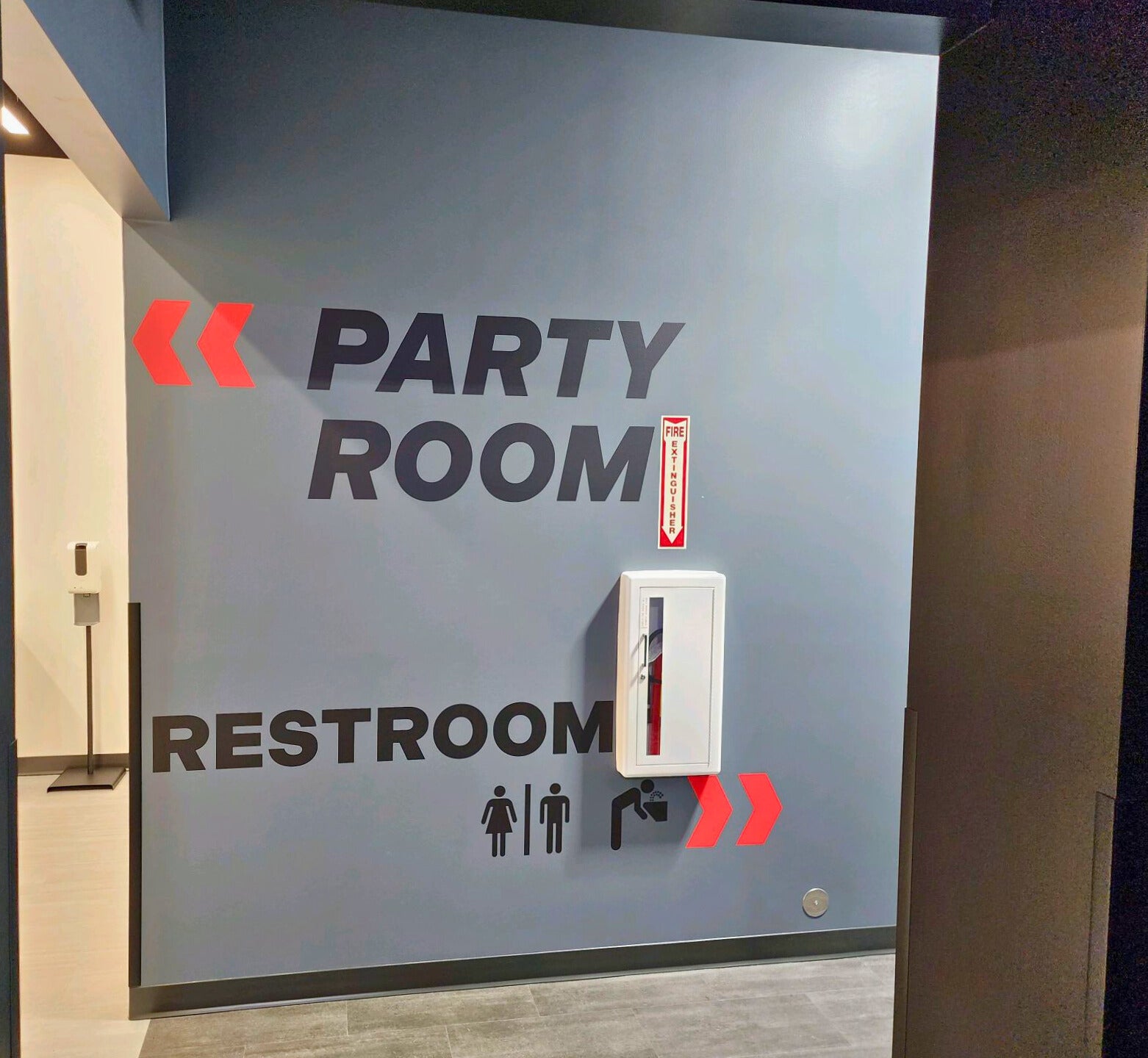
Wayfinding signage refers to a system of visual cues that help guide people through a physical environment, directing them to various locations within a venue. These signs are strategically placed to assist guests in navigating unfamiliar spaces efficiently and with ease.
In hotels and hospitality venues, wayfinding signage is not just about directing guests to the elevator or the lobby—it sets the tone for the guest experience. Wayfinding signage design incorporates a variety of elements, from directional signs to safety notices, all aimed at creating a seamless experience for visitors.
4 Types of Wayfinding Signage in Hotels and Hospitality Venues
Wayfinding signage comes in various forms, each tailored to serve a specific function within hotels and hospitality venues. Understanding these types helps create a seamless guest experience by ensuring that guests can easily navigate the space. Below are the most common types of wayfinding signage you’ll encounter:
| Type of Wayfinding Signage | Purpose | Features | Example |
|---|---|---|---|
| 1. Directional Signage | To guide guests from one area to another. | Arrows, symbols, or pathways to help guests follow the direction. | A sign near the entrance with an arrow pointing to the elevators. |
| 2. Informational Signage | To provide important details about amenities and services. | Text-based information such as hours of operation, services, and emergency instructions. | A sign in the lobby listing restaurant hours and room service information. |
| 3. Identification Signage | To label rooms, floors, or specific areas within the venue. | Room numbers, floor labels, and names of specific areas (e.g., spa, restaurant). | A sign on each floor indicating room numbers and amenities like the pool or fitness center. |
| 4. Regulatory and Safety Signage | To provide safety-related and legal information. | Emergency exit signs, fire safety equipment, and no-smoking notices. | A "Fire Exit" sign with arrows indicating the nearest exit or a "No Smoking" sign. |
5 Benefits of Wayfinding Signage in Hotels and Hospitality Venues
Apart from knowing what is wayfinding signage, incorporating it into your hotel or hospitality venue provides several key benefits that enhance the overall guest experience. Here's a closer look at some of the most practical advantages:
1. Improved Guest Experience
Effective wayfinding signage plays a major role in enhancing the guest experience. Here's how it works:
Reduces confusion: Clear signs help guests navigate without getting lost or feeling frustrated.
Encourages independence: Guests don't need to approach staff for directions, giving them more autonomy and satisfaction.
Positive impressions: Smooth navigation contributes to a better overall perception of the hotel, making guests more likely to return or recommend your venue.
2. Time-Saving for Guests
Guests, especially business travelers, value their time. Here’s how wayfinding signage helps:
Prevents unnecessary wandering: Signs lead guests directly to key locations like meeting rooms, elevators, or dining areas.
Saves time: Clear signage minimizes the need for assistance, enabling guests to reach their destinations quickly.
Maximizes efficiency: Guests can focus on their primary objectives, whether it’s attending a meeting or enjoying the amenities, without wasting time searching for areas.
3. Aesthetic Appeal and Branding
While functional, wayfinding signage is also a creative tool to enhance the atmosphere of your venue. Here’s how it contributes:
Reflects your brand: Creative and cohesive signage aligns with your hotel’s unique identity, reinforcing your branding.
Design opportunity: Whether it’s quirky signs in a boutique hotel or sleek, modern signs in a luxury venue, creative wayfinding signage adds to the aesthetic appeal.
Consistency across the venue: Using consistent materials, fonts, and colors across your property strengthens your brand identity and creates a cohesive look.
4. Cost Savings in the Long Run
Investing in quality wayfinding signage may seem costly upfront, but the savings over time are considerable. Here's why:
Reduces staff reliance: Well-placed signage decreases the need for employees to assist guests with directions, freeing them up for other tasks.
Minimizes complaints: Clear signage reduces frustration among guests, leading to fewer negative reviews or complaints about navigation.
Improves efficiency: With fewer guest inquiries, operational efficiency increases, ultimately benefiting your bottom line.
5. Accessibility Compliance
Accessibility is a crucial aspect of hotel operations, and wayfinding signage plays a big role in ensuring your venue is inclusive. Here's how:
Meets legal standards: Proper signage ensures compliance with the Americans with Disabilities Act (ADA), catering to all guests, including those with visual or mobility impairments.
Incorporates braille and tactile elements: Adding braille and tactile indicators makes your venue accessible to guests with visual impairments.
Enhances inclusivity: Accessible signage creates a welcoming environment for all, improving the overall guest experience and reputation of the venue.
4 Design Considerations for Wayfinding Signage in Danbury Hotels
When designing wayfinding signage for hotels and hospitality venues in Danbury, CT, it’s important to incorporate elements that ensure both functionality and aesthetic appeal.
Here’s how to approach wayfinding signage design:
1. Incorporating Local Culture and Design
Wayfinding signage should do more than just provide directions; it should also reflect the culture and atmosphere of the location. In Danbury, a city known for its rich history, scenic beauty, and tight-knit community, signage can play a key role in connecting guests to the area.
Create a sense of place: Integrating elements of Danbury’s culture, such as references to historical landmarks, parks, or the city's natural beauty, enhances the guest experience.
Use local colors and imagery: Incorporate local colors or designs inspired by Danbury’s architecture or history to give the hotel a unique, community-based feel.
Enhance pride and connection: Guests will appreciate knowing that the hotel or venue is connected to the local area through thoughtfu, creative wayfinding signage.
2. Choosing the Right Materials
Selecting the right materials for wayfinding signage is crucial for both durability and visual appeal. The material choices should reflect the venue’s aesthetic while being suitable for the environment.
Durability: Materials like metal, wood, and acrylic are common because they are durable and weather-resistant, especially for outdoor signage.
Matching the venue’s style: Choose materials that align with the overall ambiance of the hotel. For instance, a luxury hotel might benefit from polished metal or glass signs, while a boutique property might opt for wood or natural finishes.
Longevity: High-quality materials ensure that the signage lasts, particularly in high-traffic areas or outdoor environments where wear and tear can be more pronounced.
3. Visual Elements: Color, Typography, and Icons
Effective wayfinding signage design requires a balance between functionality and visual appeal. The right design choices can make signage both easy to navigate and aesthetically pleasing.
High contrast for readability: Use contrasting colors for text and background to ensure the signs are legible from a distance, especially for guests with varying visual abilities.
Typography: Choose fonts that are large, clear, and legible. Sans-serif fonts tend to work well as they are easier to read from a distance. Avoid overly decorative fonts that can make it difficult for guests to quickly read and understand directions.
Universal symbols: Use icons that are easily understood by people from different cultures and language backgrounds. These universally recognizable symbols (such as restroom signs or elevator symbols) help streamline communication and make it easier for guests to navigate without language barriers.
4. Digital vs. Static Signage
As wayfinding signage design evolves, the choice between digital and static signage becomes an important consideration. Both types have their advantages, and the choice should depend on the venue’s needs and layout.
Digital signage: Digital displays are becoming more popular in the hospitality industry because they offer flexibility. Digital directories can be updated in real-time to display event schedules, restaurant menus, or directions. They also allow for interactive features that can engage guests and provide them with personalized information.
Static signage: Despite the rise of digital signage, traditional static signs still play an essential role, especially in high-traffic areas where consistency is key. Static signage is reliable, cost-effective, and requires little maintenance over time.
Combination of both: A hybrid approach that uses both digital and static signage can be an effective way to meet different needs. For example, static signs might be used for basic directional guidance, while digital screens can provide dynamic, up-to-date information.
How to Implement Wayfinding Signage in Danbury Hotels
After understanding what is wayfinding signage and design considerations, the next step is to focus on its effective implementation in Danbury’s hotels and hospitality venues. Proper planning, professional design, and maintenance are all critical elements to ensure the signage performs well.
1. Plan for Optimal Placement
When it comes to wayfinding signage, placement is just as important as design. Strategic positioning ensures that guests can easily follow directions and find their way around the venue without confusion.
Key decision points: Signs should be placed at critical decision-making locations, such as at hallways, intersections, and doorways that lead to significant areas (e.g., elevators, restrooms, lobbies, etc.).
Avoid clutter: Too many signs in one area can overwhelm guests. Keep it simple and clear—each sign should have one purpose and guide without cluttering the space.
Ensure visibility: Signage should be easily visible from a distance to guide guests effectively. Consider sightlines and make sure that signs aren’t obstructed by furniture or walls.
Guest flow consideration: Plan placement based on guest traffic patterns and areas where guests are most likely to need directions (e.g., near parking lots, check-in areas, or event spaces).
2. Hire Professional Signage Designers
Creating effective wayfinding signage design requires more than just placing signs. The design and implementation process can be complex, involving factors like materials, readability, and local compliance. For the best results, it's wise to partner with professional signage designers.
Expertise in design and functionality: Professional signage designers understand the unique needs of hotels and hospitality venues in Danbury. They can create custom designs that reflect the hotel's branding while being functional and easy to navigate.
Knowledge of local regulations: A professional team will be well-versed in Danbury's local codes and regulations, ensuring that all signage is compliant with accessibility standards and safety laws (e.g., ADA requirements).
End-to-end service: From concept to fabrication and installation, working with a signage company ensures that all aspects of wayfinding signage are handled expertly, reducing the risk of costly mistakes or delays.
3. Integration with Hotel Technology
A growing trend in modern hotel design is integrating wayfinding signage with technology to provide guests with a more dynamic experience. This could include digital signage, interactive kiosks, or even mobile apps that help guests navigate the property more efficiently.
Interactive digital signage: Digital signage can provide real-time information, such as event schedules, special promotions, or emergency updates. Interactive screens allow guests to search for specific areas or services, making the process more user-friendly.
Mobile integration: Many hotels are now using apps that provide guests with location-based services. By integrating wayfinding signage with hotel apps, guests can receive turn-by-turn directions to their desired locations directly from their smartphones.
Seamless experience: Combining technology with traditional signage enhances the overall guest experience by offering flexibility and personalized guidance.
4. Consistent Branding Across Signage
When designing wayfinding signage, consistency in branding helps create a cohesive and polished look throughout the venue. Well-designed signage not only guides guests but also reinforces the hotel’s identity.
Unified design language: Ensure that signage design aligns with your hotel's visual identity, including the color palette, fonts, and logo placement. This creates a consistent and professional appearance across the property.
Creativity in design: Creative wayfinding signage can make the experience memorable for guests. By incorporating elements that reflect the hotel’s style, such as artistic typography or unique materials, you can create signage that feels both functional and stylish.
Brand recognition: Consistent and cohesive signage increases brand recognition and ensures that guests have a positive impression of the venue.
5. Maintenance and Updates
Once your wayfinding signage is installed, it’s important to maintain it regularly to keep it functional and visually appealing. Over time, the layout or services at your venue may change, and your signage should reflect those updates.
Regular maintenance: Signs can become worn out over time due to high traffic, weather conditions, or general wear and tear. Ensure that signs are cleaned, repaired, and replaced as necessary to maintain their clarity and appearance.
Periodic updates: As your hotel evolves with new services, rooms, or layouts, your wayfinding signage design may need to be updated. Ensure that signs reflect current locations, event spaces, and amenities.
Timely adjustments: Stay ahead of any potential confusion by updating the signage when major changes occur (e.g., room number changes, added amenities, or reconfigured public spaces).
Frequently Asked Questions (FAQs)
What is the difference between signage and wayfinding?
Signage refers to any graphic display that communicates information, while wayfinding helps people navigate a space using signs, symbols, maps, and other cues.
How much do wayfinding signs cost?
Costs vary based on size, materials, and design, with most wayfinding signs ranging from a few hundred to several thousand dollars each. For accurate pricing and expert guidance, consider working with Signarama in Danbury, CT.
What are the four wayfinding strategies?
The four strategies are: landmarking, path following, route decision-making, and survey knowledge (understanding the layout).
Do wayfinding signs need to be ADA-compliant?
Yes. In public spaces, wayfinding signs must follow ADA (Americans with Disabilities Act) standards to ensure accessibility for everyone. This typically includes tactile lettering, Braille, high-contrast colors for visibility, proper character size, and mounting height specifications. These guidelines make signs usable for individuals with visual or mobility impairments.
What material is used for wayfinding signage?
Wayfinding signs are made from a variety of durable materials to suit their location and purpose. Common choices include aluminum for its weather resistance, acrylic for a sleek, modern look, PVC for a cost-effective yet sturdy option, and wood for a natural or rustic appearance. Many signs also incorporate vinyl lettering or printed graphics to enhance clarity and design.
Set the Right Direction for Your Guests
Effective wayfinding signage is an essential element of any hospitality venue. As an award-winning, family-owned and operated business, Signarama in Danbury, CT, offers a full-service team of talented designers, fabricators, and installers who can bring your custom signage projects to life.
Whether you need signage for branding, wayfinding, or specific hotel services, Signarama listens to your vision and creates inspiring, functional signs that help you communicate with your guests effectively.
Reach out to Signarama today, and let them help you create the perfect signs.

Signarama Danbury, CT
contact
Signarama Danbury, CT