

No Parking vs. No Standing vs. No Stopping: Choosing the Right Business Signs for Your Property in Danbury, CT
Apr 13, 2026 by Signarama Danbury
Most property problems do not start with a major incident. They start with one car in the wrong place.
A driver waits too long near the entrance. A vehicle sits in a loading area. Someone stops “for just a second” in a fire lane. Suddenly, traffic backs up, deliveries get delayed, customers get annoyed, and your property feels harder to manage than it should.
That is why the difference matters. No Parking prevents vehicles from being left in a space. No Standing prevents waiting, even inside the vehicle. No Stopping keeps the area completely clear except when traffic requires a stop.
The right business signs help protect customer flow, preserve access, reduce confusion, and lower the risk of avoidable problems.
No Parking vs. No Standing vs. No Stopping Signs
What Does a No Parking Sign Mean?
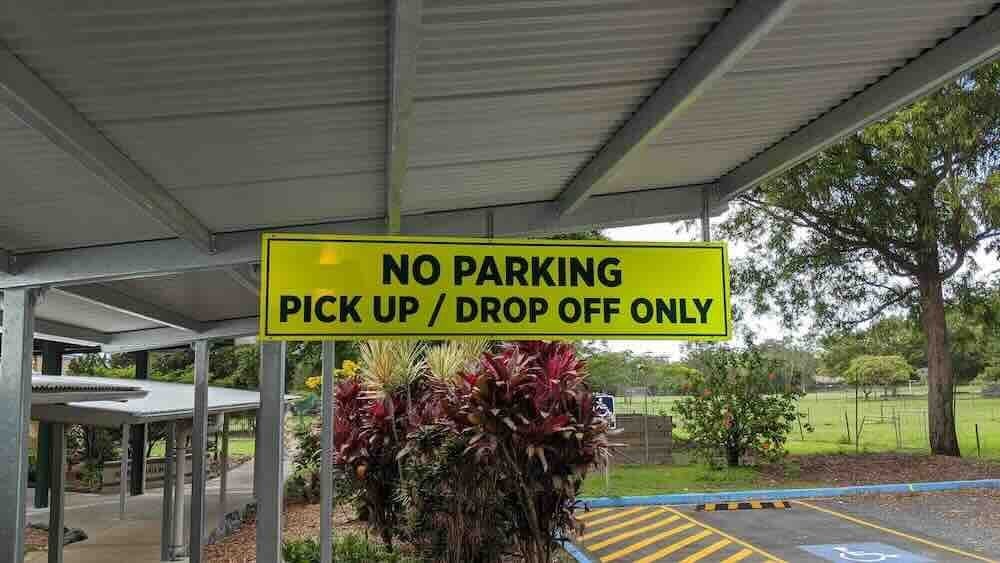
A no parking sign means drivers cannot leave a vehicle in that space. For a business, it is the right choice when parked cars interfere with access, visibility, or turnover, but brief loading or drop-off may still be acceptable.
What Does a No Standing Sign Mean?
A no standing sign means drivers cannot wait in that area, even if they stay in the vehicle. This is useful when the real issue is cars lingering near entrances, pickup areas, or other high-traffic spots.
What Does a No Stopping Sign Mean?
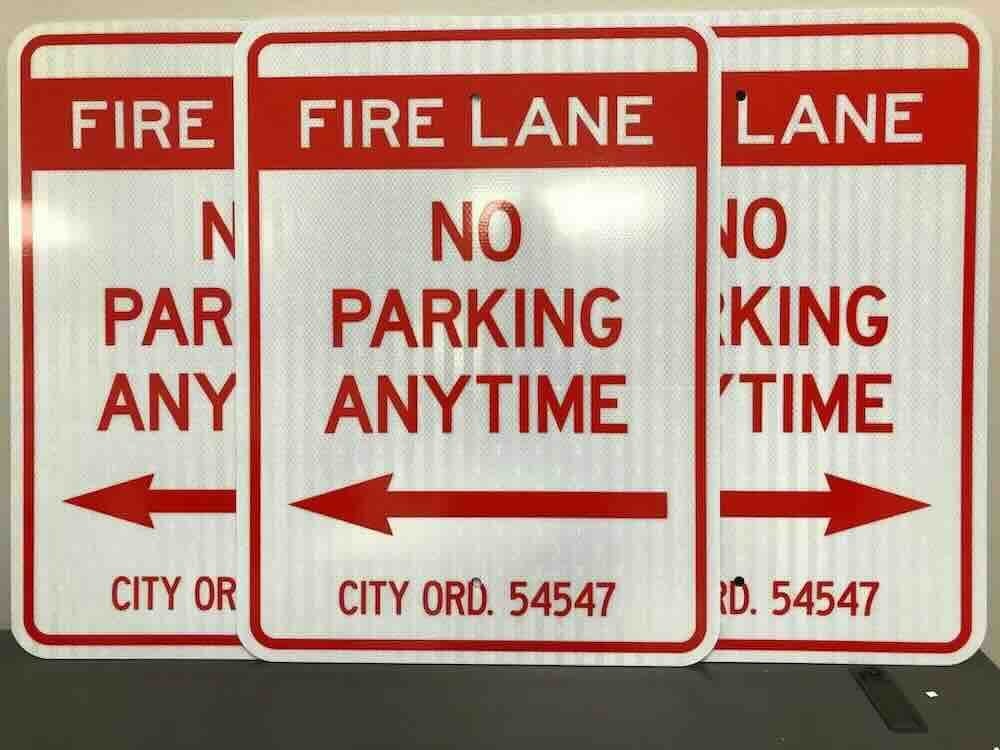
A no stopping sign means the area must stay clear at all times, except when traffic conditions require a stop. This is the strictest option and is best for fire lanes, emergency access points, and narrow drive aisles where any pause creates a problem.
How Restriction Signs Impact Customer Experience and Perception
They Make Arrival Faster and Less Confusing
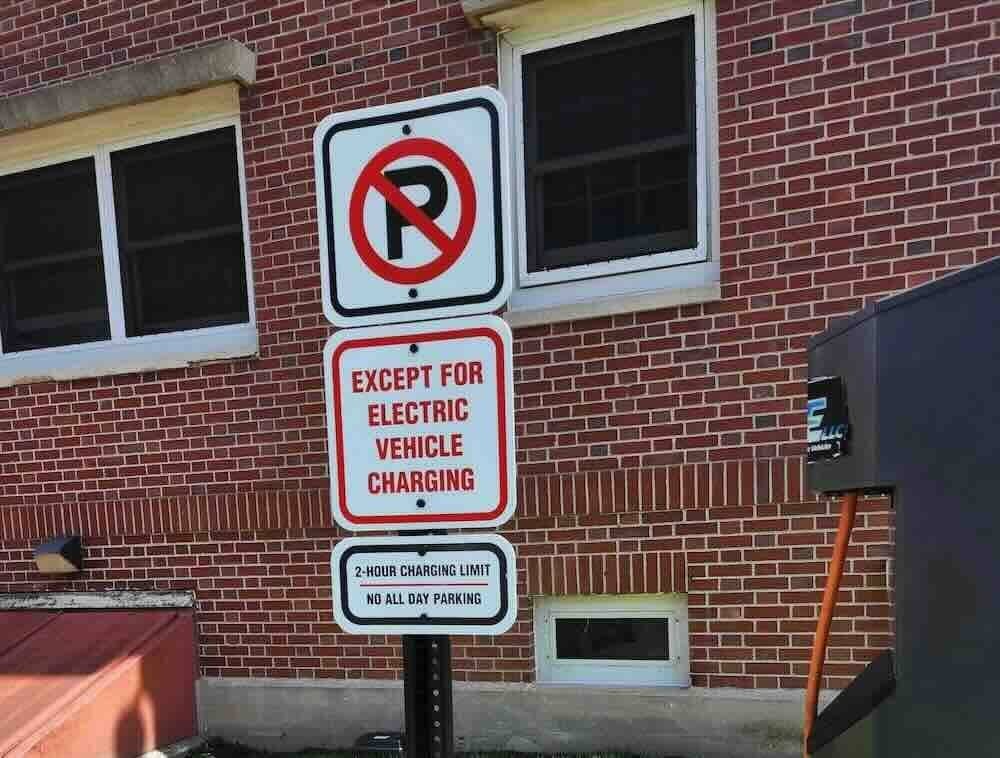
Clear restriction signs help drivers understand where they can pull in, where they can park, and where they need to keep moving.
That reduces missed turns, last-second stops, and backups near entrances. Instead of slowing down to figure out the layout, visitors can move through the property more confidently.
They Keep Entrances and Pickup Areas From Getting Clogged
Some of the biggest traffic problems start near the front of a building. One driver waiting too long at the entrance or curb can hold up everyone behind them.
The right business signs help keep entry points open, making it easier for customers to get dropped off, enter safely, and leave without unnecessary delay.
They Cut Down on Small Delays That Frustrate Customers
Customers notice when a property is hard to use. They notice when cars are blocking access, when curb areas are disorganized, or when they have to circle because another driver stopped in the wrong place.
Clear restrictions help reduce these friction points, making visits feel quicker and easier.
They Help Staff Spend Less Time Managing Traffic Issues
When restrictions are unclear, employees often end up answering the same questions, dealing with blocked areas, or asking drivers to move.
Good signage reduces that extra work. Staff can spend less time handling preventable parking issues and more time focusing on customers, operations, and deliveries.
They Protect Access for Deliveries, Service Vehicles, and Emergencies
Certain areas on a business property cannot afford to be blocked. Loading zones, service entrances, fire lanes, and drive aisles need to stay usable throughout the day.
Restriction signs help preserve that access so deliveries stay on schedule, service work moves more smoothly, and emergency routes remain clear when needed.
They Make the Property Feel More Organized
Visitors may not think much about signage when it works well, but they notice when a property feels easy to navigate.
Clear, visible restrictions help create that sense of order. The result is a site that feels more organized, more professionally managed, and easier to use from the moment someone arrives.
How To Choose the Right Restriction Sign for Your Property
1. Identify What Drivers Are Actually Doing
Start with the behavior you need to stop:
- Are cars being left there too long?
- Are drivers sitting and waiting in the vehicle?
- Are even brief stops creating a safety or access issue?
If the issue is unattended vehicles, No Parking is usually the right choice. If drivers are staying in the car and causing backups, No Standing is the better fit. If the area must stay open at all times, No Stopping is the strongest option.
2. Think About How the Space Needs To Function
The right sign should support the way your property works every day.
Look closely at areas such as:
- Storefront entrances
- Loading zones
- Fire lanes
- Narrow drive aisles
- Pick-up and drop-off areas
A restriction sign should do more than post a rule. It should help traffic move the way it needs to.
3. Match the Restriction to the Risk
A simple framework works well:
- No Parking for places where parked cars create problems
- No Standing for places where waiting causes congestion
- No Stopping for places that must stay clear for safety or access
When the restriction matches the actual risk, the sign is easier to understand and more likely to work.
4. Consider Customer Flow and Daily Operations
A sign choice can affect more than parking. It can influence how customers enter the property, where vendors unload, and whether traffic moves smoothly during busy hours.
For example:
- A no parking sign may work well near a storefront where quick drop-offs are fine
- A no standing sign may be better at a clinic entrance where waiting vehicles create a bottleneck
- A no stopping sign may be necessary in a fire lane where any pause creates a serious problem
5. Do Not Use a Stronger Restriction Than You Need
More restrictive is not always better. If a space can safely allow short-term activity, a no stopping sign may be unnecessarily strict.
On the other hand, if waiting vehicles are the real issue, a no parking sign may be too weak. The best sign is the one that solves the problem without creating a new one.
6. Make Sure the Sign Is Clear on the Property
Even the right restriction can fail if it is poorly placed or easy to miss. A sign should be visible, readable, and located where drivers can react in time.
It also helps to reinforce the message with:
- Pavement markings
- Directional arrows
- Curb paint
- Clear site layout
7. Reassess Problem Areas as Your Property Changes
Traffic patterns change over time. A sign that worked well before may not fit current conditions if your tenant mix, customer volume, or delivery activity has changed.
It is worth reviewing restriction signs periodically to make sure they still support access, flow, and safety.
What To Include on a Restriction Sign To Make It More Effective
1. Start With the Main Restriction
The most important information should appear first. If the area is for no parking, no standing, or no stopping, that restriction needs to be the most visible part of the sign.
This sounds simple, but clarity matters. A no standing zone means drivers cannot wait in that area, so the restriction should be obvious at a glance, especially where vehicles are likely to pause.
2. Add Specific Details Only When They Help
In some cases, a basic restriction is enough. In others, adding a short qualifier can reduce confusion.
Helpful examples include:
- Tow-away zone
- Fire lane
- Loading only
- Authorized vehicles only
- Customer pickup only
These details work best when they clarify how the space functions. Too much extra wording can make the sign harder to read.
3. Make the Zone Easy To Understand
Drivers should be able to tell where the restriction begins and what part of the property it applies to. If the sign is vague, people may assume it applies to a different curb, lane, or entrance. This is especially important when the area functions like a waiting lane.
4. Use Size and Contrast That Drivers Can Read Quickly
A sign may be technically correct but still ineffective if it is hard to read from a moving vehicle. Font size, spacing, and color contrast all affect how quickly drivers understand the message.
Restriction signs should be:
- Easy to read from a distance
- High enough to be seen over parked cars when needed
- Visually simple enough to process in a few seconds
5. Keep the Wording Consistent Across the Property
If one area says no parking, another says no standing, and a third has custom wording that means something similar, drivers may not understand the difference. Consistency helps people learn the rules faster as they move through the site.
6. Support the Sign With the Layout Around It
The message on the sign should match the way the area is designed. If a curb looks like a pickup lane, drivers may treat it that way even if the sign says otherwise. If a fire lane is clearly marked and open, the restriction feels more obvious.
Frequently Asked Questions (FAQs)
Can businesses use more than one restriction signs on the same property?
Yes, and many commercial properties should. Different areas often serve different purposes, so the restriction near a fire lane may not be the same as the one near a loading zone or storefront entrance.
Should restriction signs match pavement markings?
Yes. Signs are more effective when they are reinforced with curb paint, striping, or pavement text. When the sign and the ground markings match, drivers are less likely to misread the space.
How often should a business review its restriction signage?
At least annually, and sooner if traffic patterns change. A new tenant, a different delivery schedule, or increased customer volume can make an older sign plan less effective.
Can unclear restriction signs create enforcement problems?
Yes. If the message is hard to see, too vague, or inconsistent with the layout, drivers may ignore it or dispute it. Clear wording and visible placement make enforcement easier.
Should temporary traffic issues be solved with permanent signs?
Not always. If the problem only happens during construction, seasonal peaks, or short-term operational changes, temporary signs may make more sense than a permanent installation.
Get the Right Restriction Signs for Your Property
The right sign helps keep entrances clear, supports customer flow, protects access points, and reduces avoidable issues that slow operations down.
If you want signage that is clear, effective, and aligned with how your business operates, working with a professional makes a difference. Signarama in Danbury, CT, can help you choose the right restriction signs, design them for visibility and clarity, and ensure they are placed where they will actually work.
Get professionally designed business signs that improve traffic flow, safety, and customer experience.

Signarama Danbury, CT
contact
Signarama Danbury, CT








Contact Us
Contact the team at Signarama Danbury, CT
(203) 792-4091Signarama Danbury, CT35 Eagle Rd Danbury Connecticut 06810
Certified Wrap Installer
Follow Us
Select your country:
About Signarama
With the latest technologies and a wide range of available materials, there really is no end of choice and quality in the manufacturing of Signarama Signage. Images and logos belong to their owners and do not imply Signarama’s endorsement—shown only as examples of our work. Visit our corporate section to see more about: