

How to Use Custom Signage for Retail Stores to Boost Foot Traffic in Danbury, CT
Jun 2, 2025 by Signarama Danbury
Retailers constantly face the challenge of attracting potential customers and standing out in a competitive marketplace. While digital marketing has taken center stage in recent years, one traditional tactic continues to prove powerful: custom signage. When designed and deployed correctly, custom signage can guide, inform, persuade, and ultimately increase foot traffic to a retail store.
Here's how retailers in Danbury, CT, can strategically use custom signage to capture attention and drive more visitors through their doors.
1. Understand Your Target Audience
Effective custom signage starts with in-depth audience research. Signage that connects with the right people at the right time can directly impact whether someone enters your store or keeps walking. Retailers should take time to analyze key factors about their ideal customers:
- Age Range – Younger shoppers may respond to vibrant colors, emojis, or pop culture references, while older demographics prefer clear, no-nonsense language and classic aesthetics.
- Income Level – Higher-income audiences may favor minimalist, upscale design with subtle cues of luxury. Budget-focused shoppers may look for bold price points and deal-driven messaging.
- Shopping Purpose – Are they browsing for fun, or on a mission to find something specific? Tailor signage accordingly–highlight inspiration for browsers and direct value for mission-driven shoppers.
Consider Location-Based Behavior
Even within the same brand, signage might differ by store location:
- Urban shoppers may prefer straightforward messages with high contrast that can be read quickly.
- Suburban shoppers might appreciate more detailed content since they're likely to spend more time browsing.
Adapt to Shopping Mindsets
Understand emotional and mental states at the point of interaction:
- Time-pressed? Use quick-hit signage like “Fast Grab Gifts” or “Top Picks in 5 Minutes.”
- Leisure-focused? Encourage exploration with “Discover Your New Favorite.”
Without tailoring design, tone, and message to your exact audience, even the most beautifully produced custom signage will go unnoticed. Aligning signage with real customer behavior makes it feel personal and relevant—leading to higher engagement and increased foot traffic.
2. Create a Memorable First Impression with Exterior Signage
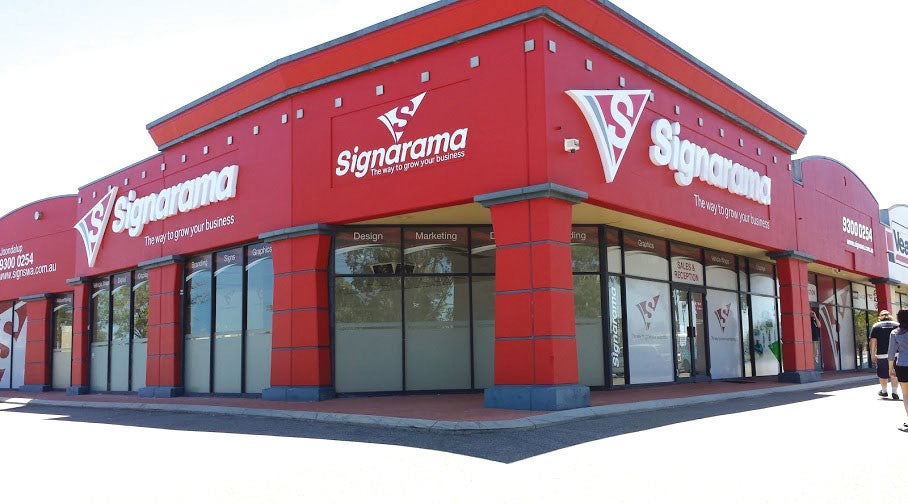
The exterior of a retail store operates as a 24/7 marketing tool. It communicates brand identity and value before a single word is exchanged. Smart use of custom signage here doesn’t just grab attention—it earns curiosity and trust.
Key Characteristics of High-Impact Exterior Signage
- Immediate Readability – Use large, sans-serif fonts that can be read in seconds.
- Bold Color Contrast – Ensure lettering stands out against background imagery or textures.
- Material Selection – Weather-resistant materials like aluminum, acrylic, or HDU (high-density urethane) preserve visual integrity over time.
Elements to Include on Storefront Signage
- Logo & Brand Name – Make sure they’re prominently placed and scaled appropriately.
- Tagline or USP (Unique Selling Proposition) e.g., “Ethical Fashion. Everyday Prices.”
- Business Hours Clearly state when you’re open.
- Current Promotions – Keep content timely and relevant.
Lighting Makes a Difference
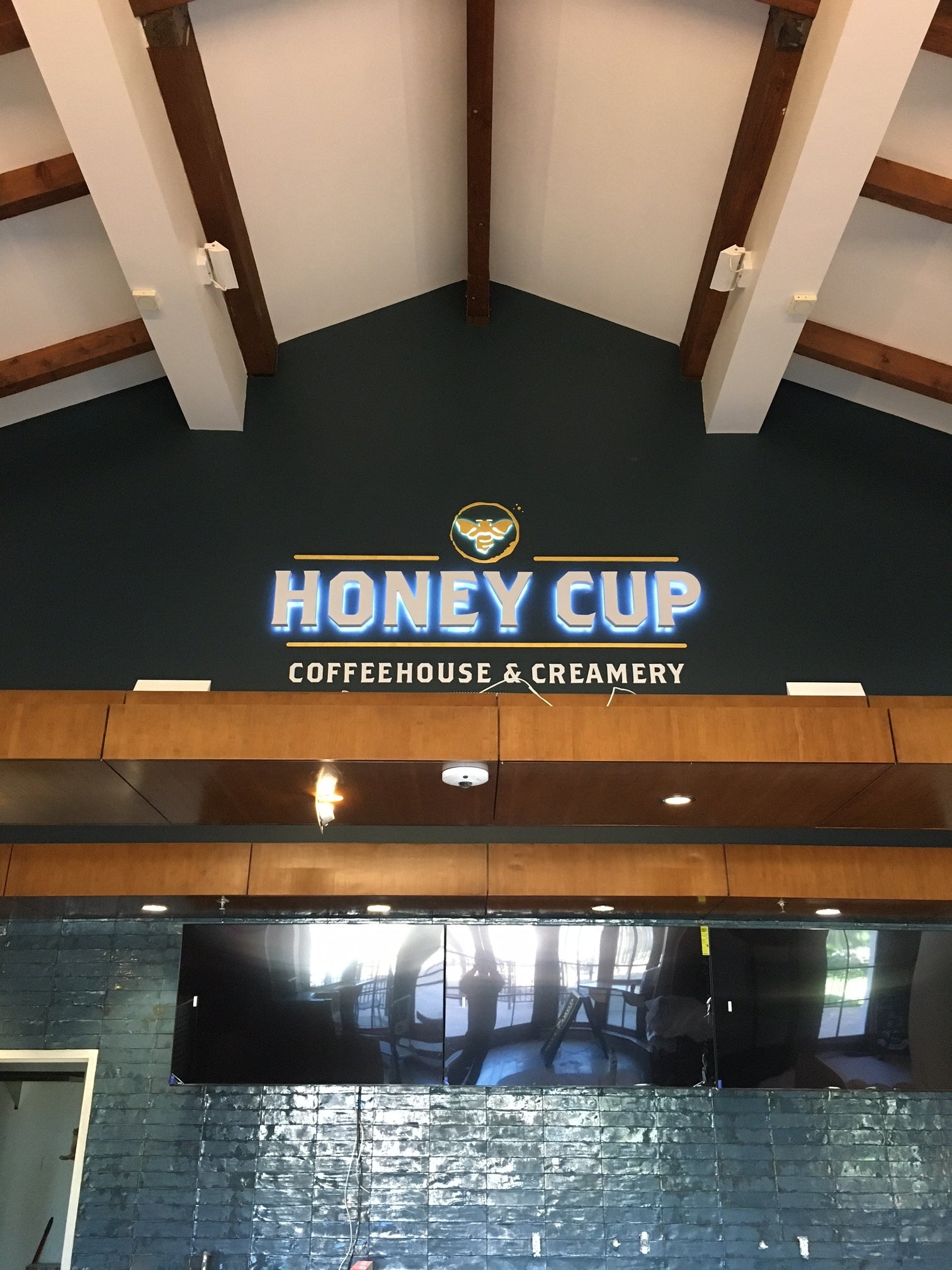
- Backlit signs or halo lighting can enhance nighttime visibility.
- Spotlights create visual drama and draw attention from a distance.
A good sign should spark a reaction. Ask: Will this sign make someone pause, smile, or take a step closer? If not, it may be too generic. Creative, customized signage helps stores project personality and motivate passersby to walk in.
3. Use Wayfinding and Informational Signs Inside the Store
Once a customer crosses the threshold, the goal shifts from attraction to orientation and retention. Thoughtful interior custom signage guides customers efficiently while reinforcing the brand experience.
Wayfinding Signage: Help Shoppers Navigate with Ease
People are more likely to explore and purchase when they understand the store layout quickly and without needing assistance. Examples include:
- “Men’s Apparel →” or “Seasonal Gifts ←”
- Ceiling hangers or aisle markers that segment product zones
- Color-coded zones (e.g., blue for clearance, green for organic)
Informational Signage: Answer Questions Before They’re Asked
Common uses:
- Product Features– e.g., “Made with 100% recycled materials”
- How-To Instructions – helpful for demo areas or interactive products
- Policy Highlights– such as return windows or contactless checkout instructions
Tips for Maximizing Effectiveness
- Keep text brief and scannable
- Use icons where applicable (e.g., fitting room, restroom, checkout)
- Maintain consistent design templates for a polished look
Benefits of Interior Custom Signage
- Reduces staff interruptions by preemptively answering common questions
- Promotes independence, which many shoppers prefer
- Enhances trust and credibility when messaging is clear and professional
4. Highlight Promotions and Deals Strategically
Promotional custom signage serves as a direct trigger for impulse purchases and buyer urgency. It’s not enough to simply advertise a discount—the message must be seen, understood, and acted upon within seconds.
Where to Place Promotional Signage for Maximum Effect
- Store Entrances – Capture attention before customers even walk in.
- Window Displays – Use bold discount signage to entice passersby.
- High-Traffic Zones – Place near top-selling products or seasonal displays.
- Point of Sale (POS) Areas – Encourage add-ons or impulse buys near checkout.
Design Elements That Convert
- Bold, action-driven language – e.g., “Hurry!”, “Limited Stock!”, “Ends Today!”
- Eye-catching visuals – Use contrasting colors and imagery that support the product.
- Legible fonts – Prioritize clarity; shoppers skim signage, they don't read it word-for-word.
Tips to Enhance Results
- Use scarcity cues – “Only 3 left!” taps into fear of missing out (FOMO).
- Pair promotions with visuals – A product photo plus a price slash reinforces value.
- Update signage regularly – Keep customers interested with fresh offers.
- Test and measure – Use A/B testing to compare performance across different messages, formats, and placements.
Shoppers are more likely to make unplanned purchases when signage signals urgency and communicates savings clearly. Rotating custom signage keeps the store feeling active and alive.
5. Incorporate Brand Personality into Your Signage
Beyond function, custom signage is a prime vehicle for brand storytelling. It brings a store’s identity to life in subtle but powerful ways that go far beyond logos and color palettes.
Key Visual and Messaging Elements to Reflect Brand Personality
- Typography – Modern brands may use minimalist sans-serif fonts; playful brands may choose rounded or handwritten styles.
- Color Schemes – Earthy tones suggest sustainability, while bold neons scream youthful energy.
- Tone of Voice – Whether it's witty, formal, friendly, or aspirational, the copy on signage should align with the brand's overall voice.
Examples by Industry
- Fashion Boutique – “Curated just for you” on signage helps communicate a personalized, upscale experience.
- Toy Store– Whimsical fonts, cartoonish graphics, and fun language like “Giggle-Worthy Gifts” set a playful tone.
- Outdoor Gear Retailer – Rugged textures, muted colors, and slogans like “Built for the Journey” reinforce adventure-focused branding.
Tips to Ensure Consistent Branding Across All Signs
- Use the same design framework for promotions, directions, and product info.
- Maintain visual cohesion from the storefront to the back wall.
- Use a unified color palette and font style across all signage.
- Place your logo consistently in the same position on every sign.
- Match the tone and messaging style across all signs.
Repetition builds recognition. When shoppers encounter consistent, on-brand custom signage, they form lasting impressions and trust the business more readily, critical for building customer loyalty.
6. Adapt Signage to the Season and Local Events
Seasonal and community-focused custom signage builds strong emotional connections with customers. It not only reflects current trends and occasions but also shows that a business is in tune with its environment.
Why Seasonal Signage Matters
- Drives urgency – Limited-time seasonal messaging encourages quick purchases.
- Enhances relevance – Messaging tied to current events feels timely and relatable.
- Boosts engagement – Shoppers are more likely to interact with displays that reflect what's happening around them.
Examples of Seasonal and Event-Driven Signage
- Winter Holidays – Incorporate motifs like snowflakes, gift boxes, and cozy language such as “Warm Up With Our Winter Deals.”
- Back-to-School– Use bright primary colors, chalkboard-style fonts, and themed messaging like “Classroom Must-Haves.”
- – Include nods to regional events or community pride with phrases like “Celebrating With [City Name].”
- Sporting Events – Use team colors or slogans like “Game Day Essentials Inside.”
Implementation Tips
- Rotate signage every few weeks or months – Keep the store visually fresh and seasonally aligned.
- Use temporary displays – Window clings, banner stands, and poster boards allow for easy swapping.
- Coordinate with promotions – Tie signage themes to specific sales campaigns for greater impact.
When custom signage reflects what customers are already excited about—holidays, school events, or sports—it feels more relevant and enhances the likelihood of driving foot traffic and purchases.
7. Optimize Signage Placement for Maximum Visibility
Where a sign is placed can make or break its effectiveness. Even the most creatively designed custom signage won’t have an impact if it’s poorly positioned or easily overlooked.
Key Placement Strategies
- Eye-Level Positioning: Most readable and natural for browsing customers. Use for key promotional or product messages.
- Endcap and Aisle Signage: Capture attention in transitional spaces. Great for impulse items and featured collections.
- Checkout Zones: Ideal for upselling small add-ons or promoting loyalty programs. Signage here should be concise and actionable.
- Floor Graphics: Guide foot traffic and lead customers to highlighted sections. Useful in larger stores where sightlines may be obstructed.
- Ceiling and Hanging Signs: Extend visual reach without using floor or shelf space. Effective for wayfinding in wide or crowded spaces.
- Window Displays: Capture foot traffic outside the store and spark interest. Consider changing these frequently to highlight new arrivals or timely promotions.
Avoid These Common Mistakes
- Placing signs in cluttered areas – Competes with visual noise and decreases effectiveness.
- Obstructed views – Shelves, displays, or lighting that block signage reduce visibility.
- Inconsistent spacing – Creates a disorganized look that confuses rather than guides.
Pro Tip: Perform walk-throughs from multiple entry points and customer perspectives to identify prime locations for each type of custom signage.
8. Evaluate Performance and Iterate
To ensure custom signage continues to deliver value, it must be evaluated regularly. This allows retailers to optimize their signage strategy based on real-world performance—not just assumptions.
Key Metrics to Track
- Foot Traffic Increases: Use counters or sensors to measure traffic near entrances and display areas.
- Conversion Rates by Zone: Compare product sales before and after signage implementation.
- Dwell Time in Signage Zones: Observe how long customers linger in areas with featured signage.
- Sales Lift from Promotions: Track revenue tied to specific offers advertised on signs.
Feedback Methods
- In-Store Surveys – Ask shoppers what signage caught their eye and why.
- Staff Input – Employees often notice which signs get the most questions or comments.
- Digital Analytics – Use built-in metrics on digital custom signage to track impressions and interaction time.
Refining Your Approach
- Test Variables – Try different wording, layouts, and placements to see what works best.
- Track Over Time – Don't rely on a single day's performance; analyze trends across weeks or months.
- Adjust Seasonally – What works in December may not resonate in spring; refresh accordingly.
Retailers who treat custom signage as a living part of their strategy, subject to testing, feedback, and optimization, are better positioned to maximize its impact on foot traffic and sales.
9. Collaborate with a Professional Signage Partner
While creating in-house signs may seem cost-effective at first, professional support often leads to significantly better results. A specialized signage partner brings design expertise, industry knowledge, and fabrication resources that elevate the final product, both visually and functionally.
Why Partnering with Experts Matters
- Access to Professional Design Skills: Designers understand how to balance typography, imagery, and hierarchy to draw attention and direct behavior effectively. They can ensure visual consistency across all signage, reinforcing brand identity.
- Strategic Planning and Consultation: Professionals help retailers choose the right type of custom signage for each objective—be it promotional, wayfinding, or branding. They can assist with campaign planning, including seasonality, rotation schedules, and in-store placement strategies.
- Material and Format Recommendations: Experts advise on materials that suit indoor vs. outdoor use, long-term durability, and budget constraints. Options may include vinyl, acrylic, metal, foam board, and backlit materials—each with its own benefits.
- Custom Fabrication Techniques: Tailored designs like 3D lettering, contour cuts, layered textures, and illuminated signs add depth and professionalism. Unique finishes like matte, gloss, brushed metal, or woodgrain textures create distinctive aesthetics.
- Compliance with Local Regulations: Signage partners stay current with municipal signage ordinances, zoning restrictions, and ADA (Americans with Disabilities Act) requirements. This prevents costly violations or the need to redesign signage after installation.
- Seamless Production and Installation: Full-service partners handle printing, mounting, and installation using proper equipment and techniques. This reduces setup time, ensures stability, and maintains a polished presentation.
- Ongoing Support and Maintenance: Some providers offer packages that include seasonal updates, damage repair, or digital content management for electronic displays.
Benefits for Retailers
- Saves Time and Headaches: Allows store managers and staff to focus on operations, not design or compliance tasks.
- Delivers Professional Impact: High-quality custom signage makes a stronger first impression and performs better at influencing customer behavior.
- Scales With Business Growth: As stores expand or update branding, signage partners can quickly replicate or adapt solutions across multiple locations.
Choosing the Right Signage Partner
- Look for vendors with experience in retail environments.
- Ask to see a portfolio of past work and request case studies.
- Confirm capabilities include both design and fabrication, not just printing.
Investing in a signage partner is not just about better-looking signs—it’s about delivering a cohesive customer experience, maximizing visibility, and ensuring that every piece of custom signage aligns with retail goals.
Frequently Asked Questions
What are the most durable materials for outdoor custom signage?
Aluminum, Dibond (aluminum composite), and treated wood are among the most durable materials for outdoor custom signage. These materials offer excellent resistance to weather, UV rays, and corrosion, making them ideal for long-term use. Choosing the right material ensures your signage remains intact and visually appealing over time.
How can custom signage comply with ADA (Americans with Disabilities Act) regulations?
ADA-compliant custom signage includes features like tactile letters, Braille, high-contrast colors, and appropriate mounting heights. These elements ensure readability and accessibility for people with visual or physical impairments. Following ADA guidelines not only meets legal requirements but also promotes inclusivity in your store.
What is the typical turnaround time for producing custom signs?
Turnaround time for custom signage depends on design complexity, material availability, and production scale. Simple signs can be completed in 1–2 weeks, while intricate designs or large orders may take 6–12 weeks. Always factor in time for revisions, approvals, and potential permitting.
Can custom signage be designed for easy updating of information?
Yes, custom signage can include features like magnetic panels, slide-in frames, chalkboard surfaces, or digital displays for easy content updates. These options allow retailers to refresh promotions, events, or seasonal content without replacing the entire sign. This flexibility saves time and costs over the long term.
Are there eco-friendly options available for custom signage materials?
Eco-friendly signage options include materials like recycled aluminum, bamboo, reclaimed wood, and biodegradable plastics. These sustainable choices help reduce environmental impact without compromising durability or design quality. Many signage providers now offer green alternatives as part of their standard offerings.
Get Custom Signage That Works—Partner with Signarama Today!
Ready to boost foot traffic, elevate your brand, and make your store stand out? Trust Signarama in Danbury, CT, to deliver expert-crafted custom signage solutions tailored to your retail goals. Whether you're launching a promotion, updating your store layout, or planning seasonal campaigns, Signarama in Danbury, CT, has the design and fabrication experience to bring your vision to life. No matter the size or complexity, you can count on Signarama for professional service and outstanding results.
Contact Signarama in Danbury, CT, today to get started on custom solutions that attract, inform, and convert!

Signarama Danbury, CT
contact
Signarama Danbury, CT