

7 Factors to Consider Before Installing Pylon Signs for Your Brookfield, CT Business
Dec 27, 2024 by Signarama Danbury
Item 1 of 1
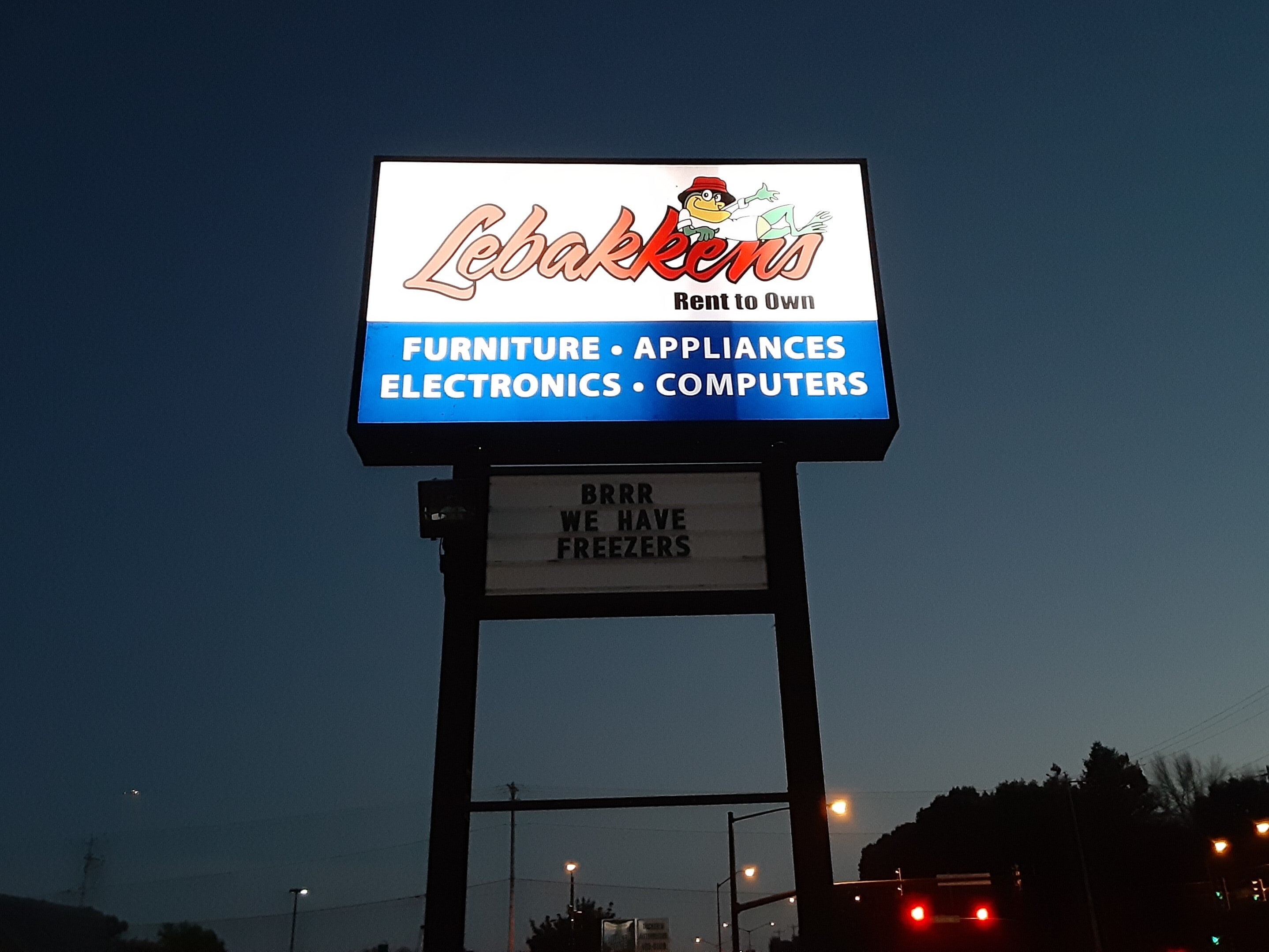
Pylon signs are an effective way for Brookfield businesses to boost visibility and attract traffic. However, installation requires careful planning, including compliance with local regulations, strategic placement, design, materials, and costs. Considering these factors ensures a successful and long-lasting sign installation.
Here are seven factors to consider before installing pylon signs for your Brookfield Business.
1. Local Zoning and Permitting Regulations
Local zoning and permitting regulations are essential to follow when installing pylon signs in Brookfield. Adhering to these rules ensures the sign is legally compliant and avoids potential fines or removal. Proper planning helps businesses save time and money during the installation process.
What to Know About Local Zoning and Permitting Regulations
● Height Restrictions: Brookfield has specific height limits for pylon signs depending on the area. Taller signs may be restricted in certain zones to avoid obstructing views or interfering with power lines.
● Location and Setback Requirements: Pylon signs must be placed at a certain distance from roads, sidewalks, and neighboring properties. These setbacks ensure the signs do not pose a safety hazard to pedestrians or drivers.
● Sign Size Limitations: In some parts of Brookfield, the size of pylon signs may be restricted to maintain the visual appeal of the area. Larger signs may be allowed in commercial zones, while residential areas often have stricter size limits.
● Permit Application Process: Obtaining the necessary permits is a key step before installing pylon signs. This process involves submitting design plans and paying application fees, with approval required before construction can begin.
● Inspection and Compliance Checks: After installation, the city may conduct inspections to ensure the pylon signs meet all safety and design standards. Failing an inspection could result in fines or the need for modifications, so it's important to adhere to all guidelines from the start.
2. Visibility and Location of the Sign
The location and visibility of pylon signs are critical to ensuring they attract attention from both pedestrians and drivers. The right placement enhances the sign's effectiveness, allowing it to communicate the business message clearly and from a distance.
What to Know About Visibility and Location
● Strategic Placement Near High-Traffic Areas: Pylon signs placed near busy roads or intersections have a better chance of capturing attention. It's essential to identify high-traffic locations where the sign can be easily seen by motorists and pedestrians alike.
● Clear Lines of Sight: The location of pylon signs should offer clear, unobstructed views from different angles. Signs blocked by trees, buildings, or other structures may reduce visibility and limit their effectiveness.
● Height for Maximum Visibility: The height of pylon signs should be tall enough to stand out but within legal limits. A sign that is too low may not be visible from a distance, while a sign that's too high may be hard to read quickly by passing drivers.
● Proximity to Competing Signs: Businesses should avoid placing their pylon signs too close to other signage, as this can create visual clutter and reduce the impact. Maintaining distance from competing signs helps ensure the pylon sign stands out on its own.
● Nighttime and Low-Light Visibility: For businesses that operate at night, it's important to consider how well the pylon signs will be visible in low-light conditions. Adding lighting or choosing reflective materials can improve nighttime visibility and ensure the sign works around the clock.
3. Design and Branding
The design of pylon signs should reflect the business's brand identity while being eye-catching and easy to read. A well-designed sign can leave a lasting impression on potential customers and help differentiate the business from competitors. The design also needs to prioritize clarity, ensuring information is quickly absorbed.
What to Know About Design and Branding
● Consistent Branding Elements: Pylon signs should include key branding elements such as logos, colors, and fonts that align with the business’s overall identity. This consistency reinforces the brand and makes the business more recognizable to customers.
● Bold and Simple Messaging: Effective pylon signs use concise, simple messaging to communicate with passersby quickly. Overly complex designs or text-heavy signs can overwhelm viewers and reduce the overall impact.
● Readable from a Distance: The font size and color contrast should ensure that the text on pylon signs is readable from a significant distance. Bold, clear fonts and high-contrast color schemes help drivers and pedestrians understand the message at a glance.
● Illuminated or Non-Illuminated Design: Depending on the business’s hours of operation, illuminated pylon signs may be necessary for better visibility after dark. Choosing energy-efficient lighting options, such as LED, can keep the sign visible without drastically increasing costs.
● Unique and Memorable Design: A well-crafted design can set a business apart from competitors. Custom shapes, dynamic graphics, and distinctive color schemes help make pylon signs memorable and engaging for potential customers.
4. Material and Durability
The materials used for pylon signs ensures their longevity and maintain their appearance over time. Durable materials that withstand weather conditions and wear-and-tear are essential, especially for outdoor signs exposed to the elements in Brookfield.
What to Know About Material and Durability
● Weather-Resistant Materials: Pylon signs in Brookfield are exposed to rain, snow, wind, and sun. Choosing weather-resistant materials like aluminum, steel, or treated wood helps prevent rust, fading, or other damage.
● UV-Resistant Coatings: Adding a UV-resistant coating to the pylon sign’s surface can prevent sun-related fading or cracking. This ensures that the sign's colors remain vibrant and legible, even after years of exposure to sunlight.
● Impact Resistance: Signs in high-traffic areas or exposed to strong winds need materials that resist physical damage. Reinforced frames and impact-resistant panels can help pylon signs remain sturdy and intact despite potential hazards.
● Low-Maintenance Materials: Some materials require frequent cleaning or maintenance, while others are designed to minimize upkeep. Opting for materials that resist dirt, stains, or weather damage can reduce maintenance efforts and extend the sign's lifespan.
5. Lighting Options
Lighting is an important aspect to consider for pylon signs, especially for businesses operating during evening hours or in low-light conditions. Proper lighting enhances the sign's visibility, making it noticeable at all times, while also contributing to the overall aesthetic.
What to Know About Lighting Options
● Illuminated vs. Non-Illuminated Signs: Businesses must decide between illuminated and non-illuminated pylon signs based on visibility needs. Illuminated signs are ideal for 24/7 visibility, while non-illuminated signs work well for daytime-only businesses.
● LED Lighting for Energy Efficiency: LED lighting is a popular choice for pylon signs due to its brightness, energy efficiency, and long lifespan. LEDs provide high-quality illumination without consuming excessive energy, reducing operational costs.
● Solar-Powered Lighting: Solar-powered lighting is an eco-friendly option that can reduce energy consumption. For businesses looking to lower their environmental impact, solar-powered pylon signs offer sustainable visibility day and night.
● Backlit or Frontlit Illumination: Pylon signs can be illuminated from the front or back depending on the desired effect. Backlit signs create a subtle glow, while front-lit signs provide direct lighting for maximum visibility in darker conditions.
● Lighting Maintenance: Keeping pylon signs well-lit requires periodic maintenance, especially if using traditional lighting methods. LED lighting reduces the need for frequent bulb replacements, but regular inspections can help ensure the lights are functioning correctly.
6. Budget and Cost Considerations
Budget is a key factor when planning for pylon signs. While these signs offer great marketing value, businesses need to evaluate both initial costs and long-term financial considerations. Balancing quality and cost ensures the sign will be a smart investment over time.
What to Know About Budget and Cost
● Initial Costs: The initial cost of pylon signs depends on size, materials, and lighting options. Businesses should set a realistic budget that covers design, production, installation, and permitting fees.
● Long-Term Maintenance Costs: Pylon signs require ongoing maintenance, from cleaning to repairs. Opting for durable, low-maintenance materials and energy-efficient lighting can minimize these expenses over time.
● Potential for ROI: Well-designed pylon signs can generate long-term returns by attracting customers and increasing visibility. Considering this potential ROI helps justify the upfront investment and long-term costs.
● Cost of Permits and Inspections: Beyond the sign itself, businesses must factor in the costs of obtaining permits and conducting required inspections. These fees vary by city, but they are necessary for legal compliance.
● Budgeting for Repairs: Over time, pylon signs may experience wear and tear, requiring repairs or updates. Including repair costs in the initial budget planning helps avoid unexpected expenses down the road.
7. Environmental Impact
With growing awareness of sustainability, businesses are increasingly considering the environmental impact of their pylon signs. From material choices to energy use, there are various ways to reduce the environmental footprint of sign installations.
What to Know About Environmental Impact
● Sustainable Materials: Many businesses opt for eco-friendly materials when constructing pylon signs. Recycled plastics, sustainably sourced metals, and biodegradable materials can all reduce the environmental impact.
● Energy-Saving Lighting: Using energy-efficient lighting options, such as LED lights or solar-powered systems, helps minimize electricity consumption. This not only cuts costs but also reduces the business's carbon footprint.
● Recyclability of Materials: When choosing materials for pylon signs, it's worth considering whether they can be recycled at the end of their lifespan. Materials like aluminum, steel, and certain plastics can often be repurposed or recycled.
● Minimizing Light Pollution: For illuminated pylon signs, it's important to avoid excessive light pollution. Using targeted lighting that focuses on the sign itself, rather than surrounding areas, can help reduce the impact on nearby homes and businesses.
How to Maintain Pylon Signs for Long-Term Use
Maintaining pylon signs is essential for keeping them in good condition and ensuring they continue to attract customers. Regular upkeep can extend the lifespan of the sign, prevent damage, and keep it looking professional. Below are six key maintenance tips to help keep pylon signs in optimal shape.
1. Regular Cleaning
Dirt, dust, and pollution can accumulate on pylon signs, making them look dull over time. Regularly cleaning the sign with mild soap and water helps maintain its appearance and visibility. Avoid abrasive materials that could scratch the surface and reduce the sign’s lifespan.
2. Inspect for Structural Damage
Over time, wind, rain, and other weather conditions can cause damage to the structure of pylon signs. Inspect the sign periodically for signs of rust, cracks, or loose parts. Addressing these issues early prevents further damage and ensures the sign remains sturdy.
3. Replace Faded or Damaged Graphics
Sun exposure can cause the colors on pylon signs to fade, reducing their visual impact. If the graphics or lettering become faded or damaged, it’s important to replace them promptly. Fresh graphics keep the sign looking vibrant and professional.
4. Check and Maintain Lighting
For illuminated pylon signs, it’s essential to check the lighting system regularly. Burned-out bulbs or flickering lights can reduce visibility, especially at night. Replacing lights with energy-efficient options like LEDs can also reduce long-term costs while keeping the sign brightly lit.
5. Secure Loose Components
Weather or accidental impacts can loosen bolts or other structural elements of pylon signs. Periodically check for any loose components and tighten them to prevent the sign from becoming unstable. Securing these parts also minimizes the risk of damage in the event of strong winds or storms.
6. Apply Protective Coatings
To protect pylon signs from rust, UV damage, or corrosion, apply protective coatings as needed. UV-resistant coatings help preserve the colors, while anti-corrosion treatments can extend the lifespan of metal components. Regularly refreshing these coatings helps the sign withstand the elements.
How to Choose the Right Contractor for Pylon Sign Installation
Choosing the right contractor for your pylon sign installation ensures a smooth process and high-quality results. Here are five key factors to consider when selecting the best contractor for your project.
1. Experience and Expertise
Look for a contractor with extensive experience in pylon sign installation, as they will be familiar with the technical aspects involved. Contractors who specialize in commercial signage are better equipped to handle complex projects, ensuring your sign meets all local regulations. A portfolio of past projects can demonstrate their capability and quality of work.
2. Knowledge of Local Regulations
The contractor you choose should have a thorough understanding of Brookfield’s zoning laws and permitting processes. They must ensure that your sign complies with height, size, and setback requirements to avoid costly fines. An experienced contractor will guide you through the legal steps, streamlining the process for you.
3. Custom Design Capabilities
A great contractor should offer custom design services that align with your brand’s identity. They should be able to create a unique and eye-catching design that fits within your budget and is practical for installation. Look for a contractor who collaborates with you during the design phase to bring your vision to life.
4. Material and Durability Recommendations
Your contractor should advise on the best materials for long-lasting, durable signs that can withstand Brookfield’s weather conditions. They should recommend options like aluminum, steel, or UV-resistant coatings for maximum durability. Their knowledge of the right materials ensures your sign will remain vibrant and sturdy over time.
5. Post-Installation Support and Maintenance
Choose a contractor who provides ongoing support after installation, including maintenance and repair services. Regular upkeep is essential to ensure your pylon sign remains in top condition and continues to attract customers. Contractors offering long-term maintenance plans can help extend the life of your sign and reduce future repair costs.
Frequently Asked Questions (FAQs)
How long does it take to install pylon signs?
The installation time for pylon signs can vary depending on the size, design, and complexity of the project. On average, it can take anywhere from a few days to a couple of weeks, especially if foundation work is required. This timeline also includes obtaining necessary permits and ensuring compliance with local regulations. Working with an experienced sign contractor can help streamline the process and avoid delays.
Can pylon signs be moved to a new location?
Yes, pylon signs can be relocated, but the process can be complex. Moving a sign requires dismantling the structure, re-obtaining permits for the new location, and ensuring the sign meets local zoning laws at the new site. The cost of relocation may be similar to installing a new sign, depending on factors like transportation and site preparation. Consulting a professional is important to assess the feasibility and costs involved.
What materials are best for pylon signs in coastal areas?
In coastal areas, materials that resist corrosion and rust are essential due to exposure to saltwater and humidity. Aluminum and stainless steel are popular choices because they are both lightweight and durable in harsh environments. Using weather-resistant coatings and treatments can also extend the sign's life. Choosing the right materials helps ensure the sign remains in good condition despite constant exposure to coastal elements.
Can pylon signs be updated with digital displays?
Yes, many traditional pylon signs can be retrofitted with digital displays to provide dynamic content. Adding digital elements allows businesses to easily change messages or promotions without replacing the entire sign. However, updating a sign with digital components may require additional permits and must comply with local lighting regulations. It’s best to work with a contractor who has experience integrating digital displays into existing pylon signs.
How do seasonal weather conditions affect pylon signs?
Pylon signs can be affected by extreme weather conditions such as heavy snow, strong winds, and intense sunlight. Cold temperatures can cause certain materials to become brittle, while UV exposure from the sun may lead to fading over time. Proper maintenance, including regular inspections and applying protective coatings, helps minimize damage caused by seasonal weather. Additionally, signs designed with durable, weather-resistant materials will last longer and require less upkeep.
Transform Business Visibility with Pylon Signs from Signarama in Brookfield, CT!
Signarama in Brookfield, CT, offers expertly designed and durable pylon signs that elevate business visibility and attract more customers. Whether placed on busy streets or near key intersections, these high-quality signs help your brand stand out in the city. With tailored designs and a focus on compliance with local regulations, Signarama provides an end-to-end solution for creating impactful pylon signs.
Contact Signarama today to start designing the perfect pylon sign for your business.

Signarama Danbury, CT
35 Eagle Rd
Danbury Connecticut 06810
Opening Hours:
Monday
8:00 am - 4:00 pm
Tuesday
8:00 am - 4:00 pm
Wednesday
8:00 am - 4:00 pm
Thursday
8:00 am - 4:00 pm
Friday
8:00 am - 4:00 pm
contact
Signarama Danbury, CT
CLIENTS WE HAVE WORKED WITH: