

Front-Lit vs Reverse Channel Letters for Storefronts in Millwood, NY
Sep 21, 2026 by Signarama Millwood
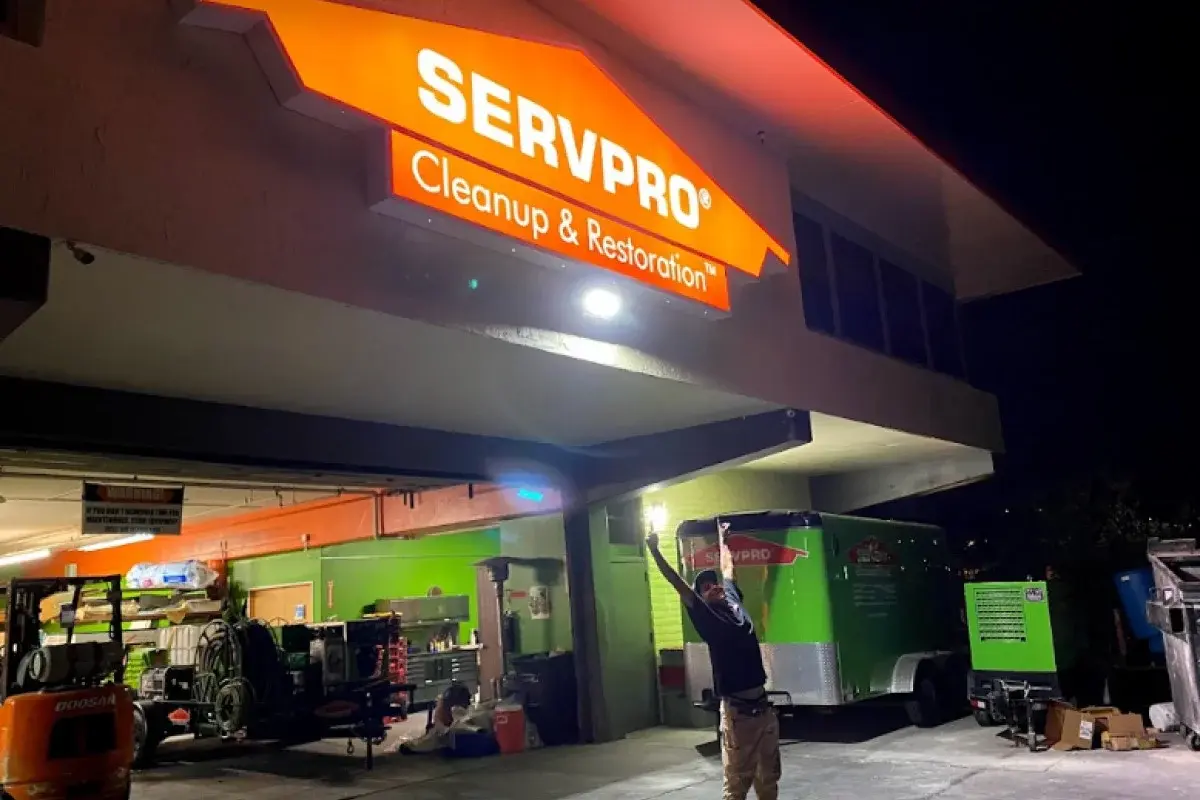
For a storefront that needs to stay recognizable after sunset, channel letters are among the most practical illuminated sign formats to consider. The main decision usually comes down to front-lit channel letters and reverse channel letters, also called halo-lit channel letters. Both create three-dimensional branding, but they produce different nighttime effects and place different demands on the building surface.
For businesses in Millwood, NY, the right choice should reflect more than visual preference. Viewing distance, approach angle, facade material, surrounding light, landlord requirements, local sign rules, and maintenance all affect performance.
What Are Front-Lit Channel Letters?
Front-lit channel letters direct illumination through the face of each letter or logo element. A typical construction uses an aluminum return and back with a translucent acrylic face. LED modules inside the letter illuminate the face so the wordmark becomes bright at night.
Because customers see the illuminated face rather than reflected light, the letterform can remain easier to read from a wider range of viewing positions. This makes front-lit channel letters a common fit for retail centers, restaurants, medical offices, fitness businesses, service companies, and storefronts that depend on quick identification from parking lots or roads.
During the day, the sign still reads as dimensional lettering. Face colors, return colors, trim details, and logo shapes can coordinate with the brand. At night, brightness, contrast, letter spacing, and face color work together to determine readability.
What Are Reverse Channel Letters?
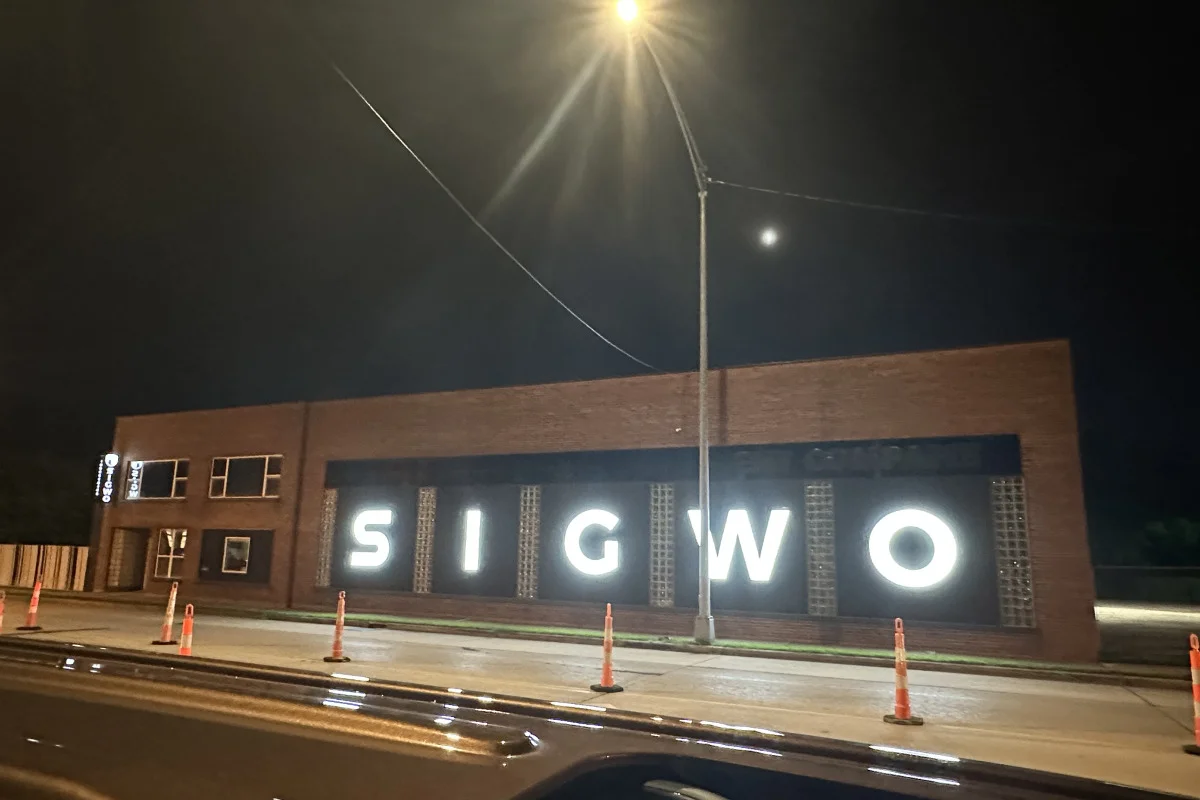
Reverse channel letters illuminate from behind. The letters usually have opaque metal faces and are spaced away from the wall. Light reflects onto the mounting surface and creates a glow around each character, which is why reverse channel letters are commonly called halo-lit channel letters.
The effect is softer and more architectural than direct face illumination. In daylight, metal faces create a clean dimensional appearance. After dark, the surrounding glow outlines the letters without turning the entire face into a bright light source. That look often suits professional offices, boutique retailers, hospitality businesses, upscale restaurants, wellness brands, and financial firms.
Reverse illumination also makes the wall part of the lighting system. A smooth, light-colored surface can reflect a clean halo. Dark, rough, deeply textured, or irregular materials may absorb or scatter more light, which can reduce definition.
Front-Lit vs Reverse Channel Letters: The Differences That Matter
Appearance
Front-lit channel letters create a bold, direct illuminated look. The face itself glows, so brand colors can remain highly visible after dark. The result generally feels energetic and retail-oriented.
Reverse channel letters create more separation between the letter and the wall. The metal face stays visually solid while light appears around it. That effect can feel quieter and more architectural, especially on simple facades where the halo has room to read clearly.
Neither option is automatically more professional. The better choice is the one that matches the storefront, brand personality, and customer approach.
Nighttime Visibility
For long-distance legibility, front-lit channel letters usually have an advantage because the customer sees the illuminated letter face directly. The sign can maintain strong contrast against a dark building or night sky.
Reverse channel letters rely on reflected light. Halo strength depends on wall color, texture, stand-off spacing, ambient light, and letter design. Thin scripts or tightly spaced wordmarks need especially careful planning.
Businesses near busier roads or large parking fields often prioritize direct face illumination. Locations where customers approach more slowly may have more flexibility to use halo lighting for atmosphere and brand presentation.
Viewing Angles
A sign can look excellent in a straight-on rendering but perform differently when customers approach from the left or right. Front-lit letters tend to maintain clearer letterforms across a broader range of viewing angles.
Reverse channel letters can lose some halo definition at sharp angles because the reflected glow sits behind the letter. Deep returns, closely spaced letters, awnings, or nearby architectural elements can also affect what customers see.
Before approving either style, evaluate the sign from the actual sidewalk, parking entrance, drive aisle, and roadway approach.
Wall-Surface Requirements
The wall matters for both sign types, but it plays a larger visual role with reverse channel letters.
Front-lit letters can work on many common storefront surfaces because the face provides the primary illumination. The facade still affects mounting and contrast, but it does not need to act as a reflector.
Reverse-lit letters need a suitable background for the halo. Smooth stucco, painted panels, metal panels, and other even surfaces can produce a more uniform glow. Brick, stone, heavily textured stucco, dark cladding, or surfaces with deep joints can create a more broken halo.
Durability
Both styles can be built for outdoor use with durable metal components and LED lighting. Front-lit signs commonly use acrylic faces, which provide light diffusion and color flexibility but remain exposed to weather, UV, impact, and temperature changes. Reverse channel letters often use metal faces instead of the translucent front faces common in front-lit designs.
Durability still depends on fabrication quality, materials, drainage, sealing, mounting, exposure, and maintenance. UL Solutions identifies UL 48 as the standard for electric signs and notes that sign safety includes concerns such as corrosion, moisture accumulation, and field wiring.
Installation and Building Conditions
Both styles require careful site planning for structural attachment, letter spacing, access, mounting method, and electrical coordination. Reverse channel letters add another variable: stand-off distance from the wall. That spacing helps determine how the reflected glow spreads.
For illuminated storefront signs, electrical connections and related code work should be coordinated with appropriately licensed professionals as required by local law.
Maintenance
Both styles benefit from periodic visual checks and cleaning. For front-lit letters, owners should watch for uneven illumination, face damage, loose hardware, water intrusion, or discoloration. For reverse channel letters, dirt, staining, repainting, or facade repairs behind the letters can change how evenly the halo reflects.
Access also matters. If letters sit high on a facade or over an awning, future service may require more planning. Ask how the sign can be accessed and what components can be replaced before approving the mounting approach.
Best Business Types for Each Style
Front-lit channel letters often work well for businesses prioritizing fast recognition, such as:
Restaurants
Convenience retail
Fitness centers
Medical offices
Automotive services
Storefronts in multi-tenant centers
Reverse channel letters often work well for:
Professional offices
Salons and spas
Boutique retail
Hospitality
Financial services
Upscale dining
Brands with more restrained visual identities
These are not strict categories. A law office facing a high-traffic road may prefer front-lit letters, while a restaurant in a walkable center may prefer reverse illumination for atmosphere.
How to Choose the Right Channel Letter Illumination Style
Use the storefront itself as the decision framework instead of choosing from a sample photo alone.
Map the real viewing points. Stand where customers first see the building, including the road approach, parking entrance, sidewalk, and main door.
Evaluate the facade in daylight. Record wall color, texture, seams, projections, awnings, and available sign-band space.
Define the nighttime goal. Decide whether the priority is maximum readability, a softer architectural effect, or a balance of both.
Test the brand artwork. Review the actual logo and letterforms at realistic scale. Thin strokes and tight spacing can change how halo illumination reads.
Check property and local requirements. Confirm landlord criteria, zoning, sign permits, illumination limits, mounting restrictions, and electrical coordination requirements.
Review day and night renderings. Compare the same design in both conditions.
Plan for service access. Consider how faces, lighting components, mounting hardware, and the wall behind the sign can be inspected later.
In Millwood, properties fall under Town of New Castle sign regulations. For illuminated signage in applicable business and industrial districts, the Town code addresses directing illumination to the sign, controlling glare and visible light sources, prohibiting flashing or intermittent illumination, and limiting hours of illumination. Site-specific zoning and approvals still need to be confirmed for each property.
Which Option Is Better for a Millwood Storefront?
Choose front-lit channel letters when direct visibility and fast readability are the top priorities, especially when customers view the storefront from a distance, from moving vehicles, or from several approach angles.
Choose reverse channel letters when the building surface supports a clean halo and the brand benefits from a more architectural nighttime appearance. They can work particularly well where customers approach more slowly and can appreciate dimensional detail.
If the decision is close, compare both options using the exact facade, logo, viewing distances, and night conditions. The right illuminated storefront sign should communicate clearly in the real environment, not just look attractive in a design proof.
Frequently Asked Questions
Can channel letters include both text and a logo?
Yes. Channel-letter systems can incorporate individual letters along with compatible logo shapes or graphic elements. The feasibility depends on the artwork, dimensions, fabrication method, mounting surface, and illumination style.
Can channel letters be mounted on a raceway?
Yes, depending on the storefront and installation requirements. A raceway mounts the letters to a common supporting structure, which can simplify attachment and reduce the number of penetrations into some building surfaces. The appropriate mounting method depends on the facade, landlord requirements, and local regulations.
Can front-lit and halo-lit illumination be combined?
Some channel-letter designs can incorporate both face illumination and reverse halo lighting. This can create stronger direct visibility while adding a glow behind the letters. Whether the combination is appropriate depends on the brand, facade, electrical design, and applicable sign regulations.
Can existing channel letters be updated after a rebrand?
Sometimes. Existing letters may be reusable if their size, construction, condition, and mounting configuration work with the new branding. Other projects may require new faces, graphics, lighting components, or completely new letters.
Can channel letters be moved to a different storefront?
Potentially, but relocation is not always straightforward. The new facade may require different mounting hardware, spacing, electrical connections, or sign dimensions. Property requirements and municipal approvals should also be reviewed before reusing an existing sign.
Plan Your Custom Storefront Sign in Millwood, NY
Front-lit and reverse channel letters can both create effective illuminated storefront signs, but they solve different visibility and branding problems. A strong recommendation starts with the building, the customer approach, the wall surface, and the brand, then uses those factors to determine the lighting style.
Signarama can help you compare channel-letter design options, materials, mounting approaches, and visual presentation for your storefront.
Request a quote or discuss your signage needs to start planning a custom sign that fits your location and brand.

Signarama Millwood, NY
contact
Signarama Millwood, NY