

Vehicle Wrap vs. Paint: Why the Cheapest Option Isn’t Always the Smartest Investment in Brookfield, CT
Apr 20, 2026 by Signarama Danbury
The cheapest option can be the most expensive mistake.
That is what many businesses miss when comparing a car wrap vs. a paint job. A low upfront price may look like a win, but it does not tell you how well that finish will hold up, how much maintenance it will need, or whether it adds any real business value.
Over time, those factors matter more than the first quote.
Before deciding, ask a better question: when it comes to car paint or wrap, which option works harder for your business over time?
What Is a Vehicle Wrap?
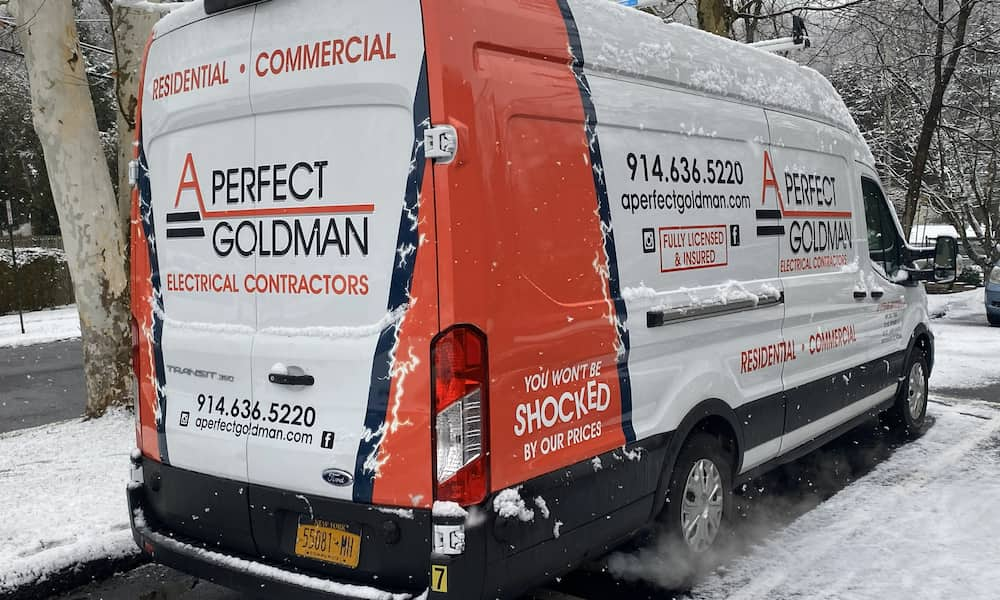
A vehicle wraps is a layer of printed or colored vinyl film applied over a vehicle’s exterior panels to change its appearance or display branded graphics.
Unlike paint, a wrap does not permanently alter the original finish. It sits on top of the factory paint and can be removed later when done properly.
How a Vehicle Wrap Works
A professional wrap involves cleaning and preparing the surface, then applying vinyl panel by panel using heat and pressure so it conforms to curves, edges, and contours.
Wraps can cover:
- Doors
- Hoods
- Side panels
- Rear panels
- Roofs
- Bumpers
- Windows with perforated film in some cases
Common Types of Vehicle Wraps
Businesses can choose different wrap options depending on budget, branding goals, and how much coverage they need.
Full wrap: Covers most or all of the vehicle’s exterior surface. This is usually the best option for maximum brand visibility and a fully customized look.
Partial wrap: Covers only selected areas, such as the sides, hood, or rear. This can reduce cost while still creating a strong visual impact.
Spot graphics or decals: Adds logos, vehicle lettering, contact details, or simple design elements without wrapping large sections of the vehicle.
Color change wrap: Changes the vehicle’s color without repainting it. Some businesses use this for a cleaner, branded appearance without full printed graphics.
Why Businesses Use Wraps
For commercial vehicles, wraps do more than improve appearance. They also serve practical marketing and branding functions.
- Promote brand awareness while the vehicle is on the road
- Create a more professional and consistent company image
- Make fleet vehicles easier to identify
- Allow graphics to be updated more easily than paint
- Help protect the original factory finish from minor wear and UV exposure
What Is a Professional Paint Job?
A professional paint job is the process of refinishing a vehicle with new paint to restore, repair, or completely change its appearance.
Unlike a wrap, paint permanently alters the exterior surface. Once applied, it becomes part of the vehicle itself rather than a removable layer.
What a Professional Paint Job Includes
A true professional paint job involves much more than spraying color onto a vehicle. The process usually includes:
- Surface cleaning
- Sanding and stripping damaged areas
- Repairing dents, rust, or imperfections
- Priming the surface
- Applying base coat paint
- Adding a clear coat for gloss and protection
- Drying and curing time
Types of Professional Paint Jobs
Businesses and vehicle owners may choose different levels of paint depending on their needs.
Basic repaint: Usually focused on improving appearance at a lower price point. It may not offer the same longevity or finish quality as premium work.
Standard professional repaint: Includes better prep, stronger materials, and a more consistent finish. This is often used for restoring worn vehicles.
High-end custom paint job: May include specialty colors, metallic finishes, matte finishes, or layered custom effects. This is usually the most expensive option.
Why Some Businesses Choose Paint
Paint can make sense in certain situations, especially when the goal is restoration rather than branding.
- Restore a faded or damaged vehicle
- Repair bodywork after dents or corrosion
- Create a permanent color change
- Improve the look of older vehicles with worn finishes
Still, for businesses comparing auto wrap vs. paint, paint has limitations when branding is part of the decision.
Limitations of Paint for Business Use
A professional paint job can improve appearance, but it is not designed for the same marketing function as a wrap.
- It does not easily support detailed branding or promotional graphics
- It is difficult and expensive to change later
- It does not offer the same removable flexibility
- Touch-ups may not always match perfectly over time
That is why the cost of vehicle wrap vs. paint should not be judged by appearance alone. Paint may improve looks, but it does not usually provide the same advertising value or update flexibility.
Cost of Vehicle Wrap vs. Paint: What Are You Really Paying For?
When comparing the cost of a vehicle wrap vs. paint, most people focus on the initial price. That is only part of the equation. The real cost includes durability, maintenance, downtime, and how the finish performs over time.
Average Cost Ranges
Prices vary depending on vehicle size, materials, and labor quality, but typical ranges are:
- Vehicle wrap: $2,000-$4,000
- Paint job: $3,000-$7,000+
Lower-end paint jobs may cost less upfront, but they often lack durability. High-quality paint jobs, especially custom finishes, can exceed the cost of a full wrap.
What Drives the Cost
Both options have variables that affect pricing.
Vehicle Wrap Cost Factors
- Size and shape of the vehicle
- Full vs. partial coverage
- Vinyl material quality
- Design complexity and printing
- Installation expertise
Paint Cost Factors
- Level of prep work required
- Type and quality of paint
- Number of coats and finishes
- Labor time
- Repairs for dents, rust, or damage
Hidden Costs To Consider
Looking only at the base price can overlook expenses that show up later.
Hidden Costs of Paint
- Extended downtime during prep and curing
- Future repainting due to fading or damage
- Visible repairs that may not match perfectly
Hidden Costs of Wraps
- Replacing damaged sections if panels are affected
- Rewrapping after several years
One key risk to note is low-quality installation. Cheaper wraps can lead to:
- Peeling edges
- Air bubbles
- Adhesive failure
- Potential damage to the underlying paint
Maintenance Requirements
Maintenance impacts both cost and convenience.
Wrap Maintenance
- Hand washing recommended
- Avoid harsh chemicals and pressure washing at close range
- No waxing required
Paint Maintenance
- Regular washing, waxing, and polishing
- Periodic touch-ups for chips and scratches
Over time, maintaining paint can require more effort and expense. Wraps simplify upkeep, especially for businesses managing multiple vehicles.
Car Wrap vs. Paint Job: Key Differences Businesses Should Know
When comparing a car wrap vs. a paint job, businesses should look beyond appearance and upfront price. The better option depends on long-term value, branding, maintenance, and flexibility.
| Factor | Vehicle Wrap | Professional Paint Job |
|---|---|---|
| Typical Cost | Usually $2,000 to $4,000 | Usually $3,000 to $7,000+ |
| Branding | Ideal for logos, graphics, and advertising | Limited branding use |
| Customization | Easy to update or replace | Permanent and harder to change |
| Installation Time | Usually 1 to 3 days | Often several days or longer |
| Paint Protection | Helps protect factory paint | Replaces the original finish |
| Maintenance | Lower maintenance | More upkeep over time |
| Resale Impact | Can help preserve original paint | May affect resale if quality is poor |
| Best For | Businesses that want visibility and flexibility | Vehicles needing restoration or permanent color change |
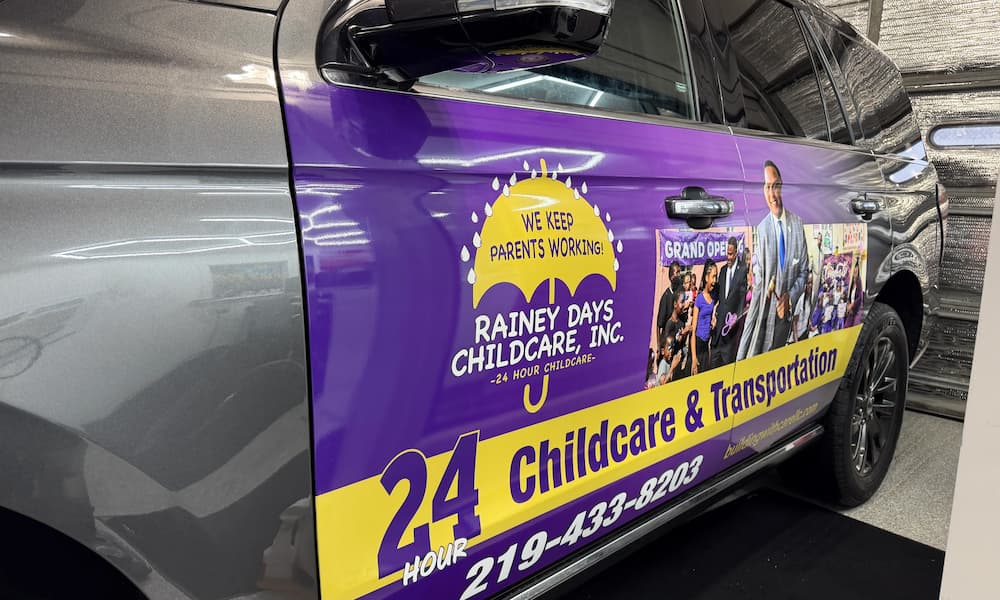
Branding Value: Why Wraps Often Deliver Higher ROI
For businesses, the value of a wrap goes beyond appearance. Unlike paint, a wrap can turn a work vehicle into a branded asset that promotes the business every time it is on the road, parked at a job site, or stopped in traffic.
Wraps Do More Than Change How a Vehicle Looks
A professional wrap can include:
- Company name
- Logo
- Phone number
- Website
- Service list
- Brand colors and graphics
That means the vehicle is not just part of operations. It also becomes part of the marketing strategy.
Why Wraps Often Deliver More Value Over Time
Compared with paint, wraps offer a stronger return because they combine multiple benefits in one investment:
- Advertising value: A wrapped vehicle keeps promoting the business without ongoing ad spend.
- Brand recognition: Repeated local exposure can help more people remember the company.
- Professional appearance: Branded vehicles can make a business look more established and consistent.
- Flexibility: If branding changes, a wrap can be updated more easily than paint.
- Paint protection: The wrap also helps protect the original finish, which adds value beyond marketing.
Why Paint Falls Short for Branding
Paint can improve appearance, but it does not offer the same marketing function. It is usually a visual upgrade, not a communication tool. Unless a business invests in custom-painted graphics, paint does not make it easy to display branding, promotions, or contact details.
Frequently Asked Questions (FAQs)
Is a vehicle wrap worth it for a small business?
Yes, in many cases it is. A vehicle wrap can help a small business build local visibility, look more established, and get more value out of vehicles already used for service calls, deliveries, or commuting. Instead of being just transportation, the vehicle also supports day-to-day brand exposure.
Can a vehicle wrap go over an older vehicle?
Sometimes, yes, but the condition of the surface matters. Wraps adhere best to smooth, stable paint, so older vehicles with peeling paint, rust, dents, or clear coat failure may not be good candidates without prep work first. A professional inspection is important before moving forward.
Do vehicle wraps fade in the sun?
They can over time, especially if the vehicle is parked outdoors for long periods, but high-quality wrap films are made to resist UV damage better than low-grade materials. Proper cleaning and storage habits can also help preserve the wrap’s color and finish for longer.
Can part of a wrap be replaced without redoing the whole vehicle?
Yes, often it can. If one section is damaged, installers can sometimes replace a single panel instead of the entire wrap, depending on the design, age of the material, and whether the color or print can still be matched closely. This can make repairs more manageable than a full redo.
Is a wrap tax-deductible for a business vehicle?
It may be. In many cases, a vehicle wrap can qualify as a business advertising or marketing expense, but tax treatment depends on how the vehicle is used and how the expense is recorded. It is best to confirm the details with a tax professional or accountant.
Are You Choosing Price or Long-Term Performance?
Choosing between a wrap and paint is about long-term value, not just upfront cost. For many businesses, wraps offer more value by protecting the original finish and turning everyday driving into consistent brand exposure.
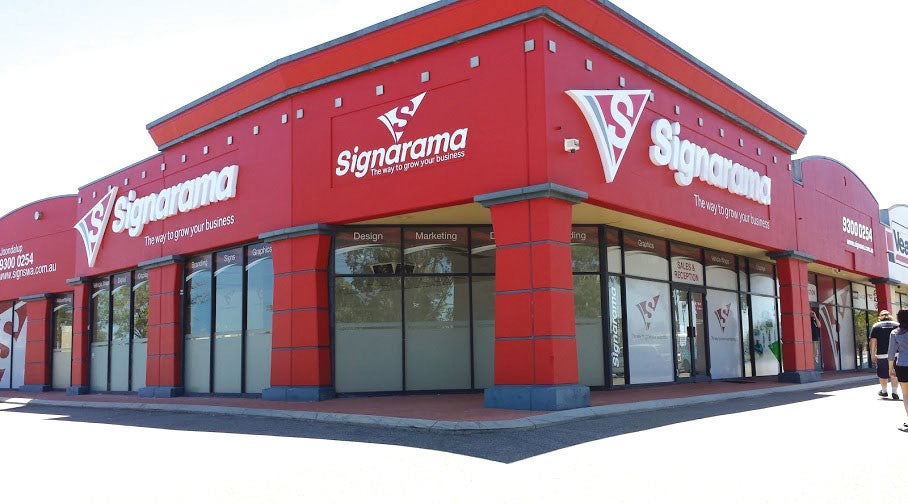
For businesses in Brookfield, CT, that want their vehicles to look professional and work harder for the brand, Signarama can help with expertly designed and professionally installed wraps built for both visibility and durability.

Signarama Danbury, CT
contact
Signarama Danbury, CT