

Types of Signs: Choosing the Right Signage for Your Business in Brookfield, CT
Sep 22, 2025 by Signarama Danbury
Item 1 of 1
For businesses in Brookfield, CT, signage plays a critical role in visibility, branding, and customer engagement. A sign is often the first impression potential customers have of a business, and its design, quality, and placement can directly influence how a brand is perceived. Effective signage communicates professionalism, attracts attention, and helps build trust within the community.
Here are the different types of signs for businesses and tips on how to choose the right one.
6 Exterior Business Sign Options
When selecting outdoor signage for your Brookfield business, it’s important to consider visibility, durability, and alignment with your brand. Below are some of the most common types of signs designed to help your business make a lasting impression.1. Dimensional Letter Signs
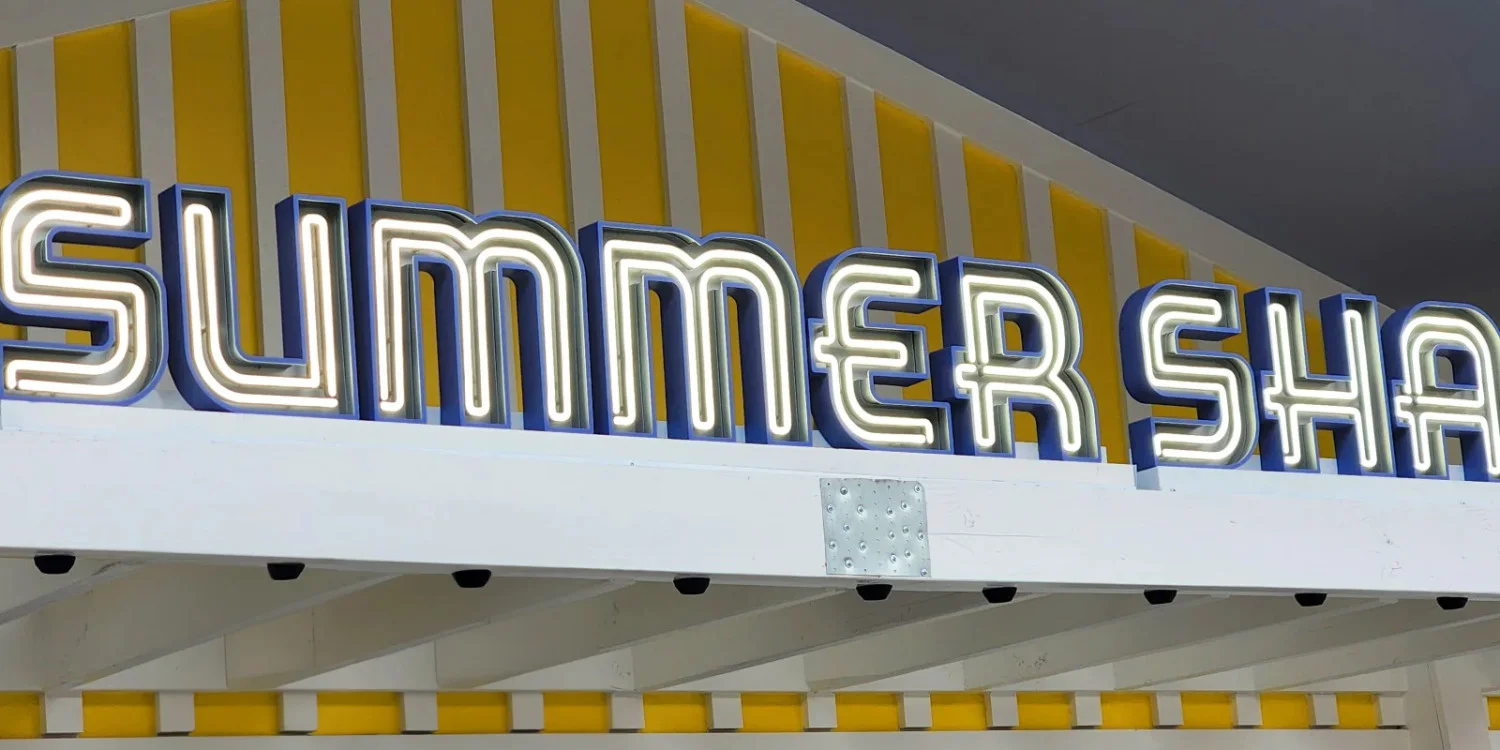
Three-dimensional appearance: These signs stand out with raised letters that add depth and sophistication. Material variety: Options include metal, acrylic, or PVC, each offering a unique look and durability. Professional impact: A law firm in Brookfield, for example, may choose brushed metal letters to reinforce credibility. Flexibility: These types of signs can be customized in size, font, and color to match your branding.2. Monument Signs
Ground-level design: Monument signs are freestanding structures placed at eye level for easy visibility. Durable construction: They are commonly built from stone, brick, or treated wood, ensuring long-term use. Brand authority: Medical practices and schools often use this option to establish permanence. Community fit: As one of the more traditional different types of signs, they blend well with Brookfield’s suburban character.3. Post and Panel Signs
Cost-effective solution: Post and panel signs are affordable yet effective for temporary or semi-permanent needs. Versatile use: They are frequently seen at construction sites, real estate developments, and new businesses awaiting permanent signage. Easy customization: Panels can be updated or replaced without changing the entire structure. Practicality: These signage types are especially useful for companies that require clear and simple communication.4. Pylon Signs
Tall and visible: Pylon signs are designed to rise above ground level, making them noticeable from busy roads. Multi-business application: Shopping centers and industrial complexes often use them to display several tenant names. Strong branding: By elevating your logo or business name, they enhance visibility for drivers. High-traffic advantage: As one of the more prominent types of signs, they are effective for reaching audiences at a distance.5. A-Frame / Sandwich Board Signs
Portable marketing tool: A-frame signs are lightweight and easy to set up or move around. Ideal for promotions: Restaurants and boutiques often use them for daily specials, sales, or announcements. Budget-friendly: They provide an economical way to advertise without a long-term investment. Adaptability: These different types of signs are perfect for seasonal updates or quick changes in messaging.6. Hanging and Projecting Signs
Pedestrian-focused: These signs extend outward from a building, making them highly visible to foot traffic. Charming aesthetic: Their classic design adds character to storefronts, particularly in historic or downtown areas. Practical placement: Businesses with narrow storefronts often benefit from this style because it draws attention from multiple directions. Brand recognition: As one of the most eye-catching signage types, they are well-suited for cafés, shops, and local service providers.5 Interior Sign Options
Interior signage helps shape customer experience once visitors step inside your business. The following options highlight practical and creative ways to make your space both functional and brand-focused.1. Lobby and Reception Signs
First impression tools: Lobby signs welcome customers and immediately set the tone for professionalism. Material choices: Dimensional letters, engraved plaques, or acrylic panels offer a polished look. Brand reinforcement: They help display your logo and company name in a way that reflects authority. Trust factor: As one of the most essential types of signs, they assure clients that they’re in the right place.2. Wayfinding and Directional Signs
Navigation support: These signs guide visitors through large offices, clinics, or educational facilities. Clear communication: Arrows, directories, and floor maps reduce confusion and improve efficiency. Accessibility compliance: ADA-compliant designs make spaces more inclusive for all visitors. Practical choice: Among the different types of signs, wayfinding signage focuses on customer convenience.3. Window and Door Graphics
Cost-effective branding: Vinyl decals allow businesses to display hours, promotions, or services clearly. Seasonal flexibility: Graphics can be swapped out for holidays, sales, or community events. High visibility: Positioned at entry points, they serve as everyday reminders of your brand. Popular application: These signage types are ideal for boutiques, salons, and small retail stores in Brookfield.4. Wall Murals and Graphics
Creative expression: Murals transform plain walls into engaging visuals that reflect company culture. Large-scale impact: They make a bold statement and enhance customer perception of your space. Industry appeal: Restaurants, gyms, and creative agencies often use them to connect with clients. Memorable branding: As one of the more artistic types of signs, murals leave a lasting impression.5. Floor Graphics
Functional design: Floor graphics help manage customer flow in crowded spaces. Branding opportunity: They can be customized with logos, slogans, or promotional imagery. Durable and safe: Made from non-slip materials, they’re practical for both safety and marketing. Flexible use: These different types of signs are effective for events, retail promotions, or wayfinding.5 Key Factors to Consider Before Choosing Your Sign
Not all signage types work the same way, and the wrong choice can waste money or fail to deliver results. Before deciding, think about how your sign will function in real-world conditions. The following factors will help guide you to a solution that’s effective, compliant, and aligned with your goals:1. Business Goals
Your business objectives should shape the kind of sign you choose. A mismatch between purpose and design can limit effectiveness. Long-term visibility: Permanent solutions like dimensional letters or monument signs are best for businesses aiming to strengthen their presence over time. Short-term promotions: A-frame boards, banners, or window decals are among the types of signs that excel for events, seasonal sales, or grand openings. Customer focus: Ask yourself—do you want to attract foot traffic, reassure clients, or direct people around your property? Each goal requires a different approach. Marketing alignment: Ensure your signage ties into your other efforts, from print ads to digital campaigns, for consistent branding.2. Location and Placement
Where you position your sign often matters as much as the design itself. A strong sign in the wrong spot won’t achieve the impact you need. High-traffic areas: Businesses along Route 7 should consider large, durable displays that remain visible from a distance. Side streets or plazas: Smaller storefronts can benefit from hanging or projecting signs that capture pedestrian attention. Outdoor durability: Exterior different types of signs should be weatherproof, easy to read, and positioned for maximum exposure. Indoor clarity: Lobby and reception signs should be strategically placed to welcome visitors, while directional signs should be positioned at decision points like hallways and elevators. Environmental fit: Look at what nearby businesses are doing and aim for signage that stands out without clashing with the area’s character.3. Material and Durability
The lifespan of your signage depends largely on the materials you choose. Connecticut’s weather makes durability a top concern. Weather resistance: Vinyl, aluminum, and treated wood are signage types that perform well against snow, rain, and humidity. Professional finishes: Indoors, acrylic and brushed metal deliver a polished look without being exposed to the elements. Ease of upkeep: Choose materials that don’t require frequent repainting or refinishing. For example, powder-coated aluminum resists rust better than painted steel. Realistic expectations: Even the most durable types of signs need maintenance, so plan for occasional cleaning and inspection.4. Local Regulations
Every town has its own rules, and Brookfield is no exception. Understanding local codes ensures your investment won’t be wasted. Size and placement rules: Brookfield’s zoning laws may restrict how large a sign can be or where it’s located. Permit requirements: Some different types of signs require official approval before installation—especially exterior ones. Avoiding penalties: Ignoring regulations can result in fines or forced removal, costing time and money. Special cases: Businesses in historic areas or residential zones may face stricter design guidelines.5. Budget and Maintenance
The cost of a sign goes beyond its purchase price. Think long-term to avoid surprises later. Upfront vs. lifetime cost: A banner may be cheap, but it might only last a season, while dimensional letters can serve your business for years. Durability as savings: Signs that resist fading, warping, or cracking help you avoid frequent replacements. Ongoing care: Factor in cleaning, repainting, or replacing parts like posts and panels. Cost-benefit balance: Certain signage types may cost more initially but provide stronger returns through longevity and consistent customer impressions.How to Design an Effective Signage for Your Business
A sign is one of the most visible and cost-effective marketing tools your business will ever invest in. The design directly affects how well customers notice, understand, and remember your brand. By focusing on readability, messaging, and placement, you can make sure your sign works hard for your business.1. Prioritize Readability
A sign that looks stylish but can’t be read quickly won’t achieve its purpose. Readability should always come first. Choose simple fonts: Clean, sans-serif fonts are easier to read at a distance compared to ornate or script lettering. Avoid squeezing too many styles into one sign. Use proper sizing: Letter height should increase with viewing distance. As a rule of thumb, every inch of letter height offers about 10 feet of legibility. Exterior types of signs along highways should have much larger lettering than indoor displays. Create hierarchy: Your business name should be the most prominent element, followed by supporting details like a tagline or hours. This guides the viewer’s eyes naturally.2. Use Color Strategically
Color has a powerful effect on how customers perceive your brand and whether your sign catches their attention. High contrast for clarity: Dark text on a light background—or vice versa—creates the strongest visibility. Low-contrast combinations like light gray on white should be avoided. Reflect your brand: Colors should match your existing logo and marketing materials so the sign becomes part of a cohesive identity. Consistency builds trust. Psychological influence: Different hues affect emotions. Red suggests urgency, blue conveys professionalism, and green often signals growth or eco-friendliness. Choosing wisely for signage types ensures the tone matches the business.3. Keep Messaging Concise
Customers often only glance at signs for a few seconds. Too much text can overwhelm and confuse. Limit your words: Stick to the essentials—business name, service, or key promotion. Less than seven words is often most effective. Action-oriented language: Short calls to action like “Call Today” or “Stop In Now” create urgency. Context matters: Among the different types of signs, promotional banners should focus on one key offer, while permanent storefront displays should highlight brand identity.4. Select the Right Materials
The quality of your materials influences both the sign’s durability and the impression it leaves on customers. Outdoor durability: Aluminum and vinyl withstand Connecticut’s snow, rain, and sun, making them reliable for exterior use. Untreated wood or low-grade plastics may deteriorate quickly. Indoor polish: Materials like acrylic or brushed metal bring a sleek, modern appearance that fits professional environments like lobbies and reception areas. Match to purpose: Some types of signs are intended to last for years, while others, like event banners, are designed for short-term use. Matching materials to intent helps control costs.5. Balance Graphics with Text
Images and logos can strengthen a design, but they should never overpower the written message. Strategic logo placement: Keep logos large enough to be recognized but not so dominant that they obscure critical text. Simple, bold graphics: One clear image often makes more impact than cluttered or overly detailed visuals. Guide the eye: Use graphics to complement the flow of text. On many signage types, visuals should direct attention toward the brand name or main call to action.6. Consider Placement Early
Designing without considering placement can lead to wasted effort and money. Visibility depends on location as much as style. Optimal height: Signs should be at eye level or slightly above for maximum visibility. For roadside displays, elevation helps reach drivers from a distance. Traffic awareness: Think about whether people will be driving past at 40 mph or walking by slowly on foot—this determines font size and level of detail. Lighting factors: Natural light, shadows, and nighttime conditions all affect how legible different types of signs will be. Testing the design in real-world conditions is essential.7. Test Before Finalizing
Even professional designs benefit from a final review before production. Distance testing: Step back as far as your intended audience would view the sign to ensure it’s still readable and clear. Neutral feedback: Ask people outside your business—friends, family, or potential customers—what they notice first and what message they take away. Fine-tune details: Small adjustments to color, spacing, or layout can greatly improve how effectively these types of signs capture attention.Frequently Asked Questions (FAQs)
What are the three main groups of signs?
The three main groups of signs are informational, directional, and identification signs. Informational signs share important details like hours or policies, directional signs guide people to specific locations, and identification signs label businesses or areas. Each category plays a role in helping customers navigate and interact with a space effectively.What are information signs?
Information signs are designed to provide clear, straightforward details to customers, employees, or visitors. They often include instructions, business hours, safety guidelines, or general announcements. These signs improve communication, reduce confusion, and ensure that people have the knowledge they need at the right time.What are the different types of commercial signage?
Commercial signage includes storefront signs, monument signs, banners, window graphics, and interior displays. Each of these different types of signs serves a unique purpose, from attracting attention outside to enhancing the customer experience inside. Businesses typically use a combination of signage to create a cohesive brand presence.What should signage include?
Effective signage should include the business name, a clear message, and design elements that reflect the brand. Depending on the purpose, it may also feature contact information, operating hours, or a call to action. The key is to keep it concise, readable, and consistent with your overall brand identity.What is the best permanent vinyl for signs?
The best permanent vinyl for signs is cast vinyl because it is durable, weather-resistant, and designed to last for years without peeling or fading. It conforms well to surfaces, making it a strong choice for both flat and curved applications. This type of vinyl is commonly used for outdoor signage where longevity is essential.Build Your Business Visibility with the Right Signage
At Signarama, we take pride in helping businesses bring their vision to life. As an award-winning, family-owned and operated sign shop in Brookfield, CT, we’ve built our reputation on creativity, craftsmanship, and customer service. Our full-service team of designers, fabricators, and installers works closely with you every step of the way. We’ll listen to your ideas, refine your concept, and create custom signs that represent your brand, advertise your products, or guide your guests. Let us show you why so many businesses in the Danbury area trust us with their projects. Contact us today!
Signarama Danbury, CT
35 Eagle Rd
Danbury Connecticut 06810
Opening Hours:
Monday
8:00 am - 4:00 pm
Tuesday
8:00 am - 4:00 pm
Wednesday
8:00 am - 4:00 pm
Thursday
8:00 am - 4:00 pm
Friday
8:00 am - 4:00 pm
contact
Signarama Danbury, CT
CLIENTS WE HAVE WORKED WITH: