
Trailer Wraps in Danbury, CT: A Contractor’s Guide
Jul 13, 2026 by Signarama Danbury
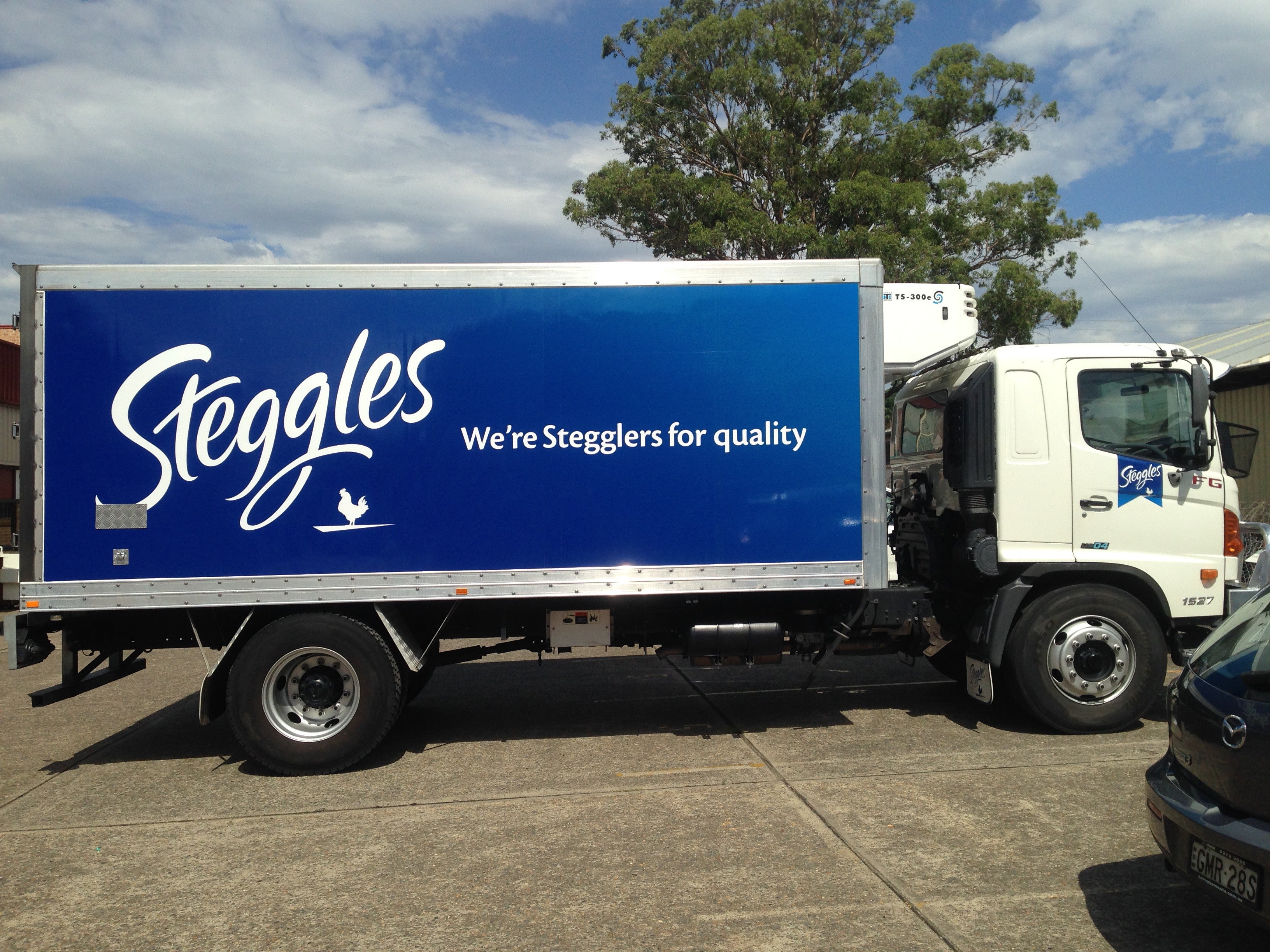
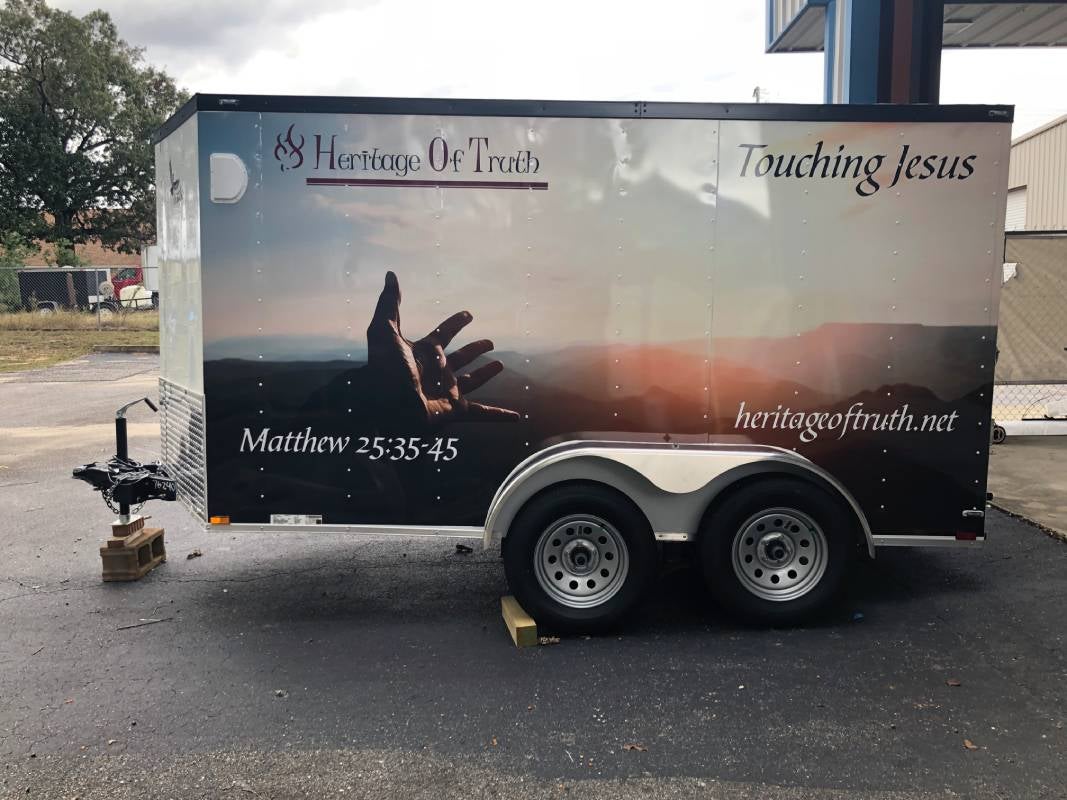
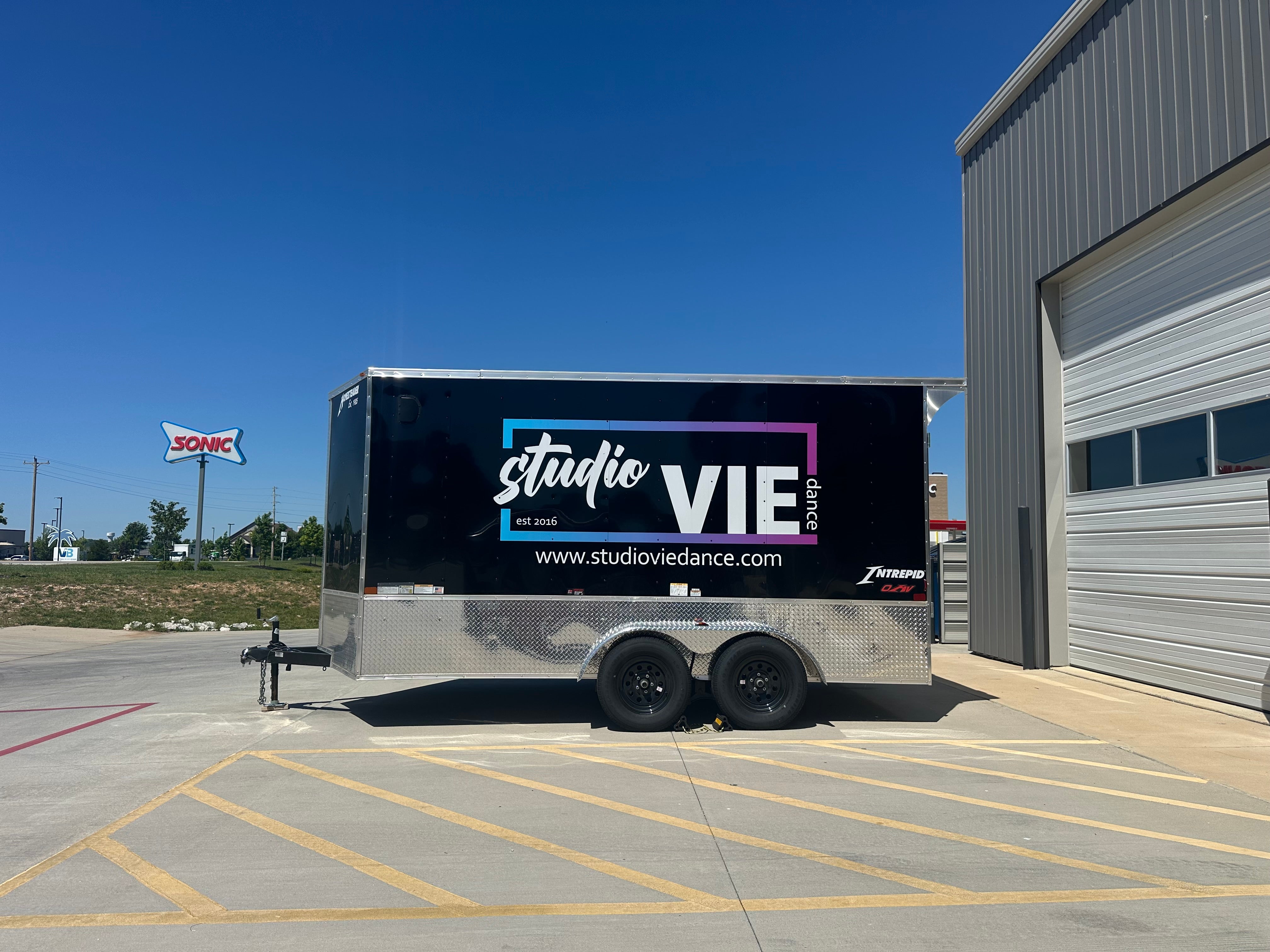
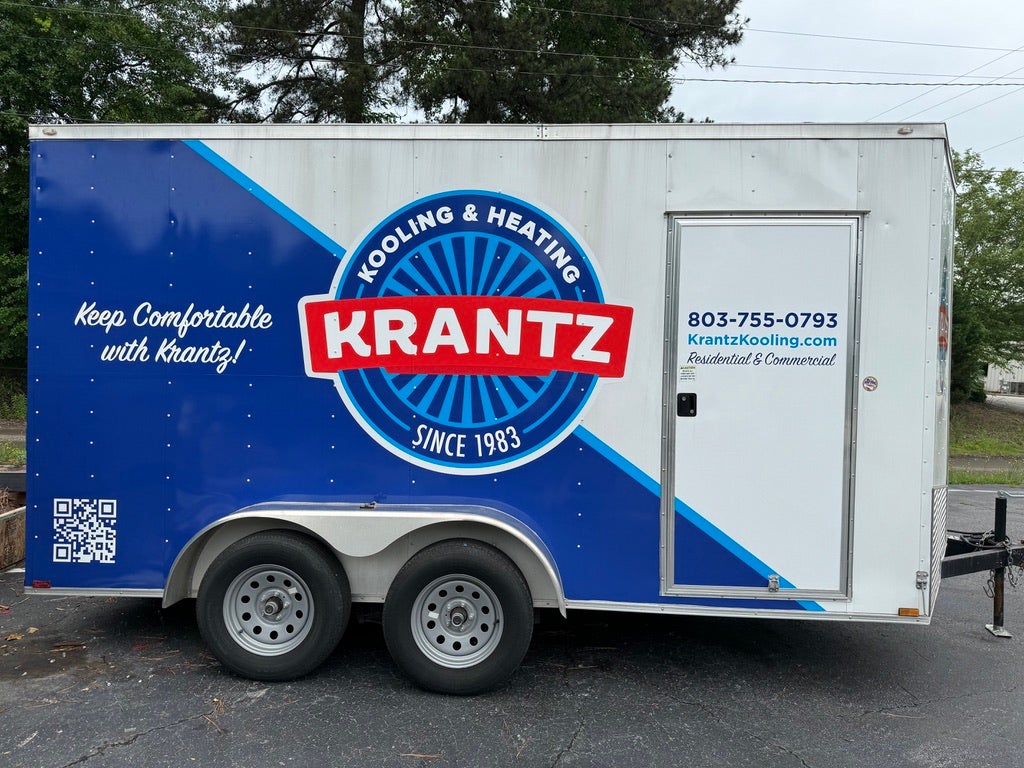
An enclosed trailer parked at a job site is one of the largest advertising surfaces a contractor owns, yet many sit blank. Professionally designed trailer wraps in Danbury turn that unused space into a mobile billboard that works every time the trailer rolls down I-84, sits outside a client's property, or parks overnight in a visible lot.
Here’s a guide to walk Danbury contractors through the main trailer graphics options, what affects cost and lifespan, and how to plan a wrap project that actually generates calls.
Why Should Contractors Wrap Their Enclosed Trailers?
A wrapped trailer earns its keep in ways a plain trailer never can, and the benefits compound the longer the trailer stays on the road.
Constant Advertising Without Recurring Cost
Unlike paid ads that stop the moment the budget does, a trailer wrap keeps working for years after a single investment. Every commute, supply run, and job site becomes an impression, whether the trailer is moving through Danbury traffic or parked on Federal Road.
Instant Credibility at the Job Site
Homeowners and property managers notice the difference between an unmarked trailer and one with a clean, branded presence. Professional graphics signal an established business, which matters when neighbors are watching your crew work and deciding who to call next.
Brand Consistency Across the Whole Fleet
Contractors rarely run trailers alone. When trailer graphics match your truck wraps in Danbury and the rest of your vehicles, every unit reinforces the same name, colors, and phone number. That repetition is what makes a local brand recognizable.
Protection for the Trailer Itself
Quality vinyl adds a sacrificial layer over the trailer's factory finish, shielding it from UV fading, light abrasion, and road grime. When the wrap eventually comes off, the surface underneath is often in better shape than an unwrapped trailer of the same age.
What Are the Main Trailer Graphics Options?
Trailer graphics are not all-or-nothing. The right format depends on budget, how the trailer is used, and how much visual coverage the brand needs.
| Graphics Type | Best Fit | Consideration |
|---|---|---|
| Full trailer wrap | Maximum impact, complete branding on all visible surfaces | Highest upfront investment, needs quality surface prep |
| Partial wrap | Strong presence at lower cost, covers key panels | Design must work with the trailer's base color |
| Vinyl lettering and decals | Budget-friendly contact info, DOT numbers, logos | Less visual impact at distance |
| Spot graphics | Logos and accents on doors or rear panels | Limited advertising reach |
A full wrap delivers the strongest billboard effect, but a well-designed partial wrap or lettering package can still put your name in front of thousands of drivers. The same logic applies across the fleet: many contractors pair trailer graphics with truck wraps in Danbury so the tow vehicle and trailer read as one moving unit.
Which Details Affect Cost, Timeline, or Results?
Trailer wrap pricing and scheduling shift based on the specifics of your trailer and your design. Expect a provider to ask detailed questions before quoting.
Surface Condition and Prep Work
Vinyl adheres to what is underneath it. Dents, rust, peeling paint, rivets, and corrugated panels all affect how the material lays and how long it lasts. Surface prep is where cheap wrap jobs fail first, and correcting a failed wrap costs more than prepping properly the first time.
Trailer Size and Coverage Area
Square footage drives material and labor. A 6x12 enclosed trailer is a different project than a 24-foot gooseneck, and full coverage costs more than a partial wrap or lettering package on the same unit.
Design Complexity and File Quality
Clean, high-resolution logo files speed up production. Recreating artwork from a business card photo or low-quality file adds design time before printing can even start.
Material Grade and Laminate
Cast vinyl with a protective laminate costs more upfront than economy calendared film but resists fading, cracking, and shrinking far better through Connecticut winters and summer sun. For a trailer expected to work for five or more years, material grade is not the place to economize.
Readability at Road Speed
A design that looks great up close can fail at 55 mph. Contrast, letter height, and message simplicity determine whether drivers can absorb your name and number in the few seconds they have. Overloaded designs get ignored.
How Can You Plan a Trailer Wrap Project Step by Step?
A clear sequence keeps the project on schedule and prevents expensive mid-production changes.
Step 1: Define What the Trailer Needs to Say
Start with the message, not the design. Business name, trade, phone number, website, and service area are the essentials. Everything else competes for attention, so decide what a driver must remember after a three-second glance.
Step 2: Gather Logo Files and Brand Assets
Collect vector logo files, brand colors, and any existing graphics from your truck wraps in Danbury or storefront signage. Consistent assets keep the whole fleet matching and cut design time significantly.
Step 3: Choose Coverage Level and Materials
Decide between a full wrap, partial wrap, or lettering based on budget and visibility goals, then match the material grade to how long the trailer will stay in service.
Step 4: Approve a Scaled Proof Before Printing
Review the design mocked up on your actual trailer dimensions, checking spelling, phone numbers, colors, and how graphics interact with doors, fenders, and hardware. Changes after printing are expensive; changes at the proof stage are free.
Step 5: Schedule Installation and Prep the Trailer
Bring the trailer in washed and free of heavy grime. Professional installation in a controlled environment ensures the vinyl cures properly and edges seal correctly, which directly affects how long the wrap survives New England weather.
When Is the Best Time to Schedule Trailer Wraps in Danbury?
Timing a trailer wrap well can save money, reduce downtime, and get the graphics on the road before the busy season starts. The best window depends on how the trailer is used, when it can afford to sit still, and how far ahead the design work begins.
During Winter Downtime
For most contractors, winter is when trailers earn the least, which makes it the ideal window for a wrap project. Handing over the trailer during a slow stretch means no lost job site time, and the graphics are ready the moment spring work picks up.
Before the Spring Rush Fills the Schedule
Spring is when every contractor wants graphics at once, and installation calendars fill quickly. Booking ahead of that surge secures a preferred slot and avoids waiting behind a backlog right when visibility matters most.
As Soon as a Rebrand or New Trailer Arrives
A new trailer or an updated logo is a natural trigger. Wrapping early in the trailer's life protects the factory finish from day one and keeps the fleet consistent before old branding lingers on the road.
When the Current Graphics Start Showing Age
Fading, peeling edges, or outdated contact information all signal it is time to plan a refresh. Scheduling before the material fully degrades keeps removal simpler and the trailer looking professional in the meantime.
Several Weeks Ahead of When You Need It Rolling
Design, proofing, printing, and installation each take time, so a wrap should not be treated as a same-week purchase. Building lead time into the plan leaves room for revisions and surface prep without rushing the parts that determine how long the wrap lasts.
What Mistakes Should Contractors Avoid With Trailer Graphics?
Most wrap regrets trace back to decisions made before installation day.
Cramming Too Much Information Into the Design
A trailer is read at distance and at speed. Listing every service, certification, and social handle turns a billboard into a brochure nobody can read. Name, trade, and one contact method do the heavy lifting.
Choosing the Cheapest Material to Save Upfront
Economy vinyl fades, cracks, and peels years earlier than cast film, especially on a trailer that lives outside through freeze-thaw winters. Replacing a failed wrap costs more than buying quality once.
Skipping Surface Repairs Before Wrapping
Vinyl does not hide damage; it outlines it. Rust spots and peeling paint will lift the film prematurely, so handle repairs before installation, not after.
Wrapping the Trailer but Ignoring the Tow Vehicle
A branded trailer behind an unmarked truck sends a mixed message. Even a modest vinyl lettering package or car wrap in Danbury, CT for a company vehicle keeps the fleet looking unified when units travel separately.
Forgetting Aftercare Expectations
Hand washing, avoiding high-pressure spray at panel edges, and periodic inspections extend wrap life considerably., avoiding high-pressure spray at panel edges, and periodic inspections extend wrap life considerably. Get care instructions in writing at handoff.
Frequently Asked Questions
How long do trailer wraps last?
With quality cast vinyl, professional installation, and reasonable care, trailer graphics commonly last five to seven years outdoors. Sun exposure, storage conditions, and washing habits all influence actual lifespan.
Can a wrap be installed on an older trailer?
Usually yes, if the surface is sound. Oxidized paint, rust, and prior adhesive residue need correction first. An installer should inspect the trailer before quoting rather than assuming a clean surface.
Do trailer graphics work on corrugated or riveted panels?
Yes, though textured surfaces require more installation skill and sometimes different materials. This is one of the strongest reasons to choose an experienced installer over a general print shop.
Can the design match my other vehicles?
Absolutely, and it should. Providers that handle vehicle wraps in Danbury, CT, across trailers, trucks, vans, and cars can carry one design system through the entire fleet, from a full trailer wrap down to a single car wrap in Danbury, CT for an estimator's vehicle.
Can a trailer wrap be removed without damaging the trailer?
Yes, when the wrap was installed on a sound surface with quality vinyl. Professional removal uses heat and proper technique to lift the film cleanly, and the paint underneath often looks better than the exposed panels around it. Wraps left far past their service life can become brittle and slower to remove, which is another reason to plan a refresh before the material fully degrades.
Put Your Trailer to Work for Your Business
Every day an enclosed trailer travels western Connecticut unbranded is a day of free advertising left on the table. The right graphics turn that trailer into a credibility builder at every job site and a billboard on every road in between.
Signarama Danbury has designed, printed, and installed Vehicle wraps in Danbury, CT for over 20 years as a certified wrap installer, handling everything in-house from design through installation.
Whether you need a full trailer wrap, fleet graphics, truck wraps, or a car wrap in Danbury, CT to round out the fleet, you get one team, one design system, and tradeoffs explained before production begins.


Signarama Danbury, CT
Contact
Signarama Danbury, CT








Contact Us
Contact the team at Signarama Danbury, CT
203-792-4091Signarama Danbury, CT35 Eagle Rd Danbury Connecticut 06810
Certified Wrap Installer
Follow Us
Select your country:
About Signarama
With the latest technologies and a wide range of available materials, there really is no end of choice and quality in the manufacturing of Signarama Signage. Images and logos belong to their owners and do not imply Signarama’s endorsement—shown only as examples of our work. Visit our corporate section to see more about: