



Strengthen Your Brand Identity with These Effective Business Signs in Brookfield, CT
Dec 26, 2024 by Brookfield, CT
Item 1 of 1
In Brookfield, CT, establishing a distinctive brand identity is essential for local businesses. One powerful tool for achieving this is through business signage. Business signs convey your brand's personality, values, and message, making them crucial for enhancing visibility and recognition. Whether you're a cozy coffee shop or a tech startup, effective signage can significantly impact your brand's presence. Here, we will explore how Brookfield businesses can leverage various types of signs to reinforce their brand identity.
What is Brand Identity?
Brand identity is the composite of various elements that collectively create a distinct image for your business. Each of these components plays a vital role in shaping how customers perceive your business. A well-crafted brand identity is consistently presented across all mediums, ensuring a cohesive and recognizable presence from your website to your storefront.
What are the Elements of Brand Identity?
Brand identity is composed of several key elements that work together to create a unique and memorable image for your business. Understanding and effectively utilizing these components are essential for building a cohesive and impactful brand identity.
Logo
Your logo serves as the visual symbol and the most immediate representation of your brand. It is often the first thing people notice about your business and can leave a lasting impression.
Colors
Colors reflect your brand's personality and evoke specific emotions. The right color palette can communicate the essence of your brand and influence customer perceptions and behaviors.
Typography
Typography involves the style and arrangement of text, contributing to the overall aesthetic of your brand. The choice of fonts and their usage can significantly impact the readability and visual appeal of your communications.
Tone and Imagery
Tone and imagery encompass the voice and visual content that communicate your brand's values and mission. The way you present your messages and the images you use can build a strong connection with your audience.
How Do Business Signs Impact Brand Identity?
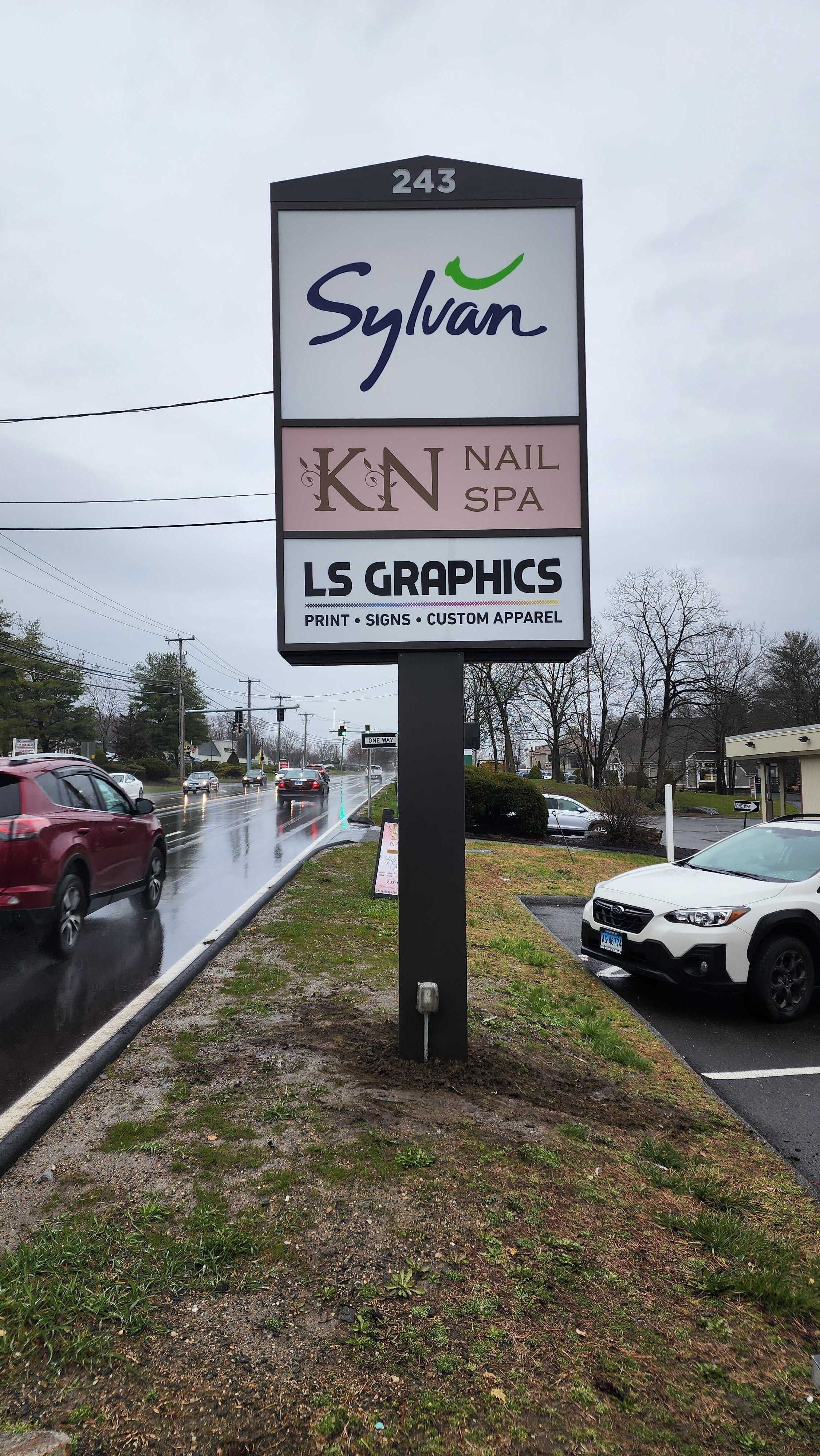
Business signs are a tangible representation of your brand identity. A well-designed sign can attract new customers, reinforce brand loyalty, and differentiate your business from competitors.
Attracts New Customers
A well-designed sign can catch the eye of potential customers and draw them into your business. It serves as a powerful marketing tool, especially in high-traffic areas.
Reinforces Brand Loyalty
Consistent and visually appealing signage reinforces your brand identity, helping to build and maintain customer loyalty. Familiarity with your brand can create a sense of trust and reliability.
Differentiates from Competitors
Effective signage can set your business apart from competitors. Unique and creative signs make your business more memorable, giving you a competitive edge in the market.
Provides Psychological Impact
The psychological impact of signage cannot be underestimated. The right sign can create a sense of trust and familiarity, encouraging potential customers to engage with your brand. It can also convey professionalism and quality, enhancing your overall brand image.
What are the Different Types of Business Signs and Their Uses?
Business signs
play a crucial role in establishing and reinforcing your brand's presence in Brookfield, CT. They come in various types, each serving unique purposes and catering to different needs. Understanding these types and their uses can help you effectively communicate your brand message and attract customers.
1. Exterior Signs
Exterior signs are vital for capturing the attention of potential customers from afar and making a memorable first impression. They not only attract foot traffic but also contribute significantly to brand perception. The design, materials, and placement of these signs should be carefully planned to ensure they align with the brand's image and are easily visible to passersby.
Storefront Signs
Storefront signs are typically placed above or near the entrance of your business. They prominently display the business name and logo, making them essential for brand recognition and visibility. Storefront signs can vary in design, including channel letters, awnings, and flat-panel signs, depending on the business's style and brand identity.
Monument Signs
Monument signs are freestanding structures often situated at the entrance of a property or along a roadway. They provide a grand and professional introduction to your business, making them ideal for companies located in business parks or near highways. Monument signs can be made from materials like stone, brick, or metal, and can include lighting for nighttime visibility.
Building Signs
Building signs are large-scale installations mounted on the exterior of a building. They can be illuminated or non-illuminated and are often visible from a considerable distance. These signs are crucial for businesses located in multi-story buildings or complexes, helping to identify the business and its location.
2. Interior Signs
Interior signs play a crucial role in enhancing the customer experience within your business premises. They help guide, inform, and create a welcoming environment, all while reinforcing your brand identity. Interior signs not only serve practical purposes but also enhance the overall ambiance and professionalism of your business environment.
Lobby Signs
Lobby signs are often the first interior signs that visitors see. They are typically placed behind the reception area and serve to welcome guests while establishing a professional and branded environment. These signs often feature the company's logo and name, designed in materials such as metal, acrylic, or glass, to reflect the brand's style.
Directional Signs
Directional signs, also known as wayfinding signs, are essential for guiding customers around your space. They help visitors find different areas within your business, such as restrooms, exits, or specific departments. Clear and concise directional signs improve customer experience by making navigation easier and more intuitive.
Promotional Signs
Promotional signs are used to advertise special offers, new products, or upcoming events. These signs are typically placed in high-traffic areas within the business to attract the attention of customers. Promotional signs can be temporary or permanent and are often designed to be eye-catching and aligned with the business’s promotional branding.
3. Temporary and Event Signs
Temporary and event signs are perfect for short-term needs, such as promotions, sales, or special events. They are versatile and cost-effective solutions that can be easily updated or replaced as needed. They can be strategically placed and designed to complement your permanent signage.
Banners
Banners are one of the most versatile types of temporary signage. They can be used indoors or outdoors and are ideal for announcing sales, promotions, or special events. Banners can be made from various materials, including vinyl and fabric, and can be printed in vibrant colors to grab attention.
Pop-up Displays
Pop-up displays are portable and easy-to-assemble signs commonly used at trade shows, exhibitions, or events. They are compact and can be set up quickly, making them ideal for businesses that frequently participate in events. Pop-up displays can feature detailed graphics and messages, helping to showcase products or services effectively.
Event-specific Signage
Event-specific signage includes customized signs designed for particular events or occasions. These signs can be used to guide attendees, promote event sponsors, or highlight specific activities. They enhance the overall atmosphere of the event and help in creating memorable experiences for attendees.
How to Design Business Signs That Reinforces Your Brand Identity
Designing business signs that effectively reinforce your brand identity is a crucial step in establishing a strong presence in Brookfield, CT. Here are actionable steps to create business signs that not only stand out but also align perfectly with your brand identity.
1. Understand Your Brand Identity
To create business signs that accurately represent your brand, start by defining the core elements of your brand identity. These include your logo, color scheme, typography, and overall visual style. For example, if your brand is known for its vibrant and energetic style, your signs should incorporate bold colors and dynamic designs.
Align with Your Brand Message
Every aspect of your business signs, from the choice of materials to the design details, should align with your brand message. Consider what you want your signs to convey about your business. Are you aiming for a sophisticated and professional look, or something more playful and approachable? Your business signs should communicate this message clearly and instantly to anyone who sees them.
2. Choose the Right Colors
The colors you choose for your business signs play a significant role in how they are perceived. Different colors evoke different emotions and associations. For instance, blue often represents trust and professionalism, while red can signify energy and urgency. Select colors that not only match your brand's color palette but also resonate with the emotions and values you want to convey.
Ensure Color Consistency
Consistency is key in branding. Ensure that the colors used in your business signs are consistent with those used in your other branding materials, such as your website, business cards, and marketing materials. This helps to reinforce brand recognition and ensures that your brand is easily identifiable across different mediums.
3. Select Appropriate Typography
When choosing fonts for your business signs, prioritize readability. The text should be clear and legible from a distance, especially for exterior signs. Avoid overly ornate or intricate fonts that may be difficult to read. Instead, opt for clean, simple fonts that align with your brand’s style and are easy to understand at a glance.
Reflect Your Brand’s Personality
Typography is more than just a design choice; it’s a representation of your brand’s personality. Choose fonts that reflect the character of your business. For example, a law firm might use classic, serif fonts to convey professionalism, while a creative agency might opt for more modern, sans-serif fonts to express innovation and creativity.
4. Incorporate Your Logo Effectively
Your logo is a key element of your brand identity and should be prominently featured on your business signs. It helps in instant brand recognition and establishes a visual link between your physical location and your overall brand presence. Position your logo in a way that it is easily visible and not overshadowed by other elements on the sign.
Adapt Your Logo for Different Sign Types
Different types of business signs may require different logo adaptations. Ensure that your logo maintains its integrity and recognizability across various sign formats, whether it’s a large exterior sign, a smaller interior sign, or digital signage. Consider creating different versions of your logo that are optimized for various sizes and mediums.
5. Use High-Quality Materials
The materials you choose for your business signs can impact their durability and appearance. For outdoor signs, opt for materials that can withstand weather conditions, such as metal, acrylic, or weather-resistant wood. For indoor signs, you can consider more delicate materials that offer a premium look, such as glass or polished metals.
Match Materials with Your Brand Image
The choice of materials should also align with your brand image. For instance, a high-tech company might use sleek, modern materials like stainless steel or glass, while a handmade crafts store might opt for natural materials like wood. The material should reflect the essence of your brand and complement the overall design of the sign.
6. Incorporate Lighting and Visual Effects
Lighting can play a crucial role in the effectiveness of your business signs, especially for exterior signage. Consider incorporating LED lighting to ensure your signs are visible at night and in low-light conditions. Backlit signs or halo-lit logos can create a striking visual effect that draws attention and enhances readability.
Use Visual Effects to Attract Attention
Visual effects such as embossing, engraving, or 3D elements can add depth and interest to your business signs. These effects can make your signs more eye-catching and memorable, helping your business stand out in a crowded market. However, use these elements sparingly to avoid cluttering the design and detracting from the main message.
7. Plan for Placement and Size
The placement of your business signs is just as important as the design. Consider where your signs will be most visible to your target audience. For exterior signs, position them where they can be easily seen by pedestrians and drivers. For interior signs, place them in strategic locations where they can guide and inform customers.
Choose the Right Size
The size of your business signs should be appropriate for the viewing distance and the surrounding environment. A sign that is too small may not be visible or legible, while a sign that is too large may overwhelm the space. Ensure that the size is proportionate to the location and complements the overall aesthetics.
8. Test and Evaluate Your Design
Before finalizing your business signs, gather feedback from a sample of your target audience or from trusted associates. They can provide valuable insights into the effectiveness of the design and whether it accurately represents your brand. Consider conducting surveys or focus groups to gauge reactions and identify any areas for improvement.
Assess Sign Performance
Once your business signs are installed, continuously assess their performance. Monitor how well they attract and engage customers, and consider any feedback you receive from customers or employees. If necessary, make adjustments to the design, placement, or materials to improve their effectiveness.
How to Choose the Right Signage Partner
Choosing the right signage partner is crucial for ensuring that your business signs effectively communicate your brand's identity and message. A reputable signage company can guide you through the entire process, from design to installation. Here are actionable steps to consider when selecting a signage partner:
1. Evaluate Experience and Reputation
Start by evaluating the experience and reputation of potential signage companies. Look for those with a strong portfolio showcasing a range of projects across different industries. This demonstrates their capability to handle various types of business signs. Check for positive reviews and testimonials from previous clients to gauge customer satisfaction and the company’s reliability. An experienced signage partner is more likely to provide expert guidance and deliver superior results.
2. Assess the Range of Services Offered
Ensure the signage partner offers a comprehensive range of services, including design, material selection, fabrication, and installation. This full-service approach ensures consistency and quality throughout the project. Additionally, check if they offer maintenance and repair services, which can be crucial for the longevity of your business signs. A company that handles every aspect of the signage process can provide a seamless experience and reduce the risk of miscommunication or errors.
3. Demand Customization and Innovation
Choose a signage company that can create custom signs tailored to your specific needs. Ensure they are willing and able to customize designs, materials, and lighting options to reflect your unique brand identity. Moreover, look for a company that stays current with the latest trends and technologies in signage, such as digital or interactive signs.
4. Prioritize Customer Service and Communication
Good customer service and clear communication are essential in any business partnership. Make sure the signage company is responsive and willing to work closely with you to understand your vision and requirements. They should provide regular updates throughout the project, keeping you informed from the initial concept phase to the final installation. Effective communication helps prevent misunderstandings and ensures that the final product meets your expectations.
5. Ensure Compliance and Quality Assurance
Verify that the signage company adheres to all local regulations and industry standards, particularly regarding safety and environmental considerations. Compliance is crucial for avoiding legal issues and ensuring the durability of your business signs. Also, ask about their quality assurance processes to ensure the highest standards of workmanship and materials. A company committed to quality assurance will deliver signs that are long-lasting.
6. Consider Cost and Budget Carefully
While cost is an important factor, it should not be the only consideration when choosing a signage partner. Request detailed quotes from several companies and ensure all aspects of the project are covered, including design, materials, and installation. Be cautious of significantly low prices, as they may indicate compromises in quality. Instead, focus on finding a company that offers a good balance between cost and quality to ensure that your investment provides long-term value.
Frequently Asked Questions
What role does location play in the effectiveness of business signs?
The location of your business signs is vital for maximizing visibility and attracting your target audience. Placing signs in high-traffic areas, such as busy streets or prominent building facades, ensures that they reach the widest possible audience. Strategic placement can significantly enhance foot traffic and lead generation.
How can business signs create an emotional connection with customers?
Business signs that are thoughtfully designed and personalized can foster an emotional connection with customers. Signs that resonate with customers' values or aesthetics can evoke positive emotions. This can help build loyalty and a sense of belonging towards your brand. This connection is crucial in a competitive market, where customers seek brands that align with their preferences and values.
How can businesses ensure their signs remain effective over time?
Regular maintenance and updates are essential to keep business signs effective. This includes cleaning, repairing any damage, and updating the design to reflect changes in branding or promotional content. Keeping your signage fresh and relevant helps in maintaining a positive brand image and continues to attract customers.
Choose Signarama for Business Signs That Capture Attention!
If you're looking to elevate your brand's presence with eye-catching and professional business signs, Signarama is your go-to partner in Brookfield, CT. Our expert team specializes in creating custom signs that perfectly reflect your brand identity. Whether you need sophisticated storefront signs or impactful event banners, Signarama offers a full suite of services from design to installation.
Let us help you make a lasting impression and stand out in the crowded market. Contact us today to start crafting the perfect signs that speak for your brand.


Signarama Danbury, CT
35 Eagle Rd
DanburyConnecticut06810
Opening Hours:
Monday
8:00 am - 4:00 pm
Tuesday
8:00 am - 4:00 pm
Wednesday
8:00 am - 4:00 pm
Thursday
8:00 am - 4:00 pm
Friday
8:00 am - 4:00 pm
Contact
Signarama Danbury, CT
CLIENTS WE HAVE WORKED WITH:







Contact Us
Contact the team at Signarama Danbury, CT
203-792-4091Signarama Danbury, CT35 Eagle Rd Danbury Connecticut 06810
Avery
Certified Wrap Installer
Certified Wrap Installer
Follow Us
Select your country:
About Signarama
With the latest technologies and a wide range of available materials, there really is no end of choice and quality in the manufacturing of Signarama Signage. Images and logos belong to their owners and do not imply Signarama’s endorsement—shown only as examples of our work. Visit our corporate section to see more about:
Own a Signarama franchise
Join our winning team and own your future with Signarama - the largest sign franchise in the industry.
Copyright Signarama. All Rights Reserved. Powered by Gorilla Dash.