

Opening Another Location? How to Standardize Business Signs Across Multiple Danbury Locations
Nov 2, 2026 by Signarama Danbury
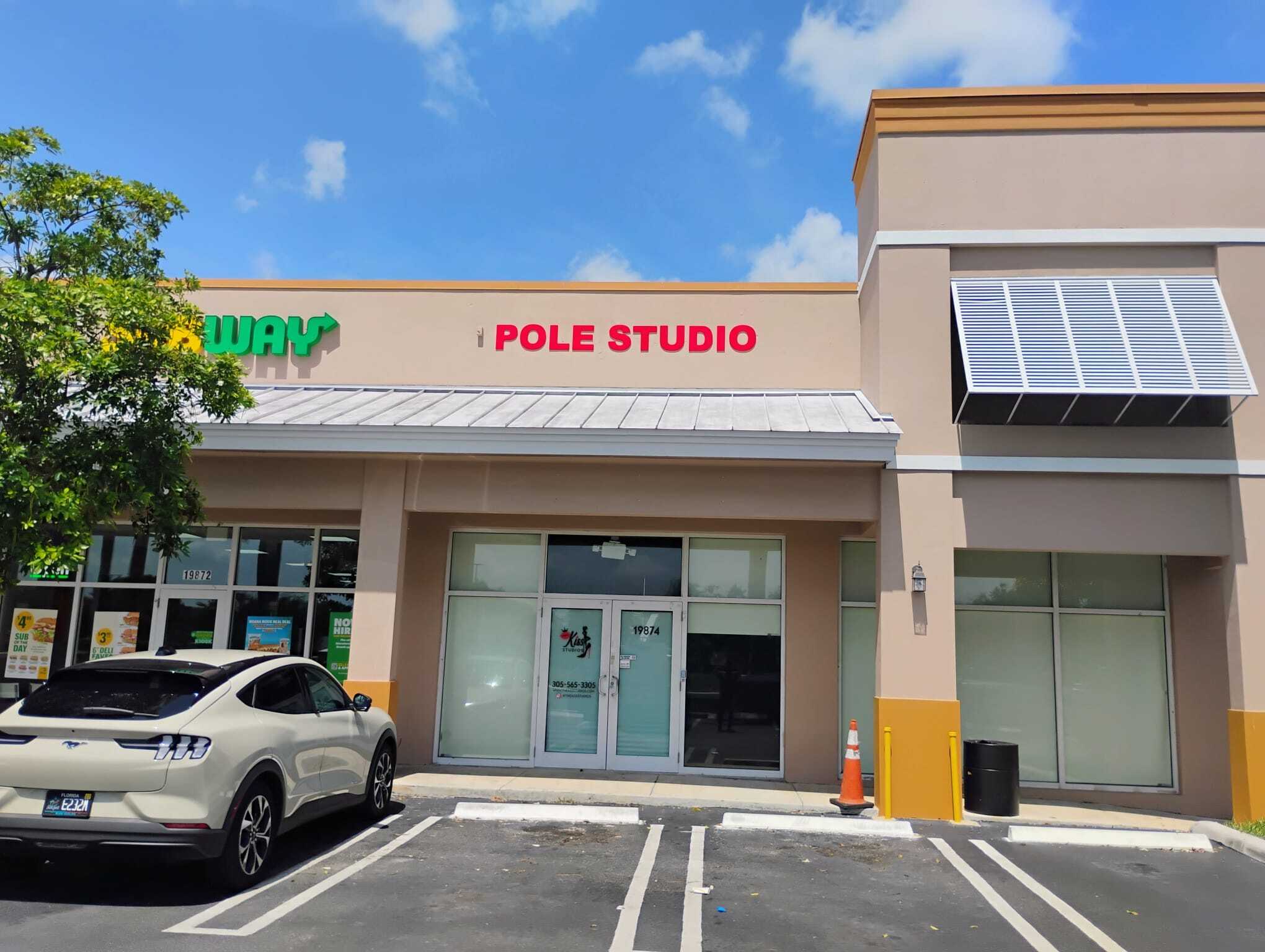
Opening a second, third, or fifth location changes how a company should think about signage. A single storefront can be handled as an individual project. A growing business needs a repeatable system that protects brand recognition while still working with different buildings, lease requirements, sightlines, and sign allowances.
For companies expanding in Danbury, CT, the goal is not to make every sign physically identical. The goal is to make every location unmistakably part of the same brand. That means defining which visual elements remain fixed, documenting which specifications can adapt, and creating a process that keeps new business signs consistent as the company grows.
Why Multi-Location Signage Needs a System
Sign consistency becomes harder as the number of locations increases. One building may have a wide fascia with strong road visibility. Another may be in a multi-tenant plaza with a narrow sign band. A third may depend more heavily on window graphics, directional signs, or interior identification.
If every location solves those conditions independently, small differences can accumulate in logo proportions, colors, spacing, materials, and message hierarchy. The result may be signs that share a logo but no longer feel like one coordinated brand.
A signage system prevents that problem by separating brand standards from site-specific execution. Brand standards establish the visual rules that should stay recognizable everywhere. Site-specific planning determines how those rules fit the architecture, zoning requirements, landlord criteria, viewing distance, and available sign area at a particular Danbury property.
What Should Stay Consistent Across Business Signs?
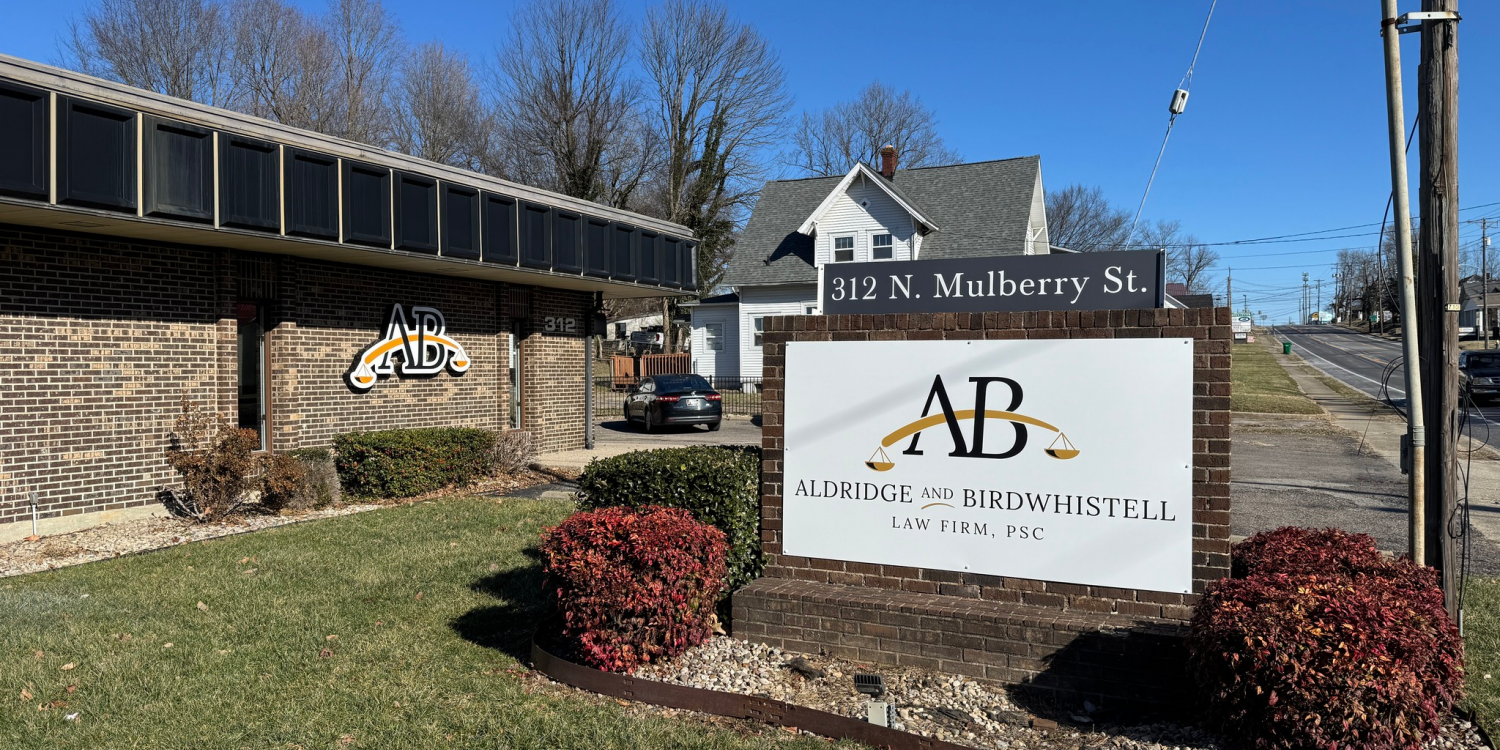
Not every specification needs to remain identical, but the brand-defining elements should change as little as possible.
Logo Artwork and Proportions
Use one approved master logo file and protect its original proportions. Avoid stretching, compressing, redrawing, or selectively rearranging logo elements simply to fill a sign panel.
If the brand has approved horizontal, stacked, or icon-only logo variations, document when each version may be used. This gives designers flexibility without creating unofficial versions from location to location.
Brand Colors
Define approved colors using the brand standards already used across the company. Sign materials, printing methods, surface finishes, and lighting conditions can affect how a color appears, so the signage specification should focus on controlled color references rather than informal descriptions such as “dark blue” or “bright red.”
Typography
Specify the approved typefaces, weights, capitalization rules, and acceptable alternatives when a fabrication method requires adjustment. Typography often drifts when local teams substitute fonts that look close but change the character of the brand.
Message Hierarchy
A repeatable signage system should define what viewers notice first, second, and third. In most exterior applications, the business name or primary logo should remain dominant. Secondary descriptors, URLs, phone numbers, or service lines should not compete with the main identity.
What Can Adapt From One Danbury Location to Another?
Standardization does not mean forcing one sign format onto every building. Some specifications should adapt because physical conditions differ.
Overall Sign Dimensions
The available sign area may change with storefront width, façade proportions, tenant criteria, setback, and local requirements. Preserve approved proportions instead of scaling components independently.
Mounting and Placement
A wall sign at one location may sit above the main entrance, while another site may require a different placement because of architectural features or landlord rules. Freestanding identification may also depend on the property layout and existing tenant signage.
Placement should respond to the actual building while preserving clear visual hierarchy and brand recognition. For freestanding identification, pylon sign height in Danbury, CT, is worth checking early.
Materials and Construction Details
Materials can vary when substrates, exposure, architecture, or mounting conditions differ. The visual result should still follow the approved logo, color, typography, and relationships among brand elements.
Supporting Sign Types
Not every location needs the same mix of signs. One site may require more wayfinding. Another may rely on window graphics, door identification, wall graphics, directories, or interior signs.
The business should standardize how these supporting elements look and relate to one another, then deploy only the sign types that the location actually needs. The same logic applies to seasonal vs. permanent fleet graphics on company vehicles.
How to Build a Multi-Location Signage System
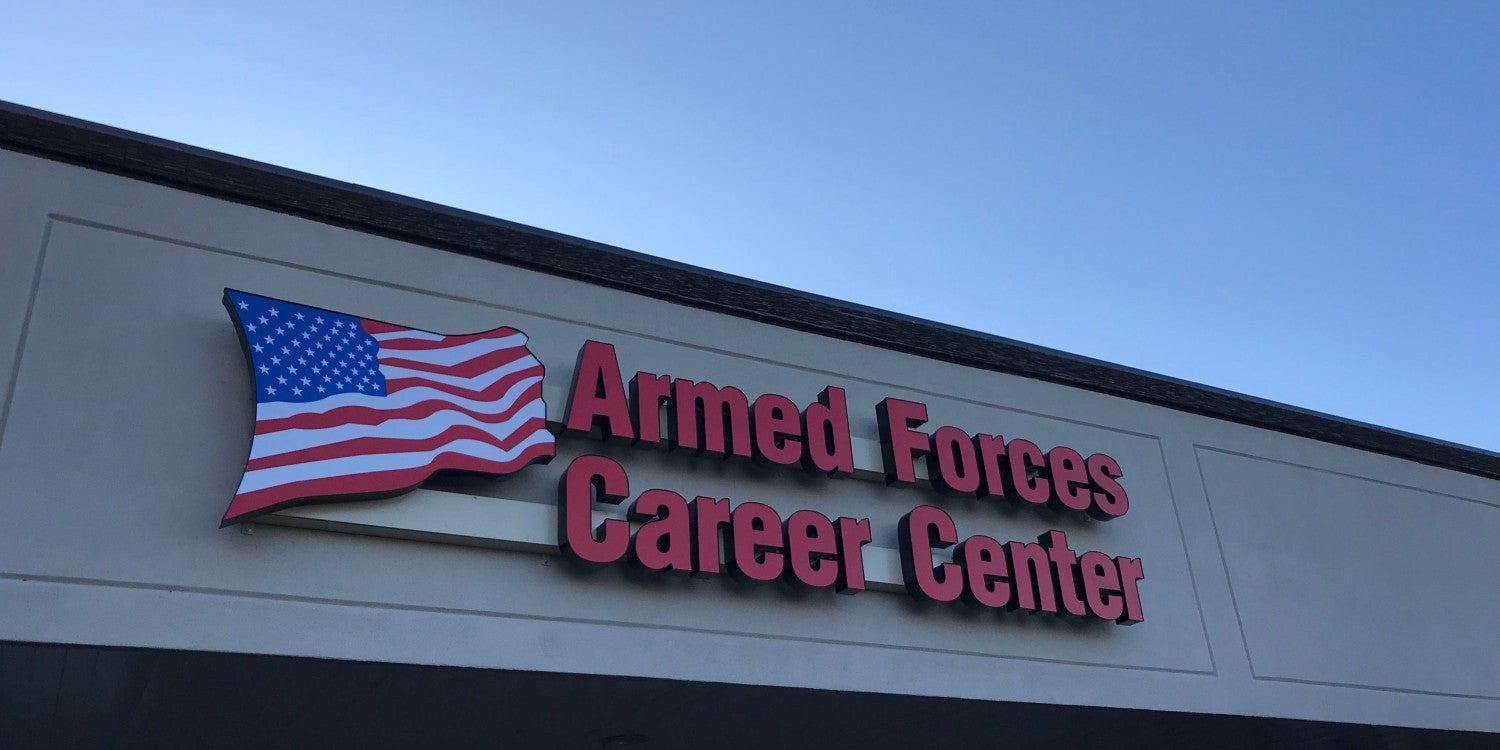
A useful multi-location signage program should be specific enough to prevent inconsistency but flexible enough to work in real properties.
Step 1: Audit Existing Locations
Start by photographing and cataloging current exterior signs, indoor signs, window graphics, directional signs, directories, decals, and other recurring visual elements.
Look for inconsistencies in logo versions, colors, fonts, margins, message hierarchy, materials, and placement. The audit should identify which existing signs represent the standard you want to repeat and which variations should not carry forward.
Step 2: Define the Non-Negotiable Brand Standards
Create a short list of fixed visual rules. This normally includes approved logo files, color references, typefaces, clear-space requirements, capitalization, and the relative importance of primary and secondary messages.
Avoid overloading the standards with unnecessary fabrication rules. Focus first on the elements that customers use to recognize the brand.
Step 3: Create Approved Sign Families
Organize recurring needs into sign families, such as primary building identification, storefront signs, window graphics, entrance signs, interior room signs, directional signs, directories, and branded wall graphics.
For each family, document the visual hierarchy and approved variations. Small, medium, and large layout options can reduce unnecessary redesign from site to site.
Step 4: Document Flexible Variables
List the conditions that may legitimately change. These can include overall dimensions, mounting method, sign proportions, panel configuration, substrate selection, placement, and the quantity of supporting signs.
This distinction is important. Teams should know which changes are expected as site-specific adaptations and which changes require brand approval.
Step 5: Survey Each New Location Before Finalizing Artwork
A signage standard should never replace a site review. Document the storefront dimensions, available mounting surfaces, approach directions, viewing distance, nearby obstructions, tenant signage conditions, entrances, interior circulation, and other factors that affect visibility.
Step 6: Review Danbury Permit Requirements Early
Danbury’s current Zoning Regulations require a sign-permit application to include information about the proposed sign, including a scaled drawing with dimensions, colors, materials, letters, logos, symbols, and other graphics. The regulations also call for drawings or a site plan showing placement and related details.
Because required documentation is tied to the property and sign type, treat permitting as a site-level step rather than assuming one approved design works everywhere.
Step 7: Create an Approval and File-Control Process
Store current logo files, sign standards, approved layouts, and site-specific artwork in one controlled location. Retire outdated files clearly so they are not reused accidentally.
For larger organizations, define who can approve deviations. This keeps necessary site adaptations from turning into permanent brand changes without review.
How Danbury Properties Can Change the Same Sign Concept
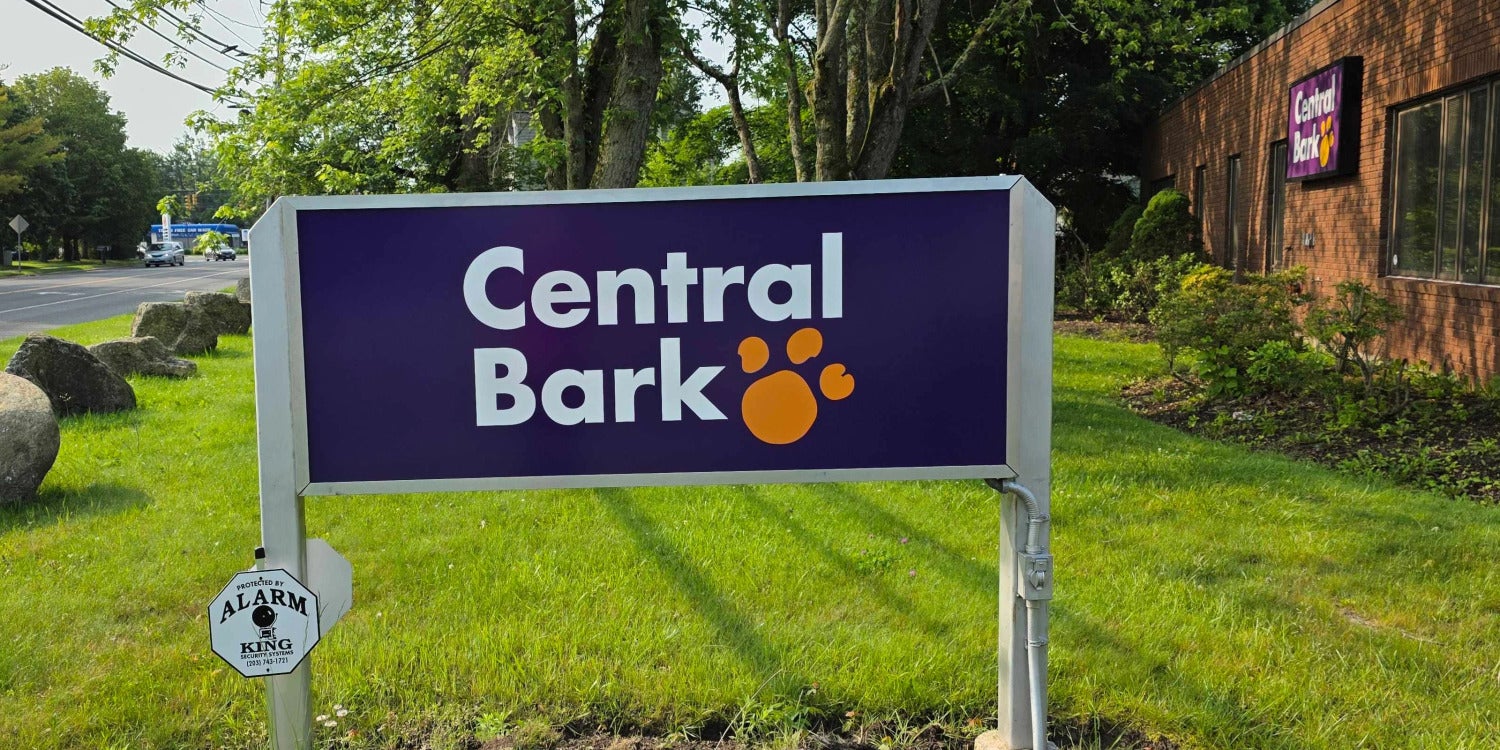
Two locations in the same city can still require different solutions.
A standalone building may offer a broad façade and clear approach views, while a multi-tenant center may have a narrow storefront, shared property signage, and landlord design criteria. Parked cars, landscaping, neighboring signs, and entrance position can also change what customers see first.
This is why business signs should be standardized by relationships, not only by inches. The logo-to-background contrast, clear space, message hierarchy, type treatment, and overall brand character can remain consistent even when the physical dimensions change.
Common Mistakes to Avoid When Standardizing Multi-Location Signage
Standardizing signage across multiple locations requires a careful balance between brand consistency and site-specific flexibility. Avoiding common missteps helps ensure your brand remains clear and recognizable as your business expands.
Copying One Sign Exactly
A sign designed for one façade may perform poorly on another. Exact duplication can create awkward proportions, weak visibility, or conflicts with site conditions.
The better approach is to repeat the brand logic while adjusting the physical execution.
Allowing Every Location to Choose Its Own Version
Too much local discretion creates brand drift. If each manager chooses colors, logo layouts, fonts, or messaging independently, the system stops functioning as a coordinated program.
Local teams should be able to provide site information and operational needs while core brand elements remain controlled.
Overloading Signs With Location-Specific Messages
A new location can create pressure to add every service, promotion, URL, phone number, and differentiator to the main sign. That often weakens recognition.
Keep permanent identity signs focused. Use window graphics, banners, interior displays, or other appropriate formats for supporting communication when needed. Vehicles follow the same rule, since a car wrap should be readable in 3 seconds.
Ignoring Future Locations
Standards built around one unusual property can become difficult to scale. A better system anticipates different façade shapes, sign sizes, tenant conditions, and supporting sign needs.
The objective is a framework that survives growth, not a single template that only fits the second location. That includes keeping vehicle wraps consistent across vans, pickup trucks, box trucks, and trailers as the fleet grows.
How to Know Whether Your Signage Standards Are Working
A useful test is whether customers can recognize the same brand across locations even when sign sizes or formats differ. Internally, teams should also know which files are approved, which elements may adapt, what information receives priority, and who approves exceptions.Frequently Asked Questions
Should temporary promotional signs follow the same brand standards?
They should generally use the same approved logo, colors, typography, and brand voice, even when the format and message are temporary. This helps short-term promotions remain consistent with the permanent brand presence at the location. On vehicles, the choice between a partial vs. full car wrap often depends on how long the promotion will run.
How often should a company review its multi-location sign standards?
Review them when branding changes, when recurring site problems appear, or when the business begins opening locations with different property types. The goal is to update the system when real operating needs change, not on an arbitrary schedule.
What information should a new location provide before signage planning begins?
A new location should provide accurate property details, landlord or tenant requirements, available sign areas, access information, and any known operational needs. Providing this information early helps the signage team determine which established standards can be applied and where site-specific adjustments may be necessary.
How can a company handle signage when it acquires or rebrands an existing location?
Start by identifying which existing signs can be removed, updated, covered, or replaced. Then prioritize the most visible customer-facing signs so the location transitions to the current brand in a coordinated way rather than through piecemeal changes.
Should a growing company keep records of signs installed at each location?
Yes. Maintaining a location-by-location record of approved artwork, dimensions, materials, installation details, and completed sign types can make future repairs, replacements, and expansion projects easier to manage consistently.
Plan Consistent Business Signs for Your Next Danbury Location
Expansion creates more signage decisions, but it should not require rebuilding the brand from the ground up at every address. A well-defined multi-location signage system gives growing companies a consistent foundation while leaving room for the architecture, visibility conditions, landlord criteria, dimensions, and permit requirements of each property.
Signarama can help businesses translate established brand standards into custom business signs, indoor signs, outdoor signs, window graphics, wall graphics, vehicle graphics, wayfinding signs, and other non-electrical visual communication needs for individual locations.
Discuss your signage needs with Signarama to plan a repeatable system for your next location while keeping the brand clear and recognizable across your Danbury presence.

Signarama Danbury, CT
contact
Signarama Danbury, CT