
Real Estate Signs in Danbury, CT for Agents and Brokers
Jul 15, 2026 by Signarama Danbury
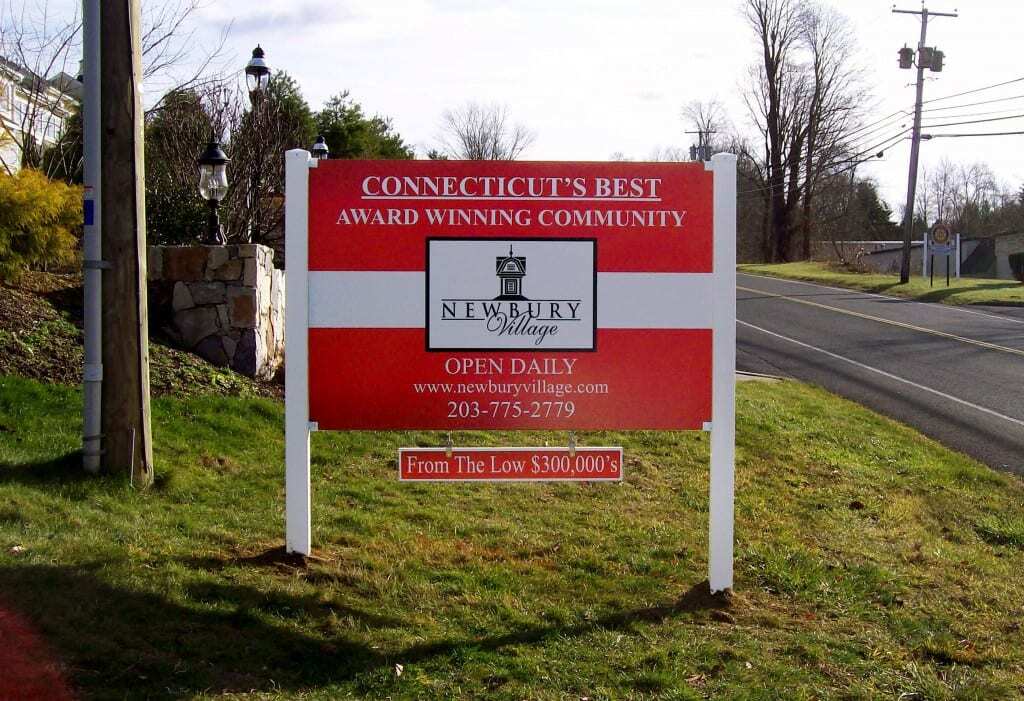
A listing can be priced right and photographed beautifully, but the first physical impression most buyers get is the sign in the yard. Professional real estate signs in Danbury, CT do more than mark a property. They advertise the agent, reinforce the brokerage brand, and pull drive-by traffic toward a showing before the listing ever appears in a search feed.
Here's a guide covering the main real estate sign types, what separates a sign that survives Connecticut weather from one that fades by the second open house, and how agents and brokers can build a signage system that works across every listing.
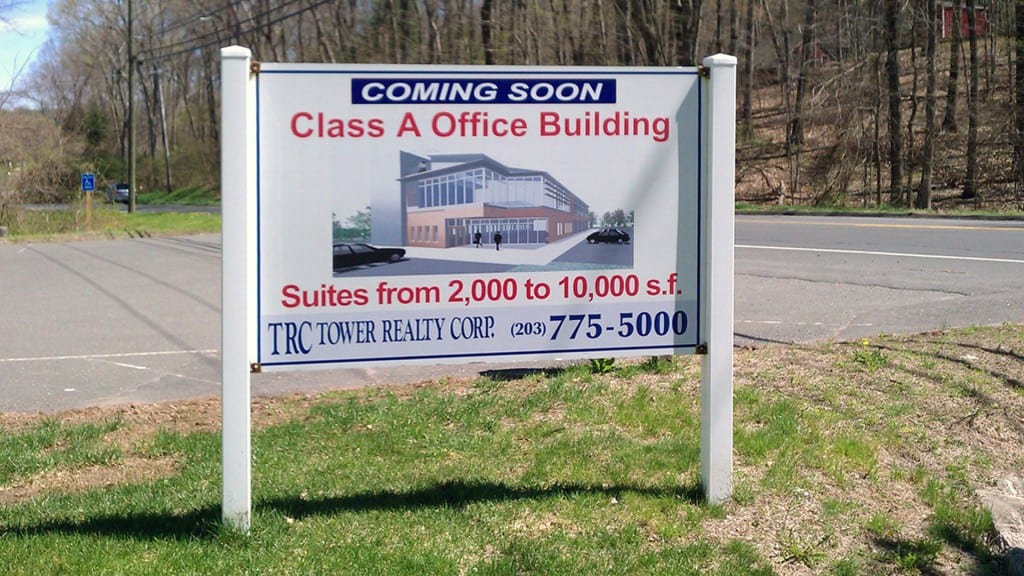
Why Do Real Estate Signs Still Matter in a Digital Market?
Online listings do the heavy lifting for discovery, but physical signage keeps doing jobs that no app can. Buyers still drive neighborhoods, sellers still judge agents by what they see on nearby lawns, and a sign works those angles around the clock without a single ad dollar behind it.
Capturing Buyers Who Are Already in the Neighborhood
Serious buyers drive the neighborhoods they want to live in. A clear, well-placed yard sign converts that drive-by interest into a call or a scan at the exact moment curiosity peaks, with no algorithm in between.
Building Agent Recognition Listing After Listing
Every sign is a small billboard for the agent, not just the property. Consistent colors, typography, and photography across every listing turn individual signs into a recognizable local presence, which matters in tight markets where sellers choose agents they already know by name.
Signaling Professionalism to Sellers
Homeowners judge an agent partly by the marketing they can see. A crisp, professionally fabricated sign at a neighbor's listing is a quiet listing presentation, while a faded panel on a leaning frame sends the opposite message.
Working Around the Clock at No Recurring Cost
Unlike paid digital placements, a quality sign works every hour the listing is active. It costs once, promotes continuously, and moves to the next property when the current one closes.
What Are the Main Types of Real Estate Signs?
Different listings and stages call for different formats, and most active agents end up running a small system rather than a single sign.
| Sign Type | Best Fit | Consideration |
|---|---|---|
| Post and panel signs | Residential listings, classic yard presence | Ground installation needs the right hardware and frost awareness |
| Coroplast yard signs | Open houses, directionals, short-term promotion | Lightweight material suits temporary use, not year-round exposure |
| Aluminum panels | Commercial properties and long-running listings | Needs proper mounting and edge finishing |
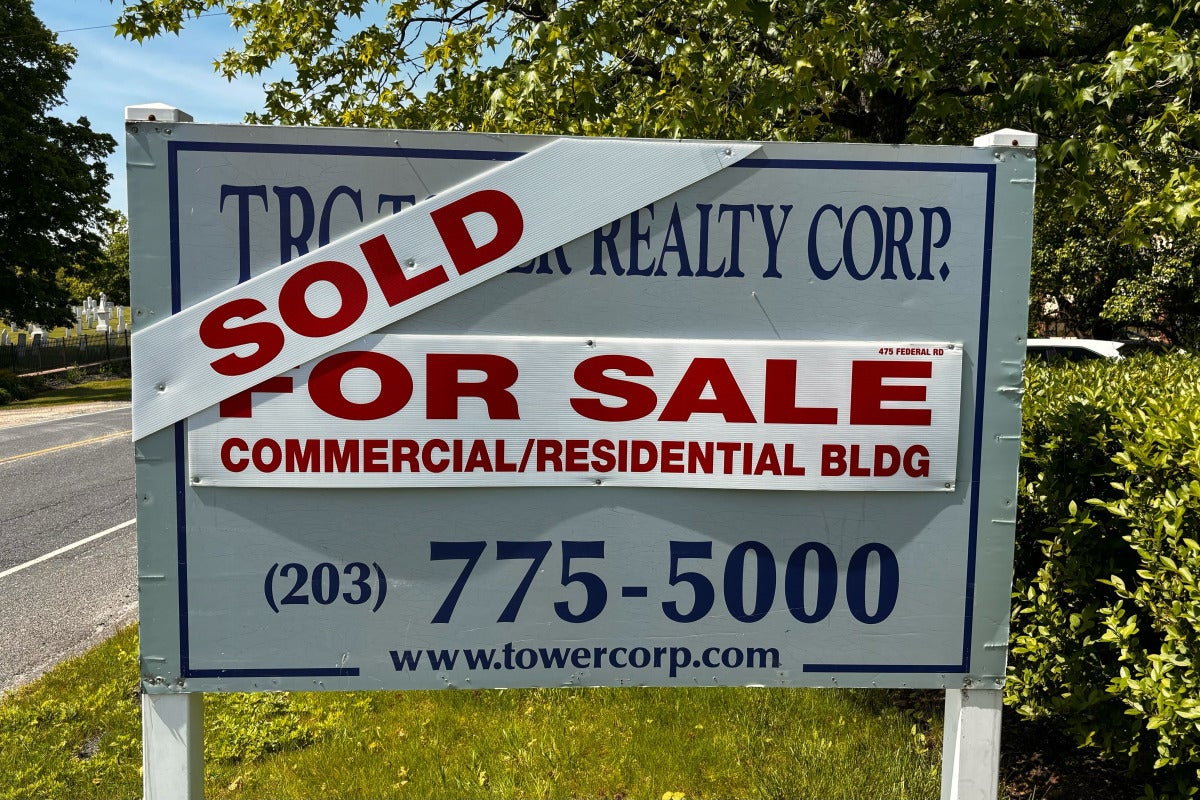
| Riders and toppers | Status updates like Sold, Price Reduced, Open Sunday | Must match the main sign's frame and sizing |
| Banners | Large commercial sites and new developments | Requires secure anchoring in wind-exposed locations |
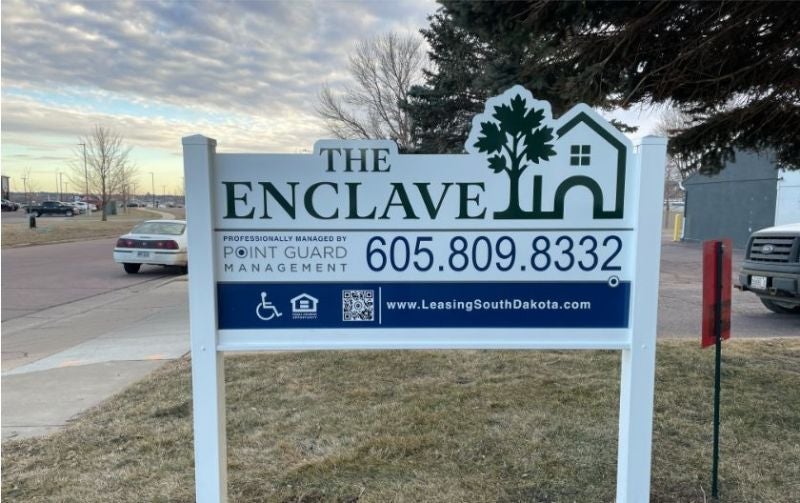
Which Details Separate a Good Real Estate Sign from a Weak One?
The difference rarely shows in a design mockup. It shows at 30 miles per hour, in bad light, from across the street. Two signs with the same budget can perform completely differently depending on how these details are handled, and most of them cost nothing extra to get right.
Readability From a Moving Car
A buyer scanning house numbers has seconds to absorb your sign. Large phone numbers, high contrast, and minimal text win. Agents ordering real estate signs in Ridgefield, CT, and other winding, tree-lined markets should weigh this even more heavily, since curved roads shorten viewing time.
Contrast That Survives Weather and Shade
A palette that looks elegant on screen can disappear against snow, dusk, or heavy tree cover. Strong light-dark contrast between text and background keeps the sign legible in every condition a Connecticut listing season throws at it.
Materials Matched to Listing Duration
A weekend open house sign and a commercial listing that may run for a year should not be built the same way. Matching substrate and finish to expected duration prevents both overspending on temporary signs and premature fading on long-term ones.
Photo and Brand Reproduction Quality
Agent photos and brokerage logos are unforgiving. Low-resolution files print soft, and color drift makes a brand look off. Professional large-format printing from clean source files keeps every sign consistent with the last one.
Frame and Hardware Condition
Even a perfect panel loses credibility on a rusted or leaning frame. Hardware is part of the impression, and it takes the most abuse from installation, transport, and weather.
How Much Do Real Estate Signs Cost in Danbury, CT?
There is no single price because no two sign programs match. Real estate signs in Danbury, CT, can start as low as around $5 for a basic, pre-made yard sign and climb to $300 or more for large, custom post and panel setups built for commercial listings.
Where a project lands within that range depends on sign type, panel material, size, single- or double-sided printing, the number of units ordered, frame and hardware choices, and whether the design is new or adapted from existing brokerage brand files. Ordering in sets typically improves per-unit value, which is why many agents build out a full listing kit at once: main sign, riders, and directionals.
Take note, pricing varies from shop to shop, so it is always best to confirm current costs with a reputable local sign company. Signarama can provide a personalized quote based on your exact sign types, quantities, and brand files.
How Can Agents Build a Signage System Step by Step?
A repeatable system beats ordering one sign at a time. Here is the sequence that keeps every listing looking consistent.
Step 1: Audit the Brand Assets First
Gather brokerage logo files, approved colors, fonts, and headshot photography in high resolution. Franchise brokerages often have sign standards, so confirm those before designing anything.
Step 2: Standardize the Core Yard Sign
Design one main listing sign template that carries the essentials: agent name, phone number, brokerage, and photo if used. Lock this template so every new listing sign is a reprint, not a redesign.
Step 3: Add Riders for Listing Status Changes
Sold, Under Contract, Price Improved, and Open House riders extend one sign through the whole listing lifecycle. Sizing them to the main frame from the start avoids mismatched add-ons later.
Step 4: Build Open House Directionals in Sets
Directional arrows do their job in multiples, guiding traffic from main roads to the property. Agents covering spread-out markets, including those running real estate signs in Newtown, CT, where listings can sit well off main routes, typically need larger directional sets than agents working in dense neighborhoods.
Step 5: Plan Storage, Transport, and Replacement
Signs live hard lives in car trunks and garages. Build replacement into the plan, and refresh panels when fading or damage starts undercutting the brand they exist to protect.
Where Should Real Estate Signs Be Placed for Maximum Visibility?
Placement decisions happen listing by listing, but a few principles hold everywhere. Even a well-designed sign underperforms in the wrong spot, and small adjustments in position, angle, or height often make the difference between a sign buyers notice and one they drive past.
At the Property Line Facing Primary Traffic
Position the main sign perpendicular to the road so both directions of traffic can read it. Corner lots earn two signs or an angled placement that works for the dominant approach.
At Key Decision Points for Open Houses
Directionals belong where drivers make turns, starting from the nearest major road. One sign at the property helps nobody who never finds the street.
Clear of Sightline and Right-of-Way Conflicts
Keep signs out of drivers' sightlines at intersections and off public rights-of-way where they can be removed. Municipal rules on temporary signage vary by town, so placement habits that work in one market may need adjusting in another.
Visible in Winter Conditions
Snowbanks swallow low signs. Through Connecticut winters, mounting height and setback from the plow line keep a listing visible in the months when daylight and drive-by traffic are already working against you.
Frequently Asked Questions
How fast can real estate signs be produced?
Timelines depend on quantity, sign type, and whether the design already exists. Reprints from an established template move faster than new designs, which is another argument for standardizing early.
Can signs be double-sided?
Yes, and for yard signs, they almost always should be, since traffic approaches from both directions. Directionals can run single-sided when the route only feeds one way.
Do open house signs need any permissions in Connecticut towns?
Temporary sign rules differ by municipality, covering where signs can stand and for how long. Checking local rules for each market protects signs from removal, particularly for agents working across several towns.
Can one design work across different sign sizes?
A well-built template scales from a yard panel to a rider to a directional, but each size needs its own layout pass so phone numbers and names stay readable at that format's real viewing distance.
Who handles the installation of post and panel signs?
Professional installation is the standard for post and panel signs, since setting a post correctly depends on soil, depth, and stability through Connecticut's frost season. Lightweight formats like coroplast directionals are made for agents to place themselves, so most end up with a mix of installed main signs and grab-and-go temporary ones.
Make Every Listing Work Harder With Better Signage
The sign in the yard is often the first piece of marketing a buyer notices and the last impression a neighborhood keeps after the Sold rider goes up. Agents who treat signage as a system, built once and deployed on every listing, get compounding brand value from an expense most competitors treat as an afterthought.
Signarama has designed, printed, and installed real estate signs in Danbury, CT, and the surrounding western Connecticut markets for over 20 years, with everything handled in-house from design through fabrication using state-of-the-art large format printing.
Whether you need one post and panel sign, a full open house kit, or a brokerage-wide signage standard covering real estate signs in Ridgefield, CT, Newtown, and beyond, you get one team and one consistent brand on every lawn.


Signarama Danbury, CT
Contact
Signarama Danbury, CT








Contact Us
Contact the team at Signarama Danbury, CT
203-792-4091Signarama Danbury, CT35 Eagle Rd Danbury Connecticut 06810
Certified Wrap Installer
Follow Us
Select your country:
About Signarama
With the latest technologies and a wide range of available materials, there really is no end of choice and quality in the manufacturing of Signarama Signage. Images and logos belong to their owners and do not imply Signarama’s endorsement—shown only as examples of our work. Visit our corporate section to see more about: