
Outdoor Sign Materials for Danbury Businesses Facing Connecticut Weather
Jul 9, 2026 by Signarama Danbury
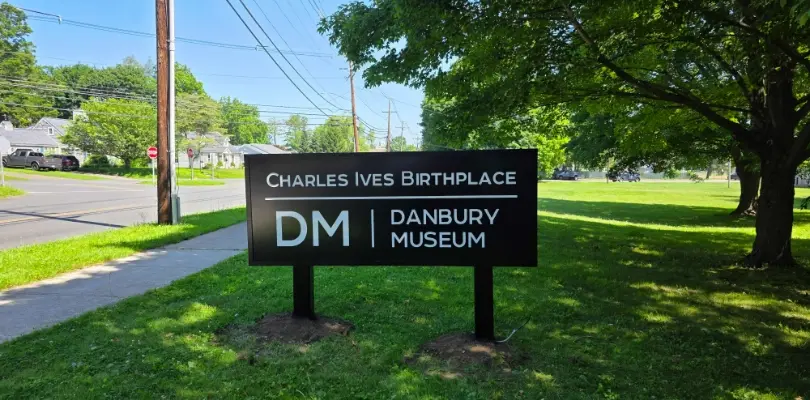
An outdoor sign in Danbury works harder than most business owners realize. Humid summers, ice storms, road salt, and constant freeze-thaw cycles can fade, warp, or crack the wrong material within a few seasons. The right one keeps your sign looking sharp for years.
This guide breaks down the best outdoor sign materials for Danbury, CT businesses, how each holds up against Connecticut weather, and what to consider before you invest.
What Should Businesses Know First About Outdoor Signs in Danbury, CT?
Outdoor signs in Danbury, CT work best when business owners start with scope, site conditions, timing, and long-term use. A clear plan helps separate a cosmetic upgrade from a project that needs professional evaluation, materials guidance, and scheduling discipline.
The main risk is not choosing the lowest price or the fastest start date. The real risk is booking work before the site, materials, access needs, and performance expectations are defined. That can lead to change orders, delays, or a result that does not match how the property is used.
For Danbury, CT, the best approach is to document the problem, decide what success looks like, and ask the provider to explain the process in plain language. That creates a better quote and a cleaner production path.
- Start with viewing distance, road speed, storefront angle, and hours of visibility.
- Match material selection to sun, rain, wind, snow, and maintenance exposure.
- Keep contrast high enough for fast recognition from the street or parking lot.
- Plan mounting, lighting, and permits before final production.
- Use consistent colors, typography, and logo rules across storefront, vehicle, and property signs.
How Does Connecticut Weather Actually Damage Outdoor Signs?
Connecticut weather does not wear signs down in one dramatic event. The damage builds gradually through repeated exposure, and each season attacks materials in a different way.
- UV fading: Direct sunlight breaks down pigments and surface finishes over time, causing colors to dull and printed graphics to lose contrast. South-facing signs take the heaviest exposure and typically fade fastest.
- Freeze-thaw cycling: Moisture that seeps into seams, edges, or porous materials expands when it freezes. Repeated cycles through a Danbury winter can crack substrates, lift laminates, and loosen adhesives from the inside out.
- Wind load and vibration: Gusts put constant stress on mounting hardware and sign faces. Over time, that repeated flexing fatigues fasteners and panels, which is why secure mounting matters as much as the material itself.
- Road salt and corrosion: Salt spray from treated roads settles on nearby outdoor signage in Danbury, CT, through winter, accelerating corrosion on unprotected metals and hardware, especially for signs positioned close to busy commercial corridors.
- Moisture and humidity: Humid summers and wet springs promote swelling in wood, streaking on unsealed surfaces, and moisture intrusion in lighted cabinets where trapped condensation can damage internal components.
How Should You Compare Outdoor Sign Materials for Your Danbury Business?

The best comparison starts with use cases, not product labels. Danbury, CT should compare each option by durability, maintenance, safety, appearance, and fit for the actual property. A side-by-side comparison keeps the decision practical instead of purely visual.
A strong quote or recommendation should explain why one option fits better than another. Ask for the tradeoffs, not only the benefits. A professional answer should cover cost drivers, preparation requirements, expected lifespan, and maintenance responsibilities.
| Materials | Perks | Drawbacks |
|---|---|---|
| Aluminum or metal panels | Durable outdoor storefront and property signs | Needs proper mounting and edge finishing |
| Dimensional letters | Professional facades and office entries | Visibility depends on contrast and lighting |
| Vinyl graphics | Trailers, windows, temporary promotions | Surface prep affects lifespan |
| Wood or carved signs | Traditional local brands and destination-style properties | Needs finish maintenance outdoors |
Which Details Affect Cost, Timeline, or Results?
Contrast and Readability
Low contrast can make a sign hard to read even when the design looks attractive up close. A color pairing that works on a screen may wash out at fifty feet or under direct sunlight, which is why providers evaluate designs at real viewing distances before fabrication.
Lettering Size and Weight
Thin lettering may disappear at a distance. Stroke width, font choice, and letter height all determine how far away a passing driver can actually read your message, and correcting these details early costs far less than refabricating a finished sign.
Material Protection and Weather Exposure
Unprotected materials age faster in rain, snow, and direct sun. UV-resistant finishes, sealed edges, and weather-rated substrates add to upfront cost but extend sign life considerably, especially through Connecticut winters.
Placement and Sightlines
Poor placement can block sightlines or force your sign to compete with neighboring businesses. Site conditions like tree cover, building setbacks, and traffic patterns often influence where a sign performs best, and repositioning after installation adds avoidable expense.
Permits and Property Approvals
A missing permit or skipped landlord review can delay installation by weeks. Local zoning rules govern sign size, height, and illumination, so building approval time into the project schedule prevents surprises late in the process.
Maintenance Planning
Skipping a maintenance plan can quietly shorten a sign's lifespan. Routine cleaning, lighting checks, and hardware inspections catch small issues before they become replacement-level problems, protecting the original investment.
What Should Danbury, CT Ask During the Estimate?
The estimate should turn vague interest into a defined scope. Danbury, CT, should ask about preparation, materials, timing, exclusions, and follow-up care before approving the work.
A useful estimate is not just a price. A useful estimate explains what the provider saw, what assumptions were made, and what the customer should do before the start date.
Ask for notes in writing. Written scope language protects both sides and makes it easier to compare proposals fairly.
- What is included in the base scope?
- What preparation happens before installation or service?
- What conditions could change the price?
- What should the customer do before the crew arrives?
- What maintenance or follow-up is recommended?
How Can Danbury, CT Plan the Project Step by Step?
A step-by-step plan reduces confusion before work begins. Danbury, CT should define the goal, confirm site conditions, compare options, approve the scope, and prepare the property before the scheduled start date.
Step 1: Define the Viewing Angle and Traffic Path
Start with how people will actually encounter the sign. A storefront read by foot traffic needs different sizing and placement than a sign meant to catch drivers along a commercial corridor. Identifying the primary viewing angle and approach speed early shapes every decision that follows.
Step 2: Confirm Size, Copy, Logo Files, and Contrast
Lock in the message before the design. Confirm sign dimensions, finalize the exact wording, gather high-resolution logo files, and test color contrast at realistic viewing distances. Clean source files at this stage prevent delays and quality issues during fabrication.
Step 3: Choose Materials Based on Exposure and Lifespan
Match the material to the environment and the expected service life. Outdoor signage in Danbury, CT, that faces direct sun and winter weather needs different substrates and finishes than signage under a covered entry.
Step 4: Review Mounting, Lighting, Landlord Rules, and Permits
Before anything is fabricated, confirm how the sign attaches, whether it needs illumination, and what approvals apply. Landlord sign criteria and local permit requirements can restrict size, placement, or lighting, and catching those limits now avoids redesigns later.
Step 5: Approve a Proof Before Fabrication
Never skip the proof. A final proof confirms spelling, colors, dimensions, and layout exactly as they will be produced. Once fabrication starts, changes become expensive, so this last checkpoint protects both budget and timeline.
How Should You Maintain an Outdoor Sign Through New England Seasons?
Outdoor signs in Danbury, CT, face a full cycle of weather stress every year, so maintenance works best when it follows the seasons instead of waiting for visible damage. A simple routine spread across the year keeps small issues from turning into replacement-level problems and protects the original investment.
Clean Surfaces and Check Finishes in Spring
Winter leaves residue behind. A gentle cleaning in spring removes buildup from the surface and gives you a close look at the finish. This is also the right time to note any fading, peeling, or wear that developed over the colder months.
Inspect for Sun and Heat Wear Through Summer
Long daylight hours and direct exposure can wear on colors and materials over time. A quick visual check during summer helps catch early fading or surface changes while they are still minor and easy to address.
Tighten Hardware and Test Lighting in Fall
Fall is the preparation window before harsher weather arrives. Checking mounting hardware, fasteners, and any illumination now means the sign enters winter secure and fully visible, when shorter days make lighting matter most.
Monitor for Moisture and Ice Damage in Winter
Freeze-thaw conditions put stress on materials and connections. Keeping an occasional eye on the sign through winter helps spot moisture intrusion, ice buildup, or loosened components before they worsen.
Schedule a Professional Review When Issues Appear
Some problems are easier to spot from the ground than to repair safely. If any seasonal check turns up damage, dimming, or movement, a professional assessment can determine whether the sign needs a repair, a refresh, or a closer look at the mounting.
What Mistakes Should Danbury, CT Avoid?
Approving a Quote Without Defined Scope
A quote that does not define the work area and exclusions leaves room for disputes later. Before signing off, confirm exactly what the estimate covers, from design revisions and materials to installation labor and site cleanup, so nothing surfaces as a surprise charge.
Choosing Materials on Appearance Alone
A material that looks great in a showroom may not survive its environment. Durability, weather resistance, and long-term upkeep matter as much as first impressions, especially for outdoor signage in Danbury, CT, facing year-round Connecticut conditions.
Overlooking Site and Installation Requirements
Access limits, mounting surface condition, electrical availability, and safety requirements all shape how a sign gets installed. Ignoring these details early can stall the project mid-installation, when changes cost the most.
Assuming Low Maintenance Means No Maintenance
Even durable materials need occasional attention. Treating a low-maintenance sign as a zero-maintenance sign lets small problems like loose hardware or dimming illumination go unnoticed until they require costly repairs.
Skipping Written Warranty and Care Terms
Verbal assurances fade fast. Get warranty coverage, care instructions, and follow-up expectations in writing so both sides know who handles what after installation day.
Get the Right Outdoor Sign Materials for Your Danbury Business
Every building in western Connecticut faces its own mix of sun, wind, moisture, and traffic patterns, so the right material comes down to your property and how long the sign needs to perform.
That is where working with a local sign company can make a difference.
Signarama Danbury has designed, fabricated, and installed weather-ready signage for western Connecticut businesses for over 20 years, all in-house from concept to installation. You get recommendations tied to your actual site conditions, with tradeoffs explained before any work begins.


Signarama Danbury, CT
Contact
Signarama Danbury, CT








Contact Us
Contact the team at Signarama Danbury, CT
203-792-4091Signarama Danbury, CT35 Eagle Rd Danbury Connecticut 06810
Certified Wrap Installer
Follow Us
Select your country:
About Signarama
With the latest technologies and a wide range of available materials, there really is no end of choice and quality in the manufacturing of Signarama Signage. Images and logos belong to their owners and do not imply Signarama’s endorsement—shown only as examples of our work. Visit our corporate section to see more about: