
Multilingual Signs: Helping Businesses in Danbury, CT, Serve Diverse Communities
Jun 1, 2026 by Signarama Danbury
Danbury businesses serve customers, tenants, patients, employees, students, vendors, and visitors from many language backgrounds. A customer may walk into a medical office with a family member translating. A tenant may need parking instructions in a language they understand best. A restaurant guest may feel more confident ordering when key information is clear at first glance.
That is where multilingual signs become more than a design choice. They become part of how a business welcomes people, reduces confusion, and builds trust.
For businesses looking for signs in Danbury, CT, multilingual signage can support clearer communication, safer spaces, and stronger community connections. The right signage helps people find their way, understand what to do next, and feel more comfortable interacting with your business.
What Are Multilingual Signs?
Multilingual signs display information in two or more languages. They are commonly used in businesses, public spaces, medical offices, schools, restaurants, apartment communities, and workplaces where people from different language backgrounds need clear instructions.
Bilingual business signs usually include English and one additional language, such as Spanish. Multilingual signage solutions may include several languages, depending on the audience and setting.
Inclusive signage can also include translated text, ADA-compliant features, readable fonts, strong contrast, clear symbols, Braille, accessible placement, and simple wording.
Common examples include:
- Storefront signs
- Window graphics
- Directional signs
- Menu boards
- Office signs
- Parking signs
- Safety signs
- ADA and accessibility signs
- Temporary event signs
A multilingual sign should not feel crowded or confusing. It should help people understand important information quickly, without making them work harder than necessary.
Why Multilingual Signage Matters in Danbury, CT
Danbury businesses serve a broad mix of residents, workers, students, families, and visitors. In a city with a diverse population, language access affects everyday business interactions.
A customer who understands where to check in, where to park, or how to follow a safety rule is less likely to feel uncertain. That matters in places where people need quick answers, such as clinics, restaurants, apartment buildings, schools, and retail stores.
Multilingual signs can help businesses:
- Reduce confusion at entry points
- Improve customer flow
- Make policies easier to understand
- Support safer navigation
- Help staff answer fewer repeated questions
- Create a more welcoming atmosphere
For local companies searching for signs in Danbury, CT, multilingual signage is a practical way to meet customers where they are. It shows that a business is paying attention to the people it serves.

Business Benefits of Bilingual and Multilingual Signs
Improved Customer Experience
Customers notice when a space is easy to navigate. Clear signage helps people move through a space with less hesitation, especially when they are visiting for the first time.
A bilingual sign near a reception desk can explain check-in steps. A translated menu board can make ordering easier. A multilingual parking sign can prevent confusion before a customer even enters the building.
These small moments shape the overall experience. When people feel informed, they are more likely to feel comfortable.
Better Communication Without Extra Staff Pressure
Staff often answer the same questions throughout the day:
- Where do I check in?
- Where is pickup?
- Where do visitors park?
- Which door should I use?
Well-placed bilingual business signs can answer many of those questions before a customer needs help. This allows employees to focus on service instead of repeatedly explaining directions or policies.
That is especially useful for:
- Restaurants during lunch and dinner rushes
- Medical offices with busy waiting rooms
- Retail stores during promotions
- Apartment communities with visitors and vendors
- Warehouses with safety procedures
Stronger Community Trust
Inclusive communication sends a clear message. It tells customers, tenants, patients, and visitors that your business has considered their experience.
That does not require loud promotion. It can be as simple as a clear welcome sign, a translated safety notice, or a directory that helps people move through a building with confidence.
Businesses that use inclusive signage often create a more approachable environment. Over time, that can support stronger relationships with the local community.
Clearer Safety Information
Safety signs need to be understood quickly. In workplaces, apartment buildings, schools, healthcare settings, and industrial facilities, unclear instructions can create avoidable risk.
Multilingual signage solutions can help communicate:
- Exit routes
- Restricted areas
- Hazard warnings
- Parking rules
- Emergency procedures
- Equipment notices
- Visitor instructions
When safety information is easier to understand, it becomes more useful.
Where Businesses Can Use Multilingual Signage
Retail Stores and Shopping Centers
Retail signage influences how customers shop, move, and make decisions. Multilingual signs can help customers locate departments, understand promotions, find checkout areas, and follow store policies.
Useful retail signs may include:
- Entrance signs
- Sale signs
- Product category signs
- Checkout signs
- Return policy signs
- Pickup area signs
For stores serving multilingual communities, these signs can make the shopping experience smoother and more comfortable.
Restaurants, Cafes, and Food Businesses
Restaurants rely on fast, clear communication. Customers need to understand menu options, ordering instructions, pickup areas, restroom locations, and important notices.
Bilingual business signs are especially helpful for:
- Menu boards
- Allergen notices
- Pickup signs
- Order-here signs
- Payment instructions
- Restroom signs
Clear signs can reduce order confusion and help customers feel more confident, especially in busy food service environments.
Medical and Dental Offices
Healthcare settings should be easy to navigate. Patients may already feel stressed when they arrive, so unclear signs can make the experience harder.
Multilingual signs can support:
- Check-in instructions
- Waiting room directions
- Department labels
- Patient notices
- Exit signs
- Accessibility signs
In medical and dental offices, inclusive communication helps patients and families understand where to go and what to do next.
Apartment Buildings and Property Management
Residential properties often serve tenants, guests, delivery drivers, maintenance vendors, and leasing prospects. Clear signage helps everyone follow property rules and find the right locations.
Useful signs may include:
- Leasing office signs
- Parking signs
- Trash and recycling instructions
- Visitor rules
- Building directories
- Laundry room signs
For property managers, multilingual signage solutions can reduce repeated questions and support better communication across the community.
Schools, Community Centers, and Public Spaces
Schools and community spaces often welcome families from many backgrounds. Multilingual signs help visitors find offices, event rooms, restrooms, exits, and service areas.
Inclusive signage is especially useful during:
- Open houses
- Community events
- Parent meetings
- Public programs
- Registration days
Clear language helps people participate more confidently.
Warehouses and Industrial Facilities
Industrial spaces need signage that is visible, durable, and easy to understand. Multilingual safety signs can help workers, vendors, and visitors identify hazards and follow procedures.
Common applications include:
- Equipment warnings
- Loading dock signs
- PPE reminders
- Emergency exits
- Restricted area signs
- Floor markings
In these environments, multilingual communication supports both safety and efficiency.
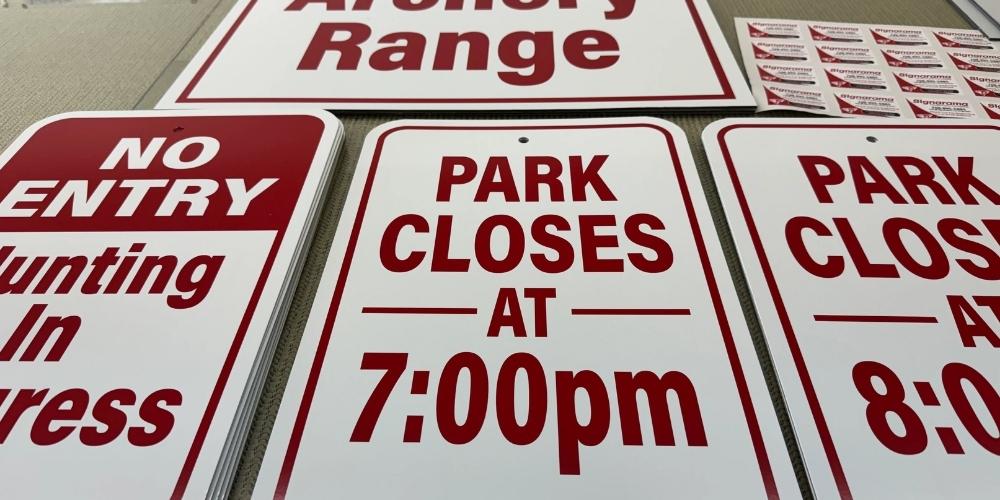
How to Create Effective Multilingual Signs
Step 1: Identify Your Audience
Start with the people who use your space most often. Think about customers, employees, vendors, tenants, patients, families, and visitors.
Ask practical questions:
- Which languages are commonly spoken by customers?
- Which signs create the most confusion?
- Which areas receive the most questions?
- Which instructions affect safety or access?
The most effective signage decisions come from real user needs, not assumptions.
Step 2: Choose the Signs That Matter Most
Not every sign needs to be translated. Start with the signs that help people complete important tasks or avoid confusion.
Prioritize signs related to:
- Entrances and exits
- Safety instructions
- Parking
- Check-in areas
- Customer service
- Restrooms
- Directories
- Policies
- Payment or pickup instructions
This keeps the project focused and prevents visual clutter.
Step 3: Keep the Message Short and Clear
Simple language works best on signs. Long sentences are harder to read, harder to translate, and harder to fit into a clean design.
Use direct wording such as:
- Check In Here
- Visitor Parking
- Employees Only
- Order Pickup
- Emergency Exit
- Restrooms
Short messages improve readability and make inclusive signage more effective.
Step 4: Use Professional Translation
Signage should be accurate. A translation mistake on a permanent sign can confuse customers and hurt credibility.
Professional translation or native-language review helps ensure the message is clear, natural, and appropriate. This is especially important for safety signs, healthcare notices, legal policies, and customer instructions.
Step 5: Design for Readability
A multilingual sign needs enough space for each language to be readable. The design should not treat translated text as a small add-on.
Strong signage design uses:
- Clean fonts
- High contrast
- Consistent spacing
- Logical language order
- Clear hierarchy
- Helpful icons
If a sign feels crowded, split the message across multiple signs or use a larger format.
Step 6: Select the Right Sign Type and Material
Indoor and outdoor signs have different needs. Exterior signs must handle weather, visibility, and lighting. Interior signs may focus more on wayfinding, branding, accessibility, and finish quality.
Businesses planning signs in Danbury, CT, may need options such as storefront signs, window graphics, ADA signs, office signs, directional signs, banners, or custom interior displays.
A professional signage provider can help match the sign type, material, and installation method to the location and purpose.
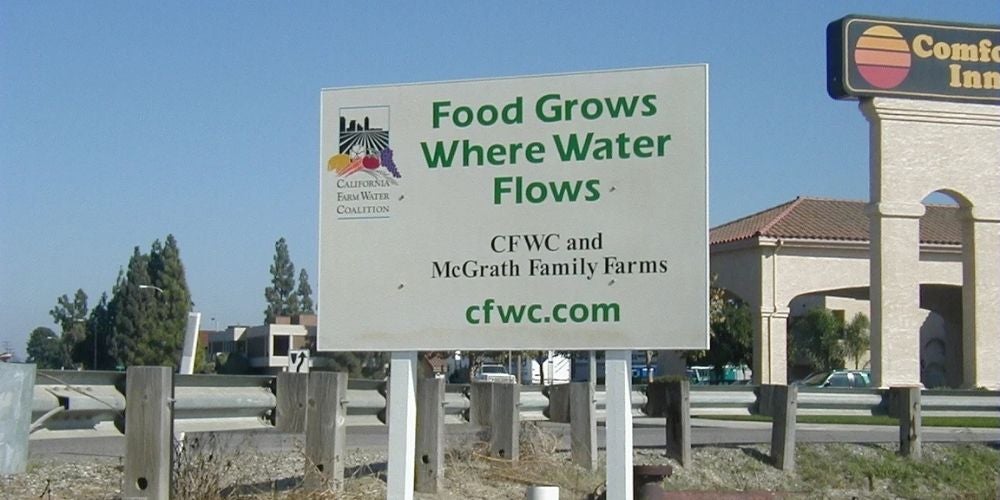
Design Best Practices for Inclusive Signage
Inclusive signage works best when it is easy to read, quick to understand, and placed where people naturally need guidance. For multilingual signs, the goal is to make every language feel clear and intentional, not squeezed in as an afterthought.
- Use clear, easy-to-read fonts
- Keep wording short and direct
- Maintain strong color contrast
- Include symbols alongside text
- Keep language order consistent
- Avoid overcrowding the sign
- Use readable font sizes
- Prioritize important information first
- Make signs visible from key viewing distances
- Use durable materials for outdoor signs
- Include ADA-compliant features when needed
- Keep branding consistent across all signs
- Leave enough spacing between languages
- Place signs where people naturally look
- Review translations before production
Frequently Asked Questions (FAQs)
How do multilingual signs improve accessibility?
Multilingual signs improve accessibility by helping more people understand directions, policies, safety information, and service instructions without relying on staff or another person to translate.
What should be translated first on business signs?
Start with high-impact signs, including entrances, exits, parking instructions, check-in areas, safety notices, restrooms, menus, directories, and customer service signs.
Can multilingual signs still match a business’s branding?
Yes. Multilingual signs can follow the same brand colors, fonts, materials, and visual style while using clear layouts that leave enough room for each language.
Are multilingual signs useful for employee-only areas?
Yes. In workplaces, warehouses, kitchens, and staff areas, multilingual safety signs and procedural signs can help employees understand important instructions more clearly.
How often should multilingual business signs be reviewed?
Review multilingual signs whenever business hours, policies, departments, safety procedures, menus, or customer instructions change to keep every language version accurate.
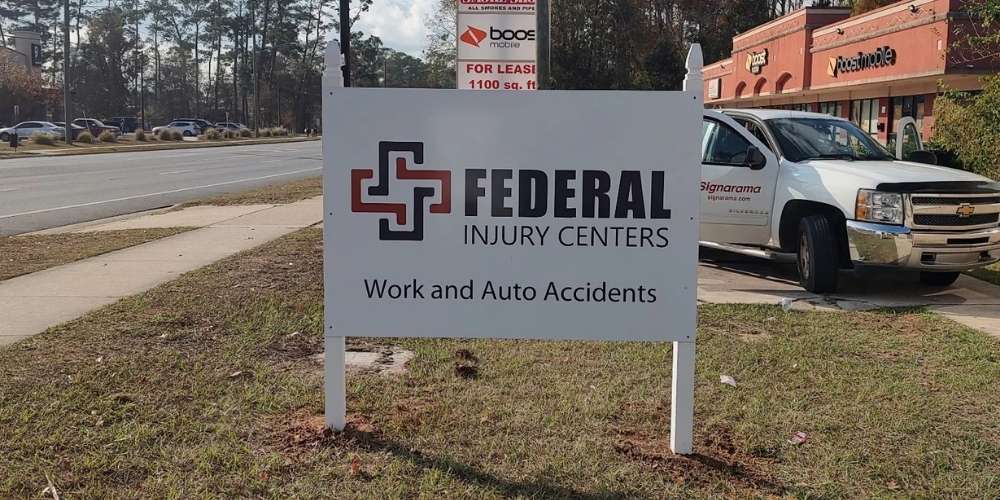
Create a More Welcoming Business Environment
Multilingual signs help businesses communicate with more people, reduce confusion, and create spaces that feel easier to navigate. They support accessibility, customer confidence, safety, and community connection in ways that customers notice.
For businesses planning bilingual business signs, multilingual signage solutions, or inclusive signage, contact Signarama to create custom signage that fits your space, audience, and brand.


Signarama Danbury, CT
Contact
Signarama Danbury, CT



Contact Us
Contact the team at Signarama Danbury, CT
203-792-4091Signarama Danbury, CT35 Eagle Rd Danbury Connecticut 06810
Certified Wrap Installer
Follow Us
Select your country:
About Signarama
With the latest technologies and a wide range of available materials, there really is no end of choice and quality in the manufacturing of Signarama Signage. Images and logos belong to their owners and do not imply Signarama’s endorsement—shown only as examples of our work. Visit our corporate section to see more about: