

How to Track ROI from Business Signs in Danbury, CT
May 5, 2026 by Signarama Danbury

Business signs are often one of the most visible investments a business makes, yet many companies are unsure how to measure their actual impact. While signs can influence customer decisions, increase visibility, and drive foot traffic, those results are not always tracked in a clear or consistent way.
Understanding how to connect signage to real business outcomes is key to making smarter marketing decisions and improving overall performance.
Here are some practical ways to track ROI from business signs in Danbury, CT.
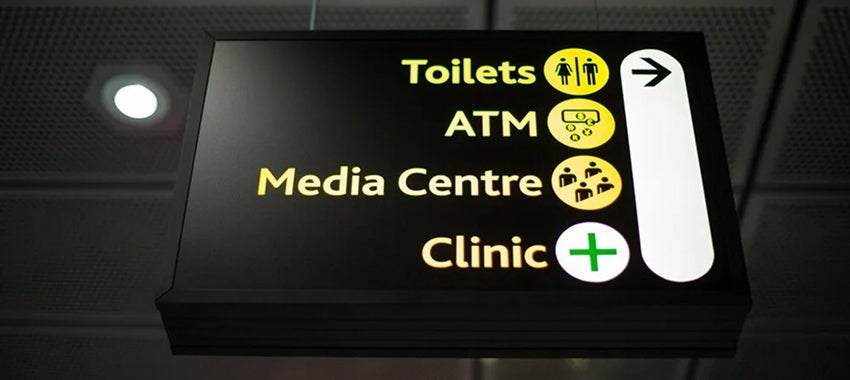
How to Measure ROI from Signage in Danbury, CT
Track Foot Traffic Changes
One of the most reliable ways to measure signage ROI is by analyzing how many people physically visit your location after installing or updating signage. Increased visibility from business signs in Danbury, CT, should translate into higher walk-in traffic over time.
- Compare before-and-after data: Measure foot traffic levels prior to installing new signage and compare them with post-installation numbers to identify clear increases tied to visibility improvements.
- Use manual or digital counters: Tools like door counters, POS systems, or even staff tracking logs can provide consistent data on how many people enter your business daily.
- Look for consistent patterns: A steady increase rather than short-term spikes is a stronger indicator of long-term business signage performance and effectiveness.
Monitor Sales Trends
Sales data provides a direct connection between visibility and actual revenue, making it a key metric in sign marketing analytics. If signage is effective, it should contribute to higher conversions over time.
- Track revenue changes over time: Compare sales data from periods before and after installing or updating signage to identify measurable growth.
- Analyze peak sales periods: Look for increases during specific times of day or week that align with higher visibility or traffic flow.
- Connect visibility to conversions: When increased foot traffic is paired with higher sales, it often signals strong signage ROI.
Ask Customers How They Found You
Customer feedback offers simple but valuable insights into how signage contributes to awareness and decision-making. It helps confirm whether your signs are actually influencing visits.
- Ask at the point of sale: A quick question during checkout can reveal whether customers noticed your signage before entering.
- Include in forms or surveys: Service-based businesses can gather this data through intake forms or follow-up surveys.
- Identify recurring responses: If many customers mention signage, it supports the effectiveness of your sign marketing analytics strategy.
Track Walk-In vs. Appointment Customers
Understanding how many customers visit without prior intent helps measure how well signage attracts spontaneous traffic. This is especially useful for businesses that rely on visibility.
- Measure unplanned visits: Track how many customers walk in without scheduling or prior contact after installing signage.
- Compare ratios over time: An increase in walk-ins compared to appointments often reflects improved business signage performance.
- Align with signage changes: Noticeable shifts in behavior after updating signage can indicate stronger customer attraction.
Use Location-Based Data Tools
Digital tools can support physical signage tracking by providing data on local engagement and search behavior. This helps connect offline visibility with online activity.
- Monitor local search insights: Platforms like Google Business Profile can show increases in views, calls, and location visits.
- Track direction requests: More people requesting directions often signal increased awareness driven by signage visibility.
- Combine offline and online data: Using both sources creates a more complete view of signage ROI and overall impact.
Evaluate Brand Awareness Growth
Signage contributes to long-term recognition, which can be measured through repeat visits and customer familiarity. This is a key part of sustained business growth.
- Track returning customers: An increase in repeat visits can indicate stronger brand recall influenced by consistent signage.
- Ask about recognition: Customers who say they have seen your business before may have been influenced by your signage over time.
- Measure visibility impact: Consistent exposure supports stronger brand recognition and overall business signage performance.
Compare Performance by Sign Type
Different types of signage can produce different results, making it important to evaluate each one separately. This helps refine your strategy and focus on what works best.
- Assess individual sign impact: Compare how storefront signs, freestanding signs, and window graphics contribute to traffic and engagement.
- Track results by location: Signs placed in high-traffic or high-visibility areas often generate stronger performance metrics.
- Optimize based on insights: Use data from sign marketing analytics to invest in the signage types that deliver the highest ROI.
Why Measuring Signage ROI Matters
Understanding signage ROI is important because it shows whether your signs are actually contributing to business results. Without tracking, it is difficult to know if your signage is helping attract customers or simply existing without impact.
Budget Allocation
Tracking signage ROI helps businesses avoid wasting money on signs that do not perform. It allows you to invest more confidently in signage that delivers measurable results.
Marketing Efficiency
Measuring results shows which signage efforts are effective and which need improvement. This helps businesses focus on strategies that strengthen business signage performance and reduce inefficiencies.
Growth Planning
Clear ROI data provides a stronger foundation for future decisions. Businesses can use these insights to plan expansion, improve visibility, and scale what is already working.
Improving Performance Over Time
Ongoing tracking helps businesses identify trends and make adjustments based on real data. This leads to more effective signage strategies and stronger long-term business signage performance.
Common Challenges in Tracking Signage ROI
Tracking signage ROI can be difficult when businesses do not have a clear system in place from the start. Many of the biggest issues come from limited data, overlapping marketing efforts, and inconsistent measurement.
Difficulty Isolating Signage Impact
It can be hard to tell whether results came specifically from signage or from other marketing activities happening at the same time. When promotions, digital ads, or seasonal trends are also influencing traffic, sign marketing analytics can become less precise.
Lack of Baseline Data
Many businesses start tracking after signage is already installed, which makes it harder to compare performance accurately. Without baseline numbers, it is more difficult to measure how much business signs in Danbury, CT, are actually contributing to traffic or sales.
Inconsistent Tracking Methods
Results become less reliable when businesses change how they collect data or track only part of the process. Consistency is important because uneven tracking can make business signage performance harder to evaluate over time.
Use Multiple Metrics
Relying on one metric alone can give an incomplete picture of how signage is performing. Tracking foot traffic, calls, and sales together creates a more accurate view of signage ROI.
Track Over Longer Periods
Short-term data does not always reflect the full impact of signage, especially when customer behavior changes gradually. Measuring performance over a longer period helps businesses spot real trends instead of reacting to temporary shifts.
Combine Offline and Online Data
Signage often influences both physical visits and digital actions, so looking at only one side can miss part of the impact. Combining in-store traffic with online data such as calls, map views, or direction requests gives a more complete view of business signage performance.
Best Practices for Accurate ROI Tracking
Accurate tracking depends on having a clear process and sticking with it over time. Businesses get better results when they measure signage performance in a way that is organized, practical, and tied to real goals.
Track Consistently Over Time
Consistent tracking makes it easier to see patterns and identify whether signage is improving results. It also gives businesses a stronger foundation for measuring signage ROI without relying on guesswork.
Use Multiple Data Points
Looking at several metrics provides a clearer picture than depending on a single number. Combining traffic, sales, calls, and other indicators strengthens sign marketing analytics and reduces blind spots.
Document All Signage Changes
Keeping a record of updates such as design changes, new placement, or added lighting helps connect specific actions to results. This makes it easier to understand what is improving business signage performance and what is not.
Align Tracking With Business Goals
ROI tracking should reflect what the business is actually trying to improve, whether that is more walk-ins, more calls, or higher sales. When tracking is tied to clear goals, the data becomes more useful for decision-making.
Review and Adjust Regularly
Tracking only matters if the data is used to improve future decisions. Regular review helps businesses identify weak points, make changes, and improve the performance of business signs in Danbury, CT, over time.
Frequently Asked Questions
What metrics matter most for signage performance?
The most important metrics include foot traffic, sales changes, and customer inquiries, such as calls or walk-ins. These data points help connect visibility from business signs in Danbury, CT, to actual business results and overall business signage performance.
How long does it take to see results from new signage?
Results can vary depending on location, visibility, and traffic patterns, but many businesses begin noticing changes within a few weeks. Long-term tracking is important because signage ROI often becomes clearer over time as customer awareness builds.
Can small businesses track signage ROI effectively?
Yes, small businesses can track signage ROI using simple methods like tracking walk-ins, asking customers how they found the business, and monitoring sales trends. Even basic sign marketing analytics can provide valuable insights when applied consistently.
What tools are best for sign marketing analytics?
Common tools include POS systems for sales tracking, door counters for foot traffic, and call tracking software for inbound inquiries. Online tools like Google Business Profile can also support business signage performance by showing direction requests and local engagement.
How often should signage performance be reviewed?
Signage performance should be reviewed regularly, such as monthly or quarterly, to identify trends and make informed adjustments. Consistent review helps ensure that signage ROI stays aligned with business goals and continues to deliver results.
Start Tracking Your Signage Performance Today
Business signage is measurable, and tracking its impact can lead to smarter marketing decisions. When businesses understand what their signs are actually contributing, they can make better choices about visibility, budget, and long-term growth.
Reviewing your current tracking methods can help you spot gaps and improve business signage performance over time. And if you are also considering updates to the signs themselves, working with a trusted signage provider like Signarama can help ensure your business is making the most of that investment.
Contact Signarama to create signage that supports stronger visibility and long-term business growth.

Signarama Danbury, CT
contact
Signarama Danbury, CT