

How to Pick the Perfect Banner Size for Your Needs in Danbury, CT
Jan 23, 2026 by Signarama Danbury

If you want a banner that actually works, choose the size based on viewing distance, placement, and how much information you need to communicate, not guesswork. That’s the fastest way to avoid unreadable text, cramped designs, and wasted printing costs. In fact, marketing and wayfinding studies consistently show that readability and visibility drive whether people notice and act, and both are heavily influenced by size and layout.
For local businesses working with a sign company in Danbury, CT, banner performance matters even more because foot traffic, traffic speed, and seasonal outdoor weather all shape how people see your message.
What to Consider Before Choosing a Banner Size
Banners are still one of the most cost-effective ways to build awareness quickly, but today’s attention economy has changed the rules. People scan, they do not study. That means your banner has a job to do in seconds: get seen, get understood, and get remembered. Choosing the right size is the first decision that makes everything else easier.
Where The Banner Will Be Displayed
Start with the environment. A banner inside a lobby needs a different footprint than one attached to a fence near a busy road. Indoor banners tend to be closer to the viewer and less affected by wind, weather, and glare. Outdoor banners need more size for distance and durability for the elements.
A good rule: the more “uncontrolled” the setting, the more you should prioritize larger banner dimensions, high-contrast design, and fewer words.
How Far Away People Will Read It
Distance should dictate size. The farther away someone is, the larger your banner size and letter height should be. The U.S. Sign Council’s research-backed readability guidance is widely cited in the sign industry: letter height needs to scale with viewing distance for a message to be legible quickly. If you size your banner based on a wall measurement alone, you risk a banner that technically fits but fails its main purpose: readability.
For example, a banner meant to be read from across a parking lot needs larger type and a larger layout than one used at a checkout counter.
How Much Message You Are Trying To Fit
Most banners underperform because they try to do too much. If your banner reads like a flyer, you will force a larger banner size just to make the text readable. That usually leads to clutter, reduced contrast, and weaker results.
Prioritize:
• A short headline
• A clear offer or action
• A logo or brand identifier
• A phone number (only if essential)
The best banners work like billboards, not brochures.
Standard Banner Sizes And What They’re Best For
When people ask for “standard banner sizes,” they’re usually looking for common formats that fit typical mounting options and readable layouts. Below are the most popular banner sizes used across retail, events, and outdoor promotion.
Small Banner Sizes (Best For Indoor Use And Tight Spaces)
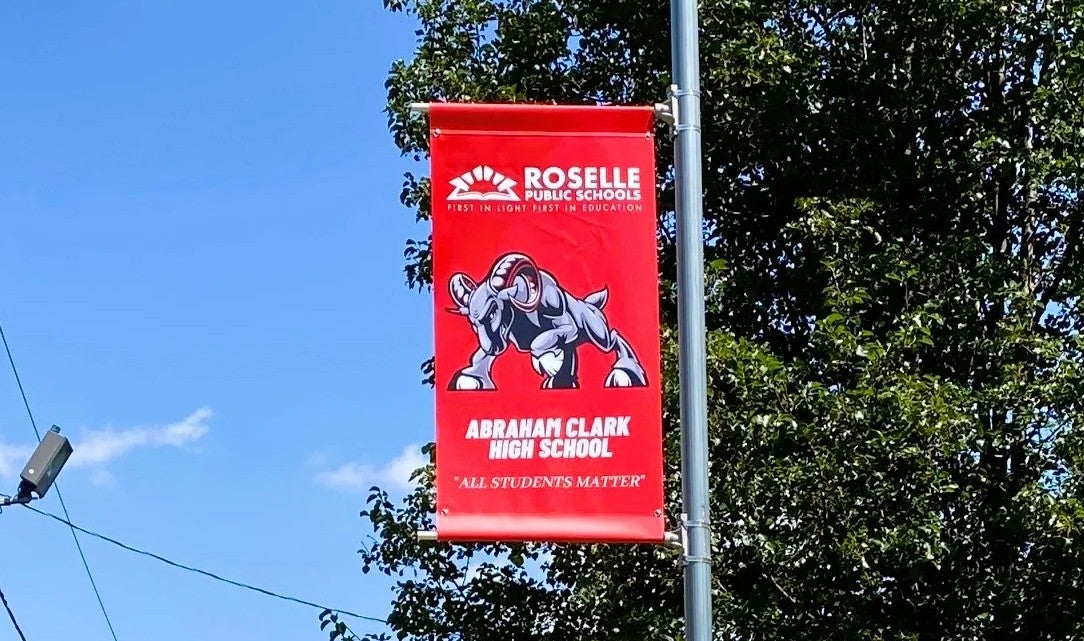
Small banners work when the viewing distance is close, and the message is simple.
Common options include:
• 2’ x 4’
• 2’ x 6’
Best Uses:
• Indoor promotions near entrances
• Directional messaging
• Tablefront displays at events
• Short-term announcements in windows
Small formats help you stay readable without overfilling the space. They also reduce printing costs when you only need short-range visibility.
Medium Banner Sizes (The Most Versatile Option)
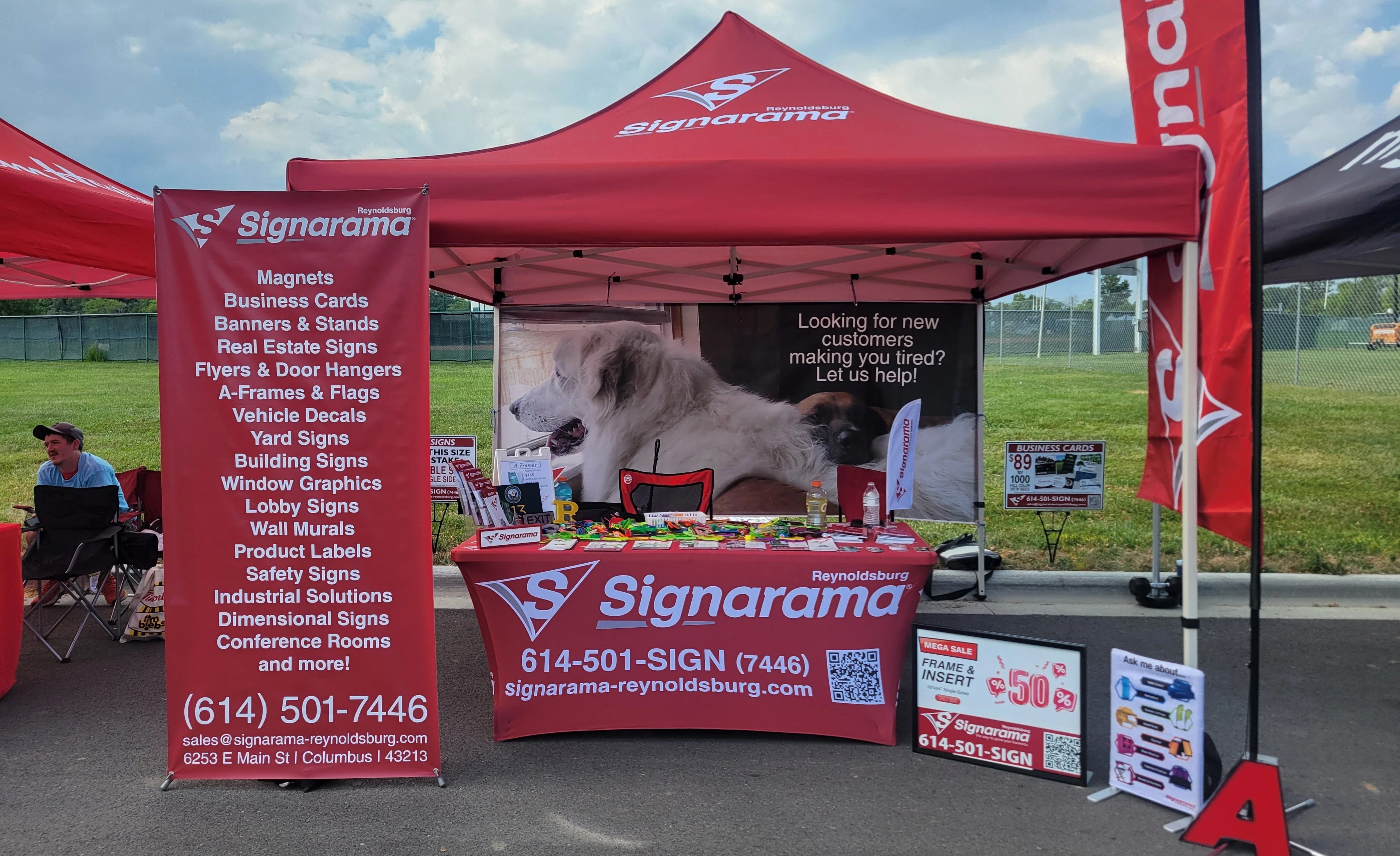
These sizes are widely used because they provide a strong balance between readability and placement flexibility.
Common options include:
• 3’ x 6’
• 3’ x 8’
Best Uses:
• Storefront promotions
• Pop-up events
• Fence banners with moderate traffic
• Booth signage
If you’re unsure, medium is often the safest starting point because it accommodates larger headlines while still fitting standard spaces.
Large Banner Sizes (Best For Roadside Visibility)
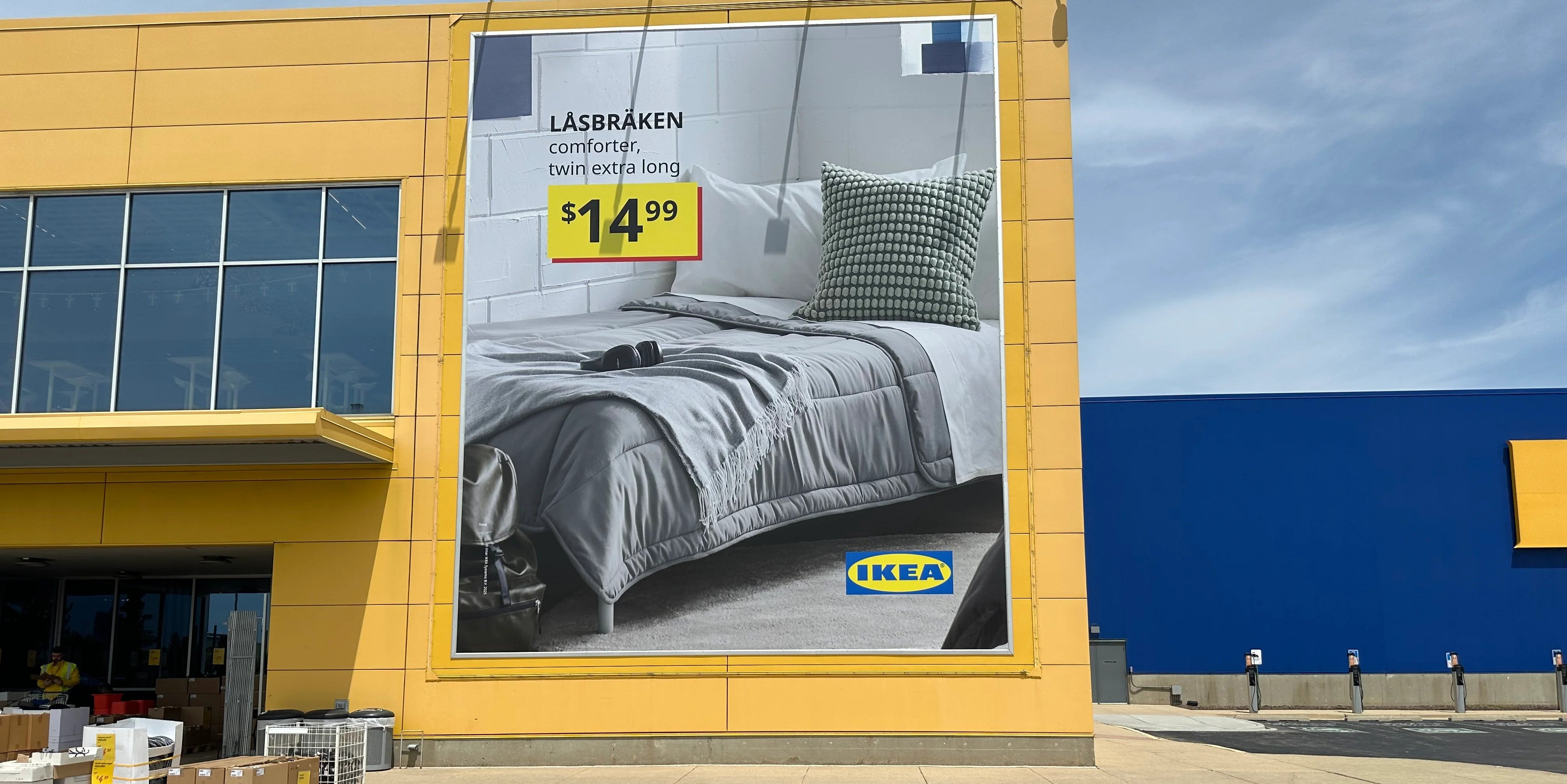
Large banners are designed for speed and distance, especially outdoors.
Common options include:
• 4’ x 8’
• 4’ x 10’
• 5’ x 10’
Best Uses:
• Roadside visibility near higher-speed traffic
• Large fence spans and construction sites
• Open lots and wide storefront zones
If the banner is meant to stop people in motion, large formats are usually the right call, but only if the design stays clean and readable.
Banner Size Chart: Quick Reference For Common Uses
If you’re choosing fast, a banner size chart helps you match purpose to layout. Think of this as a starting point, not a hard rule. The right banner dimensions still depend on viewing distance and placement.
Banner Size Chart By Purpose
• 2’ x 4’: Indoor promotions, directional signs, check-in areas
• 2’ x 6’: Hallway messaging, tablefront banners, small storefront windows
• 3’ x 6’: Sales banners, event banners, mid-range visibility
• 3’ x 8’: Storefront messaging, grand openings, fence banners
• 4’ x 8’: Fence spans, outdoor events, high-impact promotions
• 4’ x 10’ or 5’ x 10’: Roadside visibility, large lots, construction, and contractor branding
Banner Dimensions Vs. Readability
Size is only part of performance. Readability depends on:
• Contrast between text and background
• Font style and stroke thickness
• Line spacing and margins
• Word count and hierarchy
Banner Sizes Vs. Sign Sizes: What’s The Difference And Why It Matters
A banner is a flexible, fabric or vinyl display designed to be temporary, portable, and easy to install using grommets, pole pockets, or stands. A sign is a rigid display (often metal, plastic, acrylic, or foam board) designed to be durable, structured, and typically more permanent.
The Key Differences At A Glance
• Material: Banners are flexible; signs are rigid
• Lifespan: Banners are usually short-term; signs are often long-term
• Installation: Banners hang or mount with hardware; signs mount to walls, posts, or frames
• Use Case: Banners promote events and sales; signs support permanent branding and wayfinding
Why It Matters When Choosing Sizes
Banner sizes are often larger because they need to be visible from farther away and fill open spaces like fences or storefronts. Sign sizes are more controlled because they’re built for fixed locations and long-term readability, often with stricter placement or permitting rules.
When a Banner is the Better Choice
Banners work best when you need flexibility and speed.
Choose a banner for:
• Short-term promotions
• Seasonal campaigns
• Events and fundraisers
• Portable marketing
They are lightweight, easier to install, and easier to swap out.
When You Need a Rigid Sign Instead
Rigid signs are best for longevity and consistent branding.
Choose a rigid sign for:
• Permanent storefront identification
• Wayfinding and directional signage
• Property and job site requirements
• Long-term outdoor exposure
Rigid signs can also maintain shape and readability better over time, especially in harsh weather.
Choosing Between Banner Dimensions And Sign Dimensions
Ask these questions:
• How long do I need it to last?
• Will wind and weather be a constant issue?
• Will it be moved and reused?
• Does it need to look premium and permanent?
If you need a quick, high-impact message for a limited-time promotion, choose a banner. If you need lasting, consistent visibility for your business, choose a sign.
Common Banner Size Mistakes And How To Avoid Them
Choosing Based On Budget Alone
The cheapest banner is often the most expensive one after you factor in poor visibility and reprints. A slightly larger standard banner size can outperform a smaller banner if it improves readability.
Overloading The Banner WITH Text
The human brain prioritizes what it can process quickly. Research in visual attention and advertising consistently shows that simpler messaging is easier to recall and act on. Your banner should communicate one main point.
A strong structure is:
• Headline
• Offer or event
• Brand identifier
• Optional contact detail
Ignoring Hardware And Hanging Options
Your banner should match its installation needs. If the finishing is wrong, the banner can sag, tear, or become distorted. Common options include: Grommets for hanging, Pole pockets for banners that slide onto rods, Reinforced hems for better durability, and Stands and frames for events.
Best Banner Size Options For Popular Uses In Danbury, CT
Retail Sales And Storefront Promotions
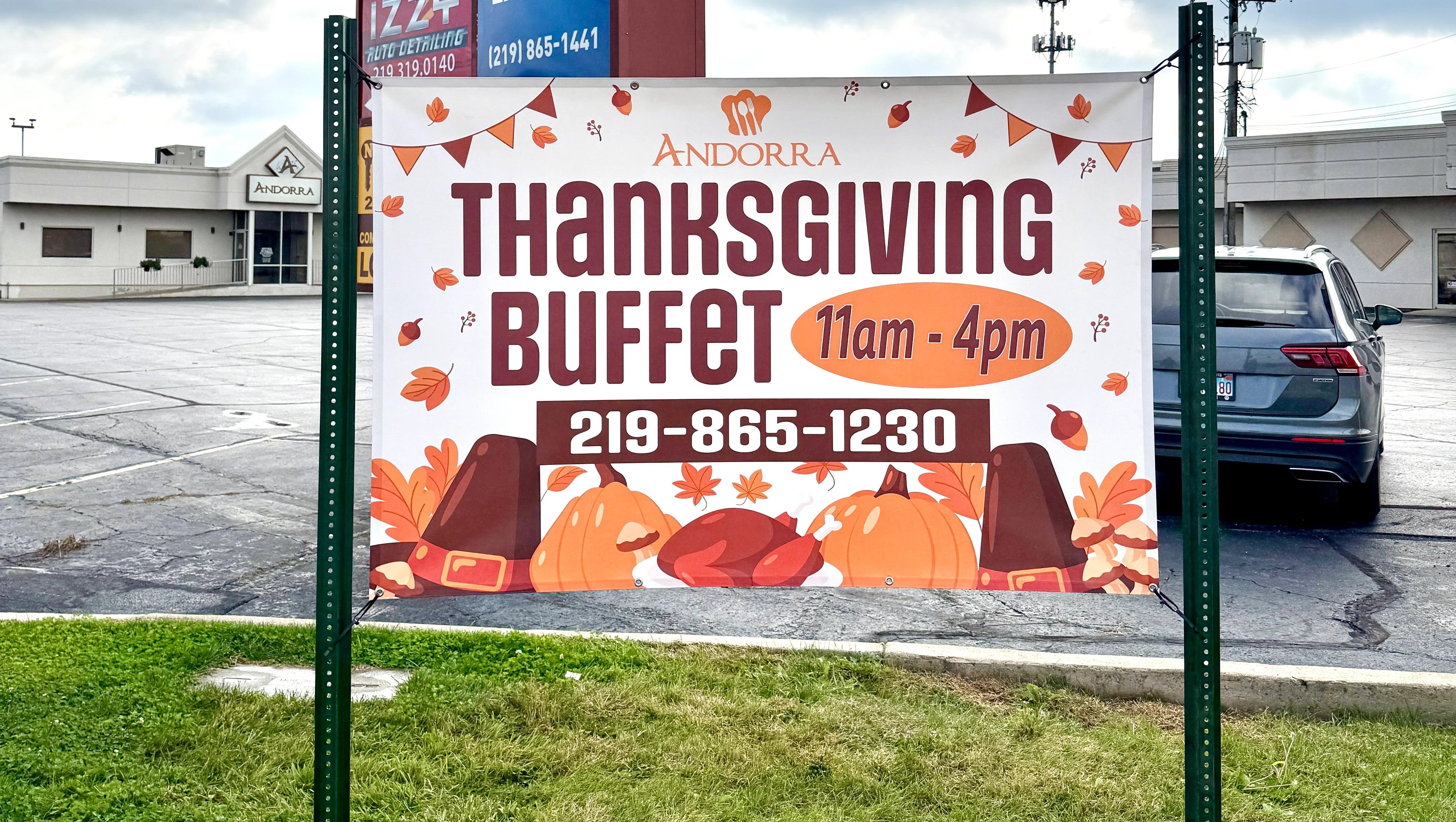
For storefront windows and building-front messaging, the most common standard banner sizes are:
• 3’ x 6’ for mid-range visibility
• 3’ x 8’ for a stronger impact across parking lots
• 4’ x 8’ for larger storefronts or roadside visibility
Local tip: If your banner faces the street, size up and simplify the message. People are moving.
School, Church, And Community Events
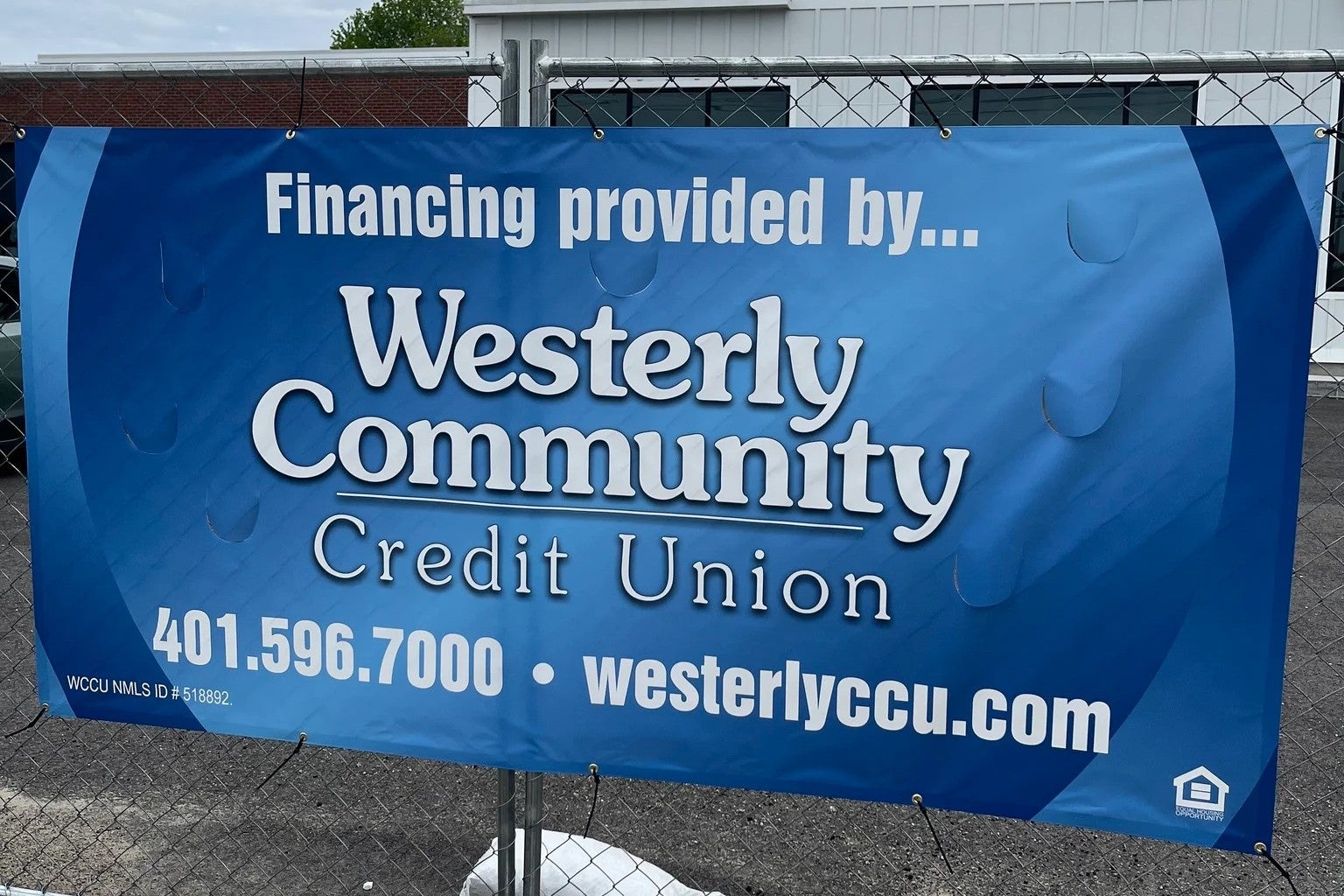
Event banners often need to be readable in crowded environments, where people are scanning fast.
Strong options include:
• 3’ x 6’ for indoor events and entrance visibility
• 4’ x 8’ for outdoor fields, parking areas, and sponsor banners
If you plan to include sponsor logos, you often need more banner dimensions to prevent the main event title from shrinking.
Construction, Contractors, And Job Sites
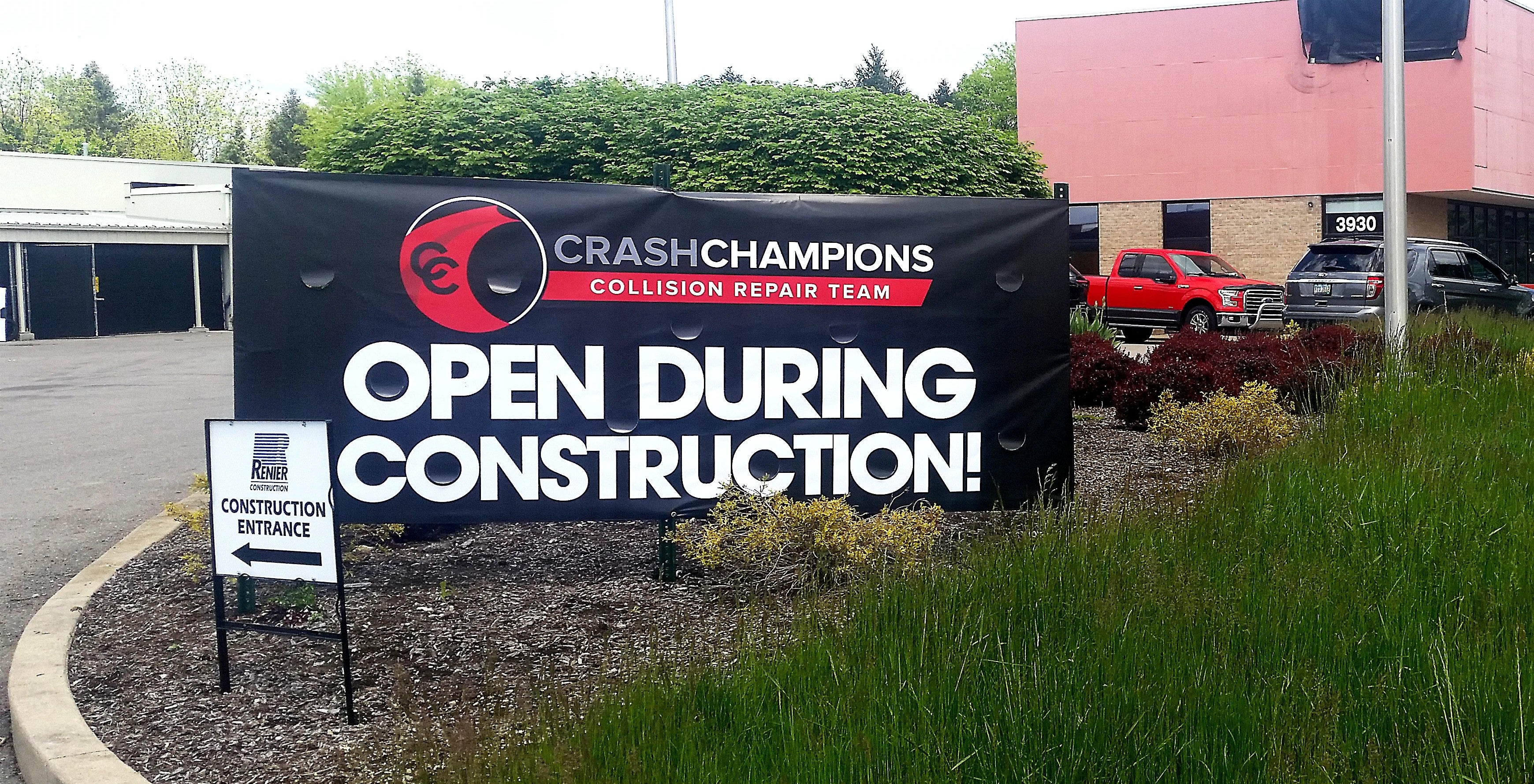
Construction banners serve visibility and credibility. They need to be readable from a distance and hold up outdoors.
Top choices include:
• 4’ x 8’
• 4’ x 10’
• 5’ x 10’
Job site banners should prioritize a large company name, one service line, and a phone number or URL. Extra details usually hurt more than they help.
Trade Shows And Business Expos
For booth banners, choose based on booth size and foot traffic flow.
Common options:
• 3’ x 6’ for booth backdrops and perimeter banners
• Retractable banner formats for vertical visibility
Trade show environments are visually noisy. Larger type and shorter messaging win.
How To Pick THE Right Banner Size Fast
Use This 3-Step Banner Size Checklist
- Measure the Space: Know the width and height you can realistically use.
- Estimate Viewing Distance: Decide how far away your audience will be when they first see it.
- Decide Your Main Message: One headline, one goal, minimal text.
When You Should Ask For A Custom Size
Standard sizes cover most use cases, but custom banner sizes make sense when:
• The wall or fence span is unusual
• A venue has specific placement rules
• You need a step-and-repeat style backdrop
• You are filling a large or oddly shaped area
Custom banner dimensions can also reduce wasted space, which helps your banner look intentional, not improvised.
Frequently Asked Questions | Banner Sizes in Danbury, CT
What Is A Standard Size For A Banner?
A standard banner size depends on where and how it’s used, but the most common vinyl banner dimensions for print are 2’ x 4’, 3’ x 6’, 4’ x 8’, and 4’ x 10’. These sizes are popular because they fit typical storefronts, fences, event setups, and mounting hardware.
What Size Is A 4x6 Banner?
A 4x6 banner is typically 4 feet high by 6 feet wide (4’ x 6’) when referencing physical banners. It’s considered a mid-size banner, often used for:
• Indoor events
• Promotions near entrances
• Wall displays
• Smaller outdoor placements with moderate viewing distance
Because 4’ x 6’ is not as common as 3’ x 6’ or 4’ x 8’, some printers treat it as a custom size, but it is still widely available.
What Size Is A 10x10 Banner?
A 10x10 banner usually means 10 feet by 10 feet (10’ x 10’), a large square banner designed for maximum visibility. It’s often used for:
• Large outdoor events
• Stage backdrops
• Sponsor walls
• Gymnasium or field signage
• Building-side visibility where permitted
Because it’s a high-surface-area banner, the key is keeping the message simple and making sure the banner is properly reinforced for wind and tension.
What Size Is A 3x5 Banner?
A 3x5 banner typically means 3 feet high by 5 feet wide (3’ x 5’). It’s a practical size for mid-range visibility when you need more impact than small formats but do not have room for something like 3’ x 6’ or 4’ x 8’. A 3’ x 5’ banner works well for:
• Indoor promotions
• Smaller storefront windows
• Vendor booths and pop-up tables
• Directional banners at events
It also gives you enough room for a headline and logo without forcing your design to feel cramped.
What Is THE Most Popular Banner Size?
The most popular banner size for vinyl banners is 3’ x 6’. It’s widely used because it:
• Fits common storefront and event spaces
• Offers strong readability for mid-range viewing distances
• Works well for promotions, grand openings, and community events
• Balances cost and visibility better than many other standard banner sizes
For high-visibility outdoor use, 4’ x 8’ is also extremely common, especially for fence banners and roadside placement.
Get Banner Size Help From Signarama In Danbury, CT
When banner sizing goes wrong, it usually fails in predictable ways: text too small, layout too crowded, or placement mismatched to visibility. Signarama can help you select the right banner size, recommend the most effective layout, and choose finishes that hold up in Danbury’s seasonal conditions.
If you’re planning a promotion, event, grand opening, or seasonal campaign in Danbury, getting the banner size right now saves you time, money, and frustration later.

Signarama Danbury, CT
contact
Signarama Danbury, CT