

How to Design Effective Sports Signage for Outdoor Sporting Events in Danbury, CT
Dec 26, 2024 by Danbury, CT
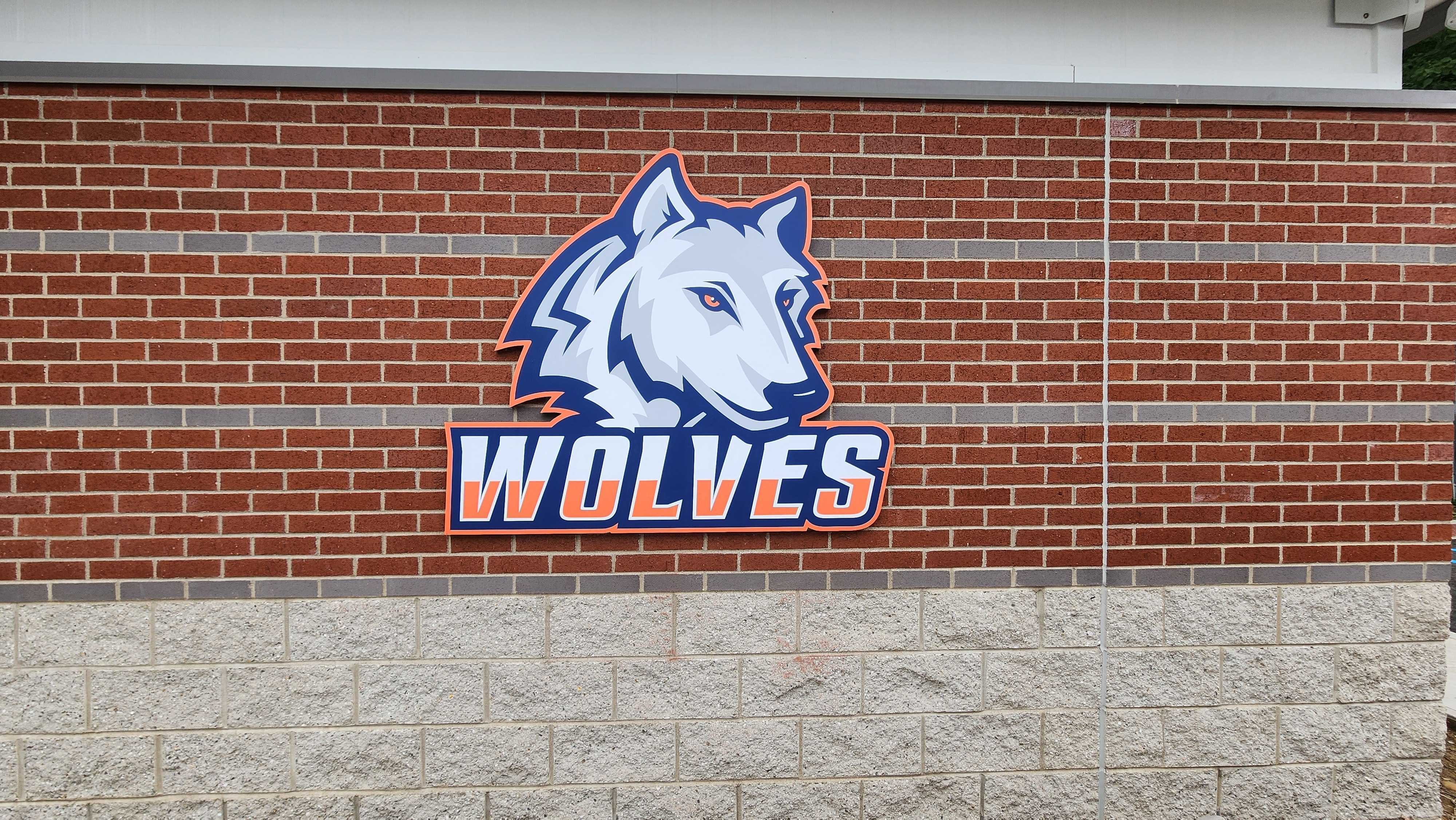
Item 1 of 1
Whether it's a high-stakes football match or a local marathon, well-designed sports signage can significantly enhance the experience for spectators and participants alike. From guiding fans to their seats to promoting sponsors, effective sports signage is a crucial element that can make or break an event's success. Discover how to design effective sports signage for outdoor sporting events in Danbury, CT, as we cover everything from design principles to practical implementation tips.
What is Sports Signage?
Sports signage refers to the various types of signs used at sporting events to communicate information to spectators, participants, and staff. These signs serve multiple functions, including providing directions, displaying event schedules, promoting sponsors, and conveying safety instructions.
Sports signage can range from static banners and billboards to dynamic digital displays and interactive elements. The primary goal of sports signage is to enhance the overall experience of attendees by delivering clear, accessible, and relevant information throughout the event.
5 Types of Sports Signage and Their Functions
Effective sports signage is crucial for enhancing the experience of attendees at outdoor sporting events. Understanding these types helps in selecting the right signage for your event's needs, ensuring smooth operations and a memorable experience for all participants.
1. Directional Signage
Directional sports signage is essential for guiding attendees through the venue. This includes signs for entrances, exits, seating sections, restrooms, and concession areas. Effective directional signage reduces confusion and helps maintain smooth crowd flow.
2. Informational Signage
Informational sports signage provides critical updates and details, such as event schedules, team line-ups, and live scores. This type of signage is crucial for keeping the audience engaged and informed throughout the event.
3. Promotional Signage
Promotional sports signage is used to advertise sponsors, merchandise, and future events. This signage helps generate additional revenue and adds a commercial aspect to the event. Eye-catching designs and strategic placements are key to maximizing the impact of promotional signage.
4. Safety and Regulatory Signage
Safety and regulatory sports signage are vital for ensuring the well-being of all attendees. This includes signs for emergency exits, first aid stations, and warnings about prohibited items or restricted areas. Clear and visible safety signage helps prevent accidents and ensures compliance with regulations.
5. Digital Signage
Digital sports signage offers dynamic content and real-time updates, making it a versatile tool for any event. From displaying live scores and player stats to interactive features like polls and social media feeds, digital signage can enhance the overall experience and engagement of the audience.
How to Design Effective Sports Signage for Outdoor Sporting Events
Designing effective sports signage for outdoor sporting events requires a comprehensive understanding of various elements, from audience demographics to material selection. It is crucial to create signage that is not only visually appealing but also functional and durable. Below are the key considerations and actionable steps for designing impactful sports signage.
1. Understand Your Audience Demographics
Understanding your audience is the first and most critical step in designing effective sports signage. Consider the age, cultural background, and preferences of your attendees. For instance, events targeting a younger demographic may benefit from vibrant, modern designs, while a more mature audience might prefer traditional aesthetics. This helps in tailoring the design and content of the signage to resonate with the audience.
2. Consider Event Type and Venue
The type of sport and venue significantly influence the design and placement of sports signage. A football stadium, with its vast space and large audience, may require large-scale, high-visibility signs, whereas a tennis court might focus on more detailed and closer-up informational displays. Additionally, the layout and characteristics of the venue, such as whether it is indoor or outdoor, will determine the durability requirements for the signage materials and the overall design approach.
3. Account for Weather and Environmental Factors
Outdoor events are susceptible to various weather conditions, which must be considered when designing sports signage. Choose materials that are weather-resistant to withstand elements like wind, rain, and sun exposure. Vinyl, PVC, and aluminum composite panels are popular choices for their durability. Additionally, consider UV-resistant inks to prevent fading from sunlight. For eco-friendly options, look for recyclable or sustainable materials.
4. Prioritize Clarity and Legibility
Clarity and legibility are paramount in sports signage design. Use large, easy-to-read fonts that are visible from a distance, and opt for simple, sans-serif fonts that are generally more readable under varying lighting conditions. Ensure a high contrast between the text and the background, such as black text on a white background, to enhance readability. Avoid overcrowding the signage with excessive information or complex graphics; instead, focus on delivering clear, concise messages that are easy for attendees to understand at a glance.
5. Use High-Contrast and Vibrant Colors
Color plays a crucial role in attracting attention and conveying messages in sports signage. Use high-contrast color combinations to ensure visibility, especially in bright sunlight or low-light conditions. Vibrant colors like red, yellow, and blue can be effective for drawing attention. However, it's important to align these colors with the event's branding or team colors to maintain a cohesive visual identity. Limit the number of colors used to avoid visual clutter and enhance the sign's effectiveness.
6. Incorporate Icons and Universal Symbols
Incorporating universally recognized icons and symbols helps communicate messages quickly and clearly, especially for directional or facility-related signage. Icons are effective in overcoming language barriers, making them essential for diverse audiences. Ensure these icons are simple and standardized, facilitating easy recognition and understanding. This approach not only clarifies the signage's message but also makes it accessible to all attendees, regardless of language or literacy level.
7. Ensure Consistency with Branding
Consistency in branding across all sports signage is vital for a professional appearance and cohesive experience. Use the same colors, fonts, and logos throughout the signage to reinforce the event's brand identity. Consistent branding helps in creating a seamless visual experience, making the event more memorable for spectators and enhancing brand recognition. This also aids in establishing a professional look and feel, which can attract future attendees and sponsors.
8. Strategically Position Signage for Maximum Visibility
The placement of sports signage is crucial for its effectiveness. Position signs in high-traffic areas where they are most likely to be seen by attendees, such as entrances, exits, and main pathways. For directional signage, place them at decision points like intersections and access points. Ensure that all signs are at eye level and unobstructed by trees or other structures. In large venues, consider using elevated or overhead signs to improve visibility.
9. Incorporate Digital and Interactive Elements
Digital and interactive elements can significantly enhance the impact of sports signage. Digital displays offer the flexibility to provide real-time updates, such as scores, schedules, and announcements. Interactive features, such as QR codes, can direct attendees to mobile apps, websites, or social media pages for more information or exclusive content. Digital signage can also serve as an additional revenue stream by displaying advertisements and promotions.
10. Plan for Accessibility and Inclusivity
Accessibility is an essential consideration in sports signage design. Ensure that all signage is accessible to individuals with disabilities, including those with visual impairments. This may involve using large fonts, high-contrast colors, and Braille on essential signs. Additionally, consider providing signage in multiple languages if the event attracts an international or diverse audience. Incorporating these elements not only ensures compliance with accessibility standards but also enhances the inclusivity of the event.
11. Regularly Update and Maintain Signage
Effective sports signage requires regular updates and maintenance. Before the event, thoroughly inspect all signage to ensure it is in good condition and accurate. During the event, have a team ready to address any issues, such as damage or missing signs. For multi-day events, update signage as necessary to reflect any changes in schedules or sponsors. Post-event, evaluate the signage's effectiveness and gather feedback for future improvements.
Why is Sports Signages Essential in Outdoor Sporting Events?
Effective sports signage is an essential component of outdoor sporting events. From guiding spectators and promoting sponsors to ensuring safety and accessibility, sports signage serves multiple functions that contribute to the success and smooth operation of the event.
1. Enhances Audience Experience
Sports signage plays a crucial role in enhancing the overall experience for attendees at outdoor sporting events. It provides clear and easy-to-follow directions, helping spectators find their seats, restrooms, and concessions. By offering real-time information like live scores, event schedules, and player statistics, sports signage keeps the audience engaged and informed.
2. Boosts Branding and Sponsorship Visibility
For sponsors and event organizers, sports signage is an invaluable tool for increasing brand visibility and engagement. Banners, digital displays, and promotional boards prominently feature sponsor logos and messages, creating a memorable impact on attendees. Effective sports signage not only reinforces the event's branding but also provides sponsors with a platform to reach their target audience.
3. Ensures Safety and Crowd Management
Safety is paramount at outdoor sporting events, and sports signage is essential for effective crowd management. Clearly marked signs direct attendees to emergency exits, first aid stations, and restricted areas, helping to manage crowd flow and prevent congestion. In emergencies, well-placed sports signage provides critical instructions, guiding spectators to safety and minimizing confusion.
4. Facilitates Communication and Engagement
Sports signage serves as a vital communication tool, conveying important information quickly and efficiently. Interactive elements like QR codes can direct attendees to additional content, special offers, or event apps, enhancing engagement. By providing clear and accessible information, sports signage ensures that attendees are well-informed and can participate fully in the event experience.
5. Promotes Merchandise and Concessions
Effective sports signage can significantly boost sales of merchandise and concessions. By clearly indicating the location of stands and highlighting special deals, sports signage encourages attendees to make purchases. Eye-catching signs and banners can attract attention and draw crowds to these areas, increasing overall revenue for the event.
6. Supports Accessibility and Inclusivity
Sports signage is essential for making events accessible to all attendees, including those with disabilities. Providing clear directions to accessible facilities, using easily recognizable icons, and offering signage in multiple languages ensure that everyone can navigate the venue comfortably. This approach enhances the event's appeal and ensures a positive experience for all participants.
7. Enhances Event Atmosphere and Aesthetics
Well-designed sports signage contributes to the overall atmosphere and aesthetics of an event. It can reinforce the event's theme, create a cohesive visual identity, and add to the excitement and energy of the occasion. Vibrant and strategically placed sports signage helps in creating a lively and engaging environment, enhancing the overall enjoyment for attendees.
8. Improves Operational Efficiency
Sports signage is crucial for the smooth operation of an event. It helps in organizing the flow of attendees, staff, and volunteers, reducing confusion and ensuring that everyone knows where they need to be. By clearly indicating key areas such as ticketing, entrances, and exits, sports signage streamlines logistics and improves the overall efficiency of event operations.
DIY Signage Making vs Hiring a Professional Signage Maker: Which is Better?
Choosing between DIY signage making and hiring a professional signage maker can significantly impact the quality and effectiveness of your event's visual communication. Each option offers distinct advantages and challenges, depending on factors like budget, time, and desired quality.
DIY Signage Making
Hiring a Professional Signage Maker
Cost
Cost-effective for small-scale events or simple signage requirements
Typically involves a higher upfront cost but can save time and effort in the long run
Creative Control
Complete creative control, allowing experimentation with designs, colors, and materials
Limited creative control as professionals guide the design process based on expertise
Tools and Technology
Requires graphic design software and accessible printing options, which are more available now
Access to advanced tools, high-quality materials, and professional-grade printing and installation methods
Time Investment
Significant time investment required, depending on skills and resources
Saves time as professionals handle the entire process
Quality
Quality can vary depending on skills and resources
High-quality results due to professional experience and expertise
Durability
May lack durability and weather resistance, potentially leading to increased costs and effort for maintenance or replacement
Designed to withstand various weather conditions and usage scenarios, often includes warranties and maintenance services
Expertise
Depends on personal skill level, potentially leading to inconsistencies in branding and design
Expertise in design, visibility, branding consistency, and compliance with safety regulations
Maintenance and Support
Maintenance and replacement may be required more frequently
Often includes warranties and ongoing maintenance services
Flexibility
Highly flexible in terms of design and execution
Limited flexibility as the design and production are managed by professionals
Outcome
Can produce professional-looking signs with enough skill and resources, though results can vary
Consistently polished and professional result
Frequently Asked Questions
How do I ensure consistency in branding across all sports signage?
Consistency in branding involves using the same colors, fonts, logos, and design elements across all signage. This creates a cohesive visual identity and reinforces brand recognition. It’s important to adhere to brand guidelines to maintain a professional and unified look throughout the event.
What are some common mistakes to avoid in sports signage design?
Common mistakes include overloading signs with too much information, using hard-to-read fonts or low-contrast color schemes, and neglecting the durability and weather resistance of materials. Additionally, inconsistent branding and poor placement can reduce the effectiveness of the signage. It's essential to keep designs simple, messages clear, and consider the viewer's experience from various angles.
What factors should be considered when designing signage for different sports?
The design of sports signage can vary significantly depending on the sport and its unique needs. For example, signage for a marathon may focus on directional guidance and hydration points, while a football stadium might emphasize seating sections and exits. It's important to consider the pace of the sport, the size of the venue, and the audience's viewing habits to ensure the signage is functional and effective.
Why is wayfinding signage important at large sporting events?
Wayfinding signage is crucial at large sporting events to help attendees navigate the venue efficiently. It reduces confusion, prevents congestion, and enhances the overall attendee experience by clearly indicating directions to key areas such as seating, restrooms, concessions, and exits. Effective wayfinding signage also contributes to safety by guiding crowds and providing clear instructions during emergencies.
Is it possible to achieve professional-quality results with DIY signage making?
While challenging, it is possible to achieve professional-quality results with DIY signage if you have the right skills, tools, and materials. Investing in high-quality design software, durable materials, and proper printing equipment can help. However, the learning curve and time investment can be significant, and there is still a risk of not matching the quality of professional services.
Score Big with Signarama, The Go-To for Sports Signage in Danbury, CT
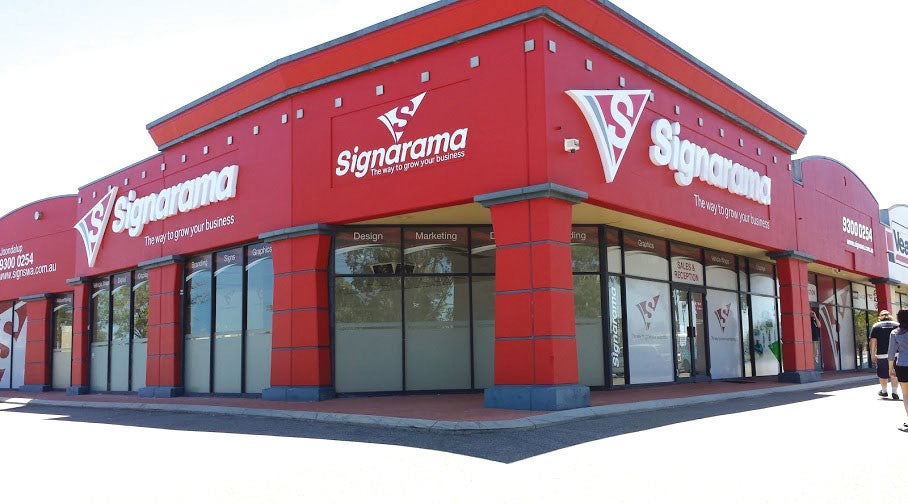
When it comes to high-quality sports signage, choosing the right provider is crucial for ensuring your event's success and professionalism. Signarama stands out as the premier choice for creating eye-catching and durable signs tailored to your needs in Danbury, CT. We understand the unique challenges of outdoor events in Danbury, CT and provide solutions that ensure maximum visibility and brand consistency. Contact us to learn more about our services!

Signarama Danbury, CT
35 Eagle Rd
Danbury Connecticut 06810
Opening Hours:
Monday
8:00 am - 4:00 pm
Tuesday
8:00 am - 4:00 pm
Wednesday
8:00 am - 4:00 pm
Thursday
8:00 am - 4:00 pm
Friday
8:00 am - 4:00 pm
contact
Signarama Danbury, CT
CLIENTS WE HAVE WORKED WITH: