

How to Choose the Best Weatherproof Outdoor Sign Materials for Extreme Climates in Danbury, CT
Aug 6, 2025 by Signarama Danbury

Outdoor signage communicates a brand’s message, guiding people, and enhancing visibility. However, in extreme climates, signs are exposed to weather conditions that can cause rapid deterioration, rendering them ineffective and unprofessional.
Understanding Extreme Climates and Their Impact on Outdoor Signs
1. High Heat & UV Exposure
Extreme heat can cause materials to warp, fade, or become brittle. In Danbury, summer temperatures can regularly hit the high 80s and 90s°F, and the constant exposure to UV rays can quickly deteriorate your sign. When choosing the best material for outdoor signs, consider materials that are UV-resistant and can handle high temperatures without fading or warping.
2. Cold Temperatures & Freezing Conditions
Winter temperatures in Danbury can drop well below freezing, with snowstorms and ice becoming common. Freezing conditions put additional strain on outdoor signage, especially materials that expand and contract. Certain materials may crack or shatter when exposed to freezing temperatures, causing irreparable damage.
3. Heavy Rain & Snow
While Danbury does not get excessive rainfall, snow and ice can create problems for outdoor signage. Moisture can seep into the material, causing it to warp or corrode. Furthermore, the freeze-thaw cycle can cause materials to crack or degrade over time, making it crucial to choose materials with water-resistant properties.
4. Wind & Storms
Danbury is no stranger to strong winds, particularly during winter storms and tropical weather events. Winds can bend or even tear weak materials, especially if the sign is large. Choosing weatherproof outdoor signs material that offers excellent wind resistance is vital in ensuring your signage doesn’t blow away or become damaged during a storm.
7 Best Weatherproof Outdoor Sign Materials for Extreme Climates
1. Aluminum
Aluminum is a standout choice for outdoor signage, particularly in areas that experience both hot summers and cold winters. Aluminum is commonly used for street signs, business logos, and wayfinding signs.
Why Choose Aluminum
-
Lightweight yet durable: Easy to handle and install without sacrificing strength.
-
Highly resistant to corrosion and rust: Aluminum won’t rust, making it perfect for environments with varying moisture levels.
-
Suitable for both hot and cold climates: It withstands high heat in the summer and the freezing cold of winter without deteriorating.
-
Low maintenance: Aluminum’s ability to resist rust and fading reduces maintenance costs over time.
-
Easy to customize: The material can be easily printed, cut, and shaped, allowing for tailored designs.
2. Acrylic
Acrylic is perfect for businesses in Danbury that want a modern, sleek look while still ensuring durability. This material is ideal for signage that requires visibility and aesthetics, such as storefronts, office buildings, or retail signage.
Why Choose Acrylic
-
UV-resistant, preventing fading: Acrylic maintains its vibrant appearance over time, even under direct sunlight.
-
Withstands extreme temperatures: Acrylic can endure the temperature fluctuations common in Danbury without cracking or becoming brittle.
-
Lightweight but strong: Despite being lightweight, acrylic provides long-lasting durability.
-
Offers a modern, sleek appearance: Acrylic signs are often used for high-end, professional displays due to their clean, clear look.
3. High-Density Polyethylene (HDPE)
HDPE is a great material for outdoor signage in areas with extreme weather conditions. It's a popular choice for municipalities, schools, and commercial buildings in Danbury that need signs that can withstand rough weather, including snowstorms and freezing temperatures.
Why Choose HDPE
-
Resistant to moisture and water: HDPE’s water-resistant nature makes it perfect for damp environments, protecting against mold and corrosion.
-
Strong and durable under impacts: This material holds up against physical impacts like hail or debris.
-
Does not warp or crack in cold temperatures: HDPE stays intact even when subjected to freezing conditions.
-
UV resistant: The material resists UV rays, ensuring it doesn't fade or become brittle in the sun.
4. PVC (Polyvinyl Chloride)
PVC is commonly used in commercial outdoor signage, particularly in environments where cost-effectiveness is a priority without sacrificing quality. It is a great choice for businesses in Danbury looking for outdoor signage that offers a balance of durability and affordability.
Why Choose PVC
-
Lightweight and durable: PVC is easy to handle and install, while still being strong enough to resist damage.
-
Resistant to UV rays, moisture, and harsh weather: PVC’s moisture resistance ensures it won’t rot, and its UV protection keeps colors vibrant.
-
Low maintenance: PVC requires minimal upkeep, making it a cost-effective solution for long-term outdoor signage.
-
Cost-effective: PVC is an affordable material, ideal for businesses on a budget but still seeking weatherproof solutions.
5. Stainless Steel
Stainless steel is an excellent choice for businesses in Danbury that want a durable and high-end aesthetic for their weatherproof outdoor signs material. This material is perfect for industrial, corporate, and retail signage, especially when aesthetics and long-term durability are a top priority.
Why Choose Stainless Steel
-
Extremely durable and corrosion-resistant: Stainless steel resists corrosion, rust, and staining, ensuring your sign stays intact for years.
-
Offers a sleek, modern look: Its shiny, reflective surface gives a polished, professional appearance.
-
Minimal maintenance required: Once installed, stainless steel requires little upkeep and remains attractive over time.
-
Performs well in both cold and hot climates: Stainless steel can withstand extreme temperatures without cracking or fading.
6. Wood Composites
Wood composites offer a natural, rustic look, perfect for businesses like restaurants, wineries, and rustic-style stores in Danbury that want an organic aesthetic. These engineered materials combine the beauty of wood with the durability of synthetic materials, making them an excellent choice for outdoor signage. Treated wood, especially with proper sealing can withstand outdoor conditions well.
Why Choose Wood Composites
-
Aesthetic appeal with a natural look: Wood composites provide a natural, earthy appeal that works well in outdoor settings.
-
Resistant to moisture and fading: Unlike traditional wood, wood composites resist water damage and fading.
-
Durable and long-lasting: Wood composites can withstand the elements better than untreated wood, offering longevity and reliability in all climates.
7. Weatherproof Vinyl
Vinyl is one of the most affordable weatherproof outdoor signs materials, making it ideal for businesses that need cost-effective signage for both short-term and long-term applications. It’s commonly used for banners, yard signs, and decals.
Why Choose Weatherproof Vinyl
-
Affordable and versatile: Vinyl provides an affordable solution for businesses, available in a wide range of colors and finishes.
-
Waterproof and UV resistant: It repels water and resists UV rays, ensuring long-term visibility and durability.
-
Available in a variety of colors and finishes: Vinyl can be customized in any color or design to match your business’s branding.
-
Low maintenance: Vinyl requires little care and can be easily cleaned with a damp cloth.
4 Factors to Consider When Choosing a Material for Your Outdoor Sign
1. Sign Size & Weight
The size and weight of your sign significantly influence your material choice. Larger signs require sturdy materials that can handle both the physical weight and external pressures like wind or storms. Lighter materials may not provide the durability needed for large outdoor signs.
-
Larger Signs: Materials like aluminum and stainless steel provide the strength needed to support large signage without bending or breaking.
-
Smaller or Medium Signs: PVC and vinyl work well for signs that need to be lightweight but still weatherproof. They are easier to handle and install while still offering protection against the elements.
-
Wind Resistance: Consider heavier materials such as stainless steel or HDPE for larger signs that need to stand up to strong winds or storms.
2. Aesthetic Requirements
While functionality and durability are key, the appearance of your outdoor sign is equally important. Whether you’re looking for a modern, sleek, or rustic design, selecting the right material will play a crucial role in achieving your desired aesthetic.
-
Modern & Sleek: Acrylic and stainless steel are perfect for a clean, professional look. They are customizable and can be used for high-end displays that demand attention.
-
Rustic & Natural: Wood composites offer a natural, earthy appeal while also being highly durable and resistant to the elements, ideal for businesses with a rustic brand image.
-
Versatility in Design: Vinyl and PVC offer a wide range of customization options, making them great for businesses looking for flexibility in design and color, while also ensuring the material is weatherproof.
3. Budget & Cost Efficiency
Budget is a critical consideration for many businesses when selecting weatherproof outdoor signs material. Fortunately, there are materials available that offer great value for money while providing durability and protection against the elements.
-
Affordable Options: PVC and weatherproof vinyl are cost-effective materials that still offer excellent resistance to UV rays, moisture, and harsh weather conditions. These are ideal for businesses looking for affordable outdoor signage that doesn’t compromise on quality.
-
Long-Term Investment: If you're looking for a long-term investment, materials like stainless steel and HDPE may have a higher upfront cost but will require less maintenance and last much longer.
-
Customization and Additional Features: Some materials, like acrylic and wood composites, can be more expensive due to their ability to be customized with high-quality finishes, unique shapes, and colors.
4. Maintenance Requirements
Different materials require varying levels of upkeep to remain in good condition. While some materials are virtually maintenance-free, others may need periodic care to retain their durability and appearance.
-
Low Maintenance Materials: Aluminum and stainless steel are incredibly durable and resist corrosion, requiring minimal care once installed. These materials are excellent choices for businesses that want hassle-free signage.
-
Moderate Maintenance: Acrylic and PVC are relatively low-maintenance but may need occasional cleaning or reapplication of UV coatings to keep them looking fresh.
-
Higher Maintenance: Wood composites provide a natural look but may require regular sealing and treatment to prevent water damage, fading, or warping.
Red Flags to Avoid When Choosing Weatherproof Outdoor Signs
When selecting the best material for outdoor signs, it's crucial to avoid common pitfalls that could compromise your investment. Not all weatherproof outdoor signs material performs equally well under different weather conditions. Here are some red flags to watch out for:
-
Unverified Weather Resistance: Don’t settle for materials that haven’t been tested for long-term weather exposure. Check for reviews, ratings, or certifications that confirm the material’s ability to handle various weather elements, like snow, rain, and sun.
-
Limited Warranty or No Warranty: If the material doesn’t come with a warranty, or if the warranty period is very short, it may indicate that the manufacturer lacks confidence in its durability. Look for a weatherproof outdoor signs material that comes with a solid warranty to protect your investment.
-
Unclear or Poorly Designed Mounting System: The mounting system is just as important as the material itself. If the outdoor signage doesn’t come with a secure and well-designed mounting system, it could lead to instability, potential damage, or the sign falling over in high winds or storms.
How to Care for Weatherproof Outdoor Signs
Caring for your weatherproof outdoor signs material is essential to ensuring longevity, maintaining a professional appearance, and maximizing your investment. Regular upkeep can significantly extend the life of your signage, preventing costly repairs or replacements.
Regular Inspection & Cleaning
Regular inspections and cleaning are key to maintaining your weatherproof outdoor signs material. Performing simple, routine checks can help you catch minor issues before they become major problems.
-
Inspect for Damage: Check for fading, cracks, or signs of wear due to weather exposure. Inspect edges, fasteners, and mounting hardware to ensure that everything is securely in place. Look for moisture buildup or rusting (if applicable) to avoid water damage or corrosion.
-
Clean Regularly: Gently clean your sign using mild soap and water. Avoid harsh chemicals that could damage the surface. Use a soft cloth or sponge to wipe down the sign to remove dirt, debris, and pollutants that can cause discoloration or degrade the material.
-
Address Mildew or Mold: If you live in a particularly humid environment, mold or mildew could develop on the surface. Use a mixture of vinegar and water to remove mildew without damaging your weatherproof outdoor signs material.
Protective Coatings & Maintenance
Some materials require additional protective coatings or sealants to maintain their durability and appearance. This step can help preserve the best material for outdoor signs for years to come, especially if it’s exposed to harsh conditions like UV rays, moisture, or extreme temperatures.
-
When to Apply Protective Coatings: For materials like aluminum or PVC, adding a protective UV coating can help prevent fading and deterioration from the sun. If you have wood composite signs, it’s important to periodically apply a weatherproof sealant to prevent moisture damage and preserve the wood’s appearance.
-
Regular Reapplication: Depending on the material, it may be necessary to reapply coatings every 1-2 years, especially after prolonged exposure to harsh weather. Keep track of when the last coat was applied and set reminders for future applications.
-
Check for Weatherproofing Integrity: Ensure that any sealants or protective coatings are still intact by examining the edges of your signage. If you notice peeling or flaking, it may be time to apply another layer to restore the protective barrier.
Repairing Damage
Even with weatherproof outdoor signs material, minor damage can occur over time. Addressing small issues promptly can help prevent them from escalating into larger, more costly repairs.
-
Fixing Small Cracks & Chips: For minor surface cracks or chips, consider using a sealant or adhesive designed for outdoor signage. This will prevent further damage and water infiltration. For acrylic or PVC signs, specialized repair kits are available that allow you to restore the surface to its original condition.
-
Reinforce Loose Fasteners: Over time, mounting hardware can loosen due to wind or other environmental factors. Tighten any loose fasteners to ensure that your outdoor signage remains secure and properly positioned.
-
Repair Rust or Corrosion: For metal signs like stainless steel, check for any signs of rust or corrosion. Use a wire brush to remove rust and follow up with a rust-resistant paint or coating to prevent further damage.
-
Replacing Damaged Parts: If a section of your weatherproof outdoor signs material has been severely damaged or compromised, it may be worth replacing just that part instead of the entire sign. This can save you money while still preserving your overall signage.
Frequently Asked Questions (FAQs)
Will PVC fade in the sun?
Yes, PVC can discolor with prolonged sun exposure, especially in lighter colors. However, our PVC signs are durable and weather-resistant, designed for both indoor and outdoor use. With UV inhibitors incorporated, they are better equipped to slow down the discoloration process. With companies like Signarama, the variety of sizes, shapes, and finishes ensures that specific weatherproofing needs are met.
What's the difference between weatherproof and waterproof?
Weatherproof materials resist weather conditions but aren’t entirely impermeable to water, while waterproof materials prevent water from entering completely. Waterproof materials offer more comprehensive protection, even in heavy rain or submersion.
Which property would be most important for materials used in outdoor signage?
Durability and weather resistance, particularly against UV, rain, snow, and wind, are key for outdoor signage materials. Materials that maintain their appearance and integrity through various weather conditions are critical for long-lasting signage.
Where is the best place to put signage?
Place signs at eye level, in high-traffic or corner areas, and ensure clear sightlines with minimal clutter. This positioning ensures maximum visibility and impact for your target audience.
How to waterproof a sign for the outside?
To waterproof a sign for outdoor use, applying marine varnish (also known as spar urethane) is an effective solution. It's simple to apply and offers excellent UV and water resistance, making it ideal for outdoor signs. Be cautious with epoxy, as most types tend to yellow over time when exposed to sunlight, even with proper preparation and sealing.
Create Stunning Outdoor Signs That Withstand the Elements
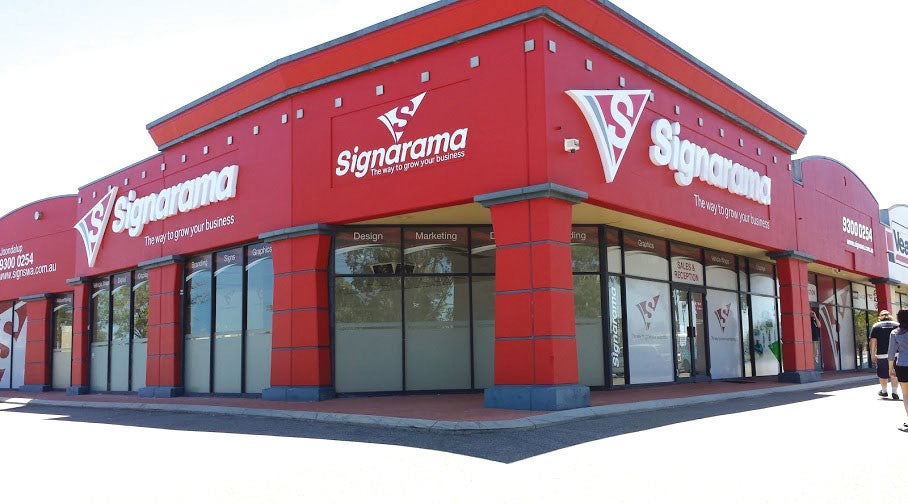
Ready to create signage that stands up to the elements and catches the eye? At Signarama, we are an award-winning, family-owned sign shop dedicated to bringing your custom sign visions to life. Our full-service team of designers, fabricators, and installers is here to help you choose the best material for your needs.
Stop by our showroom in Danbury, CT, and get started today!

Signarama Danbury, CT
contact
Signarama Danbury, CT