

Door Lettering for Businesses: A First Impression That Works 24/7
Feb 15, 2026 by Christopher Hayes
Your storefront has seconds—sometimes less—to capture attention. Before a customer walks through your doors, they’re already forming an opinion about your business. That’s where door lettering comes in.
Simple, cost-effective, and highly customizable, door lettering is one of the most overlooked yet impactful forms of business signage. Whether you operate a retail store in Danbury, medical office in Ridgefield, restaurant in New Milford, or professional service firm in Wilton, professionally designed door lettering communicates credibility, clarity, and brand confidence.
Let’s break down why it matters—and how to get it right.
What Is Door Lettering?
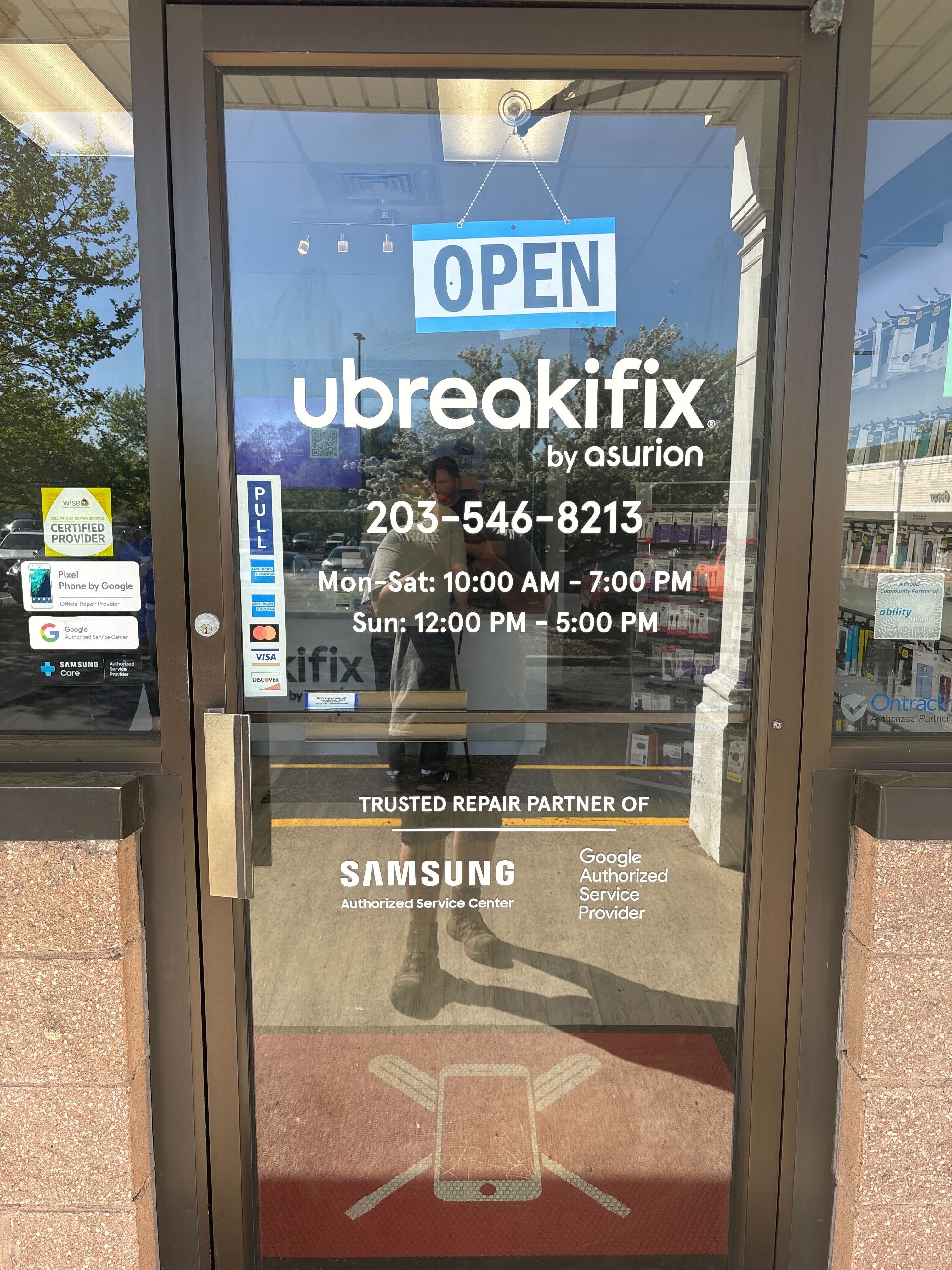
Door lettering typically consists of precision-cut vinyl graphics applied directly to glass doors. It can include:
-
Business name
-
Logo
-
Hours of operation
-
Phone number
-
Website
-
Suite number
-
Licensing information
-
Promotional messaging
Unlike bulky signage, vinyl door graphics create a clean, professional appearance while maximizing existing space.
Why Door Lettering Is Essential for Business Visibility
1. It Establishes Legitimacy Instantly
Consumers subconsciously associate professional signage with professionalism in service. Clean, well-designed door lettering tells customers:
-
You are established
-
You are detail-oriented
-
You take your brand seriously
In competitive markets—especially in retail centers where businesses sit side by side—this matters.
2. It Reinforces Brand Identity
Your door should match your overall branding—colors, typography, and tone. Consistent branding builds trust and recognition over time.
3. It Provides Critical Information
Clear, visible information reduces friction for customers. Door lettering commonly includes:
-
Store hours
-
Holiday hours
-
Accepted payment types
For medical, legal, and financial offices, displaying required credentials or compliance notices can also be essential.
4. It’s a Cost-Effective Marketing Tool
Compared to illuminated signs or monument signage, door lettering is a low-investment, high-impact solution. Yet it works continuously:
-
During business hours
-
After hours
-
Weekends
-
Holidays
It’s permanent marketing real estate.
Types of Door Lettering Options
Not all door graphics are created equal. Here are the most popular styles:
Frosted Vinyl Lettering
Creates a sophisticated etched-glass appearance. Ideal for:
-
Professional offices
-
Medical practices
-
Financial institutions
Adds privacy while maintaining natural light.
Cut Vinyl Lettering
Precision-cut solid color lettering applied directly to glass. Ideal for:
-
Retail shops
-
Restaurants
-
Fitness studios
-
Service businesses
Clean, bold, and highly visible.
Perforated Window Film (Perf)
Allows visibility from inside while displaying graphics on the outside. Useful for promotional messaging or branding expansion beyond just lettering.
Full Glass Graphics
For maximum impact, combining door lettering with full window graphics creates a cohesive storefront statement.
Industries That Benefit Most from Door Lettering
Based on consumer and business insights, certain industries see especially strong returns from professional storefront branding:
-
Medical & Healthcare Practices – Reinforces professionalism and trust
-
Professional Services – Attorneys, accountants, consultants
-
Hospitality – Restaurants, bars, hotels
-
Retail Stores – Boosts walk-in recognition
-
Fitness & Sports Facilities – High-visibility branding
-
Home Services – Establishes credibility in shared office parks
Design Best Practices for Business Door Lettering
To maximize effectiveness, follow these principles:
Keep It Readable
-
High contrast between lettering and background
-
Avoid overly decorative fonts
-
Ensure visibility from at least 5–10 feet away
Prioritize Hierarchy
Your business name should be the most prominent element. Secondary information like hours should be clearly organized below.
Use Brand Colors Strategically
Consistency builds recognition. Choose vinyl colors that align with your established brand palette.
Mind Local Regulations
Some municipalities or landlords regulate:
-
Lettering size
-
Placement
-
Coverage percentage of glass
A professional signage partner ensures compliance before installation.
Door Lettering + Local Marketing Strategy
Door lettering doesn’t exist in isolation. It works best when integrated into a broader storefront branding strategy that may include:
-
Channel letters
-
Monument signs
-
Window graphics
-
Wall graphics
-
Wayfinding signage
When all elements work together, your storefront becomes a cohesive brand statement—not just a location.
How Door Lettering Influences Customer Behavior
Studies consistently show that physical presentation influences purchasing decisions. Clean, professional signage:
-
Increases walk-in confidence
-
Improves brand recall
-
Signals reliability
-
Reduces confusion
For mature business owners and decision-makers—especially those who value ROI and quality—clear, durable signage communicates long-term investment and stability.
And for businesses targeting homeowners or established professionals, polished presentation builds trust before the first conversation even begins.
Installation Matters
Even the best design can fail if installation is poor. Proper installation ensures:
-
Bubble-free application
-
Straight alignment
-
Correct spacing
-
Long-term adhesion
-
Weather resistance
Professional installers also ensure durability against UV exposure and frequent door use.
When Should You Update Your Door Lettering?
Consider refreshing your door graphics if:
-
Your logo has changed
-
Hours have been updated
-
You’ve moved locations
-
Your branding feels outdated
-
Vinyl is peeling or fading
-
You’ve added services worth promoting
A small update can dramatically elevate your storefront appearance.
Final Thoughts: Small Detail, Big Impact
Door lettering may seem like a minor detail—but in reality, it’s one of the most important touchpoints in your physical branding strategy.
It:
-
Establishes professionalism
-
Reinforces brand identity
-
Improves customer clarity
-
Enhances walk-in traffic
-
Delivers continuous ROI
If your storefront door is blank—or worse, outdated—it’s time to rethink how that space is working for you.
Because when customers arrive, your door should do more than open.
It should sell.

Signarama Danbury, CT
contact
Signarama Danbury, CT