

Does Size Matter? What Works for Better Banner Visibility in Danbury, CT
Feb 12, 2026 by Signarama Danbury
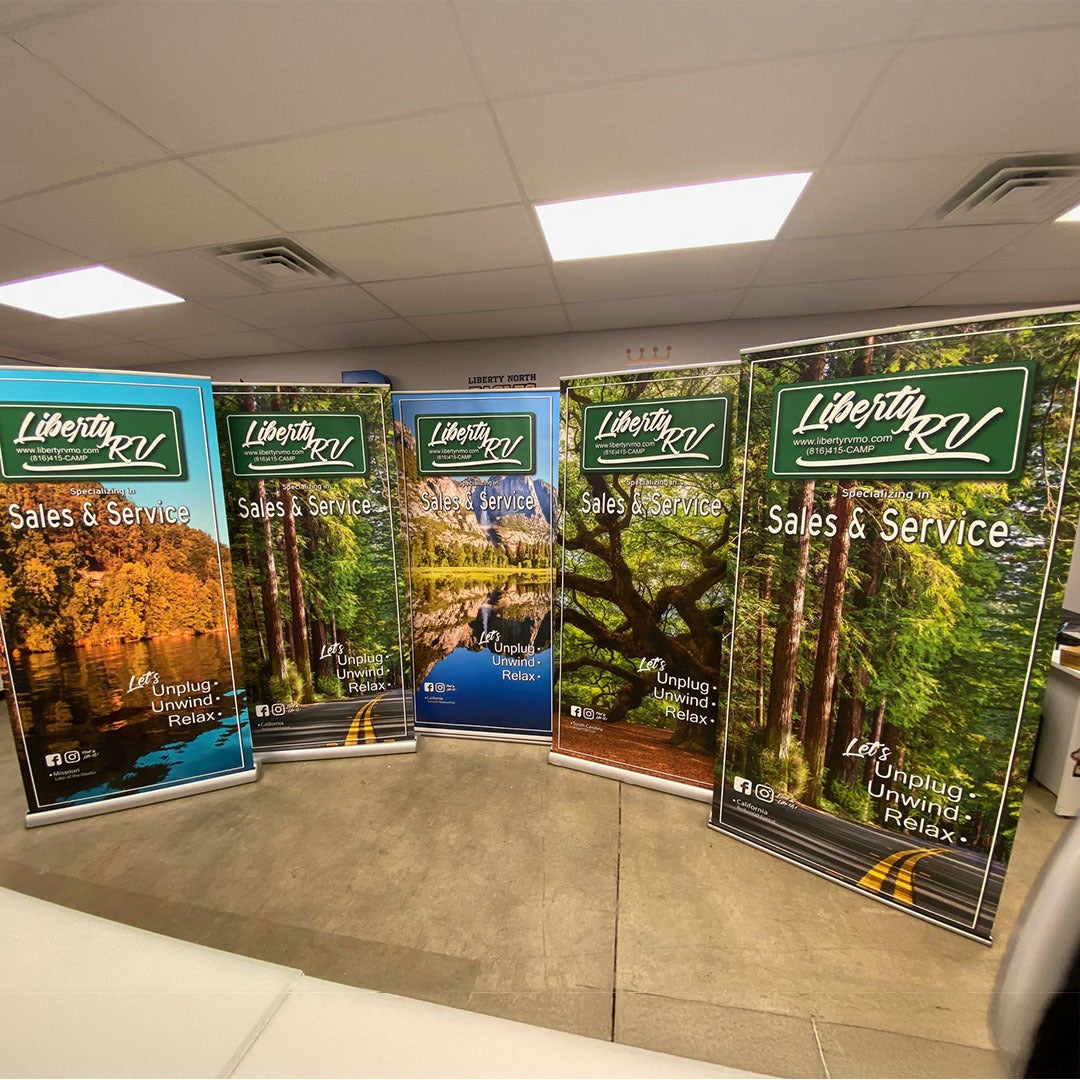
Yes, banner size matters, and it matters in a specific way. Your banner is more than decoration; it’s often the last signal that convinces someone to stop, look, and walk in. For a sign company in Danbury, CT, when visibility is the goal, the right banner size is not a vanity metric. It is a readability tool. If the copy cannot be read quickly, the offer might as well not exist.
When the size matches the viewing distance, the message becomes effortless, and effortless is what drives foot traffic.
How Banner Size Affects Visibility, Readability, and Foot Traffic
Banner size affects outcomes in a simple chain reaction: if people do not notice it, they cannot read it; if they cannot read it fast, they do not take the next step.
Foot traffic is the human version of conversion rate, and banners work best when the size supports quick comprehension. Signage consistently frames signs as silent salespersons that help people find and choose businesses, especially when location and wayfinding matter. When your banner is easy to see and read, you remove the friction that keeps a curious passerby from becoming a customer.
- Visibility: Larger sign sizes create earlier detection, especially when competing with parked cars, street trees, and storefront clutter.
- Readability: A standard banner size can still fail if the text is too small for the viewing distance.
- Action: When the message is legible at the right moment, people are more likely to slow down, look for the entrance, or walk in.
One useful rule of thumb comes from federal sign design guidance: for legibility, plan on about 1 inch of letter height for every 40 feet of desired reading distance. That guidance is for roadway sign legibility, but the sizing logic translates well to banners placed to be read by passing drivers or pedestrians.
Choosing the Right Banner Size for Where It Will Be Displayed
Banner sizes are location decisions first and design decisions second. Before you choose a banner size chart option, decide what success looks like in that exact spot: noticed from the road, readable from the sidewalk, or both.
Banner Sizes for Storefronts and Sidewalks
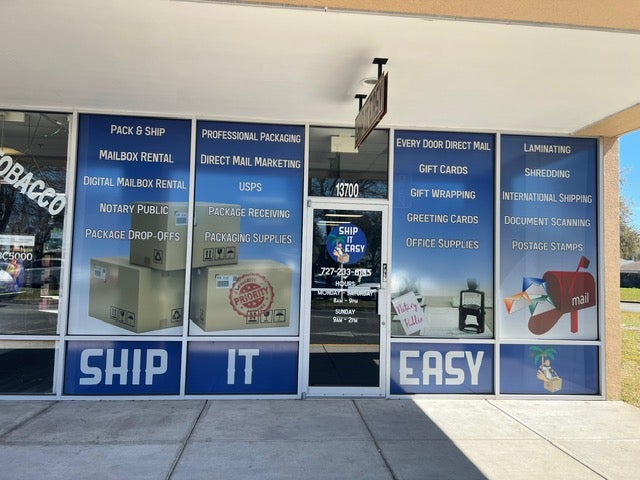
A storefront banner is usually viewed at shorter distances and sharper angles, which means you can prioritize clean layout and high contrast over sheer square footage.
- Aim for a banner size that fits the storefront sightline, not the available wall space.
- Keep the primary message short enough to be read while walking.
- Favor fewer, larger words over multiple lines of small copy.
In Danbury, many businesses deal with varied setbacks and signage competition, so the best banner dimensions are the ones that remain readable even when a vehicle, a patio umbrella, or a street tree cuts the view.
Banner Sizes for Events, Promotions, and Temporary Signage
Event banners often have longer viewing distances and faster-moving viewers. In those situations, larger banner sizes tend to perform better, but only when the message is simplified.
- Use a bigger standard banner size for venue entrances, parking approaches, and stage backdrops.
- Treat the banner like a headline, not a flyer.
- Build around one action, one offer, or one directional cue.
If your banner is meant to guide people, prioritize legibility at the first point of decision. The moment someone has to choose between turning in or driving past is the moment size matters most.
Banner Sizes for Indoor Use
Indoor banners usually compete with close-range distractions, not long-range distance. The mistake indoors is going too big for the space and forcing people to scan.
- Choose banner dimensions that match the room’s scale and the average viewing distance.
- Keep indoor offers tight and readable from across the room.
- Avoid cluttered backgrounds that reduce contrast under artificial lighting.
Standard Banner Sizes and When to Use Them
Standard banner sizes exist because they work for common placements and are easy to produce quickly. They are a starting point, not the finish line.
Common Standard Banner Sizes Businesses Use
These sizes show up again and again because they balance visibility with practical installation.
- 2 Ft x 4 Ft: Best for short-range messages, windows, counters, and small indoor walls.
- 3 Ft x 6 Ft: A versatile storefront and event size that reads well from moderate distances.
- 4 Ft x 8 Ft: Strong for outdoor placements where drivers or crowds need more time to notice and read.
If you are comparing options on a banner size chart, treat these as standard banner sizes that cover most needs, then adjust based on your real viewing distance and message length.
When Custom Banner Dimensions Make More Sense
Custom sign sizes are worth it when the placement is unusual or when your message demands a specific layout. For example: Narrow storefronts (long horizontal banners), Tall walls (vertical formats), or Complex directions (larger banners for better type spacing).
Banner Readability: Matching Sign Size to Message Length
Banner size and word count are inseparable. The more you try to say, the smaller your type becomes, and the faster readability collapses. Federal guidance on guide signs emphasizes keeping legend to a minimum for instant legibility, which is a smart mindset for banners too.
How Many Words Actually Work on a Banner?
A banner is not the place for paragraphs. If the banner must be read while someone is moving, you are working within a few seconds. Use 3 to 7 words for the primary message and put details on a website or QR code.
- Use 3 to 7 words for the primary message
- Put details on a website, QR code, or handout, not in tiny banner text.
- Choose one priority:Offer, Direction, or Brand.
If you need to include a phone number or URL, keep it secondary and make sure the main message stands on its own.
Font Size, Contrast, and Layout Considerations
Legibility is not only about letter height. It is also spacing, contrast, and letter style. The United States Sign Council Foundation describes how letterforms, color, and illumination affect legibility, and it formalizes a standard legibility index for calculating the letter height needed at a given distance.
- Choose high contrast pairings (light on dark or dark on light).
- Use clean letterforms and avoid condensed fonts.
- Leave generous margins so the message is not cramped at the edges.
Using a Banner Size Chart Without Making Costly Mistakes
A banner-size chart helps narrow choices, but it cannot see your street, your building, or your traffic patterns. The chart does not account for the real-world window of attention your banner gets.
What Banner Size Charts Do Not Account For
- Viewing angle: A banner that is readable head-on may fail when viewed from a diagonal sidewalk approach.
- Obstructions: Parked cars, street furniture, and seasonal landscaping can block the lower portion of a banner.
- Speed: Drivers have less time to read, which makes letter height and simplicity more important.
When you start with placement and distance, the banner size chart becomes a tool, not a trap.
How a Local Sign Company in Danbury, CT, Helps Businesses Choose Correctly
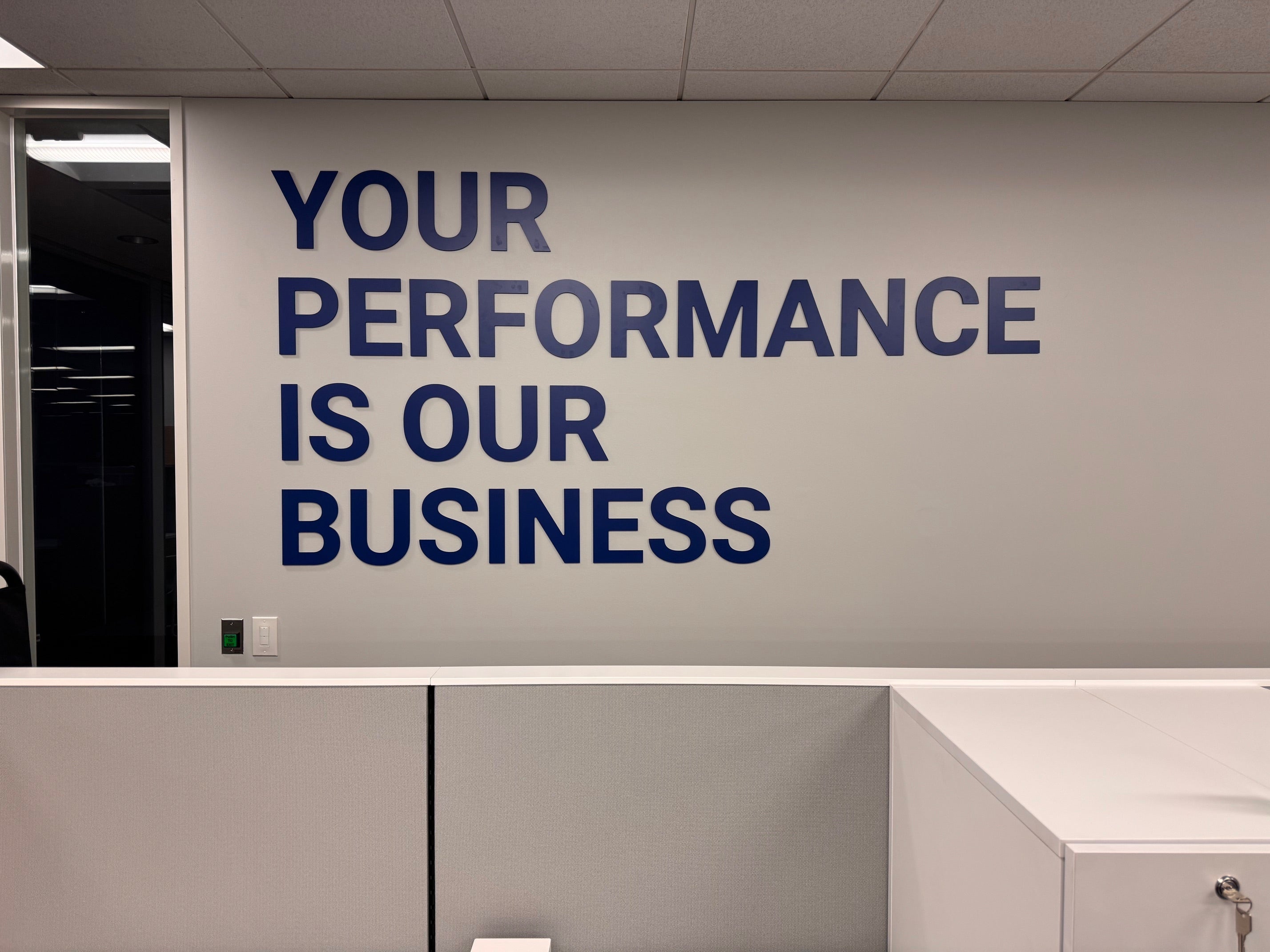
Working with a local team matters because sizing is never purely theoretical. A sign company in Danbury, CT businesses rely on can evaluate line of sight, mounting options, and the real conditions that affect readability.
Local Insight Matters More Than Generic Size Recommendations
Danbury’s zoning regulations include a dedicated sign regulations section, with rules that vary by district. The same section lists prohibited sign types and includes language that can affect banners and similar formats in certain contexts, so it is smart to confirm requirements before investing in a large print run.
A knowledgeable local provider can help you think through:
- Placement that stays visible without creating safety hazards.
- Materials and finishing that hold up to weather and sun exposure.
- Compliance considerations that reduce the risk of reprints or removals.
Frequently Asked Questions | FAQs
What banner size is best for visibility?
Choose size based on where it will hang and how far people will be when they first notice it 2 x 3 works best for small displays and indoor notices 3 x 5 and 4 x 6 are ideal for medium applications like fences lobbies and pop ups and 5 x 8 and 6 x 10 are best for large areas that need high visibility like storefronts roadside spots and big event backdrops
How big should a banner be to be seen from 200 feet away?
From 200 feet away, you typically need very large lettering, with a letter height of about 20 to 36 inches, and keep the message short so the type can remain large. A larger banner helps because it gives room for big letters, generous margins, and clear spacing
What is the recommended size for a banner?
For most general indoor and outdoor use 3 x 6 is a reliable standard for small promos and trade show tables 2 x 4 fits well without overwhelming the space for larger areas like events storefronts or long fence lines 4 x 8 gives more impact and readability and for large scale advertising go much bigger such as 8 x 20 or larger especially when viewers are farther away or moving past quickly
What font size is readable from 10 feet away?
For close viewing, around 6 feet, 30 pt is a solid minimum for clear reading, and at about 10 feet, use roughly 48 pt as a baseline increase size if the banner is outdoors, if lighting is low, or if people will be reading at an angle
What is a good font size for a banner?
A strong starting point for main banner text is 216 pt, which is about 3 inches tall then adjust based on distance and speed of traffic, larger for outdoor viewing, and glance smaller only when the banner is meant to be read up close and has very little text
What is a good font size for a banner?
A strong starting point for main banner text is 216 pt, which is about 3 inches tall then adjust based on distance and speed of traffic, larger for outdoor viewing, and glance smaller only when the banner is meant to be read up close and has very little text
Get the Right Banner Size for Your Danbury Business
If your banner is not pulling its weight, the fix is usually not more design flourishes. It is the right size, the right message length, and the right placement for how people actually move through Danbury.
Signarama helps local businesses compare banner sizes, select standard banner sizes or custom banner dimensions, and produce banners that are built to be noticed and read.

Signarama Danbury, CT
contact
Signarama Danbury, CT