
A Guide to Carved Wooden Signs in Brookfield, CT
Jul 22, 2026 by Signarama Danbury
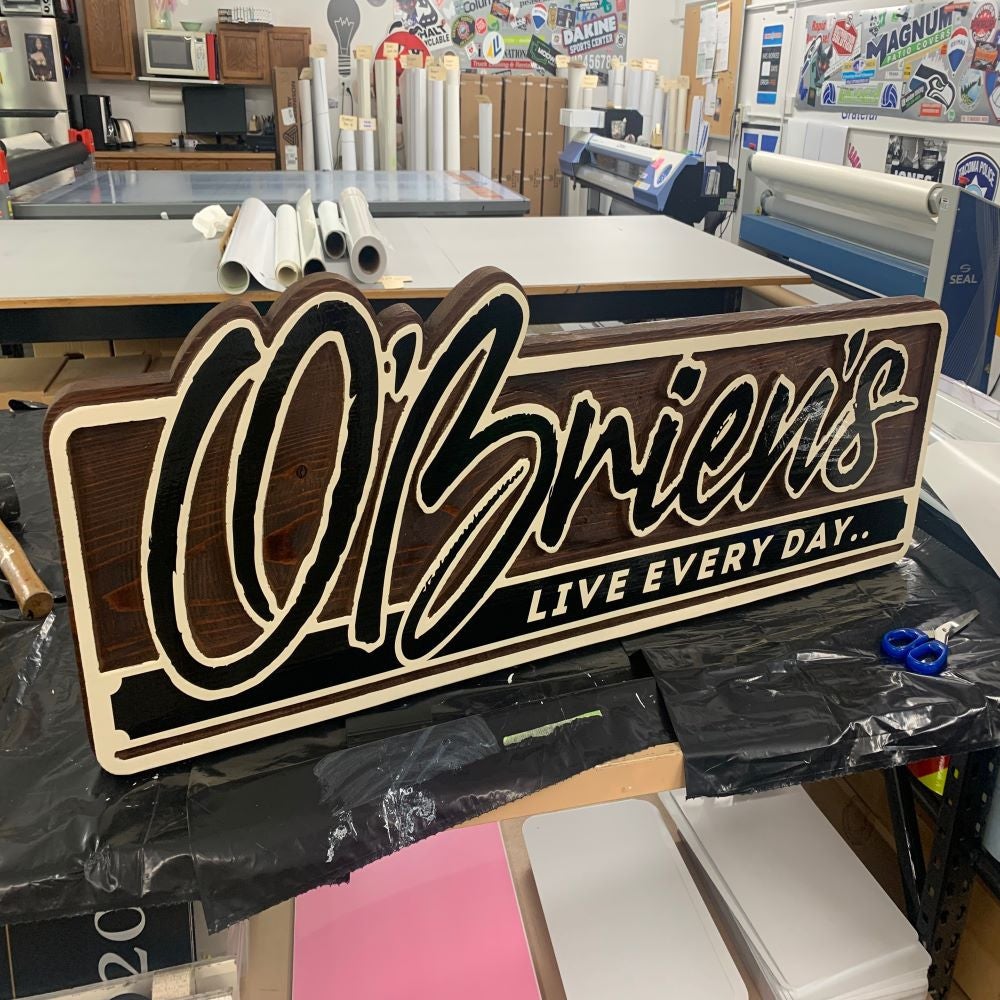
Some businesses want a sign that announces. Others want one that belongs. Along Brookfield's older commercial stretches and village-style properties, carved and wooden signs in Brookfield, CT do something aluminum and acrylic rarely manage: they make a business look like it has been part of the town for decades, even on opening day.
That character comes with real decisions about wood species, carving style, finishes, and upkeep. This guide covers when a carved sign is the right call, what separates a sign that weathers gracefully from one that deteriorates, and how to evaluate the people who will make it.
When Does a Carved Wood Sign Make the Most Sense?
Carved signage is not the answer for every storefront, and knowing the right situations saves both money and disappointment.
When the Brand Trades on Heritage or Craft
Inns, farm stands, breweries, law offices, antique shops, and family businesses with a story all benefit from signage that feels made rather than printed. A carved sign physically embodies craftsmanship, which quietly transfers to how customers perceive the business behind it.
When the Property Has a Traditional or Destination Character
A carved sign suits a converted farmhouse, a village storefront, or a landscaped entrance far better than a backlit plastic cabinet ever could. If the building itself has character, the signage should match it rather than fight it.
When Zoning or Plaza Aesthetics Favor Subtle Signage
Some districts and property owners restrict internally lit signs or push tenants toward traditional styles. In those settings, a dimensional carved sign paired with external ground lighting satisfies the rules while standing out from flat panels around it.
When the Business Plans to Stay
Local custom wood signs are an investment in permanence. A pop-up shop or short-lease tenant is usually better served by vinyl or coroplast, while a business settled into its location gets years of return from a sign built to last.
What Goes Into a Quality Carved Sign?
Two carved signs can look similar on installation day and age completely differently. The difference lies in the materials and the build.
The Substrate: Traditional Wood or HDU
Classic species like cedar and redwood carry authentic grain and can be carved deeply, but they demand regular finish maintenance outdoors. High-density urethane (HDU) carves and paints like wood while shrugging off moisture and insects, which is why many exterior wooden signs in Brookfield, CT, are actually HDU built to look indistinguishable from timber.
Carving Depth and Dimensional Detail
Deep, confident carving creates the shadow lines that make these signs readable and rich at a distance. Shallow engraving can look flat once mounted, so ask to see how lettering depth and raised or recessed elements will render at the real viewing distance.
Paint Systems and Protective Finishes
Exterior-grade paints, gilding for accent details, and UV-resistant clear coats determine how long the sign holds its color. The finish schedule matters as much as the carving underneath it, especially on south-facing installations.
Mounting Style and Hardware
Hanging post signs, wall-mounted plaques, and freestanding installations each need hardware rated for the sign's weight and the site's wind exposure. Wrought-style scroll brackets and turned posts also contribute to the traditional look, so hardware is a design decision, not just a structural one.
What Design Elements Make a Carved Sign Readable, Not Just Beautiful?
A carved sign can be a genuine work of craft and still fail at its one real job: being read. Beauty draws the eye, but a handful of design decisions determine whether the name actually lands from the road, the sidewalk, or the parking lot.
Letter Depth That Casts a Visible Shadow
Dimensional lettering depends on shadow to stay legible. Enough depth creates natural contrast as light moves across the face through the day, while shallow carving can flatten out and blur at a distance, no matter how refined it looks up close.
Color Contrast Between Letters and Background
Carved signs often lean on subtle, traditional palettes, and that is where readability quietly slips. Keeping strong contrast between the lettering and the background field ensures the sign reads clearly in bright sun, overcast light, and shade alike.
Lettering Styles That Hold Their Shape
Ornate scripts suit the format, but only up to a point. Letterforms with clean strokes and open spacing stay recognizable from farther away, while overly decorative styles can dissolve into texture before a passerby ever makes out the name.
A Layout That Gives the Name Room to Breathe
Borders, artwork, and gilded accents all belong on a carved sign, as long as they frame the message instead of crowding it. Generous spacing around the business name keeps the most important element the easiest one to find.
Lighting That Works With the Carving After Dark
Carved signs rely on external light, and its angle matters. Well-placed ground or gooseneck lighting deepens the shadows that make dimensional lettering readable at night, while poorly aimed light can wash the relief flat.
A Size Matched to Real Viewing Distance
Even a perfectly designed sign fails if it is simply too small for where it hangs. Scaling the sign and its lettering to the actual distance customers view it from keeps the craftsmanship working instead of just decorating.
How Do Wooden Signs Survive Connecticut Weather?
Western Connecticut is a demanding environment for any natural material left outdoors, but a properly built and maintained carved sign handles it well. Here is how that survival actually works.
Through Sealed Surfaces That Keep Moisture Out
Water is the main enemy. Sealed faces, edges, and mounting holes stop moisture from entering the substrate, which is what prevents the swelling, cracking, and paint failure that plague neglected wood signs through freeze-thaw winters.
Through Finishes That Absorb the Sun Instead of the Sign
UV exposure breaks down color and clear coats gradually. Quality exterior finishes sacrifice themselves over years so the carving underneath stays sound, which is why refinishing on schedule costs a fraction of replacing a failed sign.
Through Smart Placement and Drainage
Signs mounted where water sheds off rather than pooling on ledges and letter recesses last visibly longer. Small placement decisions during installation, including slight tilts and clearance from splash zones, add years of service.
Through a Simple Inspection Habit
A quick look each spring and fall, checking for finish dullness, hairline cracks, and loose hardware, keeps maintenance small and scheduled instead of large and urgent. Businesses that treat their carved sign like the asset it is routinely get decades from it.
Where Do Carved Signs Perform Best Around Brookfield?
Placement shapes how much a carved sign earns its keep, and some settings suit the format especially well.
Along Village-Style Commercial Stretches
Where buildings sit close to the road and traffic moves slowly, the dimensional detail of a carved sign actually gets seen. These settings reward craftsmanship in a way that highway-speed corridors cannot.
At Landscaped Entrances and Driveways
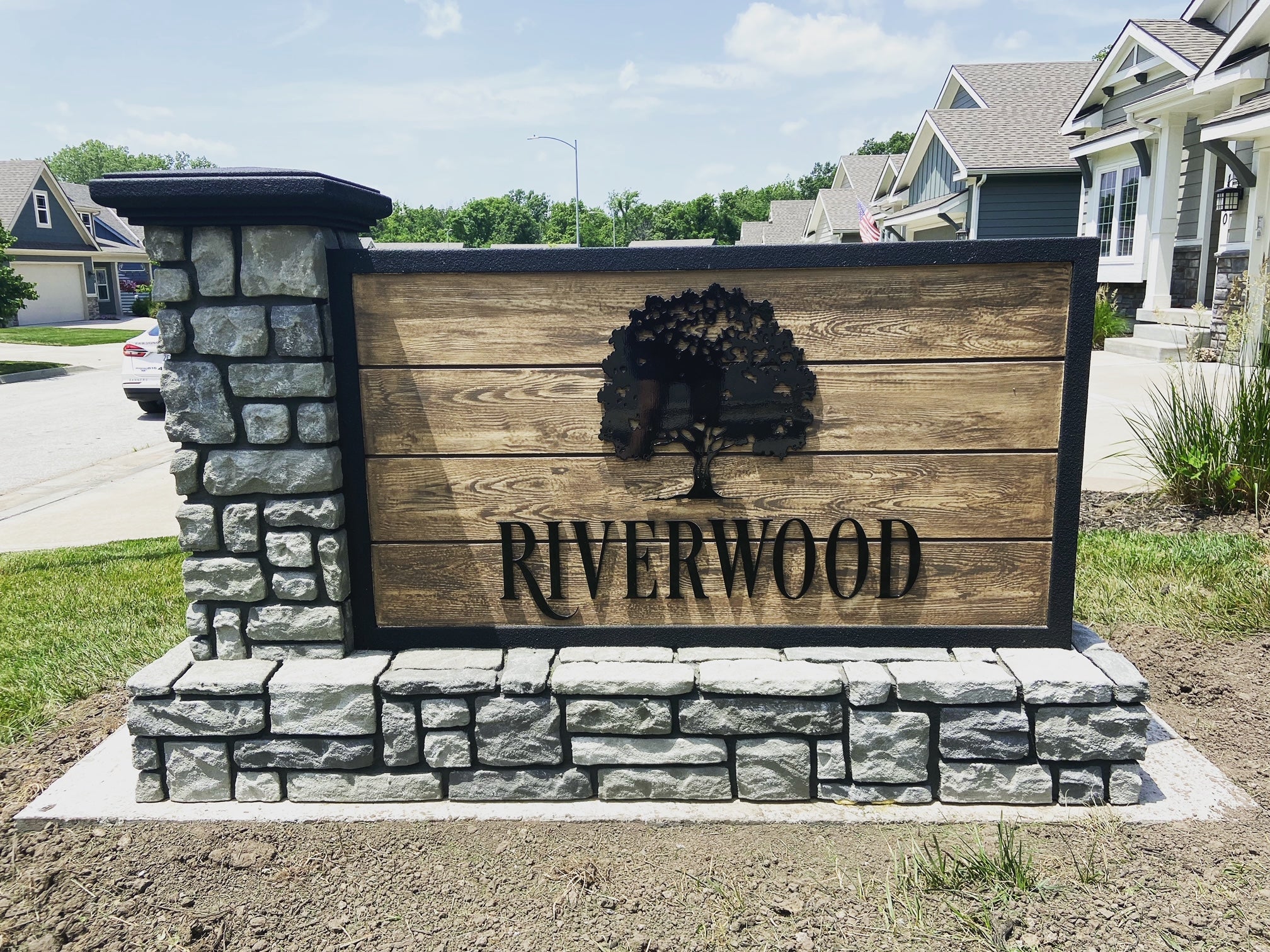
Freestanding carved signs on posts or in stone bases mark professional offices, inns, and multi-building properties beautifully, especially when paired with ground lighting for evening visibility.
On Historic and Character Buildings
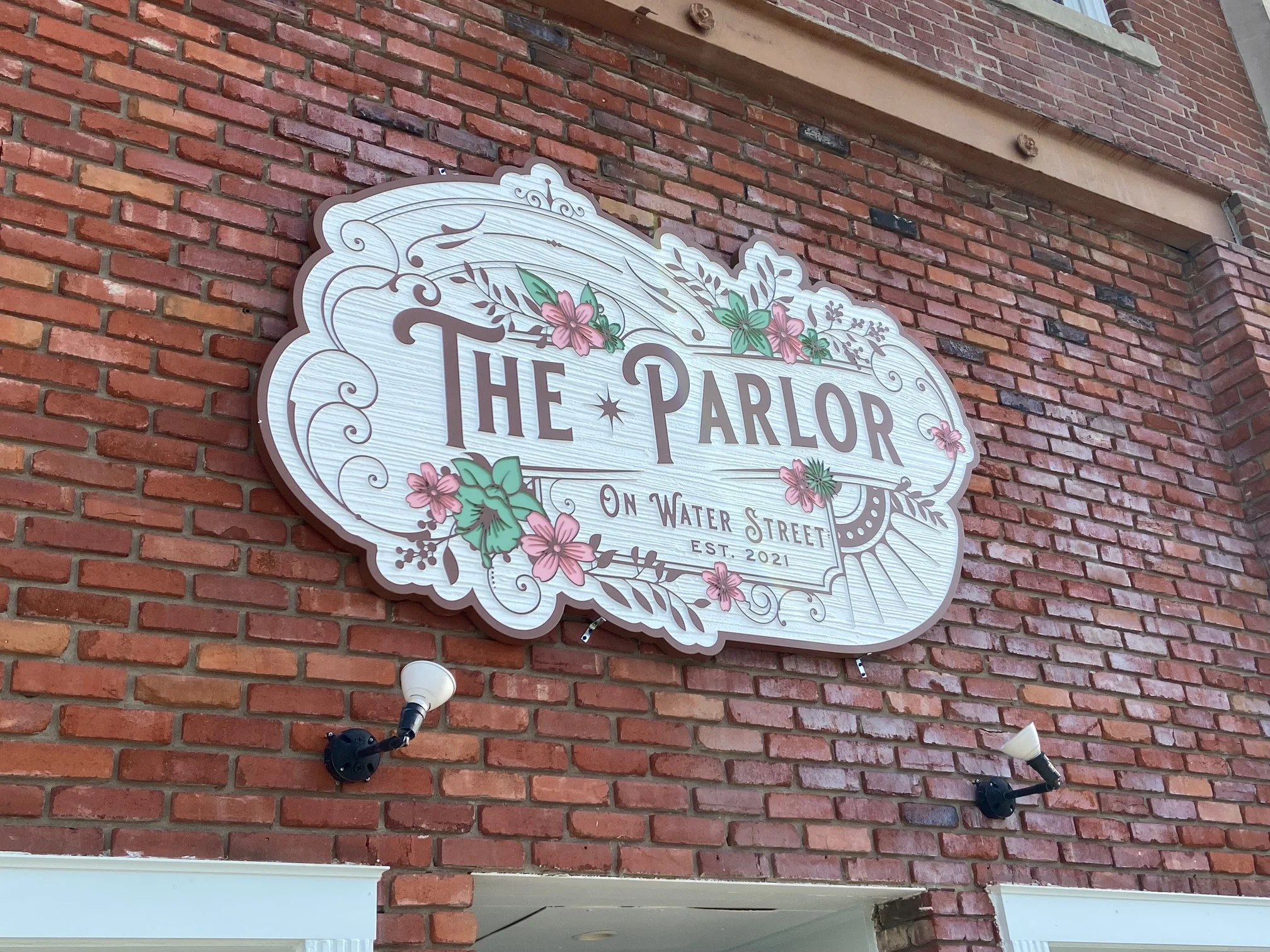
A carved sign mounted on aged brick or clapboard completes the architecture. The same building with a modern cabinet sign often looks like it is wearing the wrong outfit.
Beside Pedestrian Paths and Entry Doors
Hanging blade signs and carved plaques work at walking pace, catching foot traffic under porticos and along sidewalks where customers are close enough to appreciate the detail that makes the format worth choosing.
How Should You Choose Who Makes Your Wood Sign?
The maker matters more with carved signage than almost any other sign type, because handwork quality varies widely.
Look at Finished Work, Not Just Renderings
Ask to see completed carved projects, ideally ones that have been outdoors for a few years. How a maker's work ages tells you more than how it photographs on day one.
Read What Other Businesses Say
Spending a few minutes on reviews of local custom wood sign makers reveals patterns that portfolios hide: whether timelines held, how revisions were handled, and whether the finished sign matched the approved proof.
Confirm the Full Scope Stays In-House
When design, carving, finishing, and installation happen under one roof, accountability stays in one place. Split vendors mean split responsibility if the finish fails or the mounting disappoints.
Ask How They Handle Maintenance Down the Road
A maker who explains refinishing schedules and offers future touch-up support is planning for the sign's whole life, not just the invoice. That conversation is a reliable signal of how they build.
Frequently Asked Questions
Is HDU considered a good alternative to traditional wood?
HDU is the industry's standard answer to exterior durability, and finished pieces are visually indistinguishable from carved timber at any normal distance. Purists can still choose true wood; they are simply choosing more maintenance along with it.
How long does a carved sign take to produce?
Longer than printed signage, since carving, painting, and finishing are sequential handwork stages. Build the timeline into your opening or rebrand schedule, and expect design approval to be the step you control most.
Can an existing carved sign be restored instead of replaced?
Often, yes. Refinishing, repainting, and hardware replacement can revive a structurally sound sign for far less than new fabrication, and restoring an original sign preserves character that a replacement cannot fake.
Do carved signs work for businesses that are not "rustic"?
Absolutely. Crisp lettering, modern palettes, and clean geometric layouts carve just as well as tavern-style scripts. The format signals quality and permanence, not any single aesthetic.
Can carved signs work indoors too?
Yes, and interior settings actually remove the biggest constraint of the format, since indoor carved pieces face no weather exposure and need almost no upkeep. Reception walls, lobby logos, and directional plaques in offices, inns, and restaurants all suit carved work, and matching an exterior carved sign with interior pieces carries the brand's character straight through the front door.
A Sign Built to Belong in Brookfield
Plenty of signs get noticed. A well-made carved sign gets remembered, and it keeps making that impression through every season that western Connecticut can offer. For businesses whose brand rests on craft, character, or community roots, few formats say it better.
Signarama has helped western Connecticut businesses with local custom wood signs and traditional signage for over 20 years, with support from design through fabrication and installation.
If wooden signs in Brookfield, CT fit the character your business is building, bring your ideas and your storefront photos, and get a recommendation shaped to your actual property.


Signarama Danbury, CT
Contact
Signarama Danbury, CT







Contact Us
Contact the team at Signarama Danbury, CT
203-792-4091Signarama Danbury, CT35 Eagle Rd Danbury Connecticut 06810
Certified Wrap Installer
Follow Us
Select your country:
About Signarama
With the latest technologies and a wide range of available materials, there really is no end of choice and quality in the manufacturing of Signarama Signage. Images and logos belong to their owners and do not imply Signarama’s endorsement—shown only as examples of our work. Visit our corporate section to see more about: