

6 Design Decisions That Double Your Sign Cost in Danbury, CT (And How To Avoid Them)
Apr 6, 2026 by Signarama Danbury
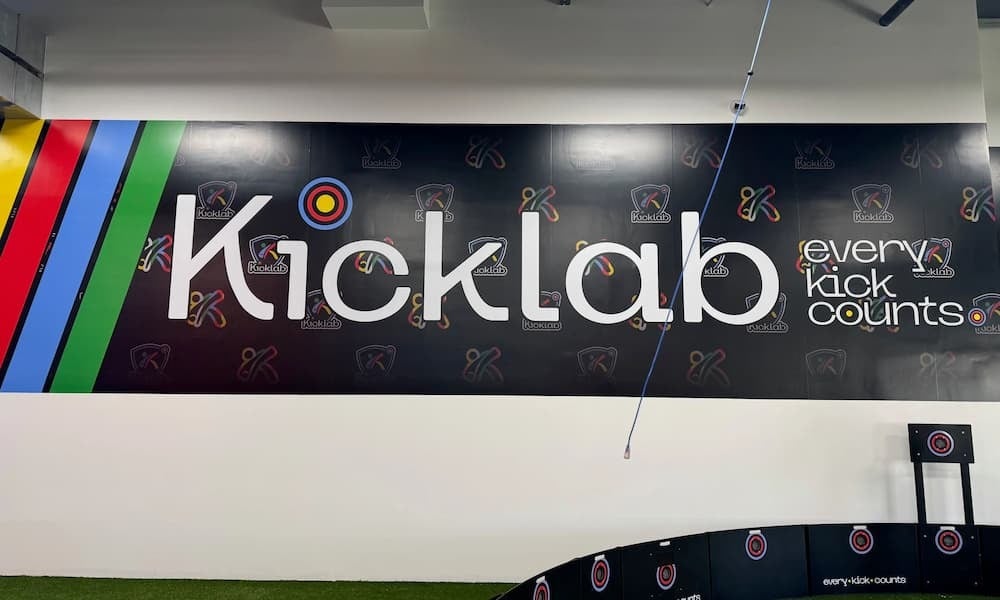
Many businesses assume high sign costs are unavoidable. In reality, the biggest price increases are not caused by the sign itself, but by early design decisions that quietly add labor, materials, and installation complexity.
Well-designed signage can improve visibility and support stronger customer traffic. That makes signage a strategic investment. However, poor planning can inflate building signage costs without improving results.
Here are six common design decisions that can double your budget and how to avoid them with practical, budget-conscious alternatives.
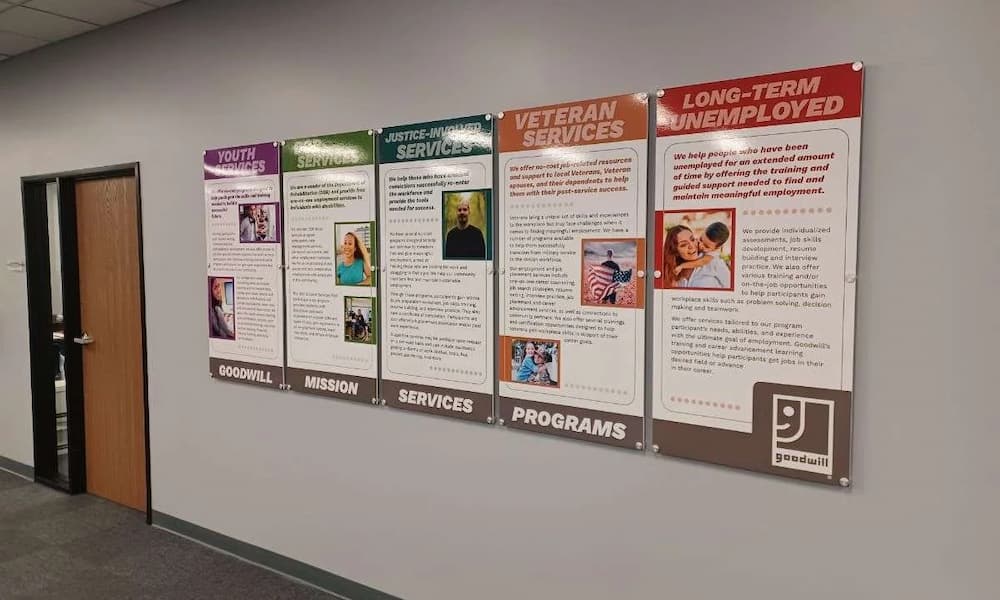
What Actually Drives Sign Costs?
Before looking at specific mistakes, it helps to understand what drives sign costs.
Most commercial signage projects include five cost components:
- Design and engineering
- Materials and fabrication
- Illumination
- Mounting and installation
- Permits and compliance
Two signs of the same size can vary widely in price because of differences in these factors. A clean, front-lit sign mounted on a raceway will typically cost less than a flush-mounted sign with custom lettering and RGB lighting, even if both occupy the same space.
This is why averages can be misleading. For example, the average cost of channel letter signs may provide a rough range, but actual pricing depends heavily on design complexity, site conditions, and local requirements.
6 Design Decisions That Increase Sign Costs (And How To Avoid Them)
1. Choosing Overly Complex Fonts and Letter Shapes
One of the fastest ways to increase channel letter sign cost is through typography. Fonts that look distinctive on a screen can become expensive to fabricate in metal and acrylic.
In many cases, complex fonts can increase costs by 15% to 25% compared to simpler designs. This is especially true for channel letters, where each letter is built individually.
Why It Adds Cost
- More detailed routing and bending
- Increased labor time
- Higher risk of material waste
- More complex assembly
Budget-Smart Alternative
- Use clean, bold sans-serif fonts
- Simplify logo elements for signage applications
- Prioritize readability over decorative detail
2. Adding RGB or Dynamic Lighting When Standard LED Would Do
Standard LED illumination is efficient, reliable, and widely used. RGB or color-changing systems, on the other hand, introduce additional components such as controllers, wiring, and programming.
Why It Adds Cost
- Additional hardware and control systems
- Increased installation complexity
- Higher maintenance requirements
- More potential points of failure
Budget-Smart Alternative
- Use white LED for clarity and consistency
- Incorporate brand color through materials instead of lighting
- Limit dynamic lighting to a single focal element if needed
3. Picking Flush Mounting When a Raceway Would Lower Cost
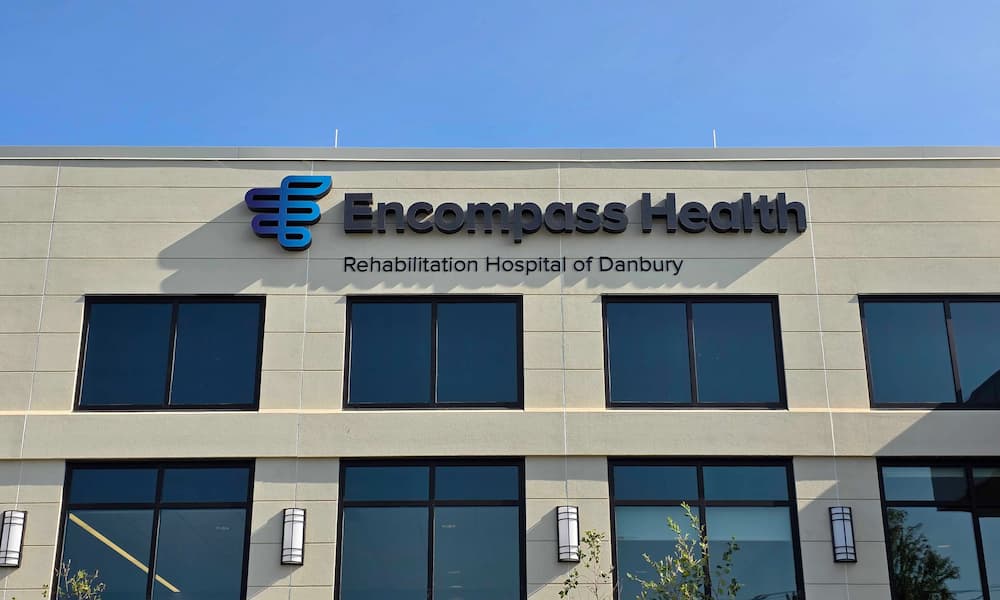
Flush mounting places each letter directly on the building. Raceway mounting attaches all letters to a single metal structure that houses wiring and power supplies. Flush mounting often looks cleaner, but it usually requires more labor.
Why It Adds Cost
- More drilling into the building façade
- Longer installation time
- More complex electrical routing
- Greater difficulty in future maintenance
Budget-Smart Alternative
- Choose raceway mounting when allowed by local codes and landlords
- Use a color-matched raceway to reduce visibility
- Reserve flush mounting for projects where aesthetics clearly justify the added cost
4. Oversizing the Sign Before Confirming Viewing Distance
Oversizing a sign beyond what is needed increases material, fabrication, and installation costs without improving effectiveness. The common guideline is one inch of letter height for every 40 feet of viewing distance.
Why It Adds Cost
- More materials and fabrication time
- Larger structural requirements
- Increased installation complexity
- Potential need for heavier equipment
Budget-Smart Alternative
- Size signage based on actual viewing distance
- Match sign type to location and traffic patterns
- Focus on clarity and contrast rather than scale
5. Ignoring Permit, Code, and Compliance Requirements Until the End
Late-stage compliance issues can quickly increase building signage costs. Local regulations often dictate sign size, placement, illumination, and structural requirements. If these requirements are not addressed early, redesigns, delays, and permit revisions can add significant expense.
Why It Adds Cost
- Redesign and re-fabrication
- Permit resubmissions
- Project delays
- Additional engineering requirements
Budget-Smart Alternative
- Review local sign codes before finalizing design
- Confirm landlord or property requirements early
- Separate exterior signage from ADA-regulated interior signage
- Ask about engineering requirements upfront
6. Designing a Fully Custom Sign When Standardized Elements Would Work
Customization adds value when it improves brand recognition or visibility. However, unnecessary customization increases both fabrication and installation costs.
Why It Adds Cost
- More design and engineering time
- Increased fabrication complexity
- Higher material costs
- Longer installation time
Budget-Smart Alternative
- Use standard materials and construction methods where possible
- Limit customization to key branding elements
- Standardize signage across multiple locations
How To Avoid Overpaying for Sign Costs: A 5-Step Planning Process
Step 1: Define the Purpose Before You Design
Start by identifying what the sign needs to accomplish. Is it meant to attract passing traffic, identify a storefront, or guide visitors on-site?
This decision affects everything that follows, including size, placement, and type. For example, businesses located near busy roads may benefit more from pylon signs, while storefronts in walkable areas often rely on wall-mounted signage.
Step 2: Set a Realistic Budget Range for Building Signage Costs
Establish a working budget that accounts for more than just fabrication. Many businesses underestimate total building signage costs by focusing only on materials.
A complete budget should include:
- Design and engineering
- Fabrication
- Installation
- Permits and compliance
- Electrical work
Step 3: Compare Multiple Design and Installation Options
Do not settle for a single design or quote. Comparing options is one of the most effective ways to control overall sign costs.
Evaluate trade-offs such as:
- Raceway vs flush mounting
- Standard LED vs RGB lighting
- Fully custom vs semi-custom fabrication
- Wall signs vs pylon signs for visibility
Small adjustments in these areas can lead to meaningful savings. For example, switching from flush mounting to a raceway can reduce installation labor, while standard lighting can lower both upfront and long-term costs.
Step 4: Confirm Site Conditions and Compliance Early
Late changes are one of the biggest drivers of rising sign costs. Confirm all requirements before finalizing the design.
This includes:
- Local zoning and sign codes
- Landlord or property guidelines
- Electrical access and limitations
- Installation logistics
Addressing these factors early prevents redesigns, delays, and additional expenses that can quickly increase total sign costs.
Cost vs Value: How To Evaluate a Sign Investment
Start With Performance
A sign creates value when it helps people find your business, recognize your brand, and take action. If a lower-cost sign is harder to read, poorly lit, or placed in the wrong location, the savings may not be worth it.
A more effective sign may justify a higher upfront cost if it offers:
- Better visibility from the road
- Stronger brand presence
- Longer service life
- Lower maintenance need
- Fewer repair issues over time
Consider Total Cost of Ownership
A sign should be evaluated over its full lifespan, not just at the time of purchase. Total cost of ownership includes:
- Fabrication
- Installation
- Permitting
- Electrical work
- Maintenance
- Future repairs
- Replacement timelines
Ask Whether Each Upgrade Earns Its Price
Not every upgrade improves value. Some only increase cost.
Before approving a feature, ask:
- Does this improve visibility?
- Does it make the sign easier to read?
- Will it reduce maintenance or extend lifespan?
- Is it necessary for the location or brand?
What To Look for When Working With a Sign Company
Look for Experience With Similar Sign Types
Not every company has the same level of experience with every type of sign. A provider that regularly handles illuminated storefront signs, pylon signs, or multi-tenant property signage is more likely to spot cost issues early and recommend efficient alternatives.
Ask whether the company has experience with:
- Channel letters
- Cabinet signs
- Monument and pylon signs
- Illuminated signs
- Rebranding and sign replacement projects
Choose a Company That Explains Costs Clearly
One of the biggest signs of a strong partner is transparency. A reliable sign company should be able to explain what drives pricing and where businesses may have opportunities to save.
They should clearly break down:
- Design and engineering
- Fabrication
- Lighting
- Installation
- Permits
- Service or maintenance considerations
Review Communication and Process
The best sign companies are organized, clear, and proactive. They should be able to walk you through the project from design to permitting to fabrication to installation without leaving major questions unanswered.
Look for signs of a solid process, such as:
- Clear timelines
- Written scope details
- Design revisions with explanation
- Itemized proposals
- Realistic guidance on budget trade-offs
Ask How They Handle Installation and Service
Installation is a major part of any signage project, and it should be discussed early. Some signs are simple to fabricate but expensive to install because of site access, wall condition, or electrical limitations.
A good sign company should be able to explain:
- How the sign will be installed
- Whether lifts or cranes may be needed
- What electrical work may be required?
- How future maintenance will be handled?
Frequently Asked Questions (FAQs)
How long does it usually take to design, permit, and install a business sign?
The timeline depends on sign type, permitting requirements, fabrication complexity, and installation conditions. Simple projects can move faster, while illuminated or custom signs often take longer because they may require engineering review, approvals, and electrical coordination.
Is it cheaper to repair an existing sign or replace it completely?
It depends on the condition of the structure, lighting, wiring, and mounting system. Minor cosmetic or lighting updates may cost less than full replacement, but older signs with structural issues or outdated electrical components may be more expensive to keep repairing over time.
Do illuminated signs always cost more to maintain?
Not always, but they usually involve more service considerations than non-illuminated signs. Maintenance costs depend on the lighting system, ease of access, part availability, and how difficult the sign is to open, service, or reinstall after repair.
Can landlord sign requirements affect the total project cost?
Yes. Landlord or property management rules can affect sign size, colors, materials, mounting methods, and placement. If those requirements are discovered late, they can lead to redesigns, added approvals, and higher building signage costs.
What should a business ask for in a sign quote?
A quote should clearly show what is included in design, fabrication, illumination, installation, permitting, and service considerations. It should also clarify the mounting method, materials, site assumptions, and whether electrical work or engineering is included.
Ready to Make a Smarter Sign Investment?
Before committing to a design, it helps to work with professionals in Danbury, CT, who understand how these variables impact both cost and results.
If you are planning new signage or upgrading an existing one, working with an experienced provider like Signarama can help you avoid costly missteps and make confident, informed decisions.
Start your project. Contact us today.

Signarama Danbury, CT
contact
Signarama Danbury, CT