

12 Road Signs You’ll See in Every US State (Plus Custom Sign Tips for Brookfield, CT Properties)
Jan 26, 2026 by Signarama Danbury
Road Signs and Meanings: A Guide to National Safety Standards
Road signs are one of the few things in the U.S. that behave like a nationwide language. No matter which state line you cross, the essentials stay the same because federal standards shape how road signs look, where they appear, and what they mean.
That consistency is why sign companies in Brookfield, CT, can produce the same type of safety-forward signage that drivers recognize from Arizona to Maine.
If you drive long enough, you’ll realize the biggest “trend shift” in modern driving is not the rise of navigation apps. It’s how much road safety now depends on fast human recognition in a world full of distractions. A sign’s job is to cut through the noise and trigger the right action in seconds.
Why Road Signs Look the Same Across All 50 States
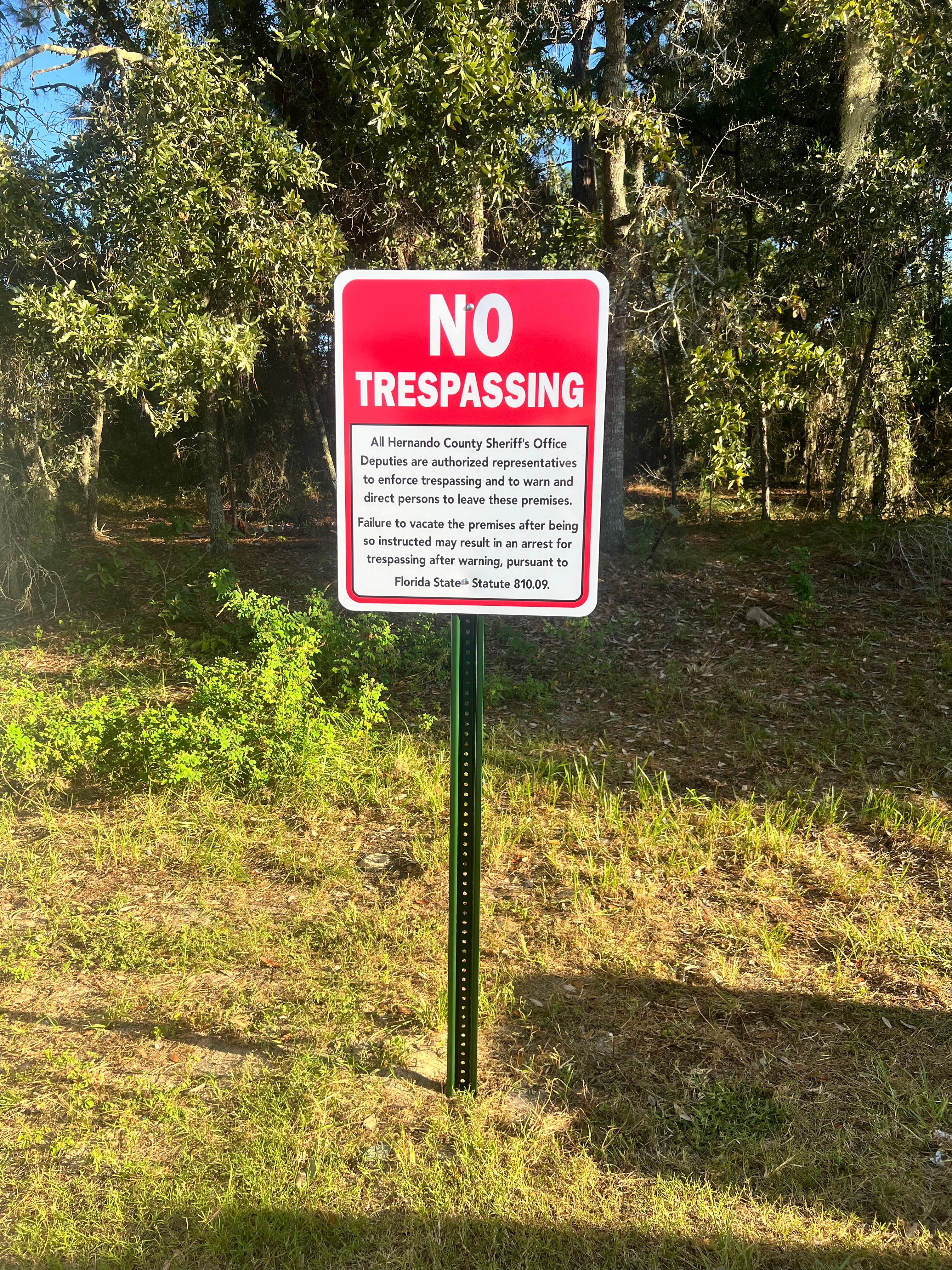
Uniformity is not a design preference. It’s a safety system. The US Department of Transportation’s Manual on Uniform Traffic Control (MUTCD) sets standards for signs, signals, and pavement markings used on roads open to public travel, including state and local roads. States can supplement the federal standards, but they generally must stay in substantial conformance. This is why you can understand the most essential traffic signs even when you are driving in an unfamiliar city.
3 Most Common Shapes Drivers Should Recognize Immediately
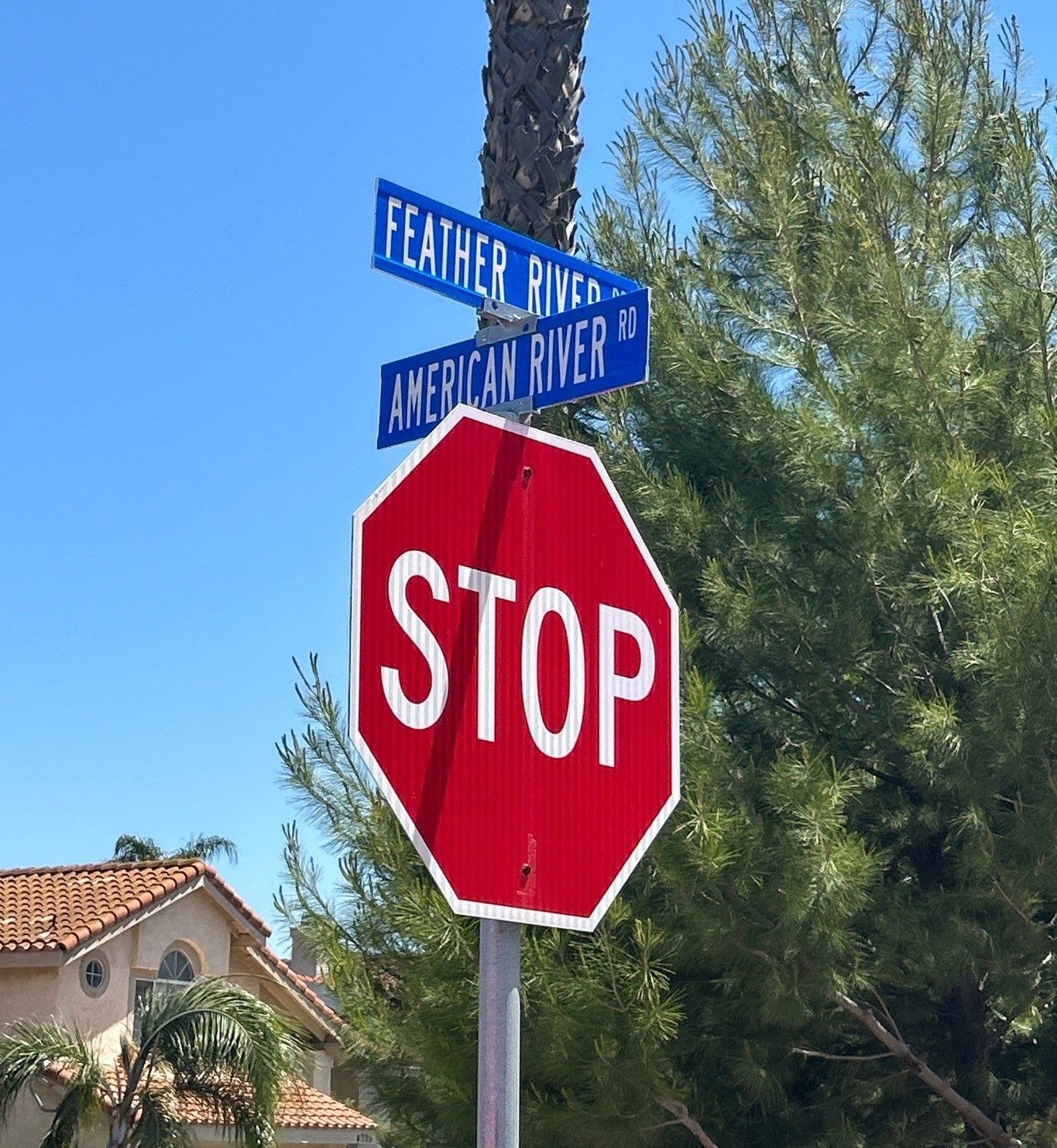
Drivers can identify meaning without reading words, which is why shape matters.
• Octagon: Stop
• Triangle: Yield
• Diamond: Warning
These shapes work like shorthand. Even if the sign is partially blocked or seen at night, the shape signals the category of action the driver must take.
Quick Cheat Sheet: DMV Road Signs and Meanings You Should Know
What To Memorize Before Any Road Trip or DMV Test
• Shapes: Octagon, triangle, diamond, rectangle
• Colors: Red, yellow, orange, green, blue, brown
• Action words: Stop, yield, merge, do not enter
• Common warnings: Curves, pedestrians, railroad crossings, slippery roads
Common Road Sign Color Meanings
• Red: Stop, yield, or prohibited actions
• Yellow: General warnings
• Orange: Temporary traffic control and construction zones
• Green: Directions, exits, and route guidance
• Blue: Motorist services like gas, lodging, and hospitals
• Brown: Recreation areas and parks
12 Driving Signs You’ll See in Every US State (With Meanings)
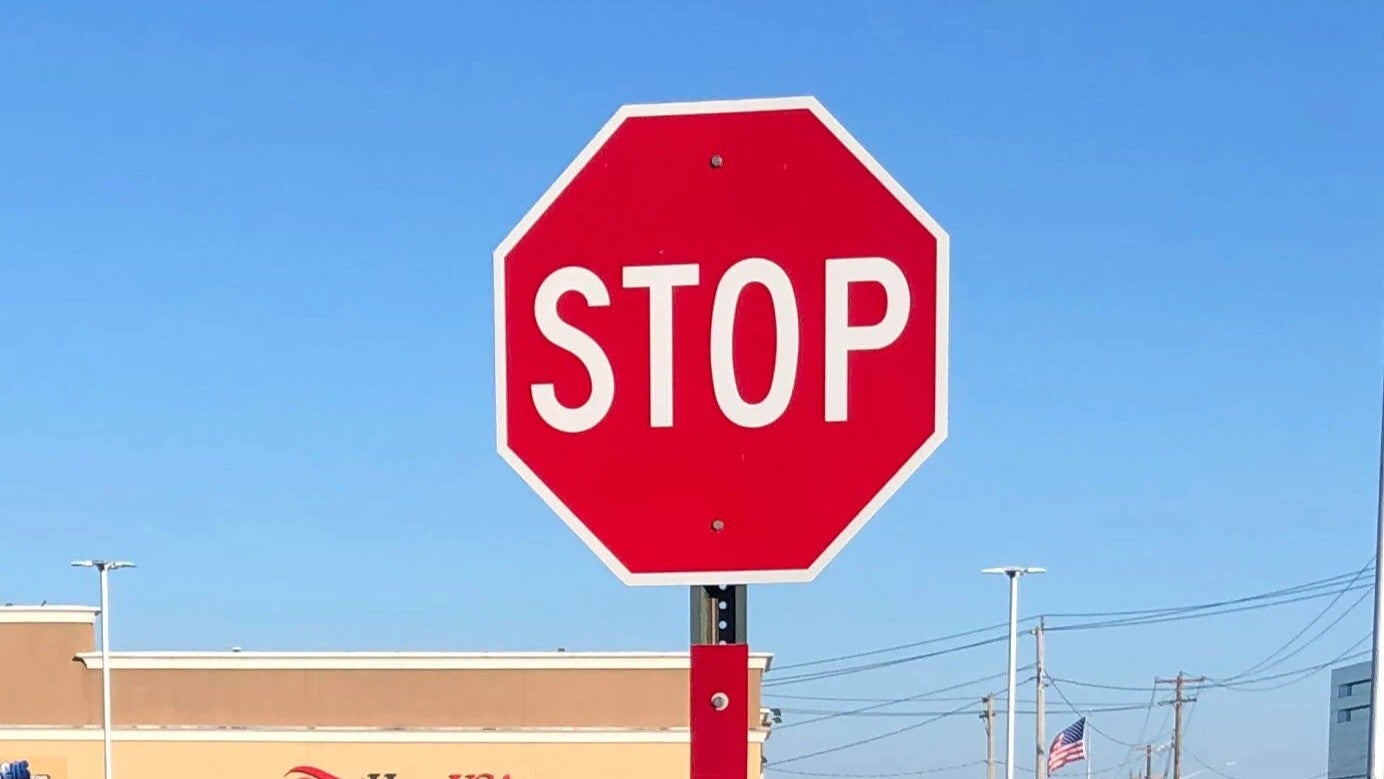
1. Stop Sign
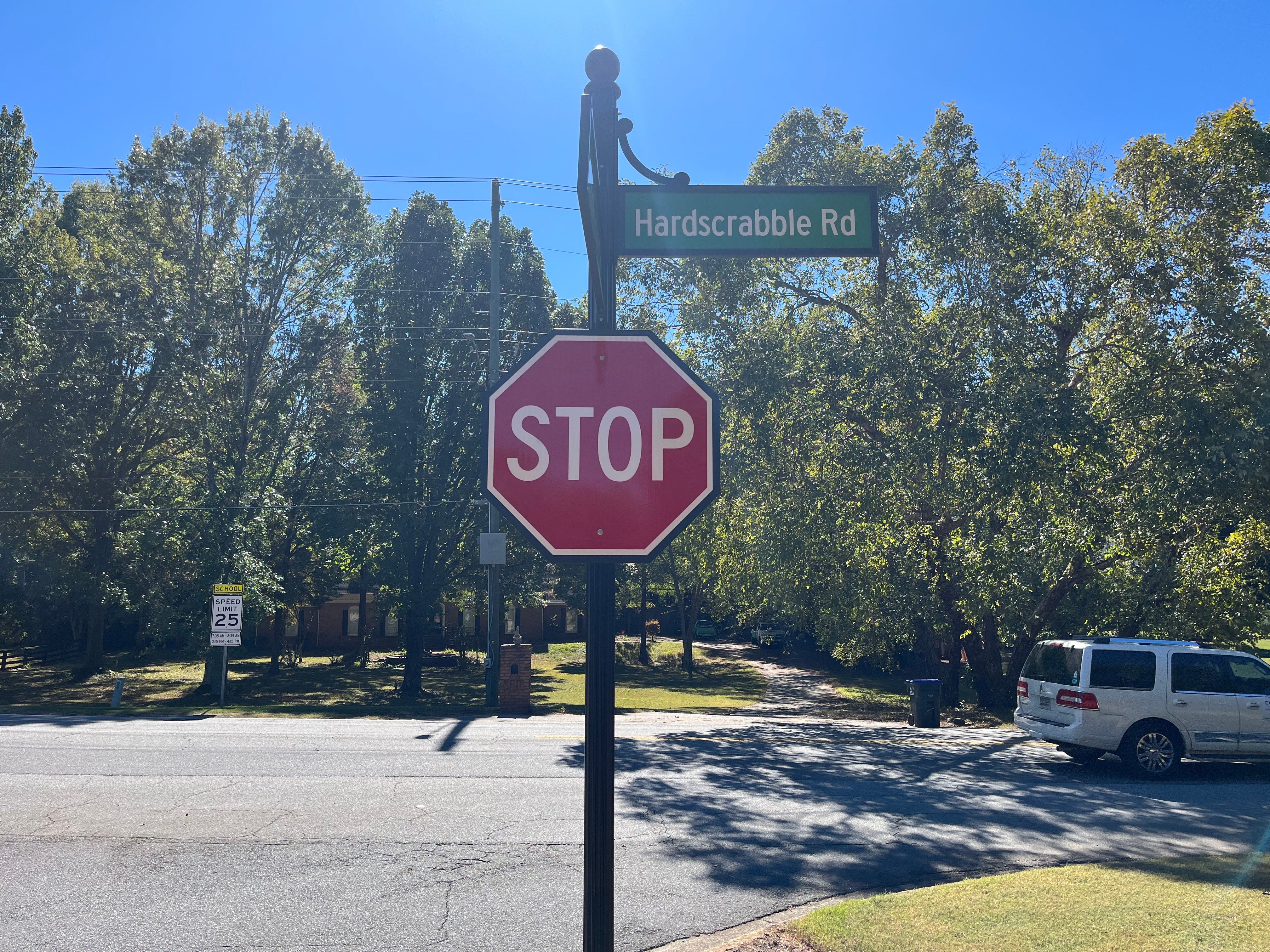
• Meaning: You must come to a complete stop before entering the intersection.
• Where you’ll see it: Residential streets, cross streets, parking exits, four-way stops.
• Driver action: Stop fully behind the line or crosswalk, then proceed only when safe.
2. Yield Sign
• Meaning: Slow down and give the right of way if needed.
• Where you’ll see it: On-ramps, roundabouts, merging lanes, minor intersections.
• Driver action: Be prepared to stop, but only stop if traffic requires it.
3. Speed Limit Sign
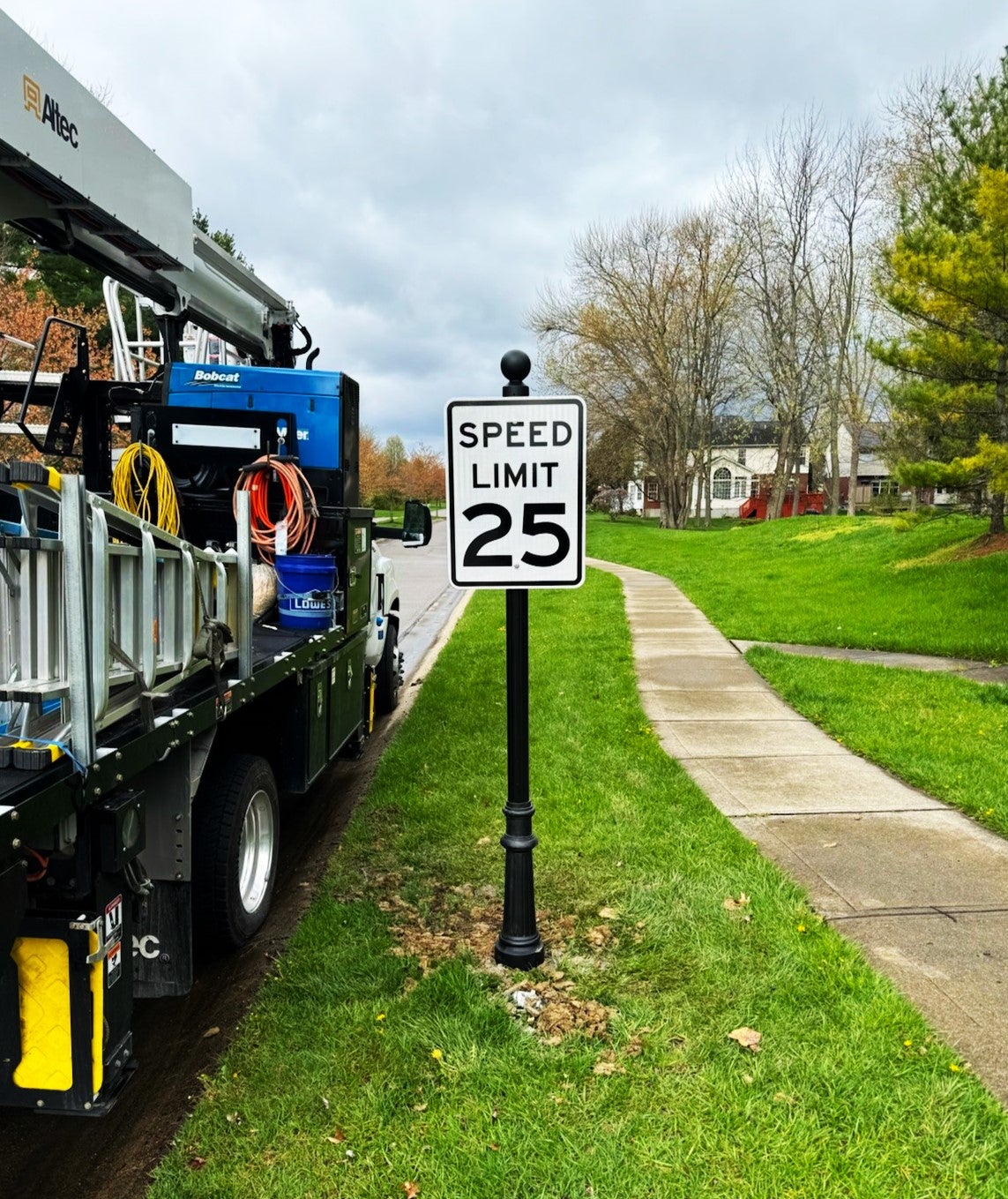
• Meaning: The legal maximum speed under normal conditions.
• Where you’ll see it: Nearly everywhere, often after intersections and when zones change.
• Driver action: Adjust speed promptly and watch for reductions in work zones or school zones.
4. Do Not Enter Sign
• Meaning: You are facing a prohibited entry point.
• Where you’ll see it: One-way streets, ramps, and divided roadways.
• Driver action: Stop and reverse safely if possible, or follow posted directions.
5. One Way Sign
• Meaning: Traffic flows in a single direction.
• Where you’ll see it: Downtown grids, parking facilities, campus roads.
• Driver action: Turn only in the allowed direction and watch for cross traffic.
6. No U-Turn Sign
• Meaning: U-turns are not permitted at this location.
• Where you’ll see it: Busy intersections, areas with limited sight distance.
• Driver action: Continue to the next safe legal turn point.
7. Railroad Crossing Sign
• Meaning: A train crossing is ahead or at this location.
• Where you’ll see it: Rural roads, industrial corridors, small towns.
• Driver action: Slow down, look both ways, and never stop on tracks.
8. Pedestrian Crossing Sign
• Meaning: Pedestrians may cross here, and drivers must use caution.
• Where you’ll see it: Near schools, downtown areas, parks, and trail crossings.
• Driver action: Slow down and yield to pedestrians in crosswalks.
9. Merge Sign
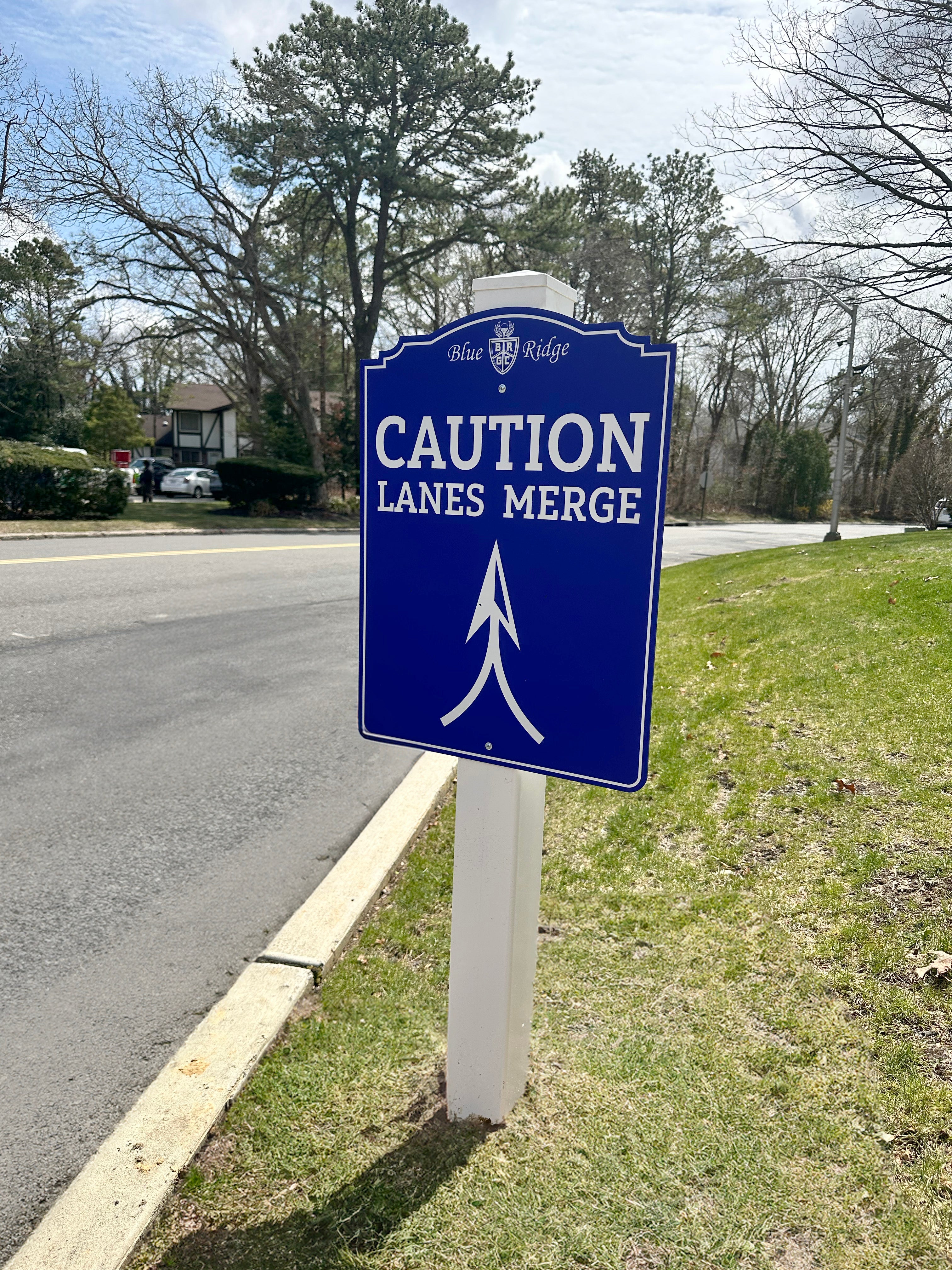
• Meaning: Traffic will join your lane, or your lane will merge into another.
• Where you’ll see it: Highway ramps, lane reductions, construction areas.
• Driver action: Create space, match speed, and merge smoothly.
10. Lane Ends Sign
• Meaning: Your lane ends soon, and you must merge.
• Where you’ll see it: Two-lane highways, work zones, bridge approaches.
• Driver action: Signal early and merge when safe.
11. Slippery When Wet Sign
• Meaning: Road conditions may become hazardous when wet.
• Where you’ll see it: Curves, bridges, shaded roads, areas prone to ice.
• Driver action: Reduce speed and increase following distance.
12. Construction Ahead Sign
• Meaning: Roadwork is coming, and traffic patterns may change.
• Where you’ll see it: Highways, city streets, bridge repairs, resurfacing zones.
• Driver action: Slow down, follow flaggers, and expect lane shifts.
Road Signs and Meanings That Confuse Drivers Most
Some traffic signs are universal, but comprehension is not. Confusion spikes when signs require interpretation under pressure, such as merging, lane drops, or conditional instructions.
The Most Misunderstood Traffic Signs and Meanings
• Merge vs. yield: Drivers either stop unexpectedly or force merges
• Lane ends vs. merge: People wait too long and cut in aggressively
• Do not enter vs. wrong way: Similar placements can confuse panicked drivers
• Conditional signs: Time-based restrictions and multi-panel instructions get missed
How To Avoid Mistakes With Street Signs in New Cities
• Slow down earlier than you think you need to
• Scan for sign clusters before intersections
• Trust road signs over navigation prompts
• Expect one-way streets in downtown areas
When You Need More Than Traffic Signs: Custom Road and Street Signs for Businesses
Public roads follow MUTCD standards, but private properties still face the same safety challenges. Drivers entering a shopping plaza, warehouse, apartment complex, or medical campus are still making real-time decisions with real consequences.
Where Custom Street Signs Make a Big Difference
• Commercial parking lots
• Warehouses and loading zones
• Private roads and gated communities
• Apartment and HOA streets
• Campuses and medical facilities
Safety, Liability, and Navigation: Why Sign Quality Matters
Good signage is not just about visibility. It is about reducing risk.
• Reflectivity: Helps drivers see signs at night and in the rain
• Durability: Prevents fading, cracking, and warping
• Placement: Ensures drivers have time to react
• Consistency: Reduces hesitation and wrong turns
Sign Company in Brookfield, CT: How Signarama Helps You Get the Right Signs
If you manage a property, business, or facility in Brookfield, signage is one of the easiest ways to enhance traffic flow and safety without requiring infrastructure changes. A professional sign company in Brookfield, CT, can help you choose the right materials, placement, and messaging so that your signs are effective and your visitors understand them instantly.
Road-Style Sign Solutions Available for Brookfield Businesses and Properties
• Parking signs
• Directional signs
• Private property signs
• Traffic flow signs (Stop, yield, speed limit)
• Safety and compliance signage
Why Businesses Trust Signarama for Durable, Professional Signage
• Custom design support for readability and layout
• High-quality materials built for outdoor performance
• Local service for businesses in and around Brookfield
• Professional production for consistent, clean results
Frequently Asked Questions
How many road signs are there in the United States?
There isn’t one official total because road signs vary by state and local jurisdiction, but the MUTCD includes hundreds of standardized traffic signs used nationwide.
What are the rarest road signs?
The rarest road signs are typically region-specific warnings, such as avalanche crossing, falling rocks, drawbridge ahead, and low-flying aircraft.
What is the most ignored road sign?
The Stop sign and speed limit sign are commonly ignored, especially in familiar areas where drivers treat the rules as flexible.
What are some confusing road signs?
Merge-related signs and lane reduction warnings are some of the most confusing, especially when drivers must decide quickly.
What sign warns you that you must slow down?
Yellow warning signs, such as sharp curves, winding roads, slippery when wet, and pedestrian crossing signs, warn drivers to reduce speed for safety.
Get Road-Ready Signage in Connecticut Today
If you oversee a property where vehicles move through tight lanes, shared pedestrian areas, or confusing parking layouts, you do not need a bigger lot. You need clearer signage.
Signarama can help you design and produce road-style signs, safety signs, and directional signage that visitors understand instantly, whether they are local or arriving from out of state. The goal is simple: reduce confusion, improve safety, and make your property easier to navigate.

Signarama Danbury, CT
contact
Signarama Danbury, CT