Combining Digital & Traditional Marketing: How Real Estate Signs Boost Online Listings


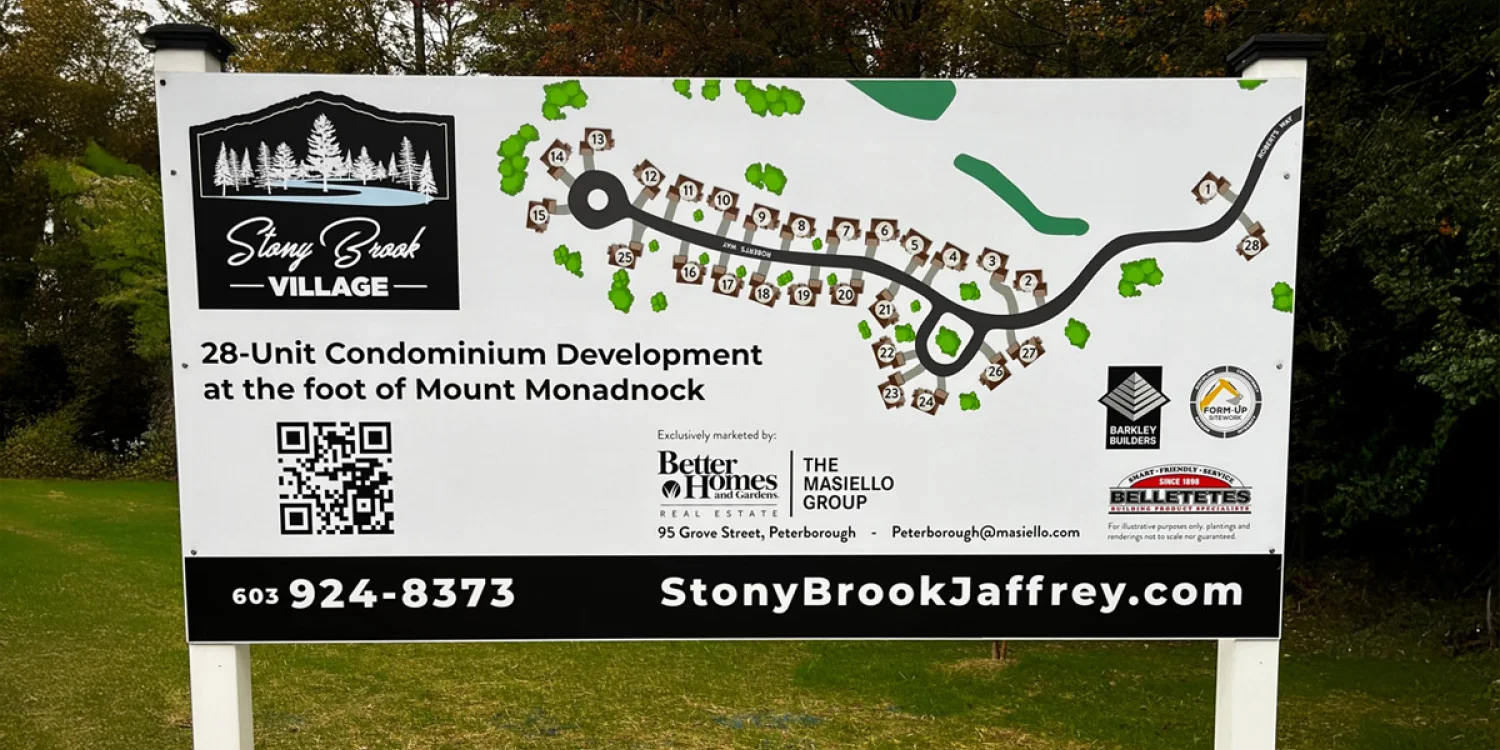
In today’s digitally driven world, some believe traditional real estate signs have lost their relevance, when actually, quite the opposite is true. Physical signage remains a crucial marketing tool that complements digital strategies, creating seamless and engaging buyer experiences. By integrating modern digital tools, such as QR codes, NFC tags, and custom short URLs, real estate professionals can bridge the gap between offline and online marketing, ensuring maximum exposure and engagement for their property listings.
The Role of Real Estate Signs in Today’s Marketing Landscape
Signage as the First Point of Contact
Many potential buyers still discover homes for sale, while driving through neighborhoods. A well-placed real estate sign is often the first interaction a buyer has with a property, immediately sparking interest and prompting action.
Bridging the Gap Between Physical and Digital Marketing
Traditional real estate signs serve as a gateway to digital content, directing buyers to real-time listing details, virtual tours, and direct contact with real estate agents. With mobile-friendly integrations, prospective buyers can access critical property information instantly, while on the go.
Digital Tools That Enhance Real Estate Signs
Connecting physical real estate signs to your agency’s website, virtual tours, or photos and forms engages buyers more. QR codes, NFC tags, and simple, short URLs provide a multitude of information for home buyers in their search for their next home or business. Here’s how these tools work:
QR Codes: Instant Access to Listings
QR codes enable smartphone users to scan and instantly open web pages with property details. Using high contrast QR codes on your yard signs make them easier to access, such as a black code on a white background. Also, because potential buyers will use their smartphones to scan QR codes, make sure your QR codes link directly to mobile-optimized landing pages. In the real estate business, QR codes can provide a wealth of information to potential buyers, and your call-to-action (CTA) should reflect what your QR codes do, such as “Scan for a Virtual Tour” or to access:
- Full property details, including MLS listing, pricing, and high-quality photos
- Video walkthroughs, along with virtual tours, for more immersive experiences
- Contact forms and scheduling tools for easy inquiries and to make an appointment with an agent to see the properties buyers are interested in purchasing
NFC Tags: Tap to Learn More
Near-Field Communication, or NFC, tags are a wireless technology that uses radio waves to transmit data between devices. In real estate, this allows buyers to tap their smartphones on real estate signs or on NFC tags at an open house to access listing information instantly, such as the price, features, and nearby points of interest. NFC tags are also:
- Especially useful for potential buyers, who want more information about properties but are unable to schedule an in-person appointment with a real estate agent.
- Used to provide interactive experiences for potential buyers, such as virtual tours or 360-degree views of properties.
- User-friendly with no app or camera needed. Just tap and go
- Trackable, as agents can see how many people have accessed a property’s information and how long they spent viewing it, helping agents understand the types of properties that are most popular and make informed decisions about marketing strategies
Additionally, NFC tags should be strategically placed on a real estate sign, so potential buyers will not have to reach to access them. Often, NFC tags are placed near the realtor’s contact information. Real estate agents should also choose NFC tags that are weather-resistant.
Custom Short URLs: Simple and Memorable Links
It’s important to use short URLs on your real estate signage as they are easier to remember than long MLS links. These URLs connect your traditional signage to your digital presence. These links can be fun and do not necessarily need to include agency names. Some real estate agencies promote using keywords, like “MyRealEstate4sell.com,” instead of your agency’s name because it’s short, relevant, and easier to type. Real estate agents can also use link tracking tools, such as Bit.ly or UTM codes to measure engagement.
Marketing Benefits of Digitally Enhanced Real Estate Signs
Driving More Traffic to Listings
By integrating digital tools, buyers can instantly engage with online content rather than searching manually, instantly connecting with more information, such as the price, property features, and nearby amenities or an immersive experience, such as a virtual tour. Increased online visits lead to higher inquiries and faster sales.
Creating Seamless Buyer Experiences
Potential buyers gain immediate access to crucial property details, reducing research time in the home search process and making it easier to take the next step in their purchasing decisions.
Enhancing Brand Recognition and Trust
A contemporary, tech-savvy approach positions real estate agents as innovative and client-focused, demonstrating a commitment to convenience and transparency. Home buyers appreciate all the help their real estate agent can offer, as looking for their ideal home can often prove stressful.
Providing Valuable Analytics for Agents
By utilizing QR codes, NFC tags, and custom, short URLs, real estate professionals can track how many visitors scan their QR codes or visit their custom, short URLs. With the ability to track the time spent engaging with the digital components on their real estate signs, agents can gain insights into potential buyers' interests and behaviors.
Implementing Digital Components
Choosing the right sign placement to maximize visibility and engagement will ensure QR codes, NFC tags, and URLs are professionally integrated into your sign designs. Regularly updating landing pages linked to your signage to keep content fresh and relevant is crucial to maintaining relevance in the real estate market today.
It’s also important to educate potential buyers on how to use QR codes and NFC tags effectively, so they will be able to take advantage of your digital integrations. This is easily accomplished with your sign’s call to action, as in “Scan this code for more information, or “Tap your phone here for full details” Combining traditional real estate signage with digital marketing tools is essential for success in today’s market. By upgrading signs with QR codes, NFC tag technology, and custom short URLs, agents can drive more traffic to listings, enhance buyer engagement, and position themselves as innovative real estate industry leaders.
Interested in bridging the gap between traditional and digital for your real estate agency? Contact Signarama for high-quality, digitally integrated real estate signs that make an impact and increase sales!