



ADA Fonts Matter: Are Your Signs Compliant?
Jun 28, 2026 by ADA Fonts Matter: Are Your Signs Compliant?
Item 1 of 7
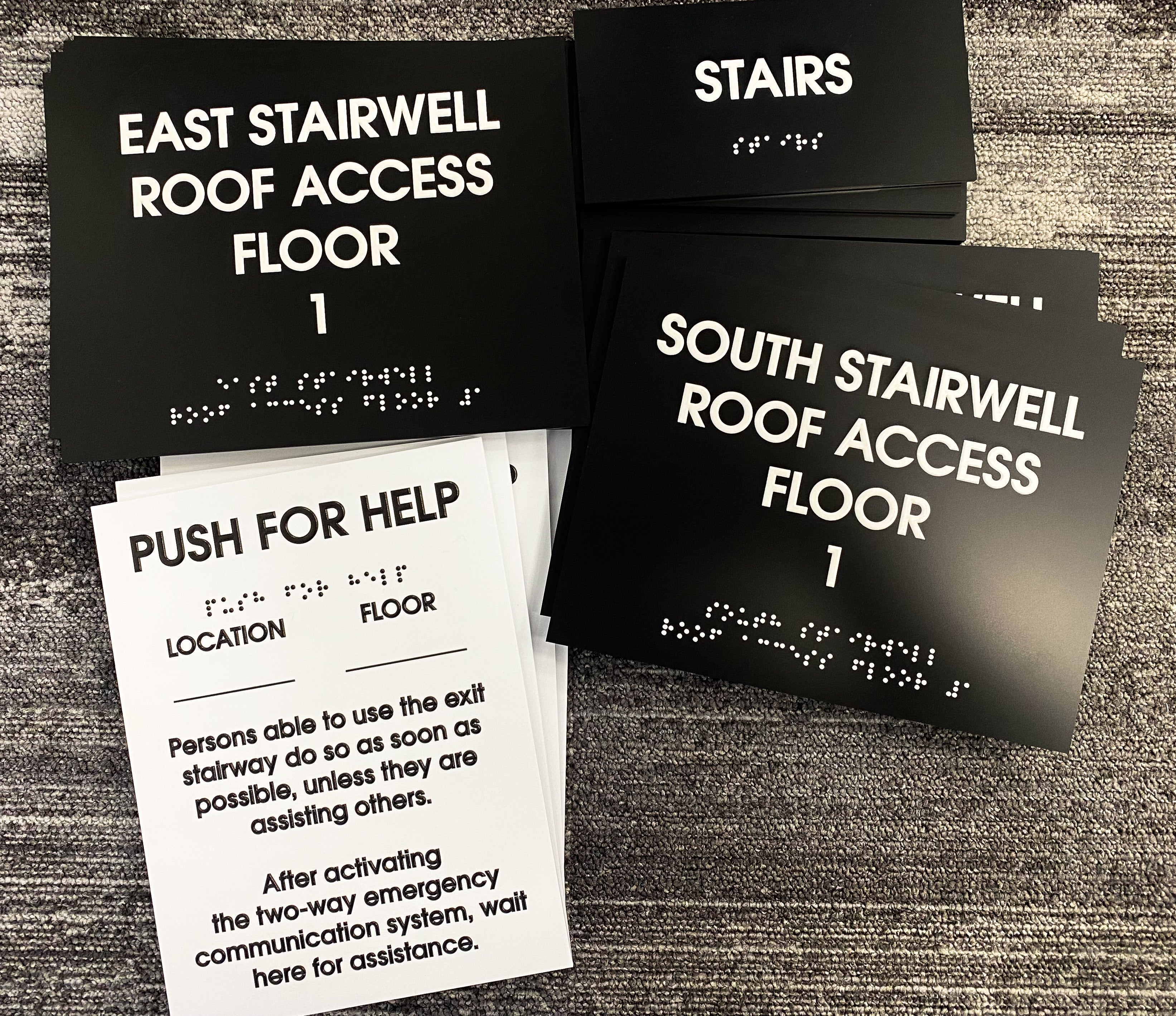
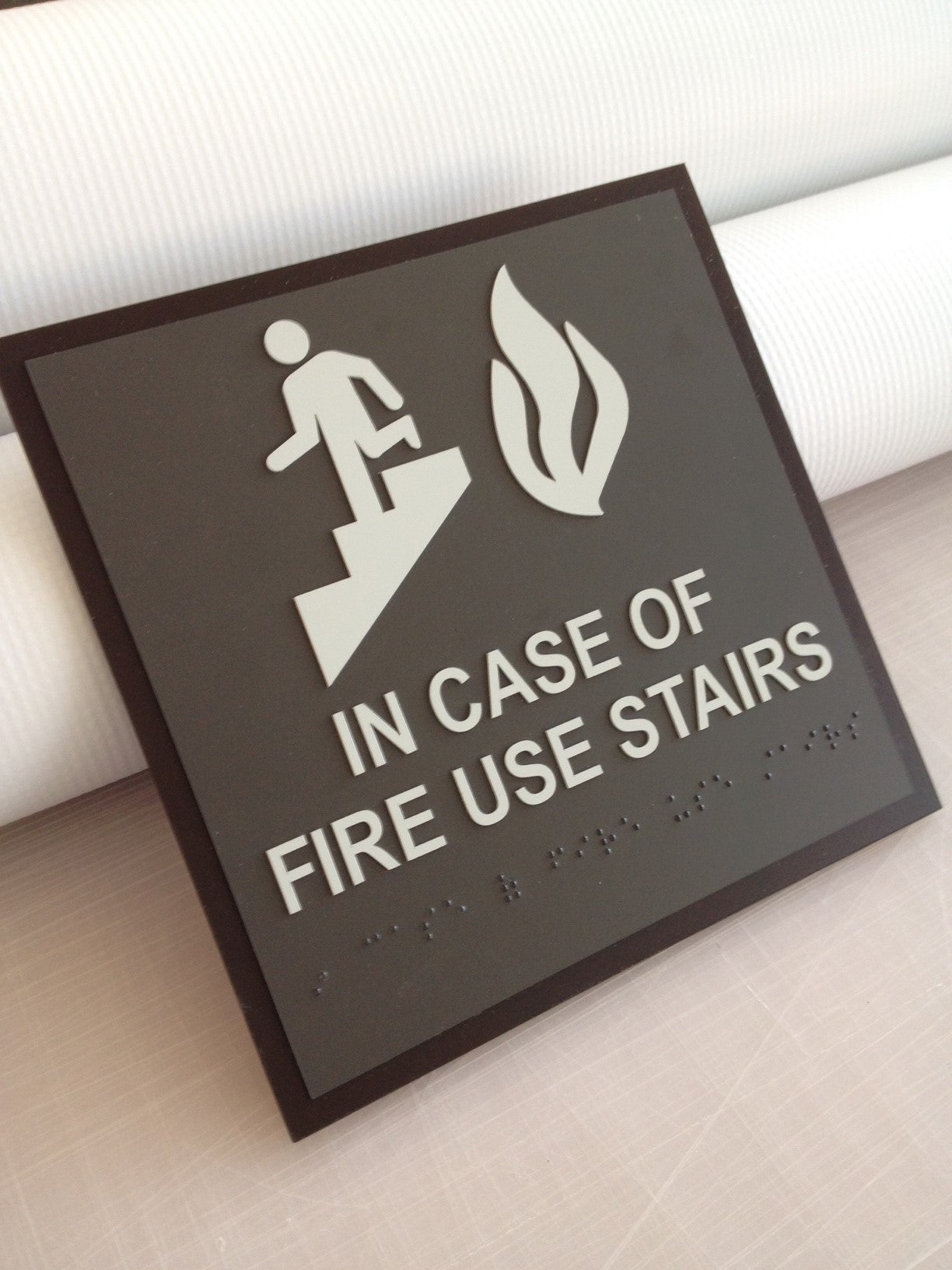
When people think about ADA signs, they often focus on Braille. While Braille is an important component of many ADA-compliant signs, the font and lettering used on the sign are just as important.
Choosing the wrong font can result in signs that do not meet ADA requirements, potentially creating accessibility issues and compliance concerns. That's why it's important to work with an experienced ADA signage provider who understands the standards and requirements.
At Signarama San Antonio Downtown, we are proud to be your ADA sign experts. Our team manufactures ADA-compliant signs in-house and works with contractors, architects, property managers, healthcare facilities, schools, churches, and businesses throughout Texas to ensure signage meets accessibility standards.
What Makes an ADA Font Compliant?
ADA signs require the use of characters that are easy to read and recognize through both visual and tactile means.
In general, ADA-compliant fonts should:
Use simple, sans-serif characters
Have uniform stroke widths
Avoid decorative elements
Feature uppercase lettering for tactile text
Be easy to distinguish by touch and sight
Fonts that are overly decorative, script-style, condensed, or difficult to read typically do not meet ADA requirements.
Common ADA-Compliant Font Styles
While the ADA does not specifically require a particular font family, commonly used compliant fonts include:
Helvetica
Arial
Futura
These fonts provide clean, simple letterforms that meet readability requirements and work well for tactile signage.
More Than Just the Font
ADA compliance involves much more than selecting the right font.
Requirements may include:
Raised Characters
Tactile characters must be raised from the surface of the sign, allowing users to read by touch.
Braille
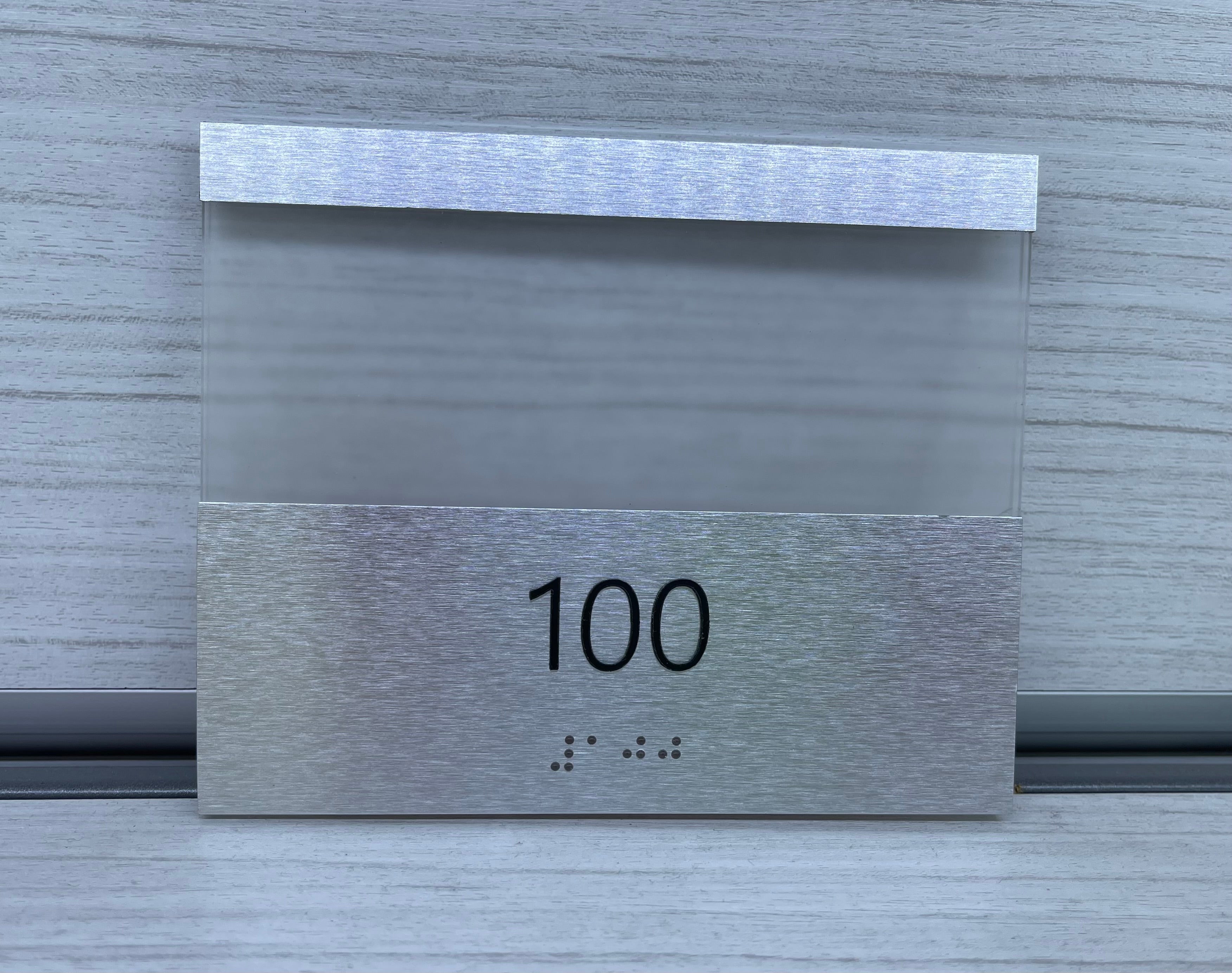
Most permanent room identification signs require Grade 2 Braille positioned according to ADA standards.
Character Height
Letter size must fall within specific guidelines depending on viewing distance and application.
Contrast
The sign background and lettering must have sufficient contrast to improve visibility for individuals with low vision.
Mounting Height
Signs must be installed at the proper height and location to remain compliant.
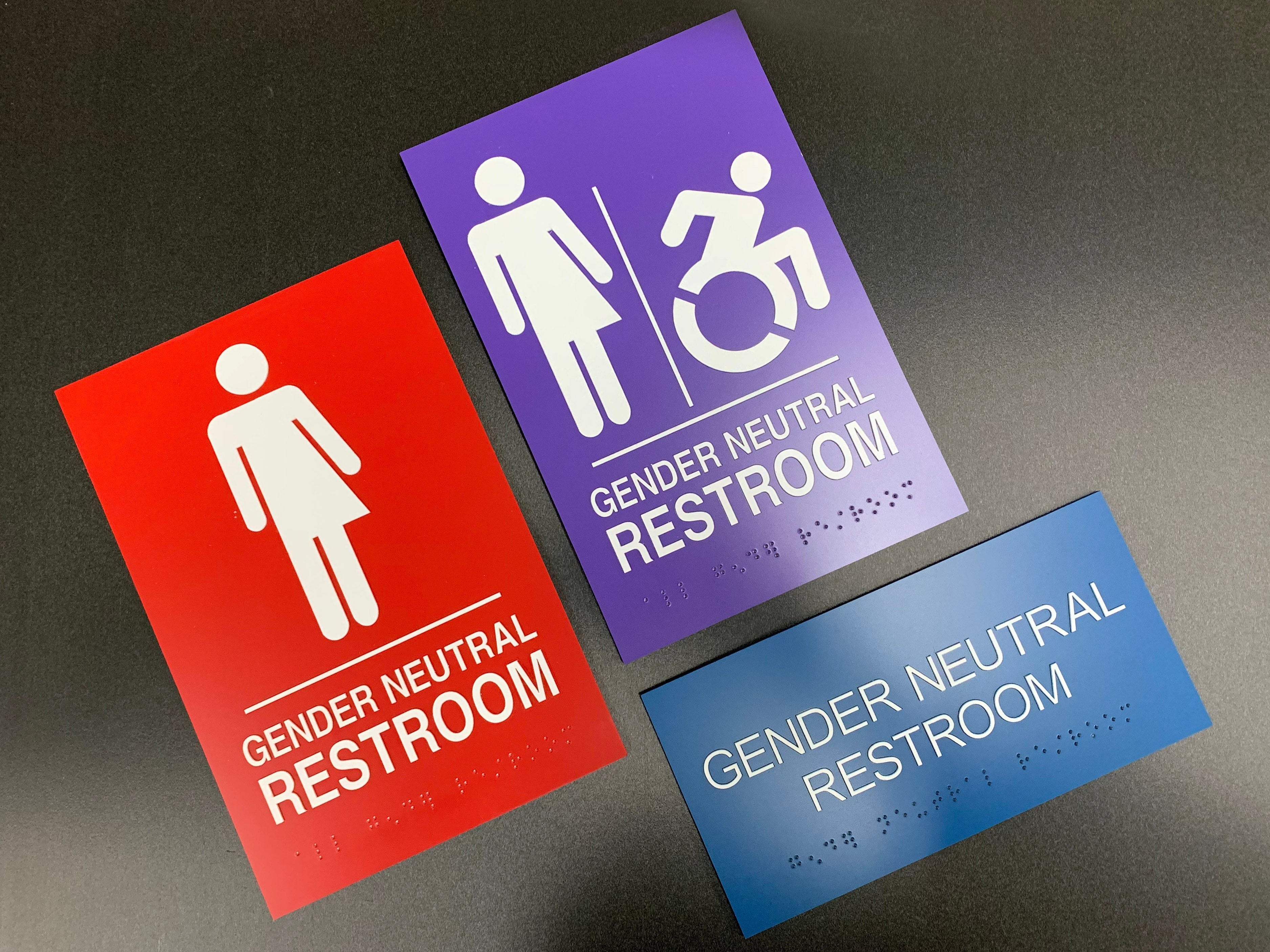
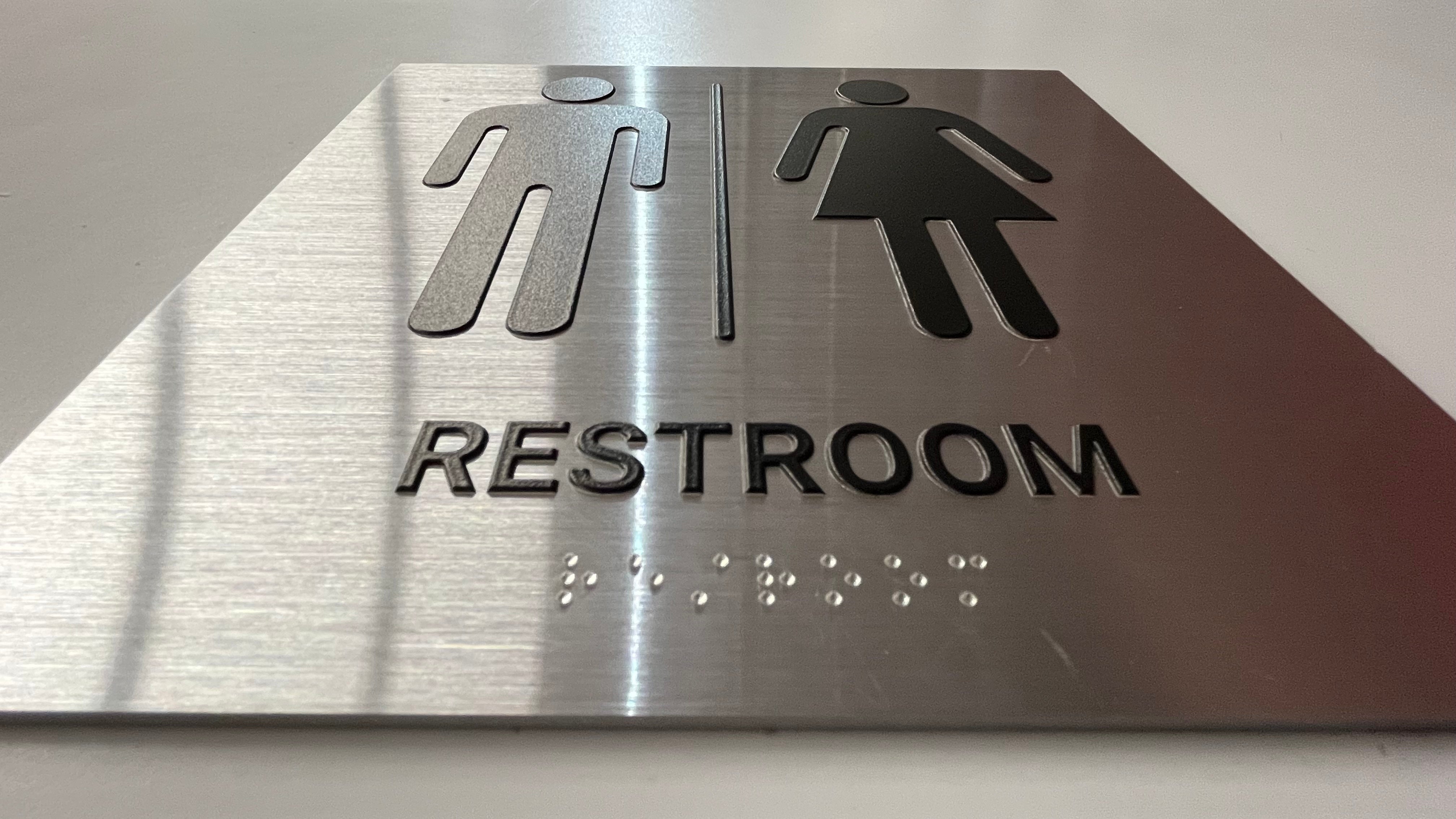
Pictograms
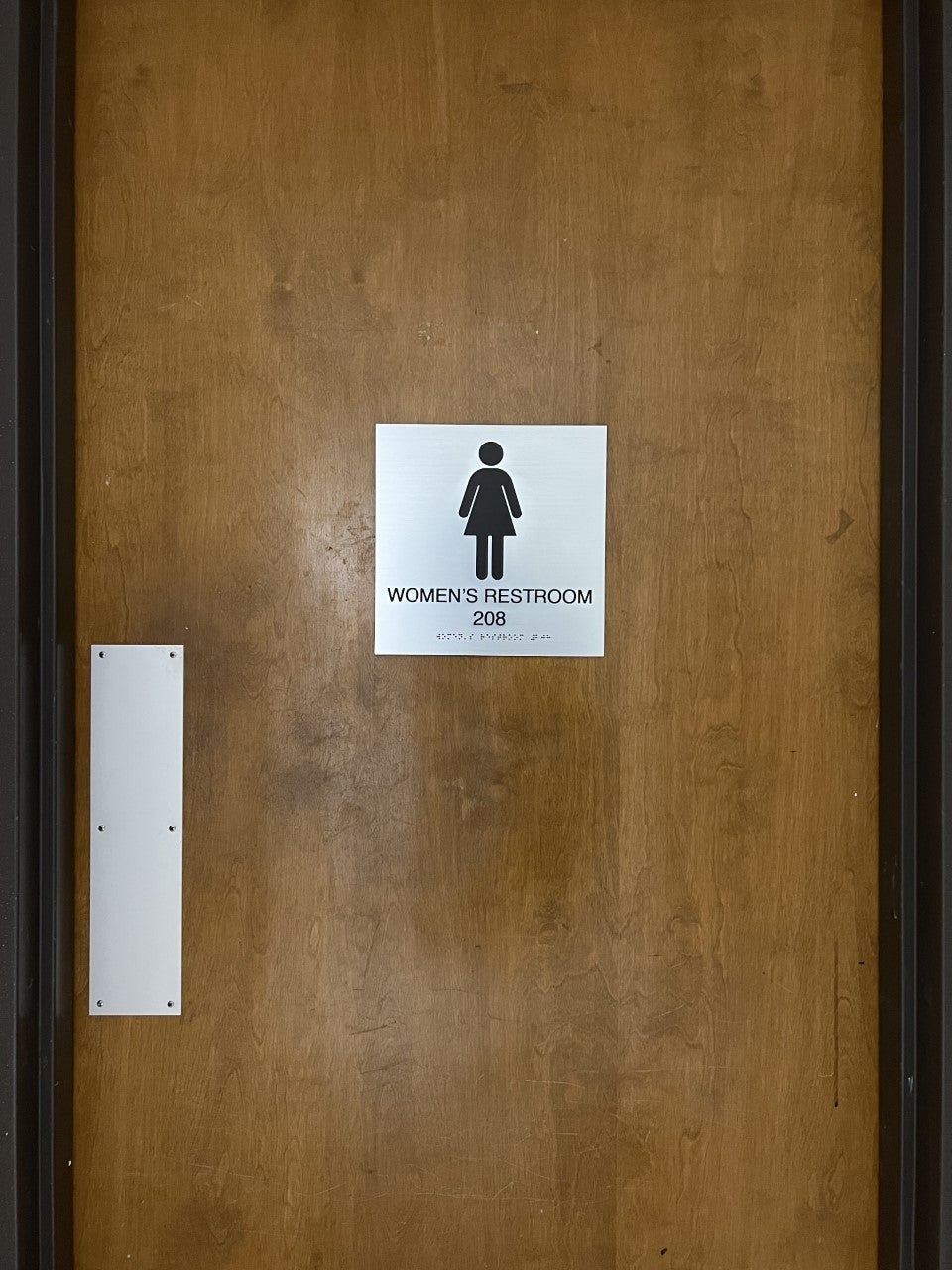
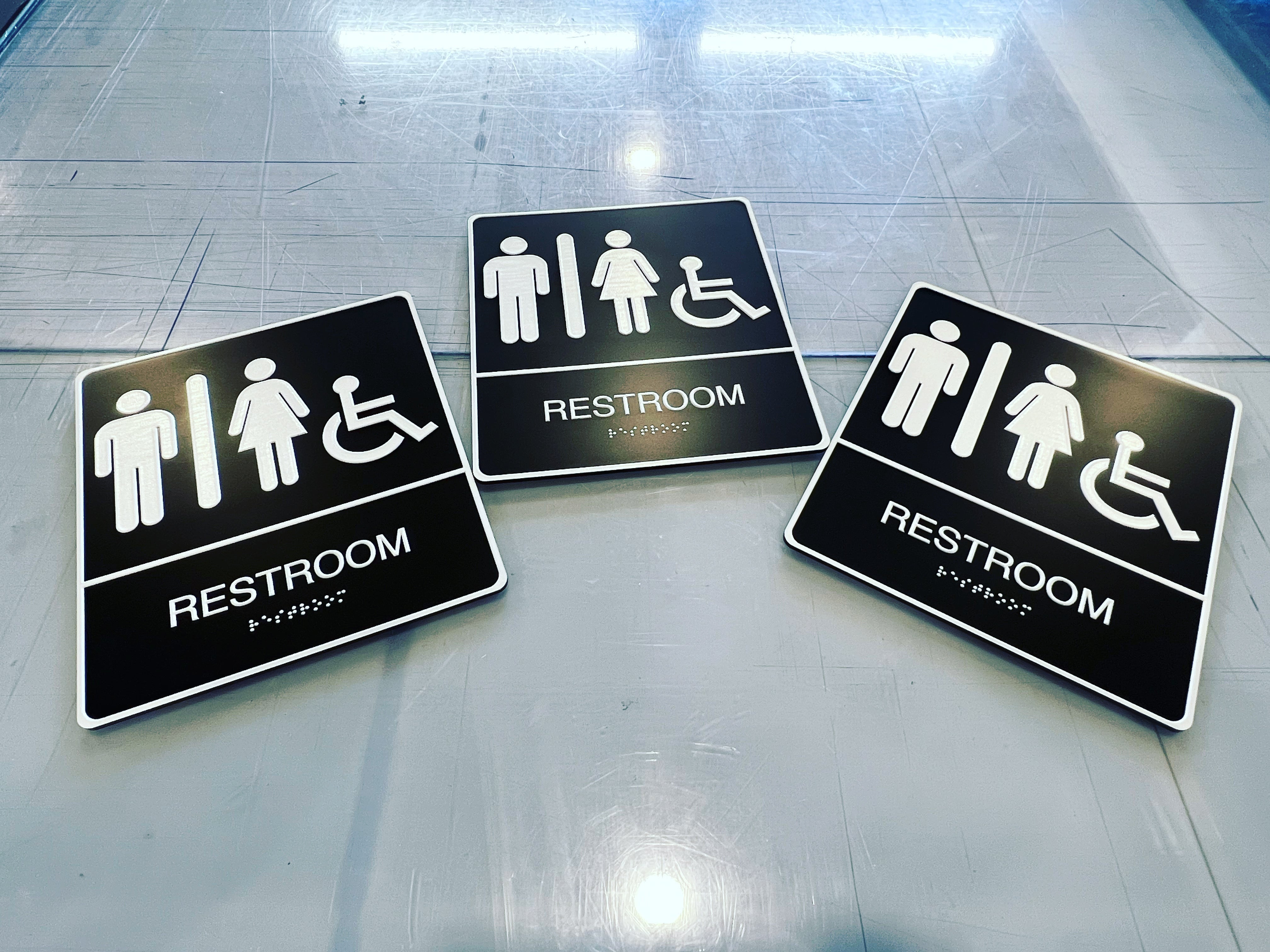
Certain signs, such as restroom signs, require specific pictograms and spacing requirements.
Why ADA Compliance Matters
ADA signage is not simply about meeting code requirements. It helps create an environment that is accessible and welcoming for everyone who enters your facility.
Proper signage helps visitors:
Find their destinations more easily
Navigate buildings independently
Access information regardless of visual impairments
Experience a safer and more inclusive environment
For businesses and property owners, compliant signage can also help reduce liability and avoid costly corrections later.
Work With ADA Sign Experts
ADA signage requirements can be complex, especially on new construction projects and large facilities. Our team stays current on ADA standards and can help guide you through the process from design and manufacturing to installation.
Whether you need a single room sign, a complete wayfinding package, healthcare signage, educational facility signage, or an entire ADA sign program, we have the expertise and equipment to help.
As your local ADA sign experts, we manufacture ADA signs in-house, allowing us to maintain quality, accuracy, and faster turnaround times.
Need ADA-compliant signage for your next project? Contact our team today. We're here to help ensure your signage is accessible, compliant, and professionally designed.


Signarama San Antonio (Downtown), TX
302 Casa Blanca St
San AntonioTexas78215
Opening Hours:
Monday
8:30 am - 5:00 pm
Tuesday
8:30 am - 5:00 pm
Wednesday
8:30 am - 5:00 pm
Thursday
8:30 am - 5:00 pm
Friday
8:30 am - 5:00 pm
Contact
Signarama San Antonio (Downtown), TX
CLIENTS WE HAVE WORKED WITH:







Contact Us
Contact the team at Signarama San Antonio (Downtown), TX
210-224-5100Signarama San Antonio (Downtown), TX302 Casa Blanca St San Antonio Texas 78215
Follow Us
Select your country:
About Signarama
With the latest technologies and a wide range of available materials, there really is no end of choice and quality in the manufacturing of Signarama Signage. Images and logos belong to their owners and do not imply Signarama’s endorsement—shown only as examples of our work. Visit our corporate section to see more about:
Own a Signarama franchise
Join our winning team and own your future with Signarama - the largest sign franchise in the industry.
Copyright Signarama. All Rights Reserved. Powered by Gorilla Dash.