

Pylon Signs vs. Monument Signs for Millwood Businesses Set Back From the Road
Oct 6, 2026 by Signarama Millwood
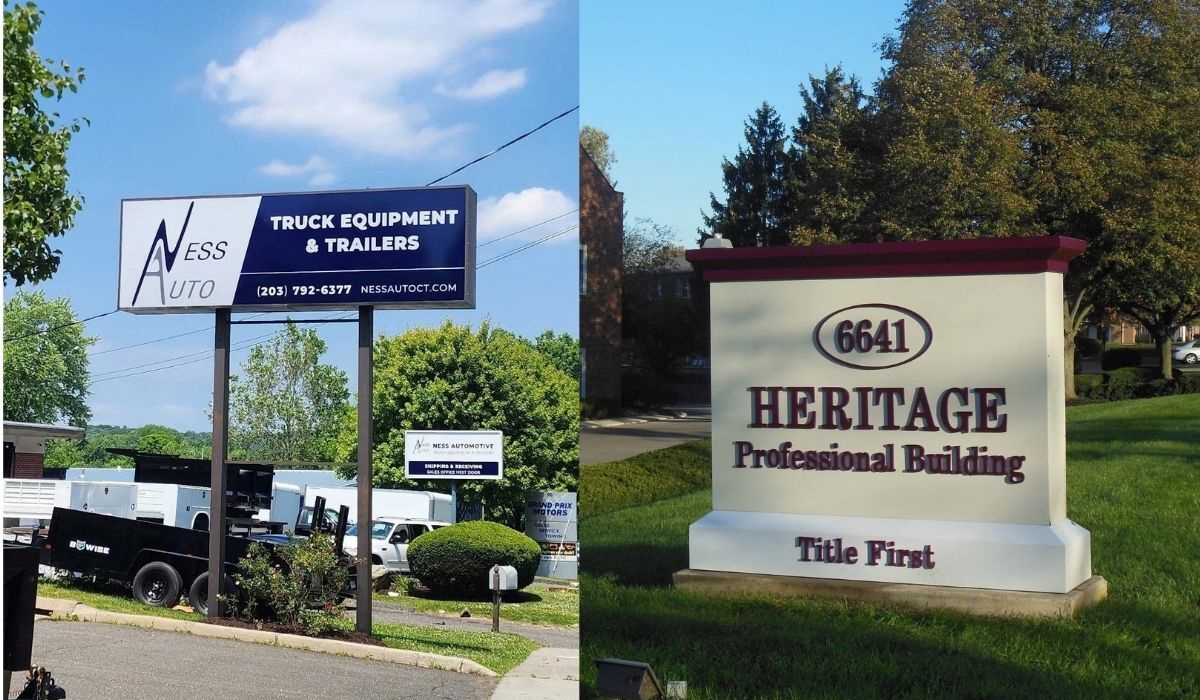
For a Millwood business set behind a parking lot, landscaped buffer, or deep setback, signage needs to help drivers spot the property and find the entrance before passing it. Freestanding outdoor signs, including pylon-style and monument-style designs, can improve roadside visibility when a wall sign is too far from the road.
Pylon-style signs raise the message, while monument signs stay closer to grade. In Millwood, New Castle regulates both under its freestanding-sign rules, and initial placement or relocation requires Planning Board approval with Board of Architectural Review input.
Pylon Signs and Monument Signs Solve Different Visibility Problems
A setback can make a business harder to identify when landscaping, parked vehicles, grade changes, or nearby signs block the view. Pylon signs can improve visibility by raising the message above lower obstructions, while monument signs rely more on placement, open sightlines, and integration with the property’s architecture and landscaping.
Neither format is automatically better, so the choice should depend on the actual roadside viewing conditions.
Pylon Signs vs. Monument Signs: Quick Comparison
Factor | Pylon-style | Monument-style |
Visibility | Can improve recognition above parked vehicles, landscaping, or grade changes. | Strong when the approach is open and the entrance can be identified from a lower sightline. |
Architecture | Stronger vertical presence requires careful support, proportion, and material choices. | Low profile can coordinate closely with building materials and landscaping. |
Tenant count | Can organize several tenant panels vertically, subject to area and readability limits. | Often simpler for one business or a limited tenant group. |
Site constraints | Useful where recurring low obstructions justify an elevated viewing zone. | Best where low sightlines remain open and the base fits site constraints. |
Why Setback Distance Changes the Sign Decision
Roadside Recognition Comes First
A building set well behind the road creates two identification moments. Drivers first need to recognize the property from the roadway, then confirm the correct entrance and destination after turning in.
Sightlines Determine Sign Effectiveness
A freestanding sign can move the business name closer to the first decision point, but it still needs a clear viewing window. Important factors include approach distance, viewing angle, driveway location, parked vehicles, seasonal vegetation, grade changes, and nearby visual competition.
Compare Low and Elevated Visibility
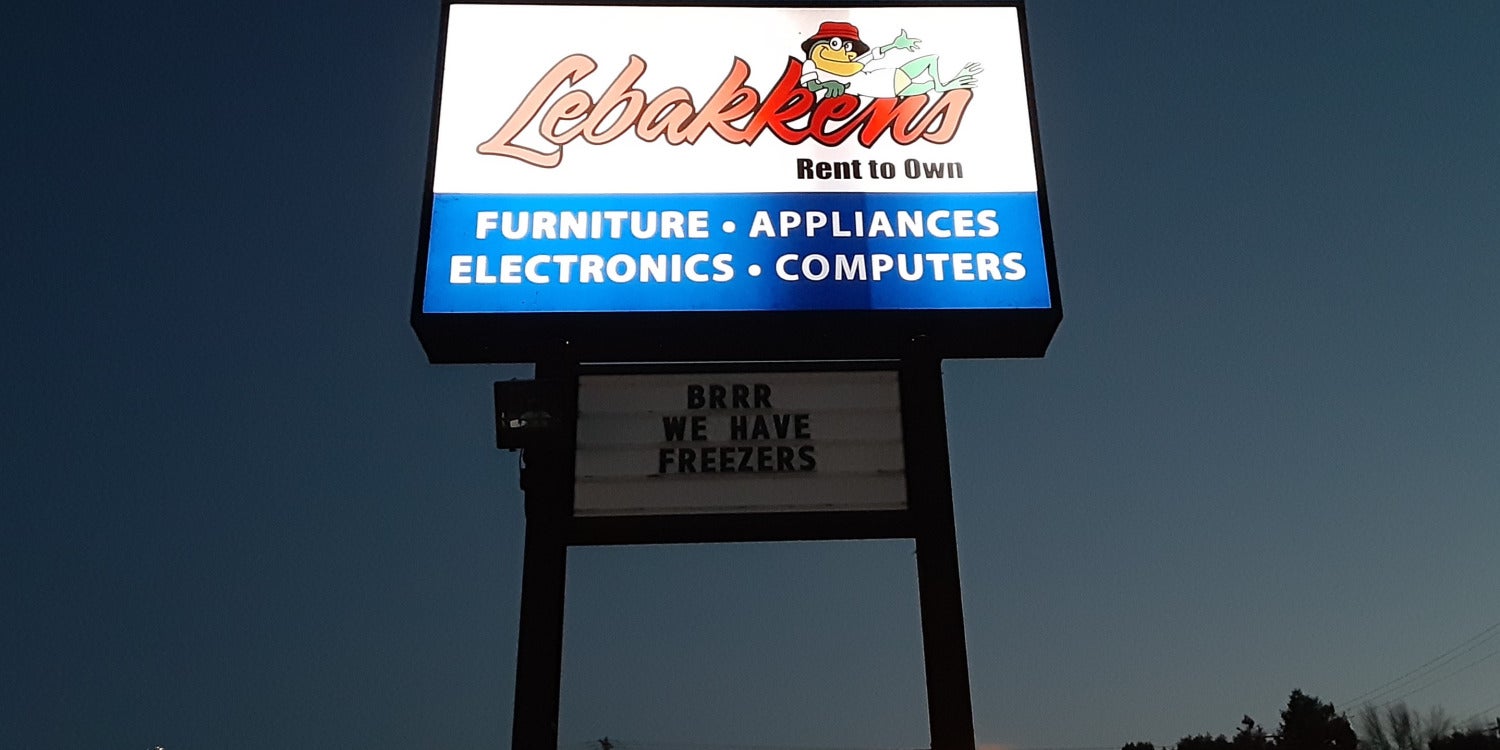
A monument sign may be easy to read across an open frontage but disappear behind parked vehicles or landscaping. A pylon-style sign may clear those obstructions, although additional height can introduce different architectural and zoning considerations. The decision should begin with sightline analysis rather than a preferred sign type.
When a Pylon-Style Concept May Be Worth Evaluating
When Lower Sightlines Are Blocked
A pylon-style concept may be worth evaluating when a property has a clear vertical visibility problem, such as a building behind a large parking area, a multi-tenant site with one shared entrance, or a location where roadside features regularly block lower sightlines.
Height Still Requires Clear Message Hierarchy
Raising the sign can extend the time drivers have to see it and provide space for organized tenant panels. However, added height does not guarantee readability. Too many tenant names, small lettering, competing logos, or weak hierarchy can make the sign difficult to process.
Check New Castle Sign Requirements
New Castle’s sign regulations also affect the design. For the referenced freestanding-sign category in business and industrial districts, allowable sign area is based on building area and is subject to a stated maximum of 20 square feet. The property’s zoning district, site conditions, and current code requirements should be confirmed before finalizing the concept.
When a Monument Sign May Fit Better

Open Roadside Frontage
A monument sign can work well when the property is already visible from the road and the main challenge is identifying the entrance.
Strong Architectural Integration
Its lower profile allows the base, materials, proportions, and landscaping to coordinate closely with the property.
Offices and Professional Properties
Monument signs often suit offices, professional buildings, and smaller retail sites where a grounded, cohesive appearance is important.
Clear Low-Level Sightlines
These signs perform best where landscaping, parked vehicles, and other roadside elements do not regularly block the view.
Real-World Visibility Testing
Shrubs, snow piles, utility equipment, grade changes, and vehicles can reduce visibility, so the concept should be tested from both approach directions.
Entrance-Focused Identification
Monument signs can be especially useful when drivers can already see the property but need a clear visual marker for the correct driveway or entrance.
How Tenant Count Affects the Choice
A single business can devote most of the available sign face to one identity, which makes a simple monument sign easier to keep readable. A multi-tenant property has to divide limited space among several names.
A pylon-style structure may offer more vertical organization, but it does not create unlimited sign area. Local sign-area rules and legibility still control what can work.
How Architecture and Streetscape Affect the Decision
New Castle’s review process makes design compatibility an important part of planning a freestanding sign. Key considerations include:
Planning Board Review: Initial placement or relocation of a freestanding sign requires Planning Board approval.
Board of Architectural Review Input: The application is also referred for review of architectural features and overall design compatibility.
Material Coordination: Monument signs can incorporate stone, brick, metal, or other materials that relate to the building.
Pylon Sign Proportions: Supports, panel size, and overall mass should be designed to fit the property rather than appear visually disconnected.
Millwood-Specific Requirements: Properties within areas covered by the Millwood Center Area Design Plan may have additional design considerations, so parcel-specific rules should be checked early.
How to Evaluate a Freestanding Sign for a Setback Millwood Property
Step 1: Map the Driver Approach
Review both directions of travel from realistic approach points. Note where the property first becomes visible, where the driveway becomes clear, and which objects block the sightline. Site photographs are useful for comparing concepts.
Step 2: Define the Primary Message
Decide what the sign must communicate. A single-tenant site may need only the business name and a simple directional cue. A multi-tenant property may need a property name plus tenant panels. Remove information that does not help the immediate driving decision.
Step 3: Compare Low and Elevated Viewing Zones
Test whether a monument-height concept remains visible above landscaping and vehicles. Then determine whether an elevated concept materially improves recognition. This shows whether added height solves a real problem.
Step 4: Check Site Constraints
Review property lines, right-of-way conditions, circulation, utilities, landscaping, drainage, grade, and sight triangles. New Castle requires sign applications to document existing and proposed signage, structures, parking, circulation areas, and the setback from a freestanding sign to the lot line.
Step 5: Confirm the Approval Path
Verify the parcel’s zoning and current sign requirements before treating the design as final. Initial placement or relocation of a freestanding sign requires Planning Board approval with Board of Architectural Review input. Applicable Millwood design-plan provisions should also be reviewed.
Step 6: Test Readability
Scale the message to the available sign area and test it at realistic viewing distances. Check letter size, contrast, logo complexity, panel count, and blank space. A clean sign usually communicates more effectively than one crowded with services, phone numbers, or secondary copy.
Common Mistakes With Setback Signage
Assuming More Distance Requires More Height
A building set far from the road does not automatically need a taller sign. If the frontage is open, a monument sign may provide enough visibility with less visual mass.
Ignoring Real Sightline Obstructions
Landscaping, parked vehicles, grade changes, and roadside features can block a sign from certain approach angles. Visibility should be tested from the road before selecting a format.
Adding Too Much Information
Crowded tenant names, small text, service lists, or extra messaging can reduce readability. Setback signage should focus on information drivers can understand quickly.
Choosing Style Before Reviewing the Site
Selecting a pylon or monument sign based mainly on appearance can lead to a poor fit. Site conditions, entrance location, tenant count, and viewing distance should guide the concept.
Reusing a Design From Another Municipality
A sign design that works elsewhere may not meet Millwood requirements. New Castle’s review standards, zoning rules, and property-specific conditions should be considered from the start.
Frequently Asked Questions
How early should a Millwood business start planning a freestanding sign?
A pylon-style concept should be evaluated under New Castle’s freestanding-sign rules rather than assumed to be permitted by name. Initial placement or relocation requires Planning Board approval with the Board of Architectural Review review and recommendation. Zoning and applicable Millwood design requirements also need to be checked.
Should a Millwood tenant involve the property owner in the sign project?
Property-owner or property-manager coordination is useful when planning business signs on a leased or multi-tenant property. It can help clarify placement, shared signage standards, and any property-specific design expectations.
Can an existing freestanding sign structure be reused for a New Millwood business?
Possibly. The condition, dimensions, ownership, and proposed changes to the existing structure should be reviewed before deciding whether reuse makes sense for the new outdoor sign.
What design files should a Millwood business provide for a custom sign?
Provide the current logo, approved brand colors, exact business name, and any available font or branding guidelines. Clean source files help create a more consistent sign design.
Can tenant panels be updated later on a Millwood multi-tenant sign?
Some freestanding signs can accommodate replaceable tenant panels, depending on how the original sign was designed. Future changes should still be evaluated against the existing structure and applicable New Castle requirements.
Plan the Sign Around the Site, Not the Category
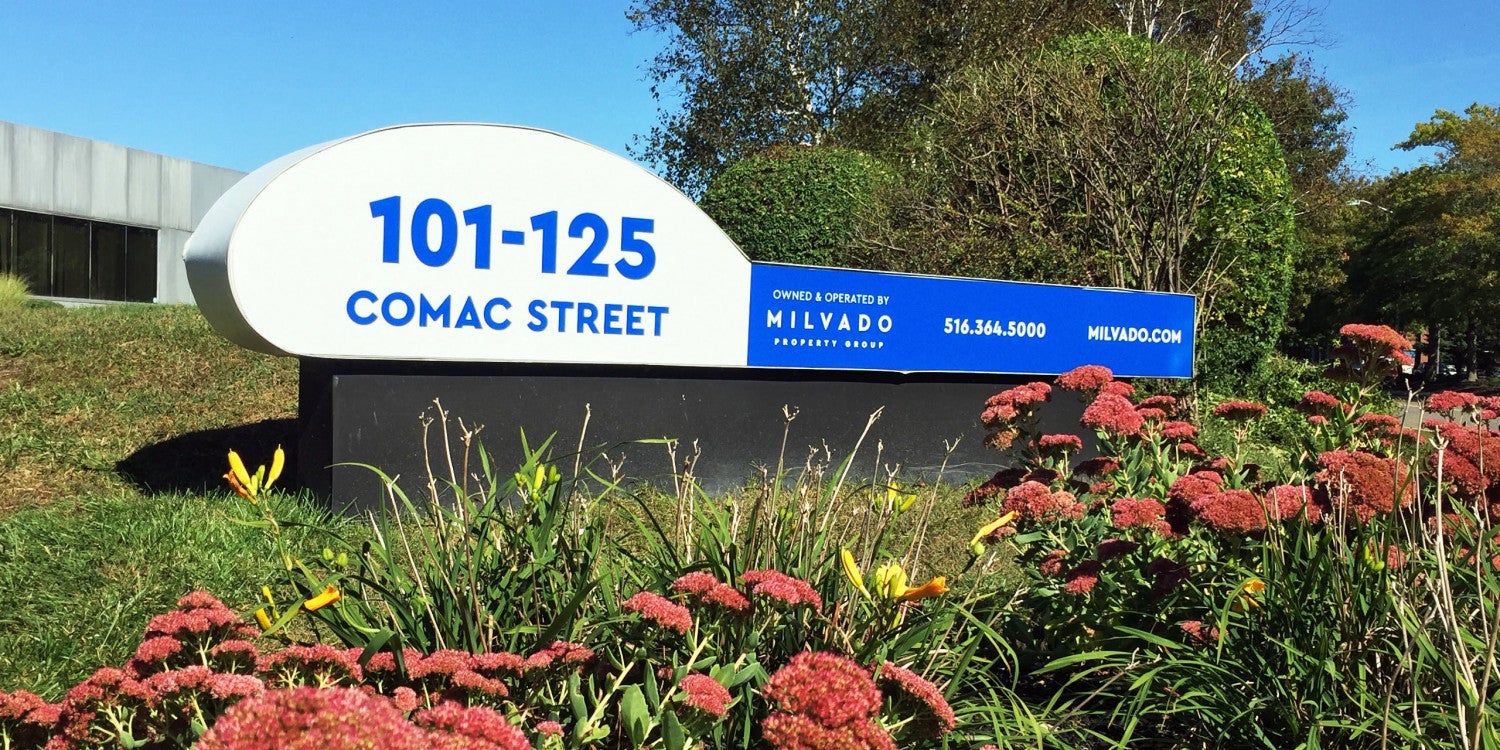
For Millwood properties, choosing between a pylon and monument sign should start with site conditions, visibility, and local requirements. A taller pylon-style sign may suit locations that need added elevation, while a monument sign may work better where lower sightlines are already clear and architectural integration is a priority.
Before selecting a structure, review approach angles, obstructions, tenant needs, sign area, and applicable New Castle rules. Signarama can help compare freestanding sign options and plan a custom solution around visibility, branding, and approval considerations.

Signarama Millwood, NY
contact
Signarama Millwood, NY