




How a Sign Company in New Castle, NY Improves Construction Signs and Job Site Safety
Apr 26, 2026 by Christopher Hayes
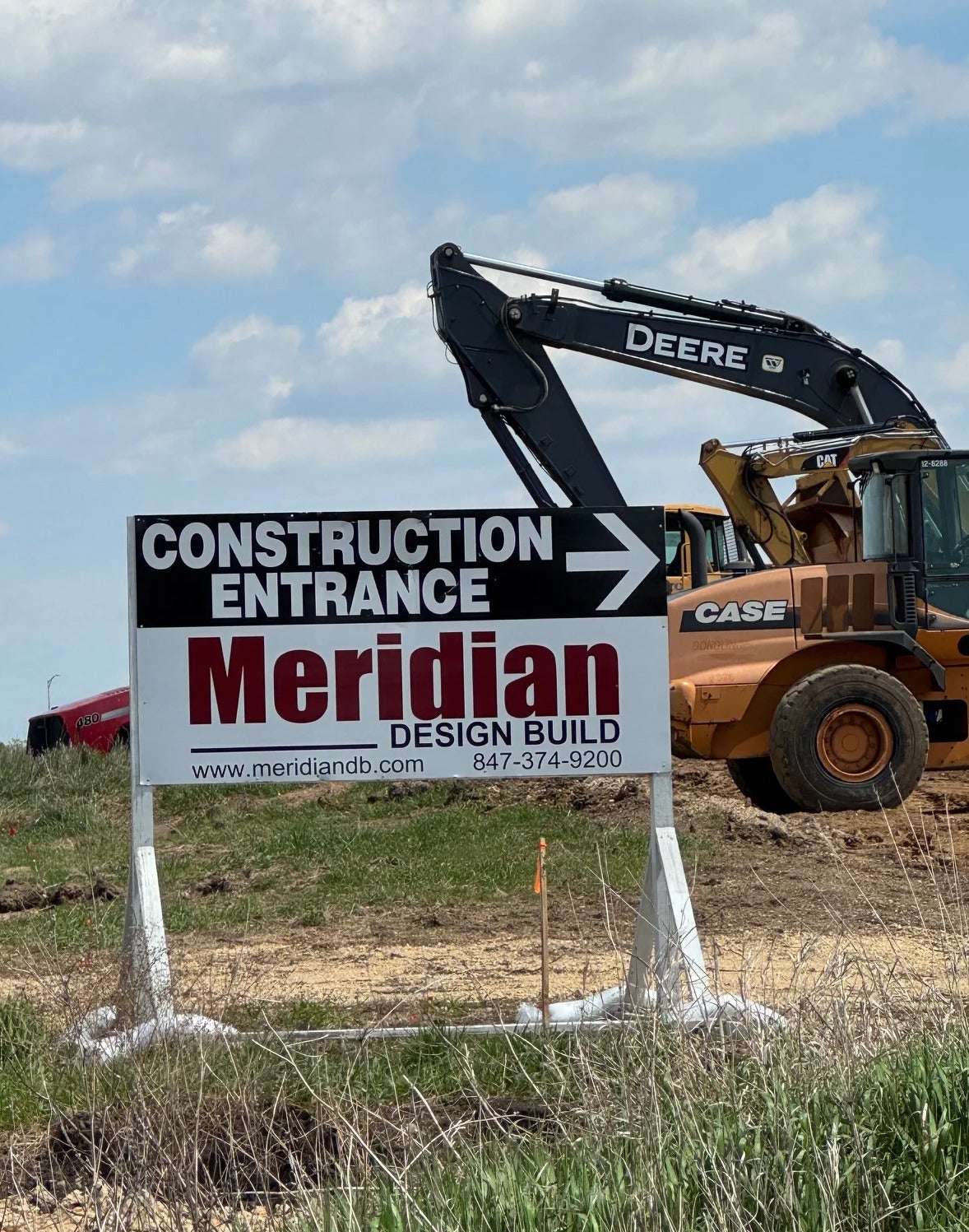
Construction signage is often treated like a final item on a pre-build checklist. Get the signs up, meet the requirement, move on. The problem is that this mindset misses what signage is actually supposed to do on an active job site.
The right sign company in New Castle, NY, helps businesses use construction signs as a working safety and risk-management system. It protects workers, guides visitors, supports traffic flow, and helps prevent costly mistakes.
We’ll break down how the right sign partner turns standard site signage into a practical tool for safety, efficiency, and risk control.
Why Construction Signs Matter Beyond Basic Compliance
Signs Reduce Risk in Active Environments
Construction sites are constantly changing. Equipment moves, access points shift, and new hazards emerge as the project progresses. Without clear communication, even experienced workers and vendors can make costly mistakes.
Strategically placed construction zone signs:
- Direct traffic away from active hazards
- Mark restricted areas clearly
- Reinforce PPE requirements
- Alert workers and visitors to changing conditions
Work zones rely on signs, barriers, and markings to guide people safely through hazardous environments. When signage is missing, unclear, or outdated, risk increases immediately.
Signs Support Site Efficiency
Safety is the priority, but efficiency follows closely behind.
Clear signage reduces:
- Delivery delays caused by confusion at entry points
- Interruptions from misplaced vendors or subcontractors
- Time lost redirecting foot or vehicle traffic
A well-planned signage system keeps the site moving. It allows teams to focus on the work instead of managing preventable confusion.
Signs Are Part of a Larger Communication System
Signs are not standalone tools. They are one layer of a broader communication strategy that includes training, supervision, and site planning.
When signage is coordinated with how people actually move through the site, it becomes a reliable, always-visible source of guidance.
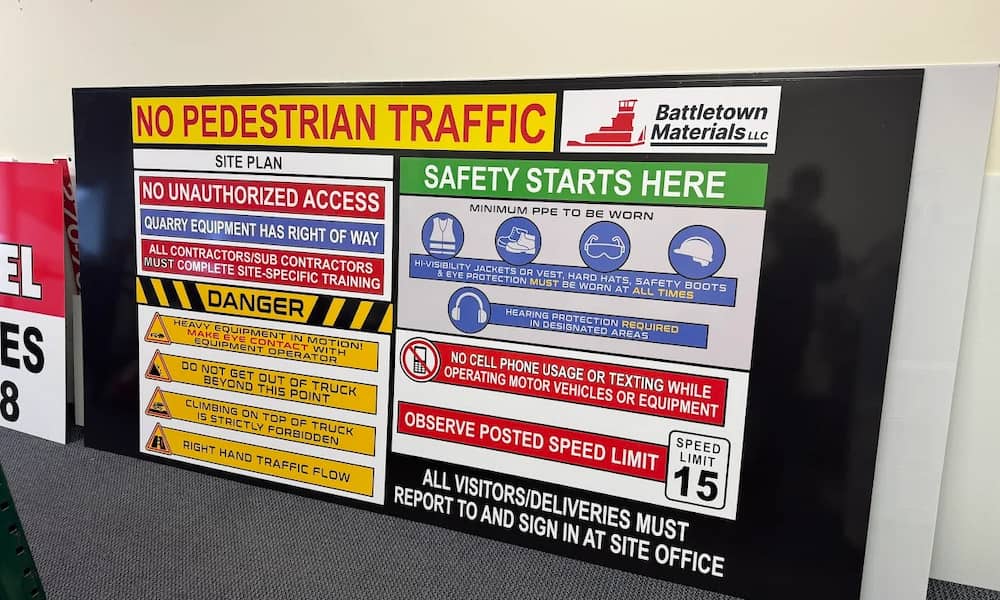
6 Types of Construction Signs and Their Functions
Different construction signs serve different purposes on a job site, and each one supports safety and site organization in a specific way.
1. Warning Signs
Warning signs alert workers and visitors to hazards such as electrical risk, falling debris, excavation, or heavy equipment. Their purpose is to increase awareness before someone enters a dangerous area.
2. Directional Signs
Directional signs help people move through the site correctly. They guide deliveries, workers, and visitors to the right entrance, exit, parking, or access point, which helps reduce confusion and delays.
3. Regulatory Signs
These signs communicate site rules and required actions, such as PPE requirements, restricted access, or speed limits. They help reinforce consistent safety practices across the project.
4. Construction Zone Signs
Construction zone signs manage vehicle and pedestrian flow in and around active work areas. They help separate public access from the job site and support safer traffic control.
5. Safety Sign Boards
Safety sign boards usually display key information in one place, such as site rules, emergency contacts, and general safety reminders. They are often placed at entrances or other high-visibility areas.
6. Temporary Phase-Based Signs
Some building site construction signs are only needed during certain stages of the project, such as detours, temporary access changes, or short-term hazard notices. These signs should be updated as site conditions change.
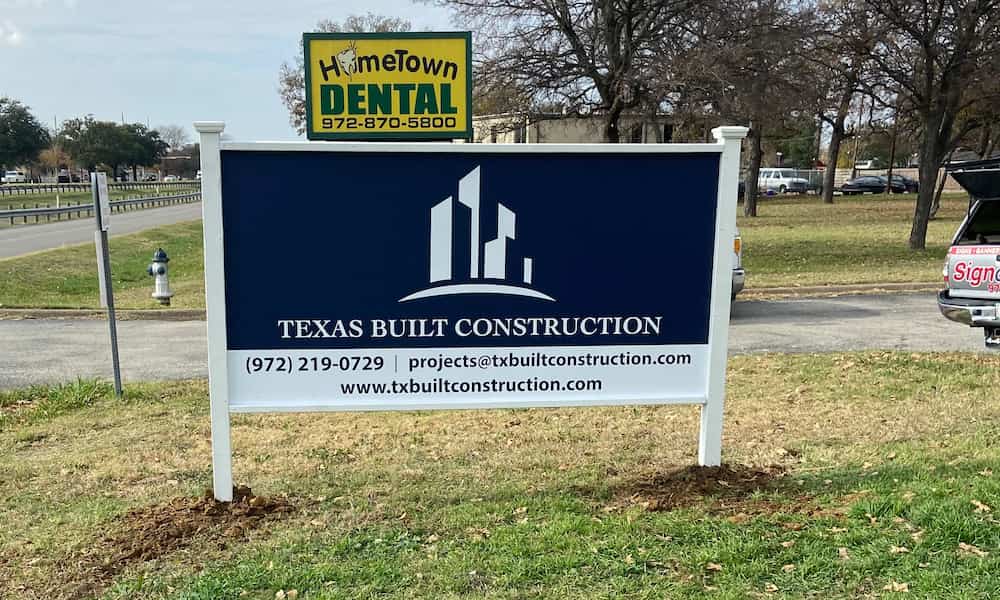
How the Right Sign Company Improves Construction Sign Performance
Site-Specific Planning
Every construction site is different. Entry points, traffic flow, and hazard zones vary based on layout and scope.
A knowledgeable provider evaluates:
- Vehicle and pedestrian movement
- Public-facing areas
- High-risk zones, such as heavy equipment paths or excavation areas
This ensures signs are placed where decisions are actually made, not just where space is available.
Material and Durability Selection
Outdoor construction environments are demanding. Weather, UV exposure, dust, and physical impact all affect signage performance.
Professional recommendations consider:
- Material type for longevity
- Mounting methods for stability
- Reflective or high-contrast finishes for visibility
Durable safety sign boards maintain clarity over time, reducing the need for constant replacement.
Readability and Visibility
A sign that cannot be read quickly is ineffective.
Factors that influence performance include:
- Font size relative to viewing distance
- Color contrast and legibility
- Use of symbols alongside text
- Placement height and angle
Traffic control and workplace safety standards consistently emphasize visibility and comprehension as critical elements of effective signage.
Coordination Across Sign Types
Construction signage is not limited to warnings.
A complete system includes:
- Directional signs for deliveries and access
- Hazard alerts for specific risks
- Identification signs for contractors and zones
- Temporary notices that change with project phases
Coordinating these elements prevents gaps in communication.
Ongoing Updates
Construction sites evolve daily. Access points shift. Hazards change. Work zones expand or contract.
A responsive signage strategy ensures that information remains accurate and relevant throughout the project lifecycle.
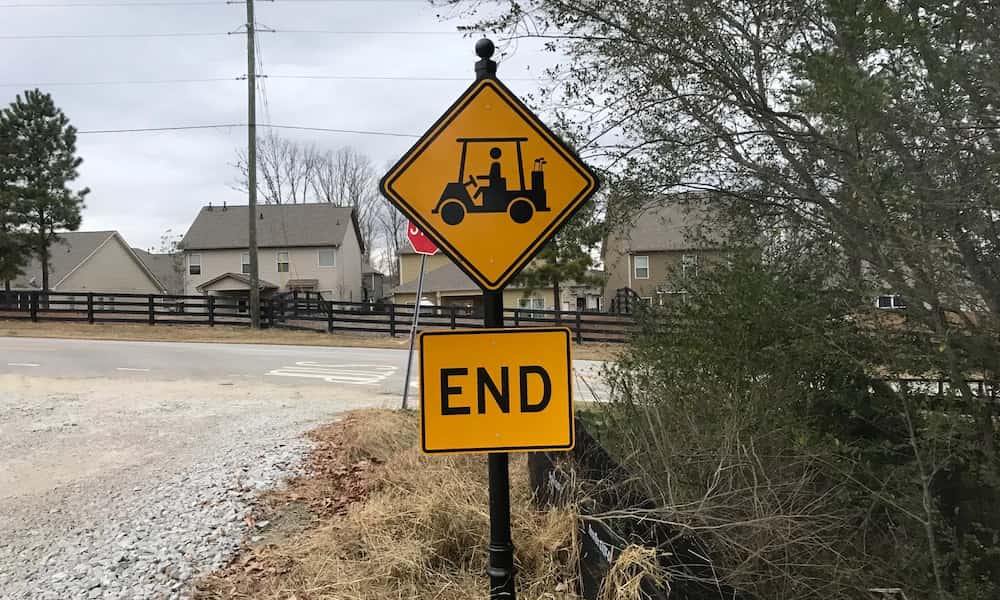
How Construction Signs Function as a Risk Management Tool
Controlling Traffic and Access
Clear construction zone signs separate public areas from active work zones. This reduces the likelihood of unauthorized entry and accidental exposure to hazards.
Reinforcing Hazard Awareness
Signs provide constant reminders of:
- Equipment movement
- Fall risks
- Electrical hazards
- Required protective equipment
This is especially important for visitors or subcontractors who may not be familiar with the site.
Supporting Emergency Response
Effective signage communicates:
- Emergency contact information
- Evacuation routes
- Muster points
- Temporary detours
In high-pressure situations, clear direction reduces confusion and response time.
Strengthening Accountability
Clear, visible communication helps show that reasonable steps were taken to inform and protect people on site.
Signage does not replace training or supervision, but it does reinforce both and support a more defensible safety approach.
How To Work With a Sign Company To Build a Smarter Construction Signage System
Step 1: Assess Movement Across the Site
Start by looking at how people and vehicles will move through the job site each day. This includes employees, subcontractors, inspectors, delivery drivers, visitors, and, in some cases, the general public.
What to evaluate:
- Vehicle entry and exit points
- Pedestrian walkways and crossing areas
- Delivery and loading zones
- Temporary parking or staging areas
- High-risk intersections where equipment, trucks, and foot traffic overlap
Step 2: Define Communication Priorities
Once site movement is mapped, the next step is deciding what each group needs to know. Not everyone on site needs the same information. Workers may need hazard warnings and PPE reminders, while visitors may need entrance directions and restricted-area notices.
Common communication priorities:
- Site entry and check-in instructions
- Hazard warnings for active work zones
- PPE requirements
- Traffic flow and directional guidance
- Delivery instructions
- Emergency contact and evacuation information
Step 3: Separate Permanent and Temporary Signage
Not all building site construction signs serve the same purpose or stay relevant for the same length of time. Some signs need to remain in place for most or all of the project. Others should change as the site layout, hazards, or access routes shift.
Permanent signage may include:
- Main site identification
- Ongoing safety requirements
- Restricted access notices
- Emergency contact details
Temporary signage may include:
- Detours around active work
- Temporary delivery instructions
- Notices for changing access points
- Hazard warnings tied to a specific phase
Step 4: Standardize Design and Messaging
A construction site should not feel like a patchwork of unrelated messages. When signs use inconsistent wording, colors, sizing, or layouts, people take longer to process information. In fast-moving environments, that delay matters.
A strong standard should cover:
- Consistent wording for recurring instructions
- Clear visual hierarchy so the main message stands out first
- Readable font sizes based on viewing distance
- Simple graphics or symbols where useful
- Uniform style across safety sign boards and directional signs
What To Look for in a Sign Company for Building Site Construction Signs
Experience With Job-Site Environments
Look for a provider with real experience in construction settings, not just indoor or retail signage. Job sites change quickly, and building site construction signs need to account for moving hazards, shifting access points, and the constant flow of workers, deliveries, and visitors.
Material and Format Expertise
A capable sign partner should know which materials, sizes, and mounting options work best outdoors and under demanding site conditions. Durable, visible safety sign boards and other site signage should hold up against weather, dust, sun exposure, and daily wear.
Understanding of Safety Communication
Effective signage depends on more than printing bold text. The right provider understands how people read and respond to information in fast-paced environments, which helps ensure construction zone signs and warnings are clear, visible, and easy to act on.
Flexibility for Project Changes
Construction projects rarely stay the same from one phase to the next. A strong sign company should be able to update construction signs quickly as routes change, new hazards appear, or temporary access points need new instructions.
Local Knowledge
Familiarity with New Castle-area projects can make coordination more practical and responsive. A local provider is often better positioned to support timely updates, understand site conditions, and recommend signage solutions that fit the pace and demands of the project.
Frequently Asked Questions
How early should construction signage be planned for a project?
Construction signage should be planned during pre-construction, ideally alongside site logistics and safety planning. This gives the business enough time to identify access points, hazard zones, public-facing areas, and any signage that may need to change as the project moves forward.
Can construction signs help reduce project delays?
Yes. Clear signage helps drivers, subcontractors, inspectors, and visitors find the right entry points, parking areas, and work zones faster. That reduces confusion on site and helps daily operations run more smoothly.
What makes a construction sign easy to read?
Readability depends on font size, color contrast, wording, placement, and viewing distance. A sign should communicate its message quickly, especially in areas where people are moving, driving, or making decisions in real time.
Should construction signage be different for workers and the public?
Often, yes. Workers may need detailed hazard or PPE instructions, while the public usually needs clear warnings, directional guidance, and restricted-access information. Good signage matches the message to the audience.
How often should construction signage be replaced?
There is no fixed schedule. Signs should be replaced whenever they become faded, damaged, blocked from view, or no longer accurate for current site conditions. On active sites, that can happen faster than many businesses expect.
Create a Safer, More Organized Job Site With Expert Signage
Instead of treating construction signs as a final requirement, it helps to view them as part of how your site functions from start to finish.
The difference often comes down to who you work with. Signarama can help you develop a signage system that goes beyond compliance and supports real-world safety and efficiency on your site in New Castle, NY.
Contact us today.


Signarama Millwood, NY
contact
Signarama Millwood, NY