

Outdoor Signs Near Routes 100 and 120: Designing for Millwood Driver Approach Angles
Oct 13, 2026 by Signarama Millwood

Outdoor signs near Routes 100 and 120 in Millwood, NY, need to be designed with more than appearance in mind. Drivers may see signs from different angles and distances, often while also watching traffic and looking for an entrance.
Effective roadside signage should account for visibility, placement, lettering, contrast, and the way a property is approached. These factors can influence how quickly a sign is noticed and understood.
Local sign and design requirements may also affect what works for a particular Millwood property. Planning the sign around both site conditions and applicable regulations can help create a clearer, more practical result.
Why Driver Approach Angles Change Outdoor Sign Design
Drivers See Signs From Different Angles
A sign viewed from a parking lot behaves differently from a sign viewed through a windshield. Drivers may first see a sign at an angle before getting a more direct view as they move closer.
Viewing Time Is Often Limited
Road curves, grade changes, utility poles, street trees, parked vehicles, and neighboring signs can shorten the amount of time a driver has to notice and understand a sign.
Distance Affects Sign Legibility
A design that looks clear on a computer screen may become harder to read from farther away. Letter size, spacing, contrast, and overall layout should be considered based on realistic roadside viewing conditions.
Entrance Identification Matters
A readable sign should help drivers do more than recognize the business. It should also support clear entrance identification so visitors have enough time to understand where they need to turn.
Local Sightlines Can Influence Sign Placement
Near Routes 100 and 120, local road conditions and sign requirements can also affect a project. New Castle maintains rules related to the Millwood triangle and intersection sight distance, making visibility and safe placement important considerations when planning outdoor signs.
Key Design Factors for Roadside Signs in Millwood, NY
Start With Sight Lines Before You Start With Artwork
Map what a driver actually sees on the approach to the property. Evaluate both travel directions when customers can arrive from more than one direction.
Identify the First Useful Viewing Point
Find where the sign first becomes clearly readable from the road, not just briefly visible through trees or parked vehicles. Then check whether landscaping, nearby signs, or changing angles reduce readability as the driver approaches.
Account for Setback and Roadside Obstructions
A business set behind parking, landscaping, or another building may need clearer entrance-focused signage. Trees, hedges, utility features, slopes, parked vehicles, snow-storage areas, and nearby signs can also affect visibility throughout the day.
Build a Clear Message Hierarchy for a Moving Viewer
Drivers do not process every element of a roadside sign equally. The design should establish a visual order that lets the most important information register first.
Put the Business Identity First
Give the business name or primary brand mark the strongest emphasis. Clear scale and contrast help drivers recognize the business quickly, while small taglines or detailed logo elements can reduce readability.
Keep Secondary Information Secondary
Include service details, suite numbers, phone numbers, websites, or promotional copy only when they support identification or wayfinding. Fewer words usually allow for larger type, better spacing, and faster recognition.
Use Contrast That Survives Real Conditions
Strong contrast helps lettering remain readable from different distances and angles. Test the design against the building, landscape, sky, and nearby visual clutter to make sure the message stays clear on the road.
Viewing Distance Should Shape Letter Size and Layout
Drivers notice, recognize, and act on signage at different points along the road. The design should support each stage without forcing too much information into the final seconds before a turn.
Plan for Different Viewing Points
Consider first visibility, comfortable recognition, and the decision point. Important information should become clear before the driver reaches the entrance.
Keep Primary Information Easy to Read
Larger lettering, shorter wording, strong contrast, and a simple layout can improve recognition from farther away.
Consider the Sign Angle
Orientation should reflect roadway alignment, sign placement, and the direction from which most drivers approach the property.
Make the Entrance Easy to Identify
A visible sign does not always make the correct driveway obvious. Entrance identification should help drivers connect the business sign with where they need to turn.
Connect the Sign to the Driveway
The sign should help indicate whether the entrance is before, beside, or after it, especially on properties with shared driveways, deep setbacks, or multiple curb cuts.
Use Directional Signs Where Appropriate
Where permitted, directional signs within private parking and circulation areas can continue the wayfinding process after a driver leaves the road.
Avoid Overloading One Sign
New Castle distinguishes traffic-direction signs from primary business identification signs. Using each sign for a clear purpose can make the overall wayfinding system easier to understand.
How to Evaluate a Roadside Sign Concept in Millwood, NY
Step 1: Map both driver approaches
Visit the property from each realistic arrival direction. Record where the site first becomes visible, where the proposed sign location enters view, and where a driver must begin preparing to turn.
Step 2: Photograph the sign location from the road
Take original photos from several distances and angles using safe, legal observation points. Include the driveway, neighboring signs, landscaping, parked vehicles, and road geometry so the design can be tested against real visual competition.
Step 3: Mark obstructions and sight-distance constraints
Identify anything that blocks the sign or a driver’s view of traffic. New Castle’s intersection-visibility rule establishes a protected triangular sight area on corner lots using points 50 feet back along intersecting street right-of-way lines. Sign placement should not compromise required visibility or create a safety hazard.
Step 4: Set the information priority
Choose what drivers must understand first, second, and third. Usually that means business or property name first, a useful descriptor second, and entrance or directional information only where needed.
Step 5: Test the design at realistic scale
Create scaled site mockups using the original approach photos. Reduce the design until it approximates how large it will appear from the recognition point. If the business name collapses into a texture, the hierarchy needs work.
Step 6: Check the concept against local sign rules
Confirm zoning, sign type, dimensions, location, sign area, and required approvals before production. New Castle regulates freestanding signs by size and placement, while the Planning Board, Architectural Board of Review, and Millwood overlay requirements may also apply.
Step 7: Recheck the turn sequence
Review the final concept as a wayfinding sequence. Can a first-time visitor recognize the business early, identify the correct entrance, and transition to on-site directional signs without a last-second decision? If not, revise placement, hierarchy, orientation, or the supporting sign system.
How Sign Materials and Finishes Affect Readability
Material and finish choices can influence how easily outdoor signs are seen from the road. Surface texture, reflectivity, color, and weather exposure can all affect how lettering and graphics appear at different distances and angles.
Watch for Excessive Glare
Highly reflective or glossy surfaces can create glare in direct sunlight, making parts of a sign harder to read from certain approach angles.
Choose Finishes That Support Contrast
The finish should help lettering stand apart from the background. A clean, consistent surface can make colors and typography easier to distinguish from the road.
Consider Weather Exposure
Rain, dirt, snow, and general weathering can change how a sign looks over time. Materials and finishes should be selected with the property’s outdoor conditions in mind.
Keep the Design Clear as Materials Age
Fading, surface wear, or buildup can reduce contrast and make smaller details less noticeable. Simple layouts and strong visual separation can help preserve readability.
Test Materials in Real Viewing Conditions
Samples should be reviewed in natural light and, when possible, from realistic viewing angles. A finish that looks clear up close may appear differently from the road.
Local Design Requirements Should Influence the Concept Early
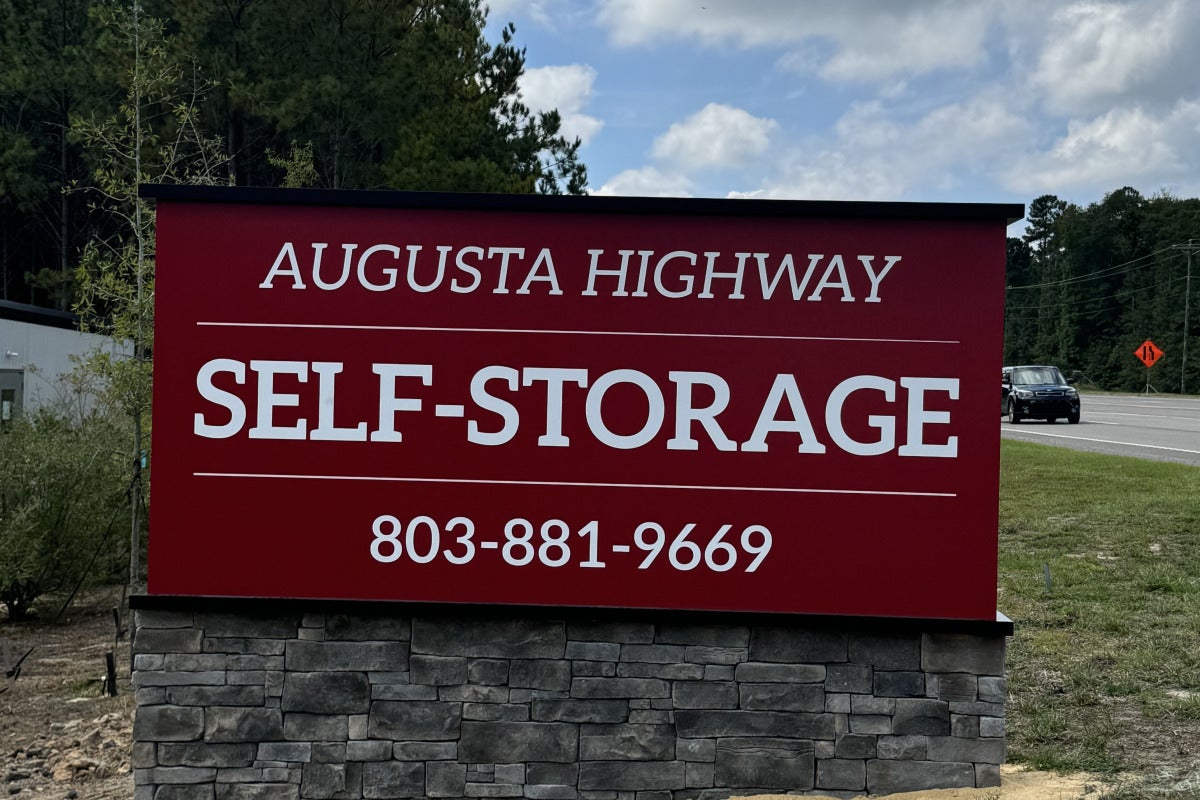
The Town of New Castle’s sign regulations are intended in part to reduce traffic hazards and maintain an attractive, harmonious community. In the Millwood Center Area Design Plan Overlay District, the town's stated objectives also include improving signage and encouraging harmonious design treatments.
Those goals align with good roadside design. A sign needs a clear role, a readable composition, and a location that works with the property and streetscape.
New Castle regulates freestanding signs in business and industrial districts by sign area, proportions, height, location, and permit requirements, with district-specific exceptions. The Code also states that signs cannot interfere with a driver’s vision or create a safety hazard. Because the exact rules depend on zoning, sign type, existing signage, and whether the site falls within the Millwood overlay, property-specific review should happen before fabrication.
Frequently Asked Questions
Can an existing sign structure be reused for a New Millwood business?
In many cases, an existing cabinet, frame, or support post can be refaced or repurposed if structural components remain sound and meet current setback, height, and safety requirements. However, changing sign faces, lettering, lighting, or overall size may still require municipal review and permit approval depending on local zoning rules.
What should a Millwood business prepare before requesting an outdoor sign quote?
Prepare site photos showing driver approach angles, approximate property dimensions, lease or property boundary details, vector brand files, and any specific preferences for materials or illumination. Gathering site information early helps ensure the initial design and cost estimate accurately reflect roadside visibility and local sign regulations.
How often should outdoor signs be checked for changes in condition?
Conduct a visual inspection at least twice a year and after major severe weather events. Check for physical wear, loose hardware, surface grime, fading contrast, damaged lighting, and landscape growth that might obstruct sightlines or compromise readability from the main roadway.
Can a tenant change signs on a shared commercial property in Millwood?
Tenants must typically secure landlord consent along with required municipal permits before altering facades or freestanding signs. On multi-tenant sites or plaza locations, sign changes usually need to follow master sign plans or existing property design standards.
Can roadside signage be updated after a business rebrand?
Yes, updating signage after a rebrand is common. However, the new design, logos, colors, and layout must still satisfy local dimensional and placement regulations, and new sign permits may be required before installing the updated branding.
Design Outdoor Signs Around How Customers Arrive
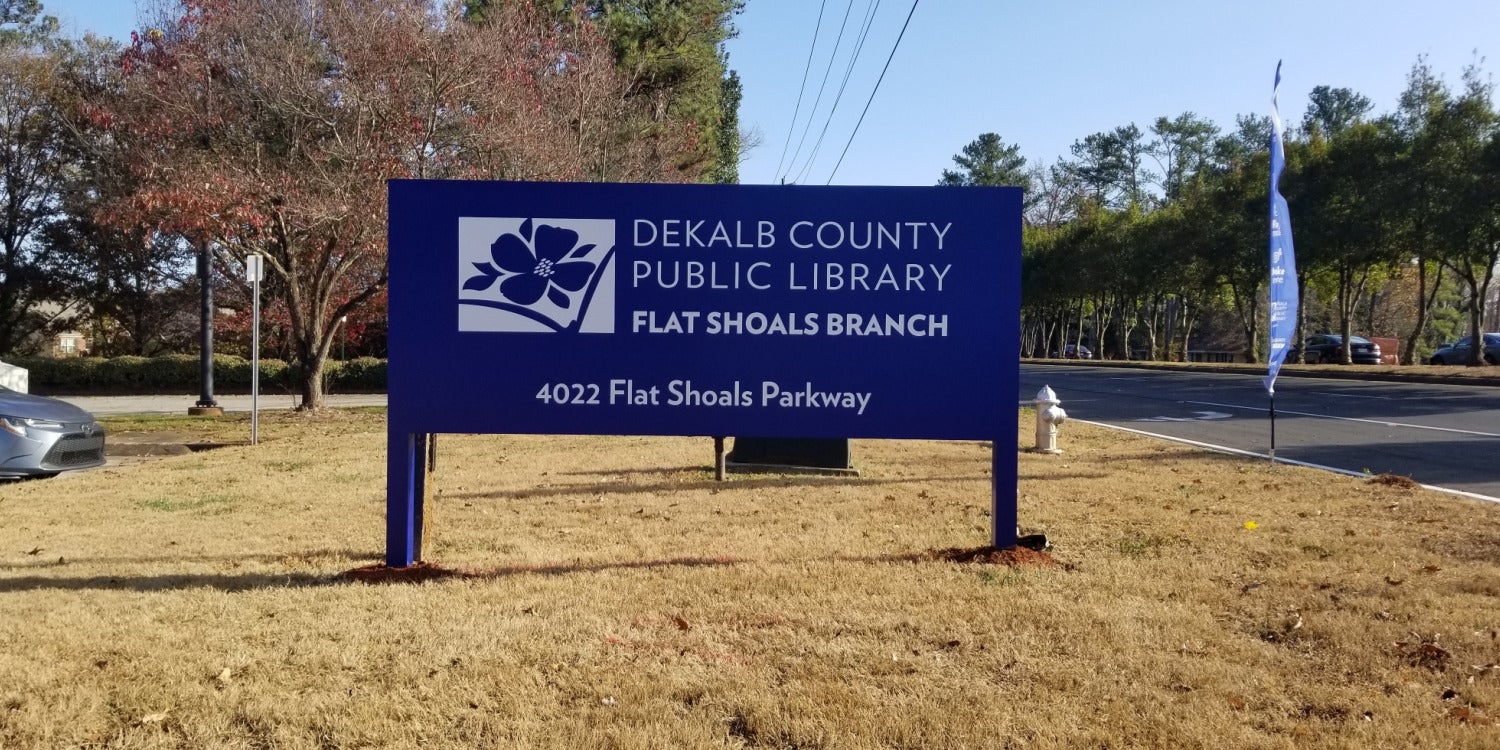
Effective outdoor signs for Millwood businesses should reflect how drivers actually approach the property. Viewing distance, sight lines, entrance location, contrast, and message hierarchy all shape how quickly a sign can be understood.
Near Routes 100 and 120, this can help avoid signs that appear too late, sit at a poor angle, or fail to clearly connect with the driveway.
Discuss your signage needs with Signarama to create outdoor signs that support visibility, wayfinding, and the needs of your Millwood property.

Signarama Millwood, NY
contact
Signarama Millwood, NY